VegEco
Animals

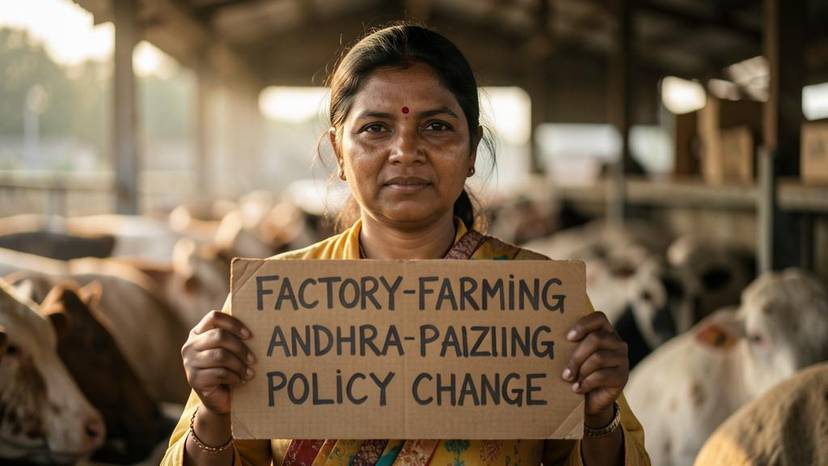
Factory farming explained

The systems hub: confinement, stocking density, mutilations without anaesthetic, transport, slaughter line speeds, and the economics that keep the model in place.

19
Stories
2
Desks
7
Contributors
32,885
Words

Related desks

Questions this hub answers

What is factory farming?
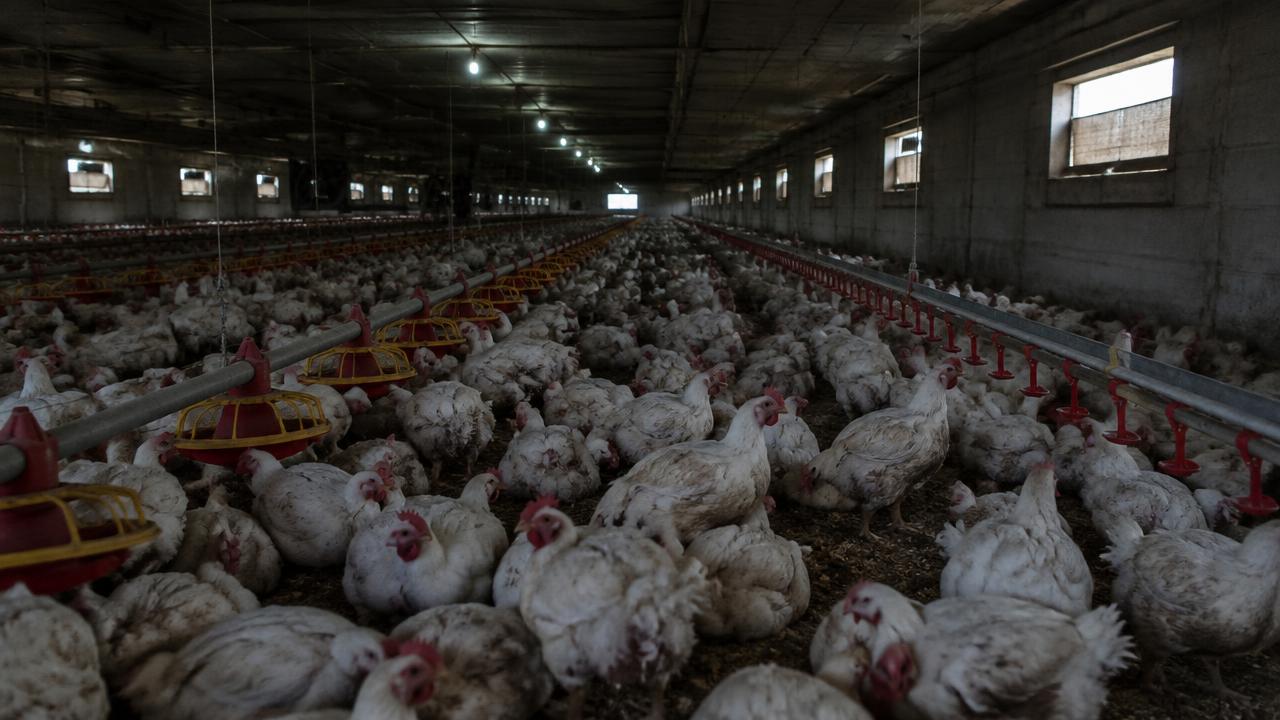
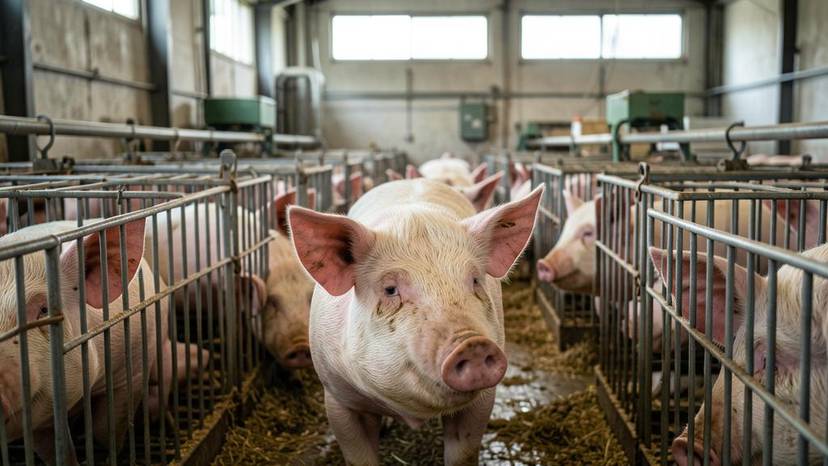
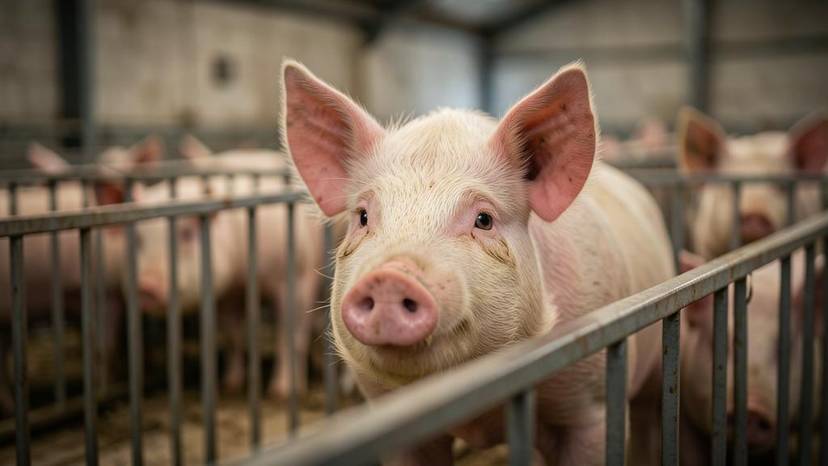
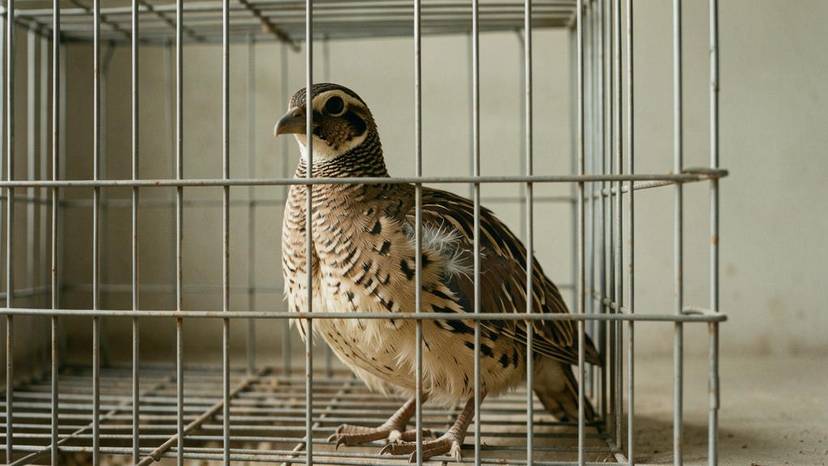
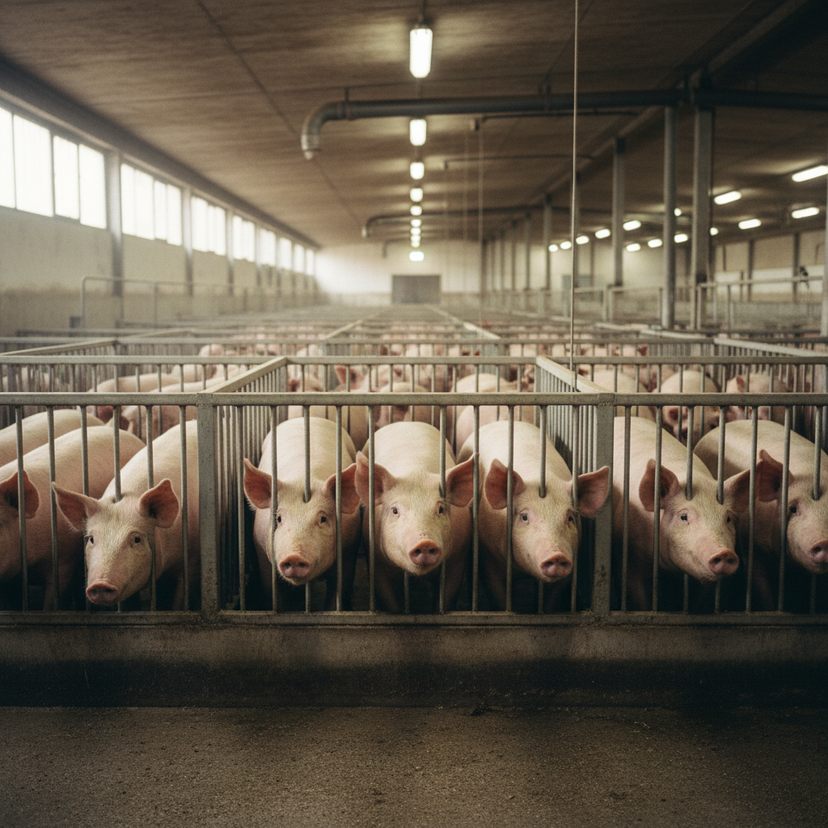
Factory farming is the intensive confinement of animals at high density to minimise cost per unit of meat, milk or eggs — typically indoors, on slatted or barren flooring, with routine procedures such as beak trimming or tail docking and slaughter at a fraction of natural lifespan.
How many farmed animals are killed each year?
Around 80 billion land animals are slaughtered annually worldwide, plus an estimated 1–2 trillion aquatic animals — the overwhelming majority raised in intensive systems.
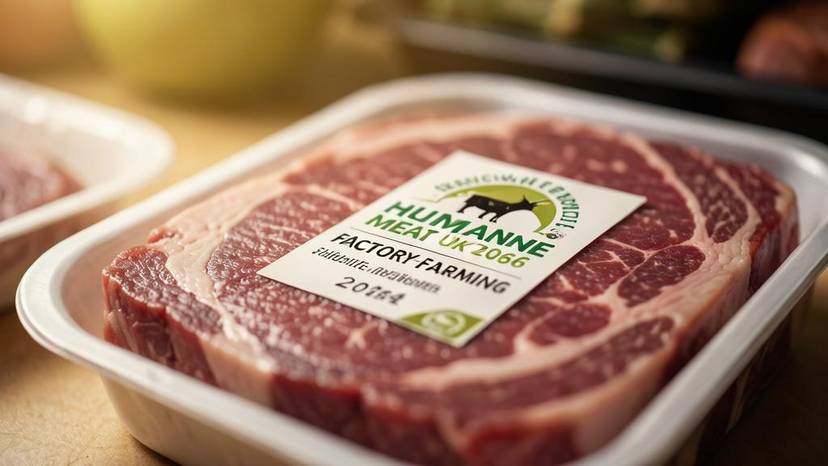
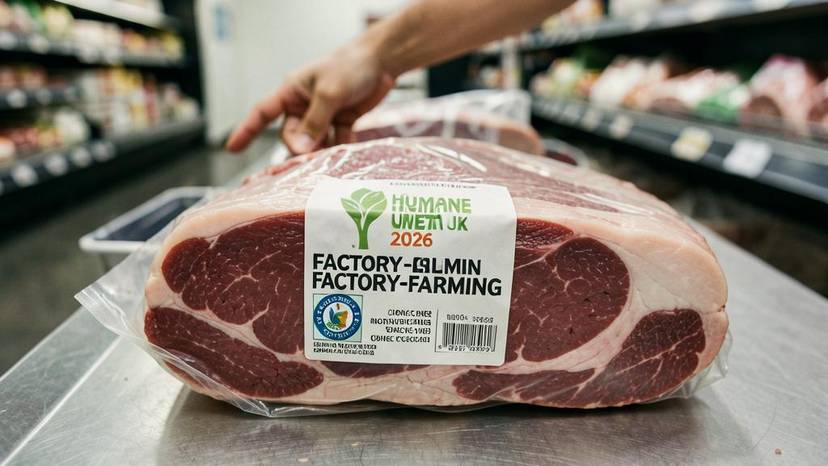
Do welfare labels mean animals were treated well?
Rarely as consumers assume. Most on-pack claims are unaudited marketing terms; only a handful of certification schemes set enforceable space, enrichment and slaughter requirements.
Factory Farming
Factory farming
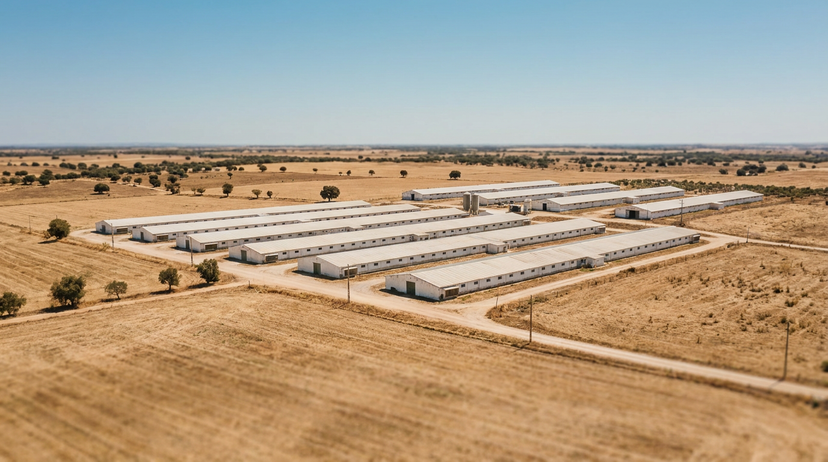
Industrial-scale animal agriculture that concentrates animals in confinement to maximize output at low unit cost.
CAFO
Concentrated Animal Feeding Operation — a US regulatory term for the largest confinement livestock facilities.
Cage-free / free-range
Labels regulating hen housing; both permit indoor confinement and are not synonymous with high-welfare or pasture-raised.
Enteric methane
Methane produced by microbial fermentation in the stomachs of ruminants such as cattle and sheep.

This hub is a standing reference page. Instead of a single article frozen at its publication date, it collects everything VegEco has reported on one question and keeps the collection current: new pieces join automatically as our desks publish them, and the orientation above is revised whenever the underlying evidence moves.

Read it as a route rather than a list. The articles beneath answer distinct sub-questions — what the science says, what the numbers are, what changes in practice, and what to do next — so you can start wherever your own decision sits instead of reading top to bottom.

What belongs in this hub

Only original VegEco reporting appears here. Each linked piece is 1,200–2,200 words, carries a named desk, a publication date and its primary sources, and was written natively in the language you are reading rather than machine-translated from English. Pieces that merely mention the topic in passing are excluded; a hub is meant to be the shortest complete path through a subject, not an archive dump.

How to read the evidence

Environmental and welfare figures vary with method, geography and year, so check the date on every article you cite and prefer the piece that names its dataset. Life-cycle emissions numbers depend on system boundaries; welfare claims depend on the certification scheme behind them; nutrition claims depend on intake, not on food labels alone. Where our reporting disagrees with a widely repeated figure, the article explains why.

Where to go next

If you are choosing between two specific options, the comparison pages weigh them against shared criteria. If you want everything one desk publishes, follow the category. If you are tracking a narrow theme across desks, follow the tag. Hubs sit above all three and are the right entry point when the question is broad and you are new to it.

How this hub relates to the rest of the magazine

  • Hub

    Answers
    A broad question, end to end
    Updated
    Continuously, as pieces publish
  • Category

    Answers
    What one editorial desk covers
    Updated
    Every publication
  • Tag

    Answers
    One narrow theme across desks
    Updated
    Every publication
  • Comparison

    Answers
    Which of two options fits you
    Updated
    When either side changes
  • Article

    Answers
    One question at one moment
    Updated
    Corrections only

FAQ

How often does this page change?
The article list is rebuilt from our archive, so a new piece appears here as soon as it publishes. The written orientation is revised whenever the evidence behind it shifts materially — a new assessment, a revised regulation or a corrected figure.
Is this hub translated from English?
No. Every VegEco edition is written natively in its own language by the desk covering that region, so the articles gathered here were reported for readers in this language rather than translated after the fact.
Can I cite this page?
Yes — hub URLs are stable and designed to be linked from reading lists, curricula and campaign material. For a specific statistic, cite the underlying article, which carries the date and the source.
Why are some articles missing?
Pieces that only mention the topic in passing are deliberately left out. If you are looking for full coverage of a narrower theme, the tag pages list every article that touches it, including brief mentions.