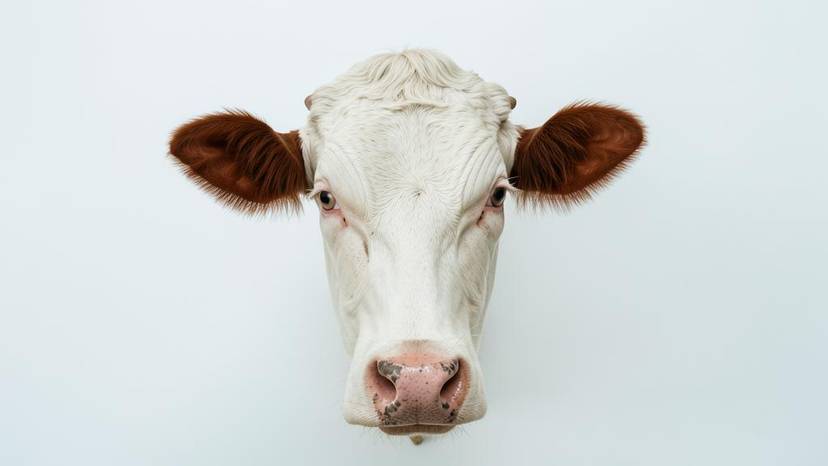
Raising Compassionate Kids: Your Guide to Explaining Food's Animal Origins
Discover how to talk to kids about animal agriculture, where food comes from, and ethical choices without guilt or trauma, fostering compassionate kids.
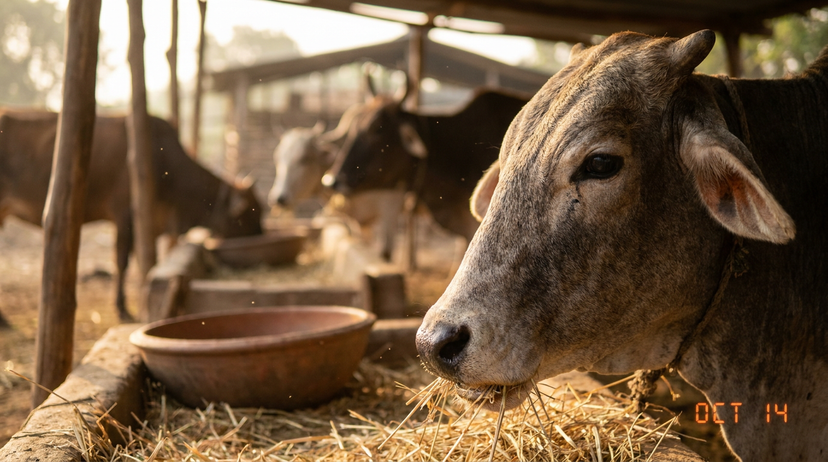
Short answer: Talking to kids about where food comes from, especially about animal agriculture, requires age-appropriate honesty, focusing on empathy, and providing clear, simple explanations. Start with what they already understand, use neutral language, and introduce plant-based alternatives as positive choices to foster compassion without causing distress or shame. This guide offers practical scripts, resources, and strategies for navigating these crucial conversations.
For many parents, the conversation about animal farming and how meat and dairy products end up on our plates feels daunting. We want our children to be informed, empathetic, and make kind choices, but we also worry about upsetting them or triggering anxiety. The good news is that children are naturally curious and often more open to understanding the realities of the world than adults give them credit for. The key is to tailor the information to their developmental stage and focus on empowering them with knowledge, rather than instilling fear.
What Kids Already Know (or Suspect) About Food's Animal Origins
Even at a young age, children develop an intuitive understanding of animals. Thanks to picture books, cartoons, and trips to petting zoos or farms, they often see animals as friends or sentient beings with feelings. When they then encounter animal products on their plates, a natural disconnect can emerge. This 'meat paradox' is something many children grapple with silently, internalising the inconsistency between loving animals and eating them.
A study conducted by researchers at the University of Exeter in 2020 found that roughly half of children aged 4-7 struggled to categorise common animal products (like bacon or chicken nuggets) as coming from animals, despite knowing which animals they originated from. This highlights a fascinating cognitive dissonance that parents can compassionately address. By acknowledging this developing awareness, we can gently guide them towards understanding the full picture.
Age-Appropriate Scripts for Discussing Animals and Food
The language we use and the depth of detail we provide must evolve as our children grow. The goal is always honesty, tempered with profound empathy and an emphasis on positive solutions. Avoid graphic details for younger children, but don't shy away from the truth when they are ready.
Ages 3-6: Gentle Introductions and Plant-Based Positivity
At this stage, focus on connecting animals to their natural behaviours and highlighting delicious plant-based foods. Keep explanations very simple and centred on choices. Emphasise that we can get all the yummy and healthy food we need from plants.
Ages 7-10: Exploring Choices and Consequences
Children in this age group are beginning to understand cause and effect and can grasp more complex ideas about animal welfare and the environment. You can start to introduce the concepts that some animals are raised for food and that these animals often want to live their lives just like our pets.
Ages 11-14: Deeper Dives into Ethics, Health, and Environment
Pre-teens and teenagers are capable of abstract thought and ethical reasoning. This is the time to openly discuss factory farming practices, animal sentience, environmental impacts, and the intersection of food choices with global issues. They can handle more challenging truths and will appreciate your trust in their ability to process complex information.
| Age Group | Key Concepts to Introduce | Example Script Prompt |
|---|---|---|
| 3-6 years | Animals have feelings; Plants are delicious; Choices | Look at this cow, she loves her baby! We get yummy food from plants like apples and carrots. |
| 7-10 years | Animals are raised for food; Some animals don't get to live their full lives; Plant-based options are kind | Some people eat animals, but we choose to eat plants because it's kinder to animals and healthier for us. |
| 11-14 years | Factory farming; Animal sentience; Environmental impact; Ethical arguments; Health benefits | Did you know many animals raised for food live in very small spaces? This is why choosing plant-based helps animals and the planet. |
Handling School and Family Pushback
It's highly likely your children will encounter different viewpoints, whether from friends, teachers, or family members. Equip them with simple, confident responses that articulate their choices without sounding dogmatic or preachy. The UK National Food Strategy (2021) highlighted the importance of diverse dietary education, but real-world practice can vary.
Tips for Navigating External Opinions
- Model confidence: Your calm and positive approach to plant-based eating sets the tone.
- Prepare simple answers: Help them say things like, 'I don't eat animals because I love them' or 'Our family eats plant-based food for the animals and the planet.'
- Focus on 'our family': Emphasise that these are your family's choices, which helps avoid judgement of others.
- Educate family members: Gently share resources or information with relatives who might be curious or resistant.
- Communicate with schools: Inform teachers about your child's dietary choices and any sensitivities. Most schools are highly accommodating under the Equality Act 2010.
- Don't force confrontation: It's okay for your child not to engage in debates with peers or adults if they don't want to.
Books and Shows for Inspiring Compassion
Media plays a powerful role in shaping children's understanding. Choose resources that celebrate animals, nature, and plant-based living without being overly didactic. Here are a few recommendations prevalent in the UK:
Recommended Resources
- Books: 'V is for Vegan' by Ruby Roth, 'That's Not My Momma's Milk!' by Julia Barcalow, 'Hogwash' by Karma Wilson, 'We Are the Gardeners' by Joanna Gaines.
- Documentaries (age-appropriate clips with parental guidance): 'My Octopus Teacher' (Netflix), 'Our Planet' (Netflix), clips from reputable conservation series like BBC's 'Planet Earth'. Focus on the wonder and sentience of animals.
- YouTube Channels: 'PeacebyVegan' (storytime and discussions), 'Earthling Ed' (some content suitable for older teens with parental pre-screening).
Plant-Based Nutrition Basics for Growing Kids
For parents worried about nutritional adequacy on a plant-based diet, rest assured both the British Dietetic Association (BDA, 2021) and the NHS confirm that well-planned vegan diets are healthy and appropriate for all stages of life, including childhood. The key is balance and variety.
Key Nutrients: Plant-Based Sources for Kids (Daily Intake Goals)
Essential Plant-Based Nutrients Checklist for Children
- ✓Protein: Lentils, beans, tofu, tempeh, nuts, seeds, quinoa.
- ✓Iron: Dark leafy greens (spinach, kale), fortified cereals, lentils, black beans, dried apricots. Pair with Vitamin C for absorption.
- ✓Calcium: Fortified plant milks (soya, oat, almond), fortified yoghurts, tofu (calcium-set), collard greens, kale, sesame seeds/tahini.
- ✓Vitamin B12: Essential for all vegans. Found in fortified foods (plant milks, cereals, nutritional yeast) and supplements. Consult a GP or dietitian.
- ✓Omega-3 Fatty Acids: Flaxseeds (ground), chia seeds, walnuts, hemp seeds. Algal oil supplements are also an option.
- ✓Vitamin D: Sunshine exposure, fortified plant milks, and supplements (especially during UK winters, as recommended by NHS).
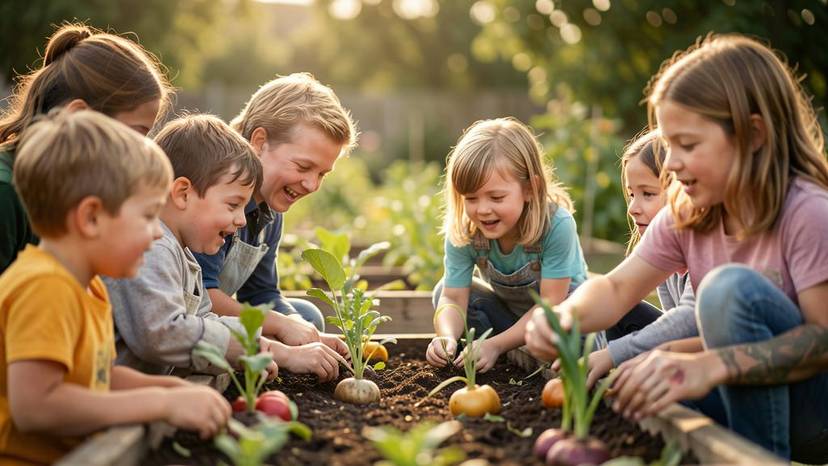
Making healthy food fun for kids is paramount. Involve them in meal preparation, visit local farmer's markets, and let them choose new fruits and vegetables to try. This hands-on experience strengthens their connection to food and promotes a positive relationship with plant-based eating.

“Empowering children with factual, compassionate information about their food choices builds a foundation of empathy that extends far beyond the dinner plate. It teaches them critical thinking, respect for living beings, and a sense of responsibility for their impact on the world.”
Frequently Asked Questions
Is it okay to tell my child that meat comes from dead animals?
Yes, it is okay, but consider their age. For younger children (3-6), you can say, 'Meat comes from animals who are no longer alive.' For older children (7+), you can be more direct, explaining that animals raised for food are killed for their meat. Always frame it gently and with empathy, focusing on the choice your family makes.
How do I respond if my child's friend asks why they don't eat meat?
Coach your child to give a simple, confident answer like, 'My family chooses not to eat animals because we love them' or 'We eat plants because it's good for animals and the planet.' Model this calm and positive response yourself, reinforcing that it's a personal family choice.
What if my child experiences peer pressure to eat animal products?
Validate their feelings and empower them with confidence. Explain that different families make different choices, and it's okay to politely decline. Packing delicious plant-based alternatives for school lunches or parties can help them feel less left out. Reinforce that their choices are kind and strong.
Are there specific brands of plant-based foods that are good for children in the UK?
Absolutely! Many UK brands offer excellent child-friendly plant-based options. Look for fortified plant milks like "Alpro My Cuppa" (soya) or "Oatly Barista Edition" (oat), "Richmond Meat-Free Sausages", "Nush" yoghurts, or "Violife" cheese alternatives. Always check labels for nutritional content and sugar levels to ensure they align with healthy eating guidelines.
Should I take my child to a farm sanctuary to meet rescued animals?
Visiting a farm sanctuary can be a profoundly positive and educational experience for children of all ages. It allows them to see farmed animals as individuals with personalities, fostering empathy and connection in a safe, non-exploitative environment. Many UK sanctuaries, like Surge Sanctuary or Hillside Animal Sanctuary, welcome visitors and provide educational tours.
- Use age-appropriate, honest language to explain animal origins of food.
- Frame plant-based eating as a positive choice for animals and the planet.
- Prepare children for questions and different viewpoints with simple, confident responses.
- Utilise books, shows, and farm sanctuaries to reinforce empathy and understanding.
- Ensure a well-planned plant-based diet for optimal nutrition, consulting resources like the British Dietetic Association.
Related topics
Related Reading
Why Chicken Is the Most-Eaten and Least-Protected Animal on Earth
A former broiler farm worker reveals the hidden cruelty inside industrial chicken sheds and why poultry welfare lags behind every other farmed animal.
7 min read
A short history of vulture population crashes: from Silent Spring to diclofenac
How did vulture populations collapse across Asia and Africa? This timeline traces the poisoning, conservation, and recovery efforts behind one of nature's most vital clean-up crews.
10 min read
A short history of big-cat cub-petting: from circus to crisis
Trace the evolution of big-cat cub-petting from Victorian menageries to modern roadside zoos, and how animal-rights campaigns are ending the practice.
7 min read