Take action
Take action
VegEco publishes plant-based living, animal welfare, climate and sustainability journalism in 33 languages.
Why it matters
- ~92B
- Land animals slaughtered for food each year
- ~1–2T
- Fish and sea animals killed annually
- ~14.5%
- Of global greenhouse gases from animal agriculture
- ~77%
- Of farmland used for livestock and their feed
Figures from FAOSTAT, FAO livestock assessments and peer-reviewed food-system research.
Your first week
Most people quit because they change everything at once. This sequence changes one thing a day.
- 01
Day 1 — Swap one meal
Replace a single meat-based meal with beans, lentils or tofu. Note how little you miss it.
- 02
Day 2 — Fix the fridge
Buy oat or soy milk, a plant spread and a protein staple so the easy choice is the default.
- 03
Day 3 — Learn the reality
Watch one investigation into standard farming practice — gestation crates, macerators, gas chambers.
- 04
Day 4 — Cook once, eat thrice
Batch a chilli, curry or stew. Cheap, high-protein, zero animal products.
- 05
Day 5 — Check your labels
Read one product's ingredients for whey, gelatine, casein and carmine.
- 06
Day 6 — Bring someone
Cook for one friend or relative. Persuasion happens at the table, not online.
- 07
Day 7 — Commit publicly
Take a pledge below, or subscribe so the next week has support behind it.
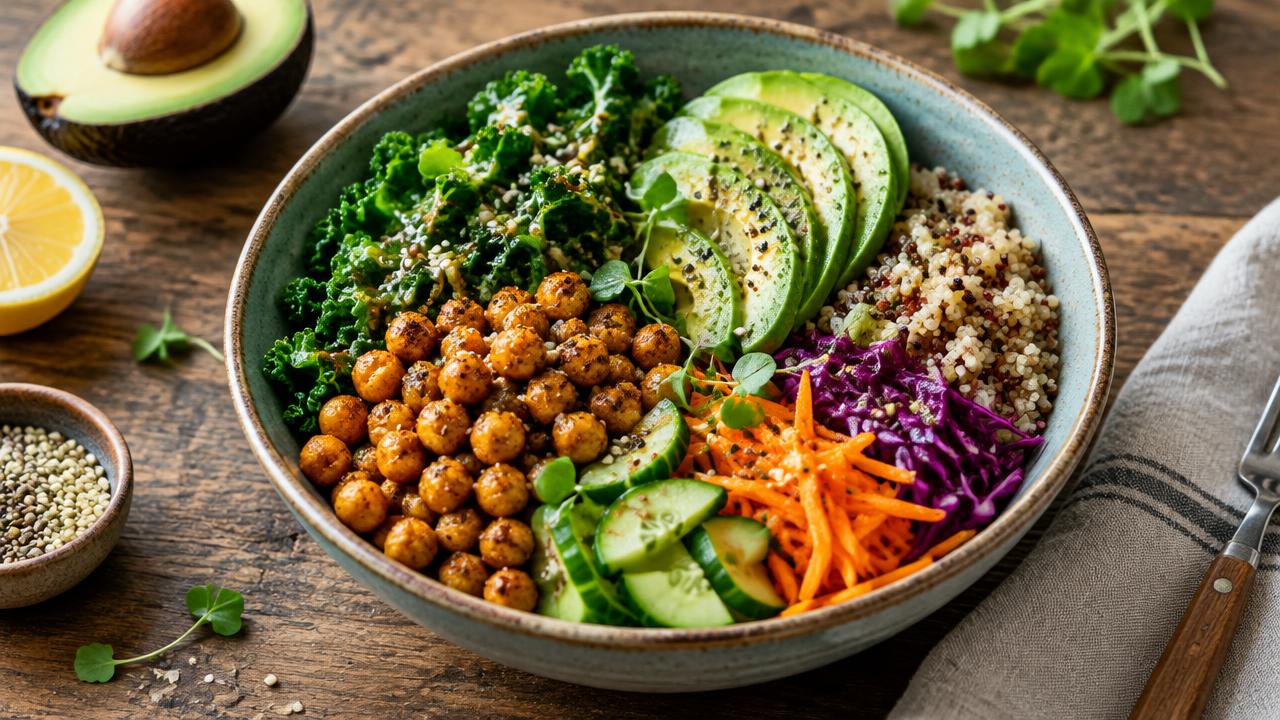
Eat plant-based, one meal at a time
You don't need to be perfect. Swapping a few weekly meals for plant-based cuts personal emissions and spares animals.
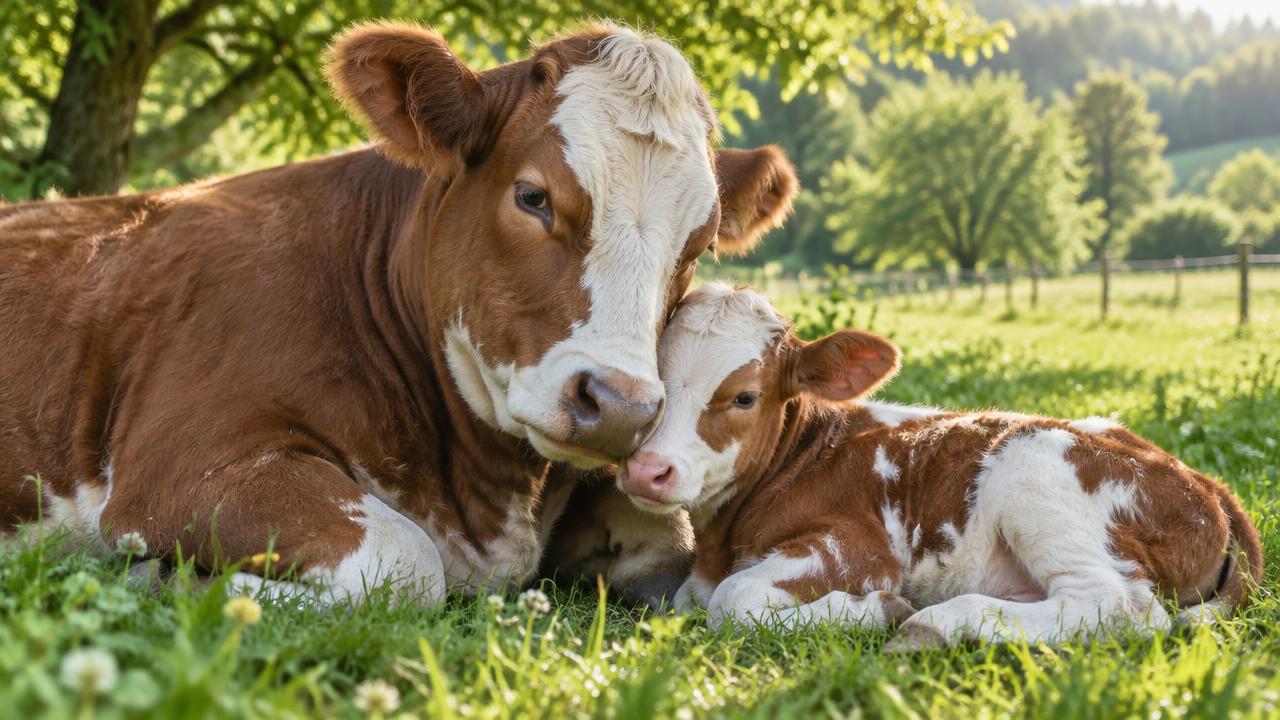
Speak up for animals
Independent, science-led organisations working on farmed animals, wildlife and companion animals.

Cut your climate footprint
Household actions with the strongest evidence base, from IPCC and peer-reviewed research.
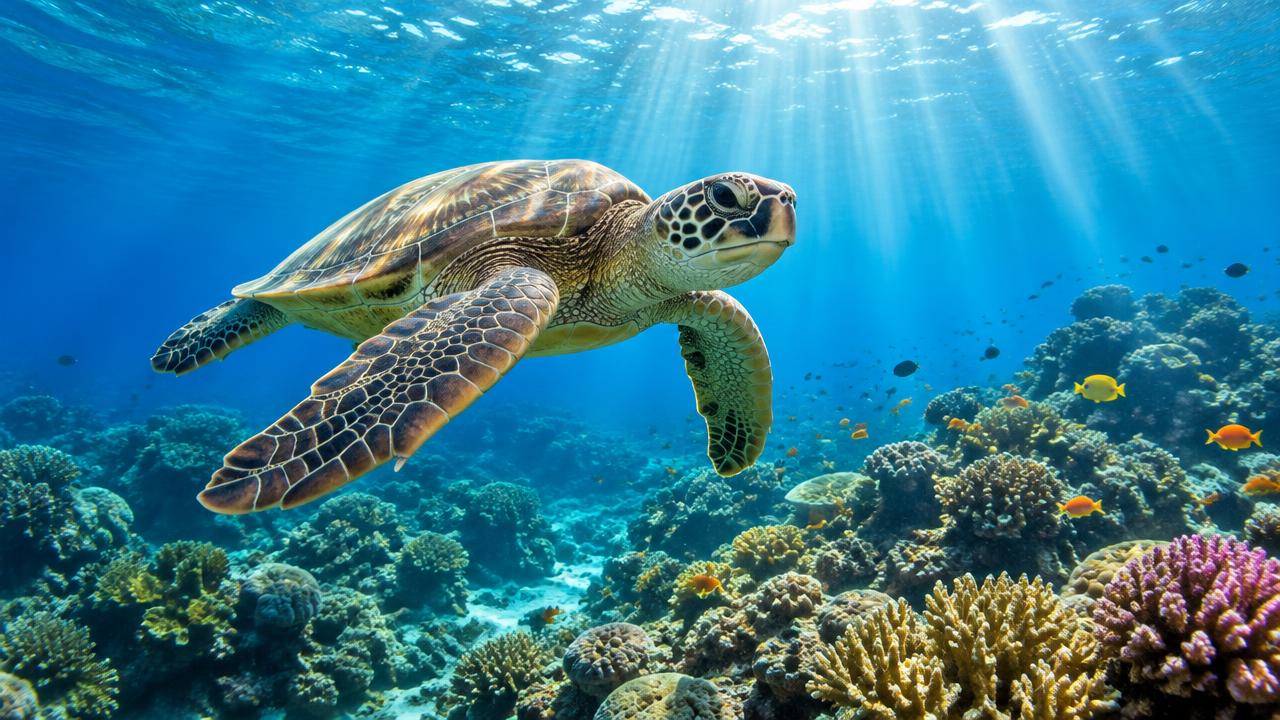
Protect wildlife and oceans
Habitat loss and overfishing are two of the biggest drivers of the biodiversity crisis.
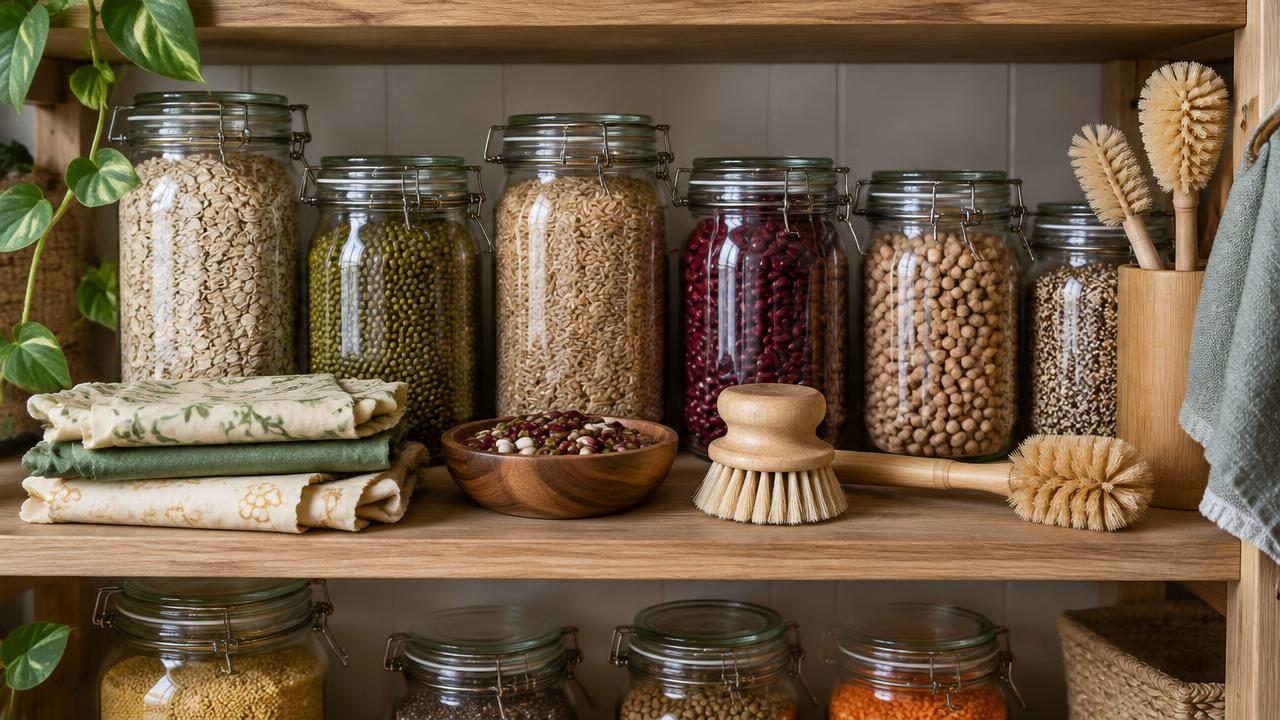
Waste less, buy better
Zero-waste and ethical-fashion resources from independent nonprofits.
Keep learning
Our reporting on animal rights and factory farming goes deeper on everything above.

This page is a directory of things that measurably change outcomes for animals, the climate and your own health — ordered so that the low-effort, high-frequency actions come first. It is not a pledge wall. Every entry says what the action does, roughly what it costs you in time or money, and where to go to actually do it.
The organisations linked here are independent of VegEco. We take no fees, affiliate commissions or placement payments for any listing, and we drop entries when a group stops publishing outcome data or its programme lapses.
Start with frequency, not intensity
Dietary change follows the same arithmetic as any other habit: a swap you make eleven times a week beats a commitment you abandon in March. Replacing the highest-footprint items in your regular rotation — beef, lamb, dairy cheese — delivers most of the available reduction long before a diet becomes fully plant-based, and it does so without requiring you to relearn how you cook. Build from meals you already like rather than from an unfamiliar recipe list.
Where individual and structural action meet
Personal consumption and policy are not competing theories of change; they operate on different timescales. Individual demand shifts what retailers stock and what caterers tender for, which in turn changes the default option for people who never made a decision at all. Institutional asks — a plant-based default in a school, workplace or hospital menu — reach hundreds of people per hour of effort, which is why they appear high in this list despite being less visible than a personal pledge.
Giving and volunteering effectively
Impact per pound or hour varies by orders of magnitude between animal-focused organisations, mostly according to how many animals a given intervention reaches and how neglected the area is. Corporate welfare campaigning, cage-free enforcement and alternative-protein research have historically absorbed additional funding well. Before donating, check that the organisation publishes results rather than only activity counts, and prefer unrestricted funding unless you have a specific reason not to.
Actions ranked by effort against reach
Swap dairy milk daily
- Effort
- Minutes, once
- Typical reach
- Continuous, personal
Three plant-based dinners a week
- Effort
- Low, weekly
- Typical reach
- Personal and household
Institutional menu request
- Effort
- One conversation
- Typical reach
- Hundreds of meals
Recurring donation
- Effort
- Minutes, once
- Typical reach
- Depends on organisation
Local campaigning
- Effort
- Hours, ongoing
- Typical reach
- Policy-level, slow
Questions people ask
- Does one person changing their diet actually matter?
- In isolation the emissions effect is small; in aggregate it is not, and demand signals reach retailers and caterers long before they reach policy. The most defensible framing is that individual change is necessary, cheap and immediate, but not sufficient on its own.
- What is the single highest-impact food swap?
- Reducing ruminant meat and dairy cheese, because both carry the highest emissions and land use per serving of any common food. For animal numbers rather than emissions, reducing chicken and eggs spares far more individual animals per kilogram.
- How do I choose between organisations?
- Look for published outcomes rather than activity, a clear theory of change, work in a neglected area, and room for more funding. Evaluators that assess animal charities publicly are a reasonable starting point.
- Do you earn anything from the links on this page?
- No. There are no affiliate links, sponsorships or paid placements anywhere on VegEco, including in this directory.