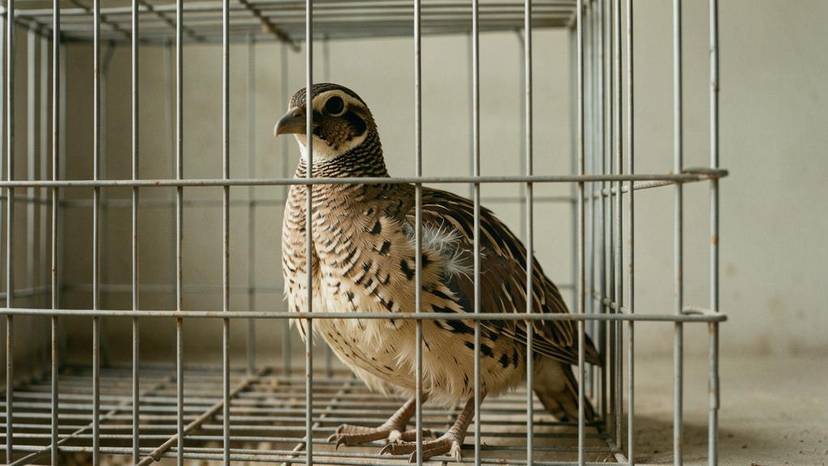
I Used to Run a Dairy Farm. Here's What Artificial Insemination Taught Me About Animal Rights
A former dairy farmer reveals the hidden cruelty of artificial insemination in dairy cows and why the animal rights movement must target the dairy industry's core practices.
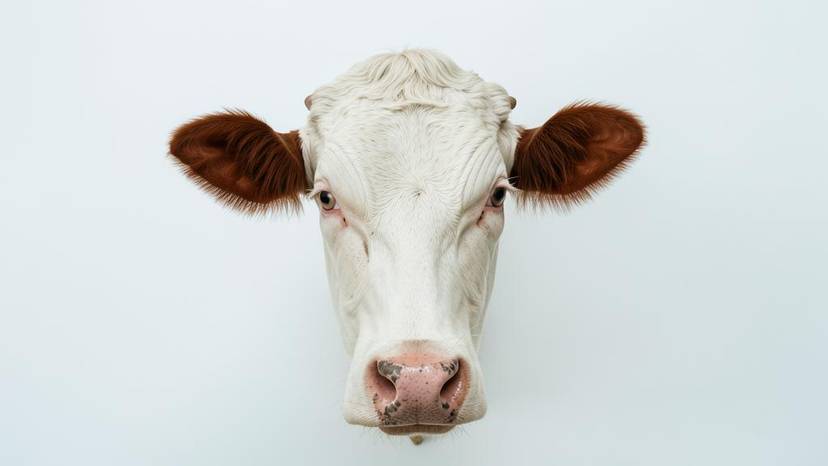
**Short answer:** Artificial insemination in dairy cows is a routine, invasive procedure where farmers forcibly impregnate cows without natural mating, often causing stress and pain, and leading to repeated cycles of pregnancy, birth, and calf separation to maintain milk production. This practice is central to the dairy industry's exploitation of cows, and it's a compelling reason to choose plant-based milk alternatives.
Where I Started: My Life as a Dairy Farmer in Somerset
I grew up on a 200-acre dairy farm in Somerset, England, where my father and grandfather had milked Holstein-Friesians for decades. I took over the herd in 2008, proud to continue a family legacy. At 28, I believed we were doing things 'the right way' — cows had access to pasture in summer, and we used a local vet for all health checks. But the one thing I never questioned was artificial insemination, or AI as we called it. It was simply how you ran a dairy herd.
AI is the standard method of breeding dairy cows worldwide, with over 80% of dairy herds in the UK using it, according to AHDB (2023). The reasons are efficiency and genetics: a single bull's semen can be frozen and shipped globally, allowing farmers to select for high milk yield, disease resistance, and other traits without keeping a bull on the farm. But what I didn't grasp then was the cost to the cows themselves — a cost measured in fear, pain, and broken bonds.
What I Saw: The Reality of Forced Impregnation
Every 12 to 14 months, each cow in my herd was subjected to AI. The process begins with a 'heat detection' — we'd watch for signs of standing heat, then call the vet or AI technician. The cow was restrained in a metal crush, her head locked, and the technician inserted a gloved arm into her rectum to guide a thin catheter through her cervix. The semen, stored in a straw, was then deposited into her uterus. The whole thing took about two minutes, but the cow's stress was palpable.
Cows are sentient beings with complex emotions, as research from the University of Bristol (2021) confirms. They exhibit fear and pain behaviours during AI — tail flicks, kicking, vocalisations, and elevated cortisol levels. I saw cows tremble when the crush gate closed, their eyes wide with panic. We called it 'being a bit nervous', but looking back, it was terror. And I ignored it because that's what the industry taught me: this is normal, this is necessary.
What Changed: The Calf Separation That Broke Me
The true turning point came in 2019, when I watched a cow named Daisy bellow for three days after her calf was taken away within hours of birth. The calf, a healthy bull, was destined for veal — a fate I had always justified as 'part of the circle'. But Daisy's distress was unmistakable: she paced the fence line, refused food, and her milk let-down was compromised. I knew the science — cows form strong maternal bonds, and separation causes acute stress (Beaver, 2005) — but I had never allowed myself to feel it.
The dairy industry's model is built on a brutal cycle: cows must give birth to lactate, their calves are removed to maximise milk for humans, and the cows are re-impregnated via AI to keep the milk flowing. This means a dairy cow's life is a series of forced pregnancies, births, and bereavements, until her production drops and she's sent to slaughter — typically at around 5-6 years old, compared to a natural lifespan of 20 years (Compassion in World Farming, 2022).
“The dairy industry is built on a cycle of forced impregnation and maternal separation. When we call it 'humane', we are lying to ourselves.”
What I Do Now: Advocating for a Post-Dairy Future
In 2020, I sold my herd and transitioned to growing arable crops — oats, barley, and legumes — on the same land. I now work with the UK charity 'Plant-Based Future' to help other farmers transition away from dairy. The shift hasn't been easy, but it's been liberating. I no longer have to perform acts of violence against animals I once claimed to care for. And I've discovered that plant-based milk alternatives, from oat to pea, are not just ethical but also more sustainable — producing significantly lower greenhouse gas emissions and using less land and water (Poore & Nemecek, 2018).
What I Want You to Take From This: The Ethics of Your Morning Coffee
When you pour cow's milk into your coffee, you are supporting a system that involves artificial insemination in dairy cows, forced pregnancy, and calf separation. The UK dairy industry alone processes around 14 billion litres of milk annually (DEFRA, 2024), and every litre comes with a story of animal suffering. But you have the power to change that. Every plant-based milk purchase is a vote for a kinder world — one where cows are not treated as milk-producing machines.
The Animal Rights Case Against Artificial Insemination
Artificial insemination is not a neutral technology; it is a tool of exploitation. It removes the cow's agency over her reproduction, reducing her to a biological unit for human profit. The process itself can cause physical pain — uterine manipulation, cervical trauma, and infection risk — and psychological distress from restraint and invasion. As philosopher Lori Gruen (2011) argues, 'entangled empathy' requires us to consider the cow's perspective. Would she choose to be repeatedly impregnated and have her calves taken? The answer is obvious.
The Environmental Case for Ditching Dairy
Beyond the ethical horror, dairy production is a climate disaster. According to the FAO (2023), the global dairy sector is responsible for about 4% of human-caused greenhouse gas emissions — more than aviation. In the UK, dairy farming uses 1.7 million hectares of land, equivalent to 7% of the UK's total land area (WWF, 2021). In contrast, producing oat milk generates about 80% fewer emissions and uses 60% less land than cow's milk (Poore & Nemecek, 2018).
Greenhouse Gas Emissions per Litre of Milk (kg CO2e)
Frequently Asked Questions
Is artificial insemination painful for cows?
Yes, artificial insemination can be painful for cows. The procedure involves rectal palpation and uterine catheterisation, which can cause discomfort, stress, and in some cases, injury. Studies have shown elevated cortisol levels and behavioural signs of pain during AI (Moberg & Mench, 2000). While some cows may not show obvious distress, the invasive nature and restraint involved make it a welfare concern.
Why do dairy farmers use artificial insemination instead of natural breeding?
Dairy farmers use AI for efficiency and genetic improvement. It allows them to breed cows with high milk production without keeping a bull, which is dangerous and expensive. AI also enables global distribution of semen from top-quality bulls. However, this prioritises productivity over animal welfare, turning cows into reproductive machines. Natural breeding, while less common, still faces issues of forced mating and calf separation.
What happens to calves after artificial insemination and birth?
In the dairy industry, calves are typically separated from their mothers within 24 hours of birth. Female calves are often raised to become replacement dairy cows, while male calves are usually sold for veal or beef production. This separation causes severe distress to both mother and calf, and it's a core ethical problem of dairy. In the UK, some farms now use 'cow-calf contact' systems, but these are rare and not standard practice.
Can dairy cows live naturally without artificial insemination?
Yes, if not artificially inseminated, dairy cows would not be forced into repeated pregnancies. In a natural setting, they would mate seasonally, give birth, and nurse their calves for up to a year. Their lifespan would be around 20 years instead of 5-6. But the dairy industry's model depends on continuous lactation, so AI is used to maintain production. A plant-based food system would allow cows to live out their natural lives without exploitation.
Is dairy milk healthier than plant-based milk?
Dairy milk is not inherently healthier than plant-based alternatives. While cow's milk is high in calcium and protein, many plant-based milks are fortified with calcium, vitamin D, and B12, making them nutritionally comparable. The UK's National Health Service (NHS, 2023) states that unsweetened plant-based milks are a healthy choice for most adults. The main difference is the environmental and ethical cost of dairy, which is not a health benefit.
How to Make the Switch: A Practical Guide
Transitioning away from dairy is easier than ever. In the UK, supermarkets like Tesco, Sainsbury's, and Waitrose stock a wide range of plant-based milks — oat, almond, soy, pea, and even hemp. You can also find vegan butter, cheese, and yoghurt that are indistinguishable from dairy in many recipes. Start by swapping your morning coffee milk, then move to cooking and baking. Remember, every small change reduces demand for artificial insemination and the suffering it causes.
What to Look for on Labels
Checklist for Choosing Plant-Based Dairy Alternatives
- ✓Choose unsweetened varieties to avoid added sugars.
- ✓Look for fortification with calcium, vitamin D, and B12.
- ✓Check the ingredient list for minimal additives and emulsifiers.
- ✓Opt for organic or locally produced options to reduce transport emissions.
- ✓Try different bases (oat, soy, pea) to find your preferred taste and texture.
The Hidden Animal Suffering in 'Humane' Dairy
Even 'pasture-raised' or 'organic' dairy involves artificial insemination and calf separation. The label 'humane' is misleading; it simply means slightly better conditions, but the core exploitation remains. According to a 2022 undercover investigation by Animal Equality UK, even on certified 'higher welfare' farms, cows were seen being kicked, slapped, and subjected to painful procedures without pain relief. The only truly ethical choice is to avoid dairy entirely.
| Factor | Cow's Milk | Oat Milk |
|---|---|---|
| Animal sentience impact | Forced pregnancy, calf separation, slaughter | No animals involved |
| Greenhouse gas emissions (per litre) | 3.2 kg CO2e | 0.6 kg CO2e |
| Land use (m2 per litre) | 9.0 | 0.8 |
| Water use (litres per litre) | 628 | 48 |
| Average cow lifespan | 5-6 years (industry) | N/A |
The Future of Dairy: Policy Changes and Consumer Power
The UK government's 2024 Animal Welfare (Sentience) Act recognises animals as sentient beings, but it does not ban artificial insemination or calf separation. However, public pressure is mounting. The 'Dairy Declare' campaign, supported by organisations like Animal Aid and The Vegan Society, is calling for an end to the worst practices. As consumers, we can also support the growing number of plant-based startups, such as UK-based 'Oatly' and 'Minor Figures', which are disrupting the dairy market.
What Helped Me Leave the Dairy Industry
- Educating myself on cow sentience and welfare science.
- Connecting with other former dairy farmers through online communities.
- Visiting a farm sanctuary and witnessing cows living freely.
- Reading 'The Sexual Politics of Meat' by Carol J. Adams.
- Supporting plant-based advocacy groups like The Vegan Society.
The Bottom Line: Choose Compassion Over Convenience
Artificial insemination in dairy cows is a hidden cruelty that most consumers never see. But now you know. The question is: what will you do with that knowledge? I hope you'll join me in choosing plant-based milk, not just for your health or the planet, but for the cows — the sentient beings who deserve a life free from exploitation.
Key Takeaways
- AI in dairy cows is a welfare crisis hidden from consumers.
- Calf separation is emotionally damaging to both mother and calf.
- Dairy production contributes 4% of global greenhouse gas emissions.
- Plant-based milks offer a cruelty-free and eco-friendly alternative.
- Your purchasing power can help end the dairy industry's exploitation.
Related topics
Related Reading
Why Chicken Is the Most-Eaten and Least-Protected Animal on Earth
A former broiler farm worker reveals the hidden cruelty inside industrial chicken sheds and why poultry welfare lags behind every other farmed animal.
7 min read
A short history of vulture population crashes: from Silent Spring to diclofenac
How did vulture populations collapse across Asia and Africa? This timeline traces the poisoning, conservation, and recovery efforts behind one of nature's most vital clean-up crews.
10 min read
A short history of big-cat cub-petting: from circus to crisis
Trace the evolution of big-cat cub-petting from Victorian menageries to modern roadside zoos, and how animal-rights campaigns are ending the practice.
7 min read