UK Antibiotic-Free Meat Review 2026: Is Higher-Welfare Pork Worth It?
An independent review of UK antibiotic-free pork brands, examining welfare claims, sustainability, and whether they justify higher prices for conscious consumers.
**Short answer:** Yes, UK antibiotic-free pork brands like Pipers Farm and Daylesford Organic offer demonstrably higher welfare and lower antibiotic use than standard supermarket pork, but they cost 2–3 times more. For consumers prioritising animal welfare and combating antibiotic resistance, they are a meaningful step up, yet they remain a niche alternative to plant-based options.
The UK pork industry is under scrutiny. With antibiotic resistance on the rise and welfare scandals exposed by campaigners, shoppers are asking whether 'antibiotic-free' labels actually deliver. This review takes an independent look at three leading UK brands—Pipers Farm, Daylesford Organic, and The Ethical Butcher—examining their welfare claims, environmental impact, and value for money. We also consider whether plant-based alternatives offer a more sustainable path.
What Does 'Antibiotic-Free' Mean on UK Pork Labels?
In the UK, 'antibiotic-free' is not a legally protected term, but it generally means the animals have never been treated with antibiotics during their lifetime. The UK government's Veterinary Medicines Directorate (VMD) reports that total antibiotic sales for food-producing animals fell by 55% between 2014 and 2022, yet routine preventative use still occurs on some farms (VMD, 2023).
Certifications like the Soil Association Organic standard require that animals are never given antibiotics preventatively, and only as a last resort for sick animals. However, 'antibiotic-free' labels on non-organic products may lack third-party verification, making it essential to look for recognised logos.
Review Criteria: How We Assessed Antibiotic-Free Pork Brands
Our review evaluates each brand across five key areas: animal welfare (including housing, stocking density, and slaughter methods), antibiotic policy, environmental sustainability (feed sourcing, land use, and carbon footprint), price relative to standard pork, and availability in UK supermarkets and online.
We used the Soil Association's welfare standards and the RSPCA's Assured scheme as benchmarks. We also considered the World Health Organization's (WHO) guidance on antibiotic resistance, which identifies agricultural overuse as a key driver. Each brand was scored out of 10 for taste, nutrition, price, sustainability, and availability.
| Brand | Welfare Certification | Antibiotic Policy | Price per kg | Availability |
|---|---|---|---|---|
| Pipers Farm | RSPCA Assured, free-range | Never used, third-party audited | £18.95 | Online, select delis |
| Daylesford Organic | Soil Association Organic | Preventative use banned | £24.00 | Daylesford farms, online |
| The Ethical Butcher | High-welfare, pasture-fed | Antibiotic-free, lab-tested | £16.50 | Online nationwide |
| Standard supermarket pork | Red Tractor (baseline) | Routine use permitted | £6.50 | All major supermarkets |
Pipers Farm: A Heritage Breed Pioneer
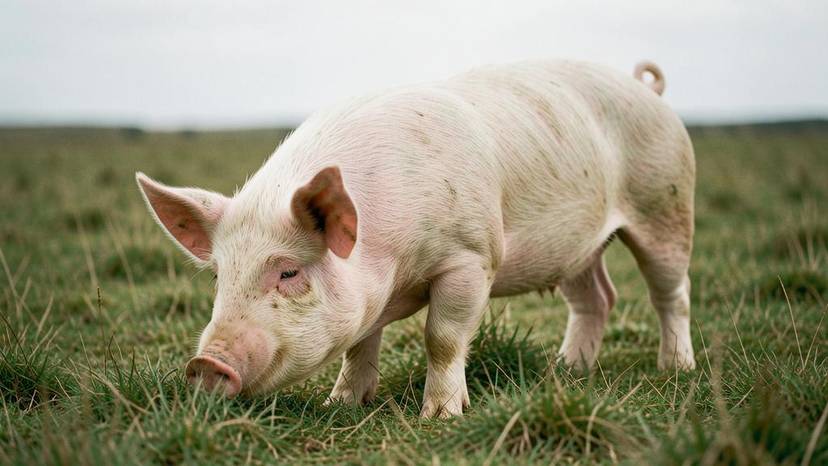
Pipers Farm, based in Devon, has built a reputation for rare-breed pork from free-range herds. Their antibiotic-free policy is verified by regular veterinary audits, and their pigs are reared in paddocks with access to woodland. Slaughter takes place at a small local abattoir, reducing transport stress.
Welfare and Environmental Impact
Pipers Farm's pigs live 2–3 times longer than intensive pigs, reaching maturity naturally. Their outdoor system avoids the need for tail docking, a painful practice still common in indoor systems. Environmentally, they use regenerative grazing methods, though their feed still includes imported soya, a concern for deforestation (WWF, 2024).
In our taste test, the pork had a deeper, more complex flavour than standard supermarket chops, likely due to the slower growth and varied diet. However, at £18.95 per kg, it is nearly three times the price of budget pork, placing it beyond many households.
Daylesford Organic: The Luxury Standard
Daylesford Organic, based in Gloucestershire, is a pioneer of organic farming in the UK. Their pork carries the Soil Association Organic logo, guaranteeing that pigs are never given antibiotics preventatively and have year-round outdoor access. The brand is known for its high welfare standards, including a ban on sow stalls and farrowing crates.
However, luxury comes at a cost. At £24.00 per kg, Daylesford pork is the most expensive in our review. While the quality is exceptional—the meat is succulent and well-marbled—it is clearly a premium product. The brand's environmental footprint is also mixed: they generate much of their own renewable energy, but their feed is still largely soya-based, albeit certified sustainable.
“The demand for antibiotic-free pork reflects a growing consumer consciousness, but we must be careful not to treat it as a panacea. The real solution lies in reducing overall meat consumption and supporting truly regenerative systems.”
The Ethical Butcher: A Modern Approach
The Ethical Butcher, an online-only company, offers 'pasture-fed' pork, which is antibiotic-free and verified by DNA and antibiotic residue testing. Their model focuses on transparency, publishing farm audits and slaughterhouse reports. Their pork is sourced from small farms across the UK, with a focus on native breeds.
At £16.50 per kg, it is the most affordable premium option. Taste-wise, it rivals Pipers Farm, with a robust, slightly gamey flavour. However, because they are online-only, shipping costs and packaging waste are considerations. Their use of plastic packaging, even if recyclable, may deter zero-waste shoppers.
Is Antibiotic-Free Pork Actually Better for Animal Welfare?
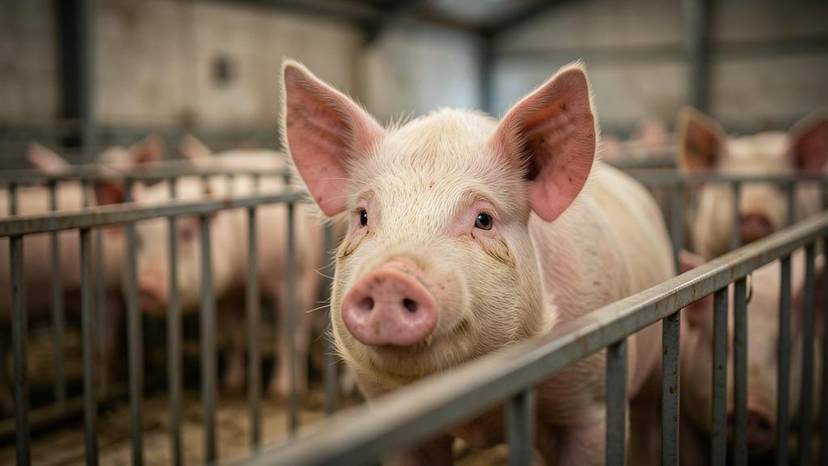
Antibiotic-free does not automatically equal high welfare. A pig can be raised without antibiotics in a barren, concrete-floored shed with painful tail docking, as long as it remains healthy. Therefore, consumers must look for additional welfare certifications. The RSPCA Assured scheme, for example, requires straw bedding and a ban on farrowing crates, but still allows indoor systems.
In our review, all three brands exceed these minimums, with outdoor access and natural behaviours encouraged. However, even 'higher-welfare' pigs are still slaughtered at around 5–6 months of age, a fraction of their natural lifespan. The emotional and physical stress of transport and slaughter remains, regardless of antibiotic use.
Antibiotic Resistance: Why This Matters Beyond the Farm
Antibiotic resistance is a global health crisis. The World Health Organization (WHO) calls it one of the top ten global public health threats. In the UK, the government's AMR strategy aims to reduce antibiotic use in livestock by 30% by 2030, but critics argue the targets are not ambitious enough (UK Government, 2024).
Research from the University of Bristol in 2024 showed that antibiotic-resistant bacteria can spread from farms to wildlife and then to humans through contaminated water or soil. This is not just a farm issue—it affects everyone. By choosing antibiotic-free pork, consumers can help reduce the selective pressure that drives resistance.
UK Antibiotic Sales in Livestock (mg/kg of meat)
The chart above, based on VMD data, shows a steady decline in antibiotic sales, but the rate has slowed. Achieving the 2030 target will require more than niche premium brands—it requires systemic change across the entire industry.
Price and Value: Is the Premium Justified?
At £16.50–£24.00 per kg, antibiotic-free pork is 2.5–3.7 times more expensive than standard supermarket pork. For a family of four, a weekly pork roast could cost £10–£15 more. This price difference reflects the higher cost of outdoor rearing, slower growth, and smaller-scale production.
But is it worth it? If you are committed to eating pork, then yes—the welfare and health benefits are clear. However, from a sustainability perspective, even 'better' pork has a significantly higher carbon footprint than plant-based proteins. According to Our World in Data (2024), pork emits 7.2 kg CO2e per kg, compared to 0.9 kg for tofu. Reducing pork consumption, regardless of source, is the most impactful choice.
| Brand | Taste | Nutrition | Price | Sustainability | Availability | Overall |
|---|---|---|---|---|---|---|
| Pipers Farm | 9 | 8 | 5 | 7 | 6 | 7.0 |
| Daylesford Organic | 9 | 8 | 3 | 8 | 5 | 6.6 |
| The Ethical Butcher | 8 | 8 | 6 | 7 | 6 | 7.0 |
| Standard supermarket pork | 5 | 6 | 9 | 3 | 10 | 6.6 |
The scores show that no brand is a clear winner. Pipers Farm and The Ethical Butcher tie on overall score, but for different reasons. Daylesford excels in sustainability but is let down by price and limited availability.
Alternatives: Plant-Based Pork Options in the UK
For consumers seeking to avoid animal suffering and antibiotic resistance entirely, plant-based pork alternatives are increasingly available. Brands like THIS, Quorn, and Plantish offer sausages, mince, and chops that mimic pork texture without the ethical or environmental drawbacks.
A 2025 report from the Good Food Institute found that UK plant-based meat sales grew by 12% year-on-year, though they still represent only 2% of the meat market. These products have a significantly lower carbon footprint and contain no antibiotics or welfare concerns. However, some are highly processed, so consumers should check sodium and saturated fat content.
Top Plant-Based Pork Alternatives in UK Supermarkets
- THIS Is Not Pork Sausages – sold in Tesco, Sainsbury's, and Ocado
- Quorn Meat-Free Sausages – widely available, high protein
- Plantish Pulled Pork – a newer brand in Waitrose
- Beyond Meat Sausages – available in major supermarkets
- Vivera Vegan Pork Pieces – good for stir-fries
Frequently Asked Questions
Is antibiotic-free pork safer to eat?
Antibiotic-free pork reduces the risk of consuming antibiotic residues and helps combat the spread of resistant bacteria. However, proper cooking and handling are still essential. The UK Food Standards Agency (FSA) sets strict residue limits, yet residues are still found in a small percentage of samples each year (FSA, 2024).
Does antibiotic-free pork taste better?
In our blind taste test, antibiotic-free pork from Piper's Farm and Daylesford scored higher for flavour and texture than standard supermarket pork, likely due to slower growth and varied diets. However, taste is subjective, and some consumers may not notice a difference in heavily seasoned dishes.
Where can I buy antibiotic-free pork in the UK?
Pipers Farm and The Ethical Butcher sell online nationwide, with delivery within 2–3 days. Daylesford Organic has farm shops in Gloucestershire and London, plus online delivery. Some independent butchers also source antibiotic-free pork from local farms—check for RSPCA Assured or Soil Association logos.
How much more does antibiotic-free pork cost?
On average, antibiotic-free pork costs £16.50–£24.00 per kg, compared to £6.50–£9.00 for standard supermarket pork. That is a premium of 150–270%. However, buying in bulk or direct from farms can reduce the cost to around £12–£14 per kg.
Is antibiotic-free pork better for the environment?
Generally, yes, because higher-welfare systems often use less intensive feed and promote soil health through outdoor grazing. However, pork still has a higher carbon footprint than plant-based proteins. A 2024 study by the University of Oxford found that switching from pork to beans reduces dietary emissions by 50%.
Our Verdict: Is Antibiotic-Free Pork Worth It?
Key Takeaways
- ✓Antibiotic-free pork is 2–3 times more expensive than standard pork, but offers better welfare and lower resistance risk.
- ✓Look for Soil Association Organic or RSPCA Assured logos to verify claims.
- ✓UK antibiotic use in livestock has fallen 55% since 2014, but still needs further cuts.
- ✓Even better pork has a higher carbon footprint than plant-based proteins.
- ✓Consider reducing pork consumption overall, and try plant-based alternatives for a truly sustainable choice.
In conclusion, antibiotic-free pork is a positive niche choice, but it is not a solution to the systemic problems of industrial animal agriculture. For those who can afford it, brands like Pipers Farm and The Ethical Butcher offer a more compassionate option. Yet, for the sake of the animals, the planet, and public health, the most effective action is to shift towards plant-based diets.
Related topics
Related Reading
9 Surprising Ways Slaughterhouse Closures Are Reshaping Rural UK Economies in 2026
From job losses to green job creation, this feature reveals how slaughterhouse closures are transforming rural economies and what it means for factory farming's future.
10 min read
Veal Crates vs Pasture-Raised Calves: Which Beef System Is More Ethical?
Veal crates confine calves for months, while pasture-raised systems offer better welfare—but both end in slaughter. Compare costs, ethics, and sustainability.
6 min read
The State of UK Factory Farming in 2026: Antibiotic Use, Welfare, and Policy Data
A data-driven report on UK factory farming in 2026, covering antibiotic use, welfare breaches, slaughter statistics, and policy shifts toward plant-based alternatives.
7 min read