The Complete Guide to Factory Farming Pollution: How Industrial Agriculture Degrades UK Air, Water, and Soil
Explore the hidden environmental costs of industrial animal agriculture in the UK, from ammonia emissions to antibiotic resistance, and discover actionable solutions for a sustainable food system.
Short answer: Factory farming pollution is the environmental contamination caused by intensive animal agriculture, including ammonia emissions, nitrate runoff, and antibiotic residues. In the UK, it degrades air quality, pollutes waterways, and contributes to antibiotic resistance, affecting both ecosystems and public health. Transitioning to plant-based food systems and stricter regulations are key solutions.
What Is Factory Farming Pollution?
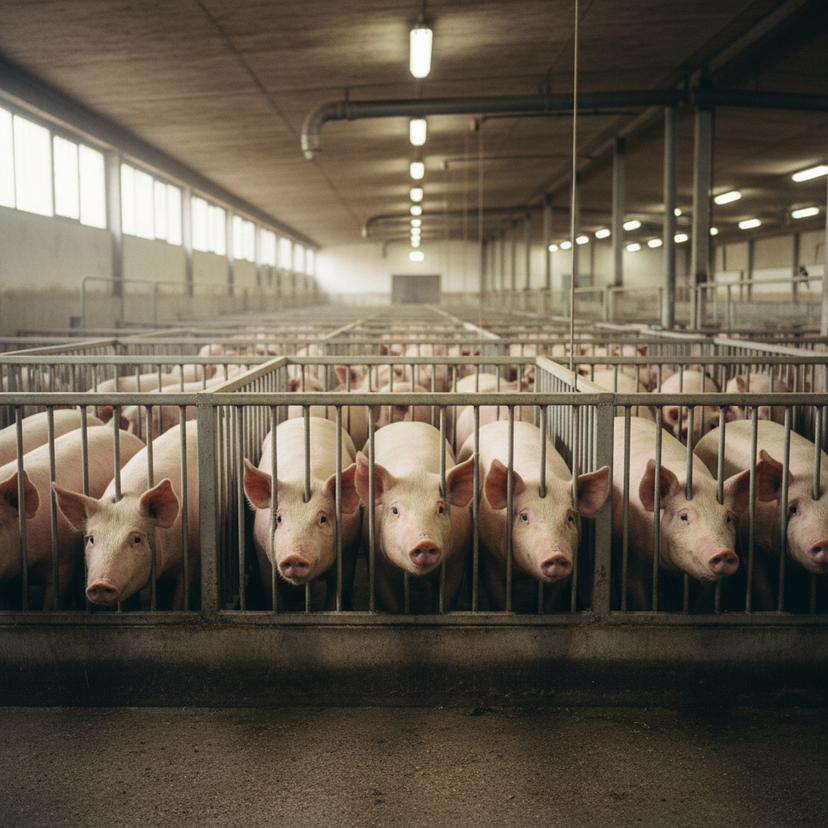
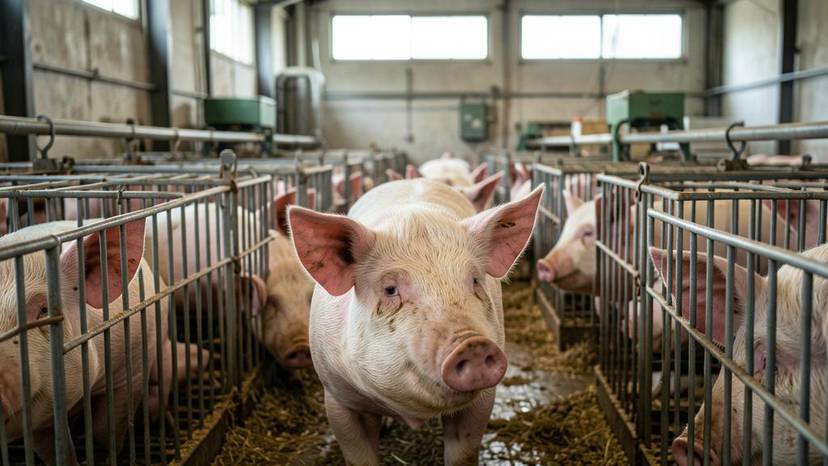
Factory farming, also known as intensive animal agriculture, is a system where large numbers of animals—such as pigs, chickens, and cattle—are confined in high-density facilities. Pollution arises from the massive volumes of manure, urine, and other waste generated in these operations, which often exceed the local land's capacity to absorb them naturally.
In the UK, the Environment Agency (EA) regulates this sector, but loopholes and underfunding mean many farms operate with inadequate waste management. A 2024 report by the EA found that only 30% of intensive farms met all compliance standards for pollution prevention, leaving the environment vulnerable to contamination.
Why Does Factory Farming Pollution Matter for UK Air Quality?
Ammonia (NH3) is a pungent gas released from livestock manure and urine. In the UK, ammonia emissions have not declined significantly since 2010, despite government targets. The gas combines with other pollutants to form fine particulate matter (PM2.5), which penetrates deep into lungs and is linked to cardiovascular and respiratory diseases.
A 2023 study from the University of York estimated that ammonia from agriculture contributes to over 4,000 premature deaths annually in the UK. This places factory farming pollution on par with urban traffic emissions, yet it receives far less regulatory attention.
“The public often associates air pollution with cars and factories, but ammonia from livestock farming is a silent killer. We need urgent policy intervention to curb emissions at the source.”
How Ammonia Emissions Affect Ecosystems
Once deposited, ammonia enriches soils and water with nitrogen, causing eutrophication—an overgrowth of algae that depletes oxygen and kills aquatic life. The UK's protected sites, such as the New Forest and the Norfolk Broads, are particularly at risk, with over 80% of these areas exceeding critical nitrogen loads, as reported by Natural England (2023).
UK Ammonia Emissions by Source (2024)
How Does Factory Farming Pollute UK Waterways?
Manure spread on fields as fertiliser often exceeds crop needs, leading to nitrate and phosphate runoff into rivers and groundwater. The UK's rivers are among the most polluted in Europe, with only 14% achieving 'Good' ecological status under the Water Framework Directive, according to the Environment Agency (2024).
This pollution creates dead zones where aquatic life suffocates, and it makes water treatment expensive. Anglian Water reported spending £90 million annually on nitrate removal, costs that ultimately fall on consumers' bills.
| Pollutant | Source | Impact | UK Regulatory Limit |
|---|---|---|---|
| Nitrates | Manure and fertiliser | Eutrophication, algal blooms, drinking water contamination | 50 mg/L (drinking water) |
| Phosphates | Manure | Algal blooms, oxygen depletion | 0.1 mg/L (rivers) |
| Pathogens (E. coli) | Manure runoff | Beach closures, shellfish contamination | 0 cfu/100ml (bathing waters) |
| Antibiotics | Livestock excretion | Antimicrobial resistance in environment | No limit set |
| Ammonia | Manure volatilisation | Air pollution, nitrogen deposition | No limit set |
The Role of Slurry Lagoons in Contamination
Slurry lagoons—open pits storing liquid manure—are prone to overflow during heavy rains. In 2023, a storm in Herefordshire caused a lagoon spill that killed over 10,000 fish in the River Wye. The EA fined the farm £45,000, but environmental groups argue penalties are too low to deter future incidents.
What Is the Link Between Factory Farming and Antibiotic Resistance?
Factory farms use antibiotics not only to treat disease but also to promote growth and prevent infections in crowded, unsanitary conditions. This overuse selects for resistant bacteria, which can spread to humans through meat consumption, direct contact, and environmental contamination.
According to the UK's Veterinary Medicines Directorate (2024), 32% of antibiotics sold for livestock are classified as 'highest priority critically important' for human medicine. The rise of antimicrobial resistance (AMR) is a global health emergency, with an estimated 10 million annual deaths projected by 2050 (Review on AMR, 2016).
How Antibiotic Residues Enter the Environment
Up to 75% of antibiotics given to animals are excreted unchanged in urine and faeces. When manure is applied to land, these residues leach into soil and water, promoting resistance in environmental bacteria. This creates a reservoir of resistance genes that can be transferred to human pathogens, undermining modern medicine.
What Are the Hidden Costs of Factory Farming for Soil Health?
Intensive manure application overloads soils with nutrients, leading to nutrient imbalances and soil acidification. Over time, this degrades soil structure, reduces organic matter, and impairs its ability to retain water—exacerbating flood and drought risks. The UK's Soil Health Action Plan (2023) identifies agriculture as a major driver of soil degradation.
Furthermore, the production of animal feed, particularly soy, drives deforestation and soil loss in exporting countries like Brazil. The UK imports 3.4 million tonnes of soy annually, most of which is fed to livestock (WWF, 2024), linking UK factory farming to global land-use change.
What Are the UK Regulations on Factory Farming Pollution?
Key regulations include the Environmental Permitting Regulations (2016), which require intensive poultry and pig farms to obtain permits, and the Farming Rules for Water (2018), which mandate that manure application does not cause pollution. However, enforcement is weak; a 2024 Freedom of Information request revealed that the EA conducted only 1,200 farm inspections in 2023, down 40% from 2020.
The Agriculture Act 2020 introduced 'public money for public goods,' but its Environmental Land Management schemes have been slow to reward farmers for pollution reduction. Critics argue that the UK lags behind the EU's Farm to Fork Strategy, which sets binding targets to cut nutrient losses and pesticide use by 50% by 2030.
Steps to Strengthen UK Regulation of Factory Farming Pollution
- Enforce mandatory ammonia reduction targets, with penalties for non-compliance.
- Require all intensive farms to install covered slurry storage to prevent runoff.
- Expand monitoring of antibiotics in water bodies and set environmental limits.
- Increase EA funding to restore inspection frequency and capacity.
- Promote plant-based crop rotations to reduce reliance on manure and synthetic fertilisers.
What Are the Sustainable Alternatives to Factory Farming?
Transitioning to plant-based agriculture can significantly reduce pollution. A 2023 Oxford University study found that shifting to plant-based diets in the UK could cut agricultural ammonia emissions by 68% and nitrate leaching by 46%, while freeing up land for rewilding and carbon sequestration.
Regenerative farming practices—such as agroforestry, cover cropping, and holistic grazing—can also mitigate pollution, but they cannot match the efficiency of plant-based systems in feeding a growing population sustainably. The UK's National Food Strategy (2021) recommends a 30% reduction in meat consumption by 2032 to meet climate and environmental targets.
How to Reduce Your Impact on Factory Farming Pollution
- ✓Choose plant-based proteins like lentils, beans, and tofu over meat and dairy.
- ✓Support brands that source ingredients from certified sustainable, deforestation-free supply chains.
- ✓Advocate for stronger pollution regulations by voting and contacting your MP.
- ✓Reduce food waste by planning meals and buying only what you need.
- ✓Educate others about the environmental costs of industrial animal agriculture.
Frequently Asked Questions
What is the biggest source of factory farming pollution?
Manure is the primary source, releasing ammonia into the air and nitrates into water. In the UK, cattle farming contributes the most ammonia (45%), followed by poultry (25%) and pigs (15%), according to Defra (2024). Proper manure management and reducing livestock numbers are essential to curbing this pollution.
How does factory farming affect climate change?
Factory farming emits significant greenhouse gases, including methane from enteric fermentation and nitrous oxide from manure. Globally, livestock account for 14.5% of all anthropogenic emissions (FAO, 2023). In the UK, agriculture contributes 10% of national emissions, with beef and dairy being the largest contributors.
What are the health risks of factory farming pollution?
Airborne ammonia and PM2.5 from farms exacerbate respiratory conditions like asthma and bronchitis. Water contamination with nitrates can cause methemoglobinemia ('blue baby syndrome') in infants. Additionally, antibiotic residues in the environment contribute to antimicrobial resistance, making infections harder to treat.
Can factory farming pollution be reversed?
Yes, but it requires systemic change. Reducing animal populations, implementing best-practice manure management, and transitioning to plant-based agriculture can restore ecosystems over time. The UK's river restoration projects, such as those on the River Wye, show that with targeted action, water quality can improve within a decade.
How can I check if my local river is polluted by factory farming?
Use the Environment Agency's 'Check for flooding' and water quality monitoring tools, or consult the River Trust's 'My River' portal. Local citizen science groups, like the Wye and Usk Foundation, also publish data on phosphate levels. If you suspect pollution, report it to the EA's 24-hour incident hotline.
What is the UK doing to reduce factory farming pollution?
The UK has legally binding targets to reduce ammonia emissions by 8% by 2020 and 16% by 2030 (2015 baseline), but it missed the 2020 target. The 2023 Environmental Improvement Plan includes measures to promote low-emission farming techniques, yet NGOs argue funding and enforcement are insufficient to meet 2030 goals.
What Can You Do to Combat Factory Farming Pollution?
Individual actions matter, but collective pressure on policymakers is crucial. Support organisations like Compassion in World Farming and Sustain that lobby for stronger regulations. Attend local council meetings to raise concerns about farm permits in your area. And, most importantly, shift your diet towards plant-based meals—every meal counts.
Supporting Organisations and Resources
Key Organisations Fighting Factory Farming Pollution
- Compassion in World Farming - campaigns for higher welfare and lower-impact farming.
- Sustain: The Alliance for Better Food and Farming - advocates for sustainable food policies.
- River Action - holds polluters accountable and restores rivers.
- Feedback - campaigns against food waste and for a regenerative food system.
- The Vegan Society - promotes plant-based living and provides resources.
These organisations offer reports, volunteer opportunities, and ways to donate. By supporting them, you help amplify the call for systemic change. Remember, the future of our air, water, and soil depends on the choices we make today.
Related topics
Related Reading
9 Surprising Ways Slaughterhouse Closures Are Reshaping Rural UK Economies in 2026
From job losses to green job creation, this feature reveals how slaughterhouse closures are transforming rural economies and what it means for factory farming's future.
10 min read
Veal Crates vs Pasture-Raised Calves: Which Beef System Is More Ethical?
Veal crates confine calves for months, while pasture-raised systems offer better welfare—but both end in slaughter. Compare costs, ethics, and sustainability.
6 min read
The State of UK Factory Farming in 2026: Antibiotic Use, Welfare, and Policy Data
A data-driven report on UK factory farming in 2026, covering antibiotic use, welfare breaches, slaughter statistics, and policy shifts toward plant-based alternatives.
7 min read