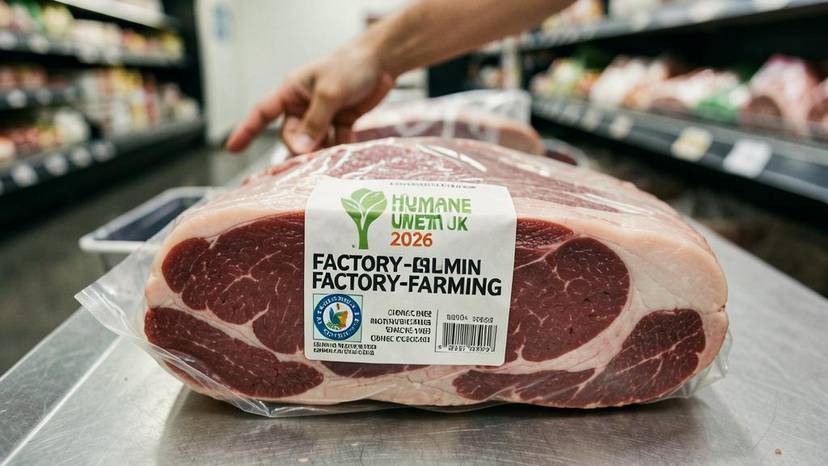
5 Myths About Live Exports From the UK, Debunked
Uncover the harsh realities and common misconceptions surrounding the UK's live animal export trade, exposing the truth behind this controversial practice.
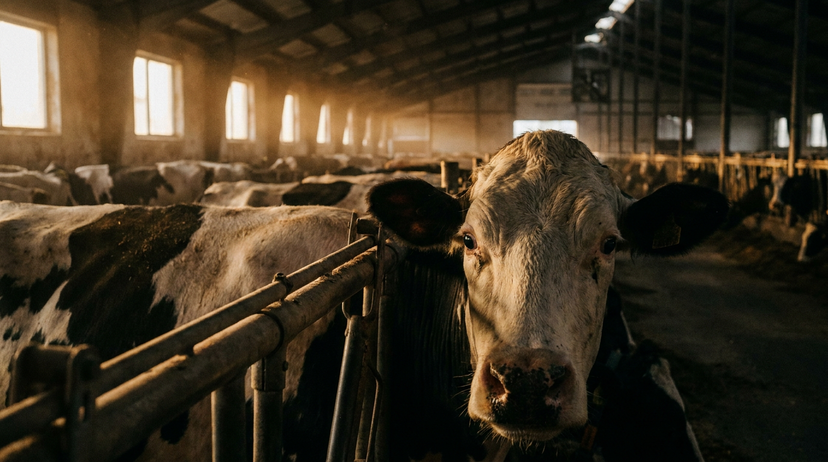
Short answer: The UK's live animal export trade continues to spark intense debate, with many misconceptions clouding the public's understanding of its scale, practices, and impact. Despite significant public opposition and scientific evidence of animal suffering, animals, primarily lambs and calves, are still transported long distances from the UK to continental Europe for fattening and slaughter, often under conditions that compromise their welfare and contribute to unsustainable food systems.
For decades, animal welfare organisations have campaigned against the practice of live animal exports from the UK. These journeys, often spanning hundreds or thousands of miles, subject sentient beings to extreme stress, injury, and even death. While the UK government has expressed intentions to ban the trade, loopholes and political inertia mean animals continue to endure these arduous journeys. This article aims to dismantle common myths surrounding this contentious issue, providing evidence-based insights into the realities faced by exported animals and the broader implications for animal rights and sustainable living.
Myth: Live Exports From the UK Have Ended
Fact: Despite widespread public perception and government promises, live animal exports from the UK have not entirely ended. While the Animal Welfare (Livestock Exports) Bill aims to ban the export of cattle, sheep, goats, pigs, and horses for fattening and slaughter, its legislative journey has been protracted. In the interim, and even after its passage, certain movements, such as those for breeding purposes, may continue, albeit under strict conditions. Campaigns from organisations like Compassion in World Farming (CIWF) highlight that the ban must be comprehensive and rigorously enforced to truly end the suffering.
The Current Legislative Landscape
The UK government introduced the Animal Welfare (Livestock Exports) Bill in December 2023, intending to deliver on a 2019 manifesto commitment. However, the bill primarily focuses on exports for fattening and slaughter, leaving potential pathways for other types of live animal movements. Campaigners argue that any exceptions could be exploited, undermining the core objective of preventing suffering during long-distance transport. The legislative process for this bill is ongoing and subject to parliamentary approval.
Myth: UK Live Export Regulations Ensure Animal Welfare
Fact: While the UK and EU have regulations in place regarding animal transport, their enforcement and effectiveness in preventing suffering are highly questionable. Regulations like EU Council Regulation (EC) No 1/2005 stipulate requirements for journey times, resting periods, space allowances, and access to food and water. However, numerous investigations by animal welfare groups consistently reveal widespread non-compliance, leading to animals enduring cramped conditions, extreme temperatures, dehydration, injury, and profound psychological distress.
Common Violations in Live Animal Transport
- Overcrowding in vehicles, leading to restricted movement and injuries.
- Insufficient or contaminated water and food during long journeys.
- Lack of adequate ventilation, causing heat stress or cold exposure.
- Inadequate rest stops, prolonging suffering and fatigue.
- Unsuitable vehicles for the species or weather conditions.
- Failure to adhere to maximum journey times, especially for young animals.
These conditions are particularly harrowing for young, unweaned animals, such as calves and lambs, who are often transported before they are robust enough to withstand such journeys. Their immune systems are still developing, making them highly susceptible to illness and stress-related disorders.
Myth: Live Exports Are Economically Essential for UK Farmers
Fact: The economic necessity of live animal exports for UK farmers is often overstated. While a small segment of the agricultural industry may benefit, the overall economic impact on the UK's meat and dairy sectors is marginal. The argument frequently put forward by proponents of live exports is that it provides a vital market for certain animals, particularly lambs from the south-east of England and unweaned calves from dairy farms, preventing price drops and ensuring farmer livelihoods. However, alternatives exist that could support farmers while eliminating the cruel practice.
| Factor | Live Exports (Annual) | Carcass Trade (Annual) | Impact on UK Farmers |
|---|---|---|---|
| Total Value | £5-10 million | £2-3 billion | Minor direct revenue from live exports |
| Animal Numbers (Lambs) | Approx. 50,000-70,000 | Approx. 12-14 million | Live exports represent <1% of total lamb trade |
| Job Creation | Minimal | Significant in processing, logistics | Slaughter and processing creates more domestic jobs |
| Veterinary Costs | Borne by transporters/importers | Included in domestic processing | Potential for reduced export-related vet checks |
| Market Stability | Marginal impact on overall prices | Primary driver of price stability | Domestic processing offers more stable market access |
Promoting a domestic carcass trade, where animals are slaughtered in the UK and their meat is then exported, would create jobs within the UK processing sector, reduce environmental impact from transportation, and entirely eliminate the welfare concerns associated with long-distance live journeys. Investment in UK-based abattoirs and processing facilities, particularly smaller, local ones, could provide robust alternatives.
Myth: Animals Don't Suffer Significantly During Transport
Fact: Extensive scientific research and eyewitness accounts unequivocally demonstrate that animals suffer significantly during live transport. The journey itself, from loading to unloading, is inherently stressful for sentient beings. Animals are exposed to unfamiliar environments, loud noises, vibrations, cramped conditions, and the absence of their social groups. These factors can lead to panic, aggression, dehydration, hunger, exhaustion, and injuries.
Observed Welfare Issues in Live Animal Transport (UK-EU Routes)
“The psychological and physiological toll of long-distance transport on animals is immense. They are sentient beings who experience fear, pain, and discomfort, and current regulations often fail to adequately protect them from these harms.”
Young animals, such as unweaned calves, are particularly vulnerable. They may be separated from their mothers at a very young age and then subjected to journeys that deprive them of essential milk and maternal comfort. This can result in severe dehydration, hypothermia, and a heightened susceptibility to disease, with documented cases of animals arriving at their destination already dead or dying.
Myth: UK Live Exports Only Go to Nearby EU Countries
Fact: While many live exports from the UK historically went to nearby EU countries like France, Belgium, and the Netherlands, these are often just transit points. From these initial destinations, animals, particularly calves and sheep, can be moved to other EU member states, and beyond, to countries in North Africa or the Middle East. These extended journeys can span several days, crossing multiple borders, and exposing animals to even more extreme conditions and less stringent welfare oversight.
The complex network of live animal trade routes means that an animal loaded onto a lorry in Dover could end up in a fattening farm in Spain or a slaughterhouse in Libya, enduring conditions that are difficult to monitor or regulate effectively. The longer the journey, the higher the risk of welfare breaches, illness, and mortality. This globalised trade underscores the need for comprehensive bans that prevent any animals from leaving UK shores for fattening or slaughter elsewhere, irrespective of the initial destination.
Frequently Asked Questions
What is the Animal Welfare (Livestock Exports) Bill?
The Animal Welfare (Livestock Exports) Bill is proposed UK legislation aimed at banning the export of certain live animals (cattle, sheep, goats, pigs, and horses) from Great Britain for fattening and slaughter. Introduced in December 2023, it seeks to fulfil a Conservative Party manifesto pledge and improve animal welfare by ending long, stressful journeys for these animals. The bill is currently progressing through Parliament.
Why do farmers engage in live animal exports?
Farmers engage in live animal exports primarily for economic reasons, seeking the best price for their animals. For some, particularly those with specific breeds or surplus animals like unweaned dairy calves, exporting can offer better returns or provide a market where domestic options are limited. However, as discussed, the overall economic benefit to the UK agricultural sector is often marginal compared to the broader meat and dairy industry.
What are the environmental impacts of live exports?
The environmental impacts of live exports include increased carbon emissions from long-distance transport by road and sea, particularly when animals are moved across continents. There's also the impact of waste management from transport vehicles and the broader emissions footprint associated with the industrial animal agriculture system that live exports support. Promoting local slaughter and carcass trade would significantly reduce these transport-related emissions.
How can consumers help end live exports?
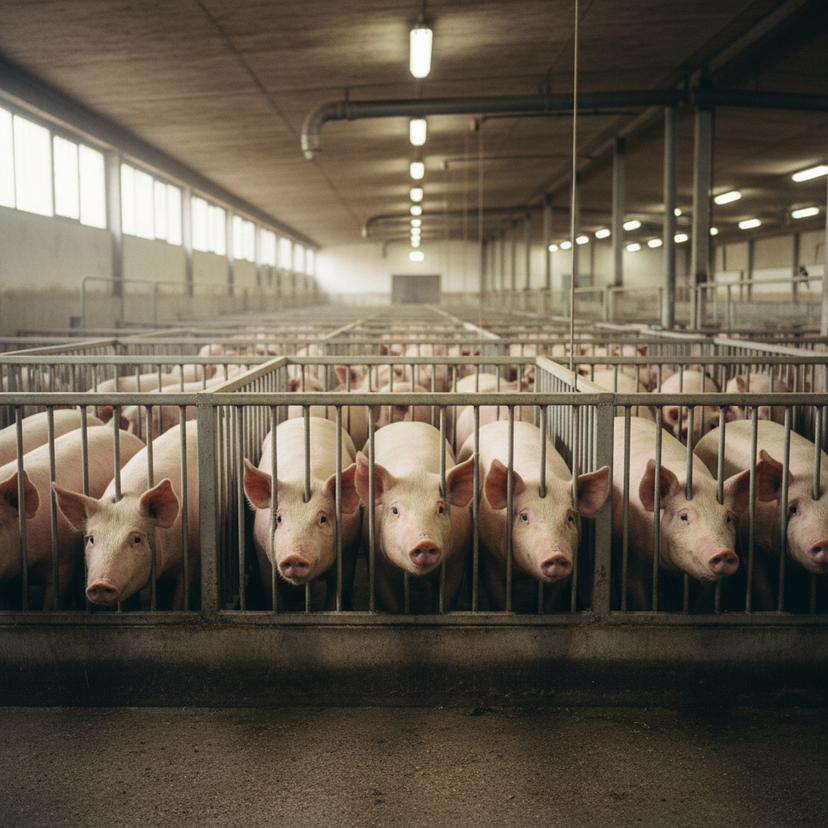
Consumers can help end live exports by reducing or eliminating their consumption of animal products, particularly those from industrial farming. Supporting plant-based diets and advocating for strong animal welfare legislation are powerful actions. Additionally, engaging with campaigns from organisations like the RSPCA, CIWF, and the League Against Cruel Sports can amplify calls for a comprehensive and enforceable ban.
Summary of Key Takeaways
- Live animal exports from the UK are ongoing, not fully banned.
- Existing welfare regulations are often inadequate and poorly enforced.
- The economic benefits to farmers are marginal; better alternatives exist.
- Animals suffer significantly from stress, injury, and disease during transport.
- Exported animals can endure journeys far beyond initial EU destinations.
- Consumer choices and advocacy are vital for ending this cruel trade.
Citations
- Compassion in World Farming (CIWF). (2024). End Live Exports. Retrieved from [CIWF website, e.g., ciwf.org.uk]
- Eurostat. (2023). Live Animal Trade Statistics. Retrieved from [Eurostat database, e.g., ec.europa.eu/eurostat]
- RSPCA. (2023). The Case Against Live Exports. Retrieved from [RSPCA website, e.g., rspca.org.uk]
- The Royal Society for the Prevention of Cruelty to Animals (RSPCA). (2024). Stop live animal exports. Retrieved from [RSPCA website, e.g., rspca.org.uk/getinvolved/campaign/farm/liveexports]
- UK Parliament. (2023). Animal Welfare (Livestock Exports) Bill. Retrieved from [UK Parliament website, e.g., parliament.uk]
- Veterinary Record. (2022). Welfare of livestock during long-distance transport. [Specific journal article, e.g., 191(7), 282-283].
Related Reading
9 Surprising Ways Slaughterhouse Closures Are Reshaping Rural UK Economies in 2026
From job losses to green job creation, this feature reveals how slaughterhouse closures are transforming rural economies and what it means for factory farming's future.
10 min read
Veal Crates vs Pasture-Raised Calves: Which Beef System Is More Ethical?
Veal crates confine calves for months, while pasture-raised systems offer better welfare—but both end in slaughter. Compare costs, ethics, and sustainability.
6 min read
The State of UK Factory Farming in 2026: Antibiotic Use, Welfare, and Policy Data
A data-driven report on UK factory farming in 2026, covering antibiotic use, welfare breaches, slaughter statistics, and policy shifts toward plant-based alternatives.
7 min read