Authors
Authors
VegEco publishes plant-based living, animal welfare, climate and sustainability journalism in 33 languages.
- 13
- Contributors
- 52
- Stories filed
- 10
- Datelines
Eleanor Whitfield
London, UK11 storiesEleanor Hartley
London, UK11 storiesDr. Eleanor Vance
Sydney, AU11 storiesEleanor Vance
Bristol, GB10 storiesElena Hartley
London, UK1 storiesSarah Whitfield
Norwich, UK1 storiesMarta Silva
Lisbon, PT1 storiesJames Whittaker
Somerset, UK1 storiesEleanor Whitmore
Leeds, GB1 storiesHannah Mercer
Manchester, GB1 storiesMaya Ellison
Bristol, GB1 storiesMaya Singh
Bristol, UK1 storiesElara Vance
Los Angeles, USA1 storiesHow we report
The standards every contributor works to, whichever desk or language edition they file for.
Animals first
Every story names what happens to the animals involved — no euphemisms, no industry framing.
Sourced claims
Figures come from peer-reviewed research, IPCC and FAO datasets, or named investigations.
Editorially independent
No affiliate links, no sponsored placements, no advertiser influence on coverage.
Written natively
Each language edition is written in that language — never machine-translated from English.
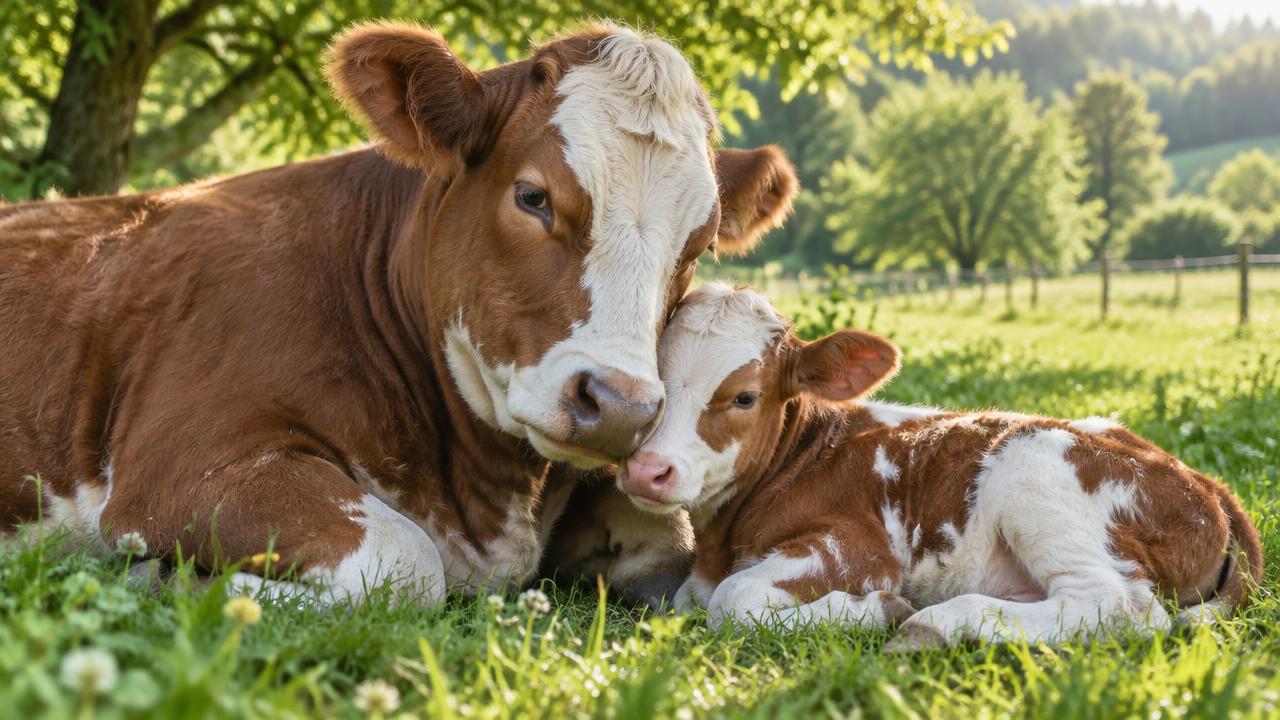
VegEco is produced by a distributed editorial team organised by desk and by language edition. This page lists everyone with published work in this edition, how much they have written and which subjects they concentrate on, so you can judge a piece by the record behind it rather than by a byline alone.
We publish under real, consistent bylines because accountability matters in a field crowded with anonymous advocacy content. If a writer gets something wrong, the correction appears on their page as well as on the article.
How our desks are staffed
Each desk — food and nutrition, farmed animals, wildlife, climate and land, sustainable living, policy and culture — has writers who cover it continuously rather than rotating through subjects. That is what makes it possible to notice when a widely repeated statistic traces back to a single unreplicated study, or when a welfare regulation is weaker in practice than in its press release.
Independence and funding
VegEco does not accept payment for coverage, and no brand, producer or advocacy organisation has any say over what we publish or how it is framed. Buying guides are brand-neutral and describe what to check on a label rather than issuing rankings. Where a writer has a relevant affiliation, it is disclosed on their page.
Corrections and standards
Factual claims are attributed to a primary source wherever one exists — a peer-reviewed paper, an official dataset, a regulatory text, or first-hand reporting. We do not invent statistics, testimonials or certifications. When we get something wrong we correct the article in place, note the change, and leave the URL untouched so existing citations keep resolving.
Desks and the expertise behind them
Food & nutrition
- Focus
- Diets, nutrients, cooking, food industry
- Typical sources
- Clinical trials, dietary guidelines
Farmed animals
- Focus
- Welfare, production systems, law
- Typical sources
- Regulations, inspection data, field reporting
Wildlife
- Focus
- Habitat, biodiversity, human–animal conflict
- Typical sources
- Ecological surveys, conservation bodies
Climate & land
- Focus
- Emissions, land use, water
- Typical sources
- Life-cycle assessments, national inventories
Sustainable living
- Focus
- Household choices, materials, waste
- Typical sources
- Standards bodies, product documentation
FAQ
- Are VegEco articles written by AI?
- Our editorial pipeline uses automation for drafting and for producing illustrations, under human editorial direction, sourcing rules and review. Bylines identify the desk and writer accountable for the piece, and factual claims are held to the same sourcing standard regardless of how a draft began.
- Can I pitch or contribute?
- Yes. Use the contact route on the About page and say which desk and edition your work fits. We are particularly interested in reporting from regions our current editions cover thinly.
- How do I report an error?
- Contact us with the article URL and the specific claim. Verified errors are corrected in place with a note; the original URL never changes.
- Do writers cover more than one language edition?
- Occasionally, but each edition is written natively rather than translated, so most writers publish in a single language for readers in that language's regions.