Veal Crates vs Pasture-Raised Calves: Which Beef System Is More Ethical?
Veal crates confine calves for months, while pasture-raised systems offer better welfare—but both end in slaughter. Compare costs, ethics, and sustainability.
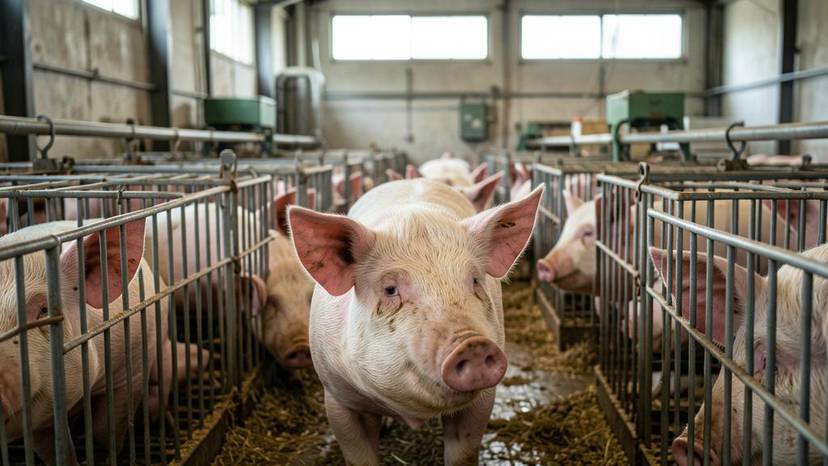
Short answer: Veal crates are tightly confined wooden or metal stalls that immobilise calves for up to 20 weeks, causing severe physical and psychological distress. Pasture-raised veal systems allow movement and social contact, but both systems end in premature slaughter. Ethical comparison favours pasture-raised on welfare, but neither matches the moral clarity of plant-based alternatives.
What Is Veal and How Does Veal Crate Farming Work?
Veal is the meat of young calves, typically dairy-bred males that are surplus to the dairy industry. In conventional veal crate systems, calves are placed in individual stalls measuring roughly 70 cm wide—so narrow they cannot turn around or groom themselves. They are tethered by the neck to restrict movement further, and fed a liquid diet deficient in iron to keep their flesh pale.
The crates were designed to prevent muscle development, ensuring tender, pale meat prized by some chefs. Calves remain in these crates for 14 to 20 weeks before slaughter. The practice has been banned across the European Union since 2007, but it persists in parts of the United States, Canada, and Australia, where regulations are weaker or inconsistently enforced.
What Is Pasture-Raised Veal and How Does It Differ?
Pasture-raised veal, sometimes labelled 'rose veal' or 'humanely raised', comes from calves that are allowed to graze outdoors, suckle their mothers for at least the first weeks, and move freely. They are typically slaughtered at 6 to 12 months—older than crate-raised calves—resulting in darker, more flavourful meat.
The term 'pasture-raised' is not legally regulated in many jurisdictions. In the UK, the RSPCA Assured scheme sets welfare standards, but it still permits early separation from the mother and slaughter at a fraction of the natural lifespan. Even the best pasture-based systems cannot replicate the natural life of a calf, which would be several years.
Veal Crate vs Pasture-Raised: Full Comparison Table
| Attribute | Veal Crate | Pasture-Raised |
|---|---|---|
| Space per calf | 0.7 m² (crate) | 1+ hectare per herd |
| Movement freedom | None – tethered | Free range |
| Social contact | Isolated | Group grazing |
| Age at slaughter | 14–20 weeks | 6–12 months |
| Iron in diet | Restricted | Natural forage |
| Painful procedures | Debudding, castration | Debudding, castration |
| Carbon footprint (kg CO₂e per kg meat) | 22.0 | 28.5 |
| Price (UK, £ per kg) | £25–35 | £30–45 |
Is Veal Crate Farming Legal in the UK and EU in 2026?
Veal crates have been prohibited in the European Union since 2007 under Council Directive 2008/119/EC, which mandates group housing and access to fibrous feed. The UK retained this ban post-Brexit under the Welfare of Farmed Animals (England) Regulations 2007. However, veal crates remain legal in many US states, Canada, and Australia, though some countries like New Zealand have imposed bans.
Despite the ban, enforcement varies. The UK’s Animal Welfare Act 2026 strengthens penalties for non-compliance, but undercover investigations by Animal Equality in 2024 still found crate-like systems in some UK farms, highlighting loopholes in the definition of 'crate'.
Nutritional Comparison: Veal vs Plant-Based Alternatives
Veal is high in protein, B12, and zinc, but also contains saturated fat and cholesterol. A 100g serving of cooked veal provides about 27g protein and 8g fat. Plant-based alternatives like seitan or tofu offer comparable protein with zero cholesterol and lower environmental impact.
For those seeking the texture of veal, seitan (wheat gluten) provides a chewy bite, while mushrooms and lentils offer umami. Fortified plant milks and nutritional yeast supply B12, addressing the key nutritional gap.
| Nutrient | Veal (cooked) | Seitan | Tofu |
|---|---|---|---|
| Protein (g) | 27 | 25 | 12 |
| Fat (g) | 8 | 2 | 6 |
| Saturated fat (g) | 3 | 0.3 | 1 |
| Iron (mg) | 1.2 | 1.5 | 2.7 |
| B12 (µg) | 1.5 | 0 | 0 |
| Cholesterol (mg) | 90 | 0 | 0 |
Environmental Impact: Veal Crates vs Pasture-Raised vs Plant-Based
According to the FAO (2024), cattle farming—including veal—accounts for about 14.5% of global greenhouse gas emissions. Veal crates have a lower carbon footprint per kg than pasture-raised because calves are fed grain, which is more efficient than grass, but this comes at the cost of animal welfare.
Carbon footprint of protein sources (kg CO₂e per kg of food)
Land use is also a critical factor. Pasture-raised veal requires significantly more land than crate systems, contributing to deforestation and biodiversity loss. Plant-based proteins use a fraction of the land and water, making them the clear environmental winner.
Ethical Considerations: Animal Suffering in Veal Crates vs Pasture
The core ethical problem is that both systems involve killing a calf at a young age. Veal crates inflict extreme physical deprivation; pasture-raising reduces but does not eliminate fear, pain, and distress. Calves are separated from their mothers within days, causing distress for both, and are transported to slaughter at a fraction of their natural lifespan.
“Even the most 'humane' veal system is a contradiction. You cannot raise a calf for meat without taking its life, and the emotional bond with its mother is severed long before. Consumers must ask if convenience justifies that cost.”
Animal sentience is well-documented: calves demonstrate complex social behaviour, memory, and emotional responses. The stress of confinement in crates elevates cortisol levels, weakens immune function, and leads to stereotypic behaviours like tongue-rolling. Pasture systems reduce these indicators but still culminate in premature death.
Pros and Cons: Veal Crate vs Pasture-Raised veal
Pros of veal crates
- Lower production cost per kg
- Consistent pale meat texture
- Smaller land footprint per animal
- Faster turnaround to market
Cons of veal crates
- Severe animal welfare violations
- Banned in EU and UK
- High risk of disease due to stress
- Negative consumer perception
Pros of pasture-raised veal
- Better welfare: movement, socialisation
- Higher omega-3 fatty acids
- Supports regenerative grazing practices
- Higher consumer trust
Cons of pasture-raised veal
- Higher cost per kg
- Larger land and water footprint
- Still involves early separation and slaughter
- Label not always regulated
Consumer Choices: How to Avoid Veal Cruelty in the UK
UK consumers can easily avoid veal crates by choosing plant-based options or certified organic plant proteins. If you still consume dairy, note that veal is a byproduct of the dairy industry—so reducing dairy consumption indirectly reduces the number of calves born into the veal system.
Frequently Asked Questions
Is veal crate farming banned in the UK?
Yes, veal crates have been banned in the UK since 2007 under the Welfare of Farmed Animals Regulations. The Animal Welfare Act 2026 reinforces this ban with stronger penalties. However, undercover investigations suggest some farms still use crate-like confinement, so consumers should seek certified humane labels.
What is the difference between veal and beef?
Veal comes from calves under 12 months, while beef comes from older cattle. Veal is typically more tender and paler, but the production methods often involve severe confinement. Beef cattle are raised longer, but both involve slaughter at a fraction of natural lifespan.
Is pasture-raised veal ethical?
Pasture-raised veal improves welfare compared to crates, but it still involves early separation, painful procedures, and killing a young animal. Ethically, it is a lesser evil, but not cruelty-free. Plant-based alternatives avoid these issues entirely.
How much does veal cost in the UK?
Veal prices in the UK range from £25 to £45 per kg, with pasture-raised veal at the higher end. Plant-based proteins like tofu cost around £3 per kg, making them significantly more affordable and sustainable.
Are there plant-based alternatives that taste like veal?
Yes, seitan, marinated mushrooms, and textured vegetable protein can mimic veal's texture and flavour. With the right spices and cooking methods, these alternatives offer a cruelty-free and environmentally friendly substitute for veal in recipes like osso buco or schnitzel.
Verdict: Which Is More Ethical, Veal Crates or Pasture-Raised?
Pasture-raised veal is unequivocally more ethical than veal crates, but only on a sliding scale. Both systems exploit and kill sentient beings. The only truly ethical choice is to avoid veal altogether and opt for plant-based proteins. For those transitioning, choosing pasture-raised over crate-raised reduces suffering, but the end goal should be a plant-based diet.
Key Takeaways
- Veal crates are banned in UK and EU, but still common elsewhere.
- Pasture-raised veal improves welfare but still ends in slaughter.
- Plant-based proteins are cheaper, healthier, and lower in carbon.
- Dairy consumption drives the veal industry; reducing dairy helps.
- Look for RSPCA Assured or organic labels if buying meat, but aim for plant-based.
Related topics
Related Reading
9 Surprising Ways Slaughterhouse Closures Are Reshaping Rural UK Economies in 2026
From job losses to green job creation, this feature reveals how slaughterhouse closures are transforming rural economies and what it means for factory farming's future.
10 min read
The State of UK Factory Farming in 2026: Antibiotic Use, Welfare, and Policy Data
A data-driven report on UK factory farming in 2026, covering antibiotic use, welfare breaches, slaughter statistics, and policy shifts toward plant-based alternatives.
7 min read
Who Is Really Winning the UK Alt-Protein Funding Race in 2026?
Follow the money in Britain's alternative protein market: 2026 funding data reveals which startups, investors, and sectors are winning—and what it means for animals and the planet.
8 min read