Glossary
Glossary
VegEco publishes plant-based living, animal welfare, climate and sustainability journalism in 33 languages.
- 29
- Terms defined
- 8
- Subject areas
- 33
- Editions
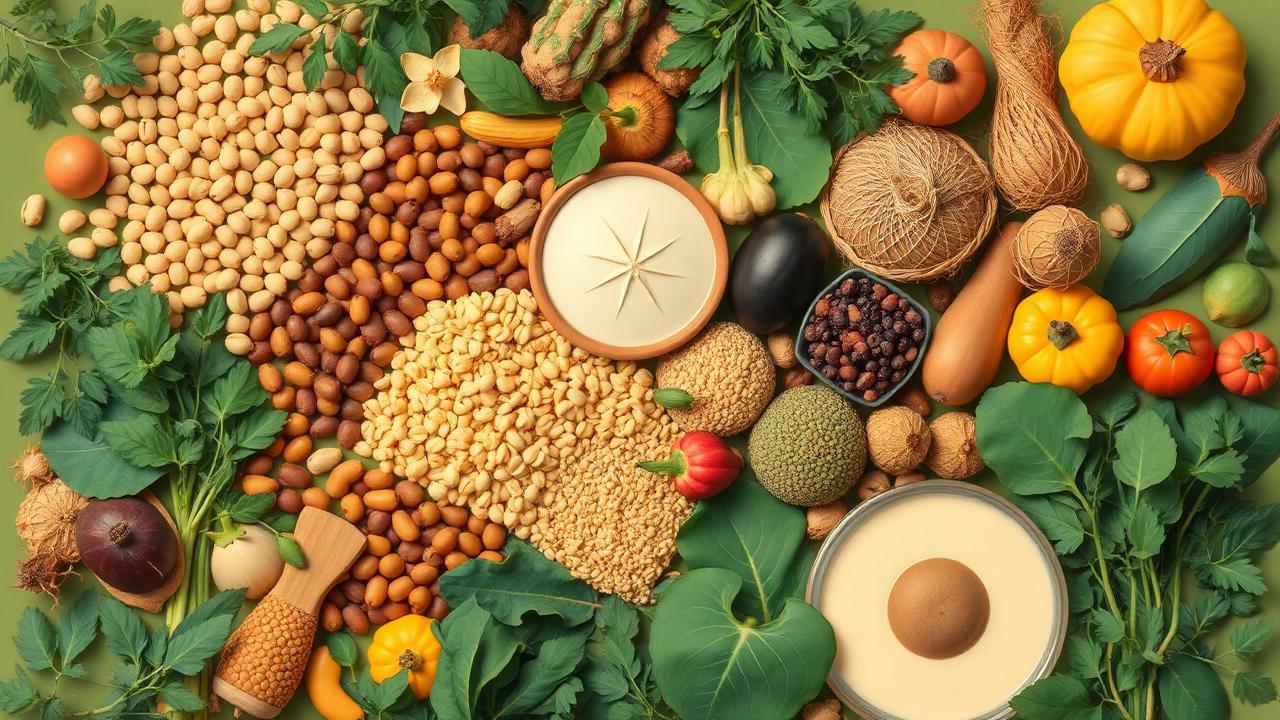
Diet
5 terms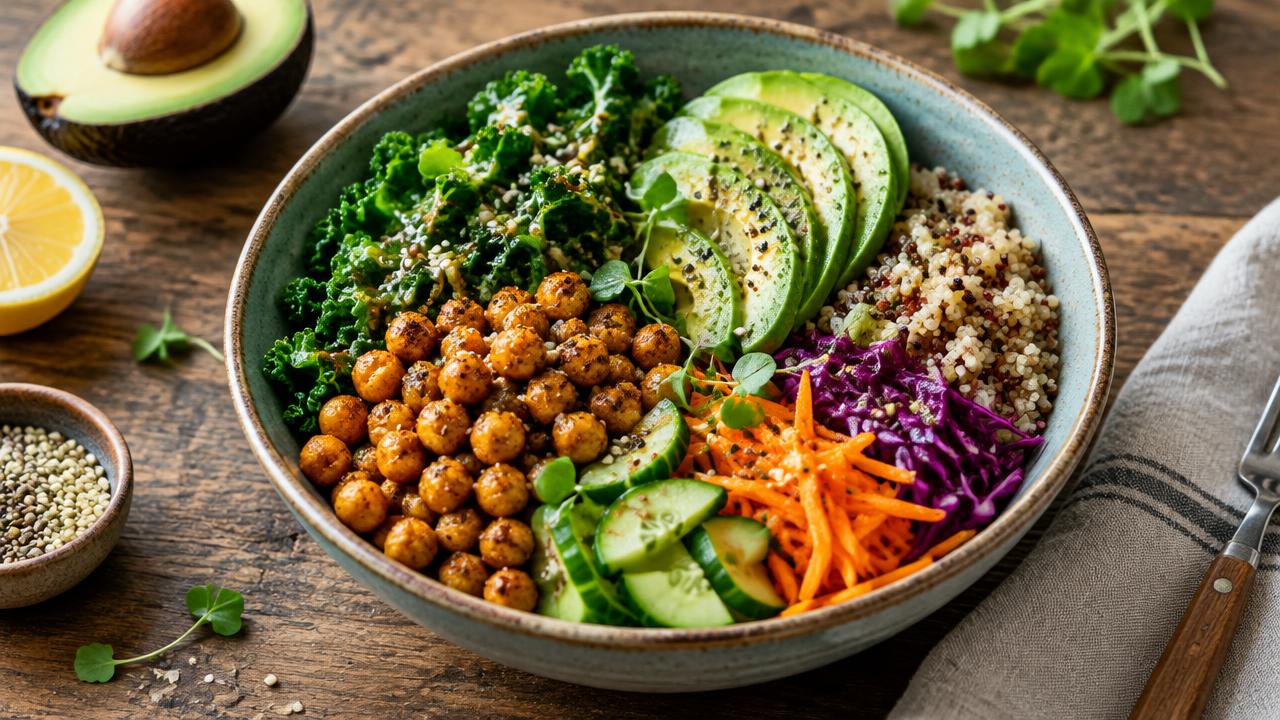
- Plant-based diet
- A dietary pattern centered on foods from plants — vegetables, fruits, whole grains, legumes, nuts and seeds — with animal products reduced or excluded. Stories on this →
- Vegan
- A way of living that seeks to exclude, as far as possible, all forms of exploitation of animals — including in food, clothing and other uses. Stories on this →
- Vegetarian
- A diet that excludes meat, poultry and fish but may include dairy and eggs (lacto-ovo). Stories on this →
- Flexitarian
- A mostly plant-based eating pattern that occasionally includes meat or fish. Stories on this →
- Whole-food plant-based (WFPB)
- A plant-based diet emphasizing minimally processed whole foods and limiting oils, refined sugar and refined flour. Stories on this →
Nutrition
4 terms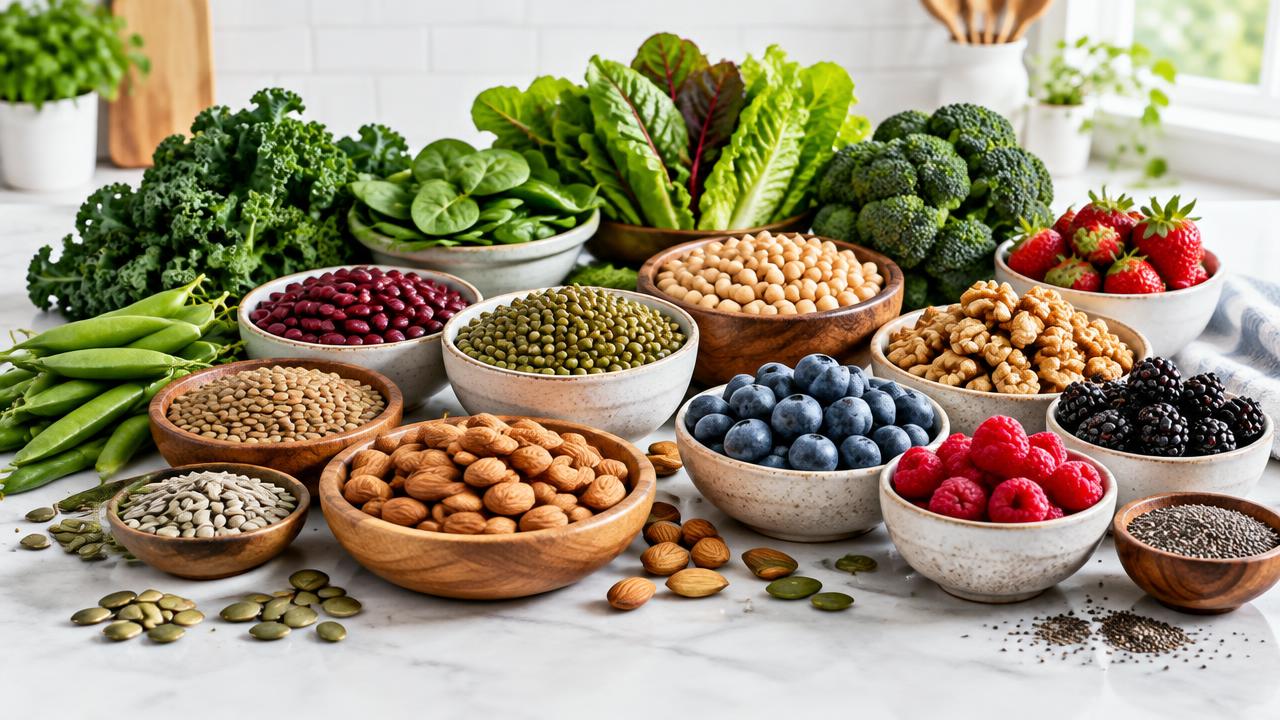
- Complete protein
- A protein source that provides all nine essential amino acids in sufficient amounts; combinations of legumes and grains achieve this over the day. Stories on this →
- Vitamin B12
- An essential vitamin produced by bacteria; reliably supplemented or obtained from fortified foods on plant-based diets. Stories on this →
- Omega-3 (ALA / EPA / DHA)
- Essential fatty acids; ALA is found in flax, chia and walnuts. EPA/DHA can be obtained from algae oil. Stories on this →
- Heme vs non-heme iron
- Heme iron comes from animal foods; non-heme iron from plants. Absorption of non-heme iron is enhanced by vitamin C. Stories on this →
Animals
5 terms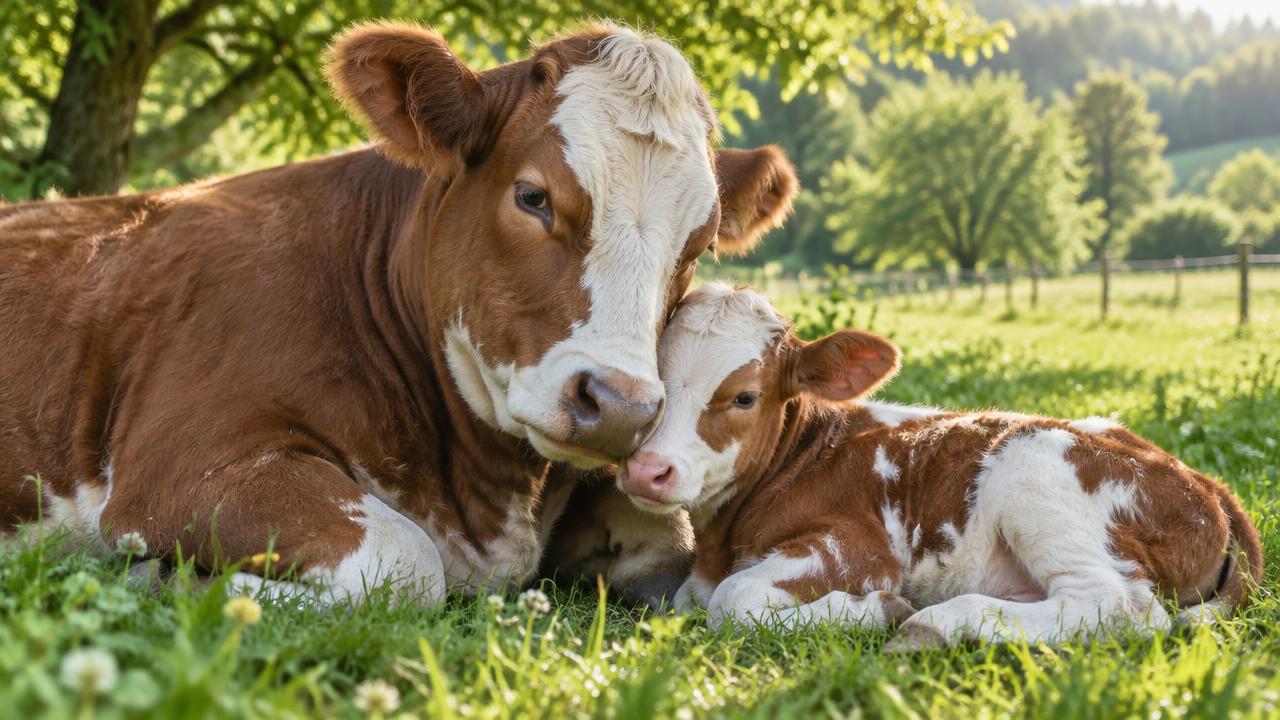
- Factory farming
- Industrial-scale animal agriculture that concentrates animals in confinement to maximize output at low unit cost. Stories on this →
- CAFO
- Concentrated Animal Feeding Operation — a US regulatory term for the largest confinement livestock facilities. Stories on this →
- Sentience
- The capacity to feel, perceive or experience subjectively — recognized in vertebrates and many invertebrates by contemporary science. Stories on this →
- Speciesism
- The assumption of moral superiority of one species (usually humans) over others, often used to justify exploitation. Stories on this →
- Cage-free / free-range
- Labels regulating hen housing; both permit indoor confinement and are not synonymous with high-welfare or pasture-raised. Stories on this →
Climate
5 terms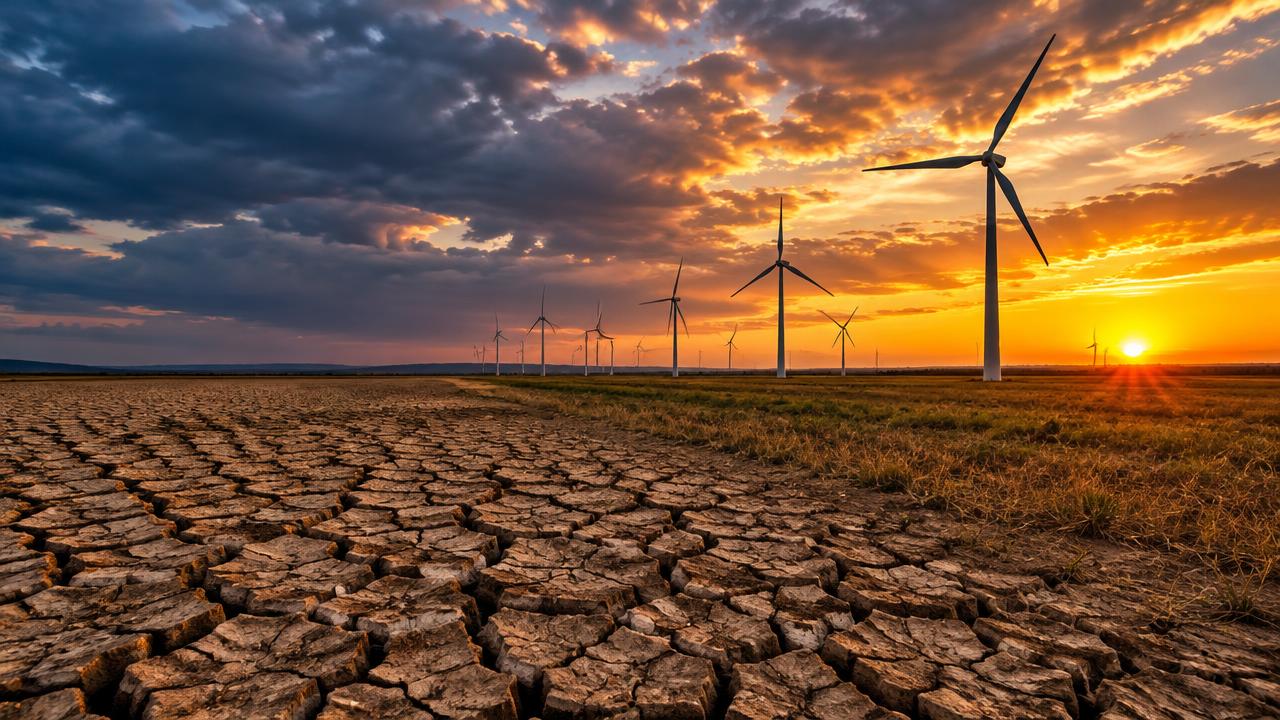
- GHG (greenhouse gas)
- Gases such as CO₂, methane (CH₄) and nitrous oxide (N₂O) that trap heat in the atmosphere and drive global warming. Stories on this →
- CO₂-equivalent (CO₂e)
- A common metric that converts different greenhouse gases to the warming effect of an equivalent mass of CO₂. Stories on this →
- Enteric methane
- Methane produced by microbial fermentation in the stomachs of ruminants such as cattle and sheep. Stories on this →
- Carbon footprint
- The total greenhouse gas emissions caused directly and indirectly by a person, product or activity. Stories on this →
- Land-use change
- Conversion of ecosystems (often forests) to agriculture or pasture — a major driver of biodiversity loss and emissions. Stories on this →
Sustainability
4 terms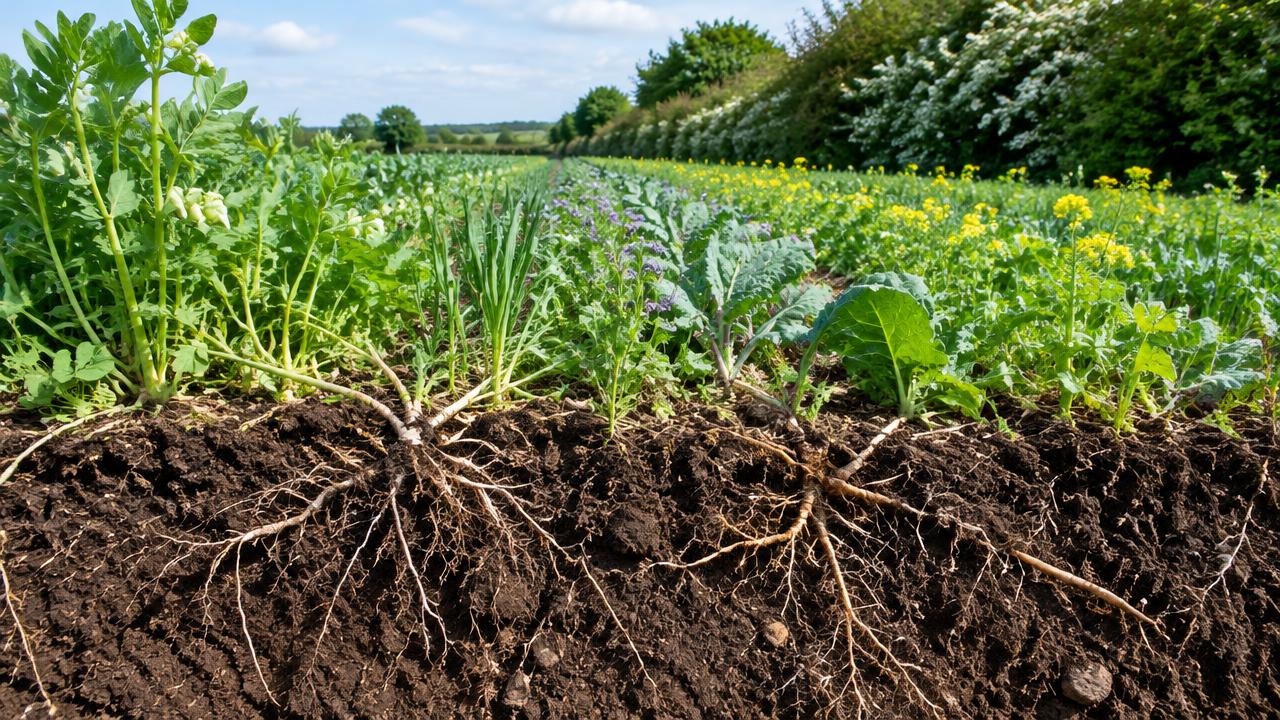
- Circular economy
- An economic model designed to eliminate waste by keeping materials in use through reuse, repair and recycling. Stories on this →
- Regenerative agriculture
- Farming practices that aim to restore soil health, biodiversity and water cycles rather than merely sustain them. Stories on this →
- Food miles
- The distance food travels from producer to consumer — one of several factors in a product's environmental impact. Stories on this →
- Zero waste
- A design philosophy aiming to send nothing to landfill or incineration by preventing waste at the source. Stories on this →
Ocean
2 terms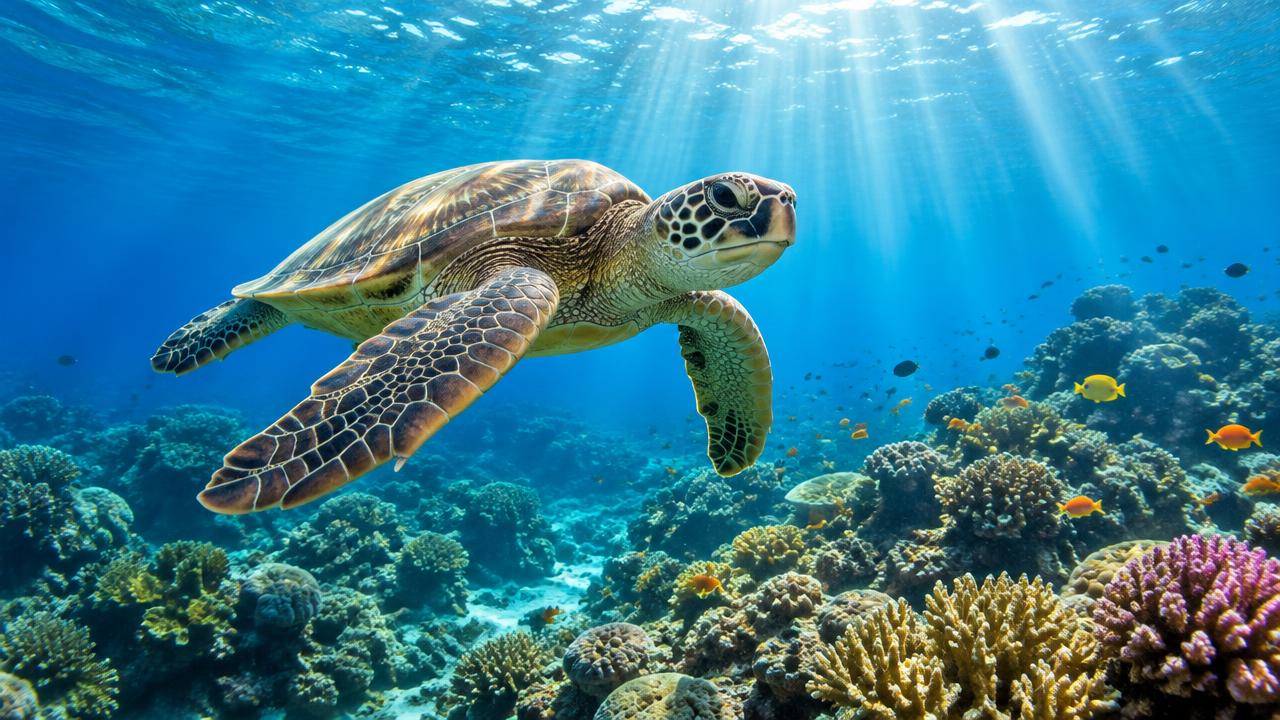
- Overfishing
- Removing fish faster than populations can reproduce, degrading marine ecosystems and food security. Stories on this →
Fashion
2 terms
- Fast fashion
- A business model producing high volumes of low-cost, rapidly changing clothing, with heavy environmental and labour costs. Stories on this →
- Vegan leather
- Leather alternatives made from plant materials (cactus, pineapple, apple), recycled polyurethane or bio-based films. Stories on this →
Labels
2 terms
- Certified Vegan
- A third-party label indicating a product contains no animal-derived ingredients and was not tested on animals. Stories on this →
- Fair Trade
- Certification that goods were produced under standards for wages, working conditions and community investment. Stories on this →
How we define these terms
Definitions follow the wording used by regulators, peer-reviewed research and certification bodies wherever one exists. Where a term is contested or marketing-led, we say so instead of picking a side.
Keep reading
These terms show up throughout our reporting on factory farming, animal rights and the climate cost of animal agriculture.
Terms defined
How we define these terms →- Plant-based diet
- A dietary pattern centered on foods from plants — vegetables, fruits, whole grains, legumes, nuts and seeds — with animal products reduced or excluded.
- Vegan
- A way of living that seeks to exclude, as far as possible, all forms of exploitation of animals — including in food, clothing and other uses.
- Vegetarian
- A diet that excludes meat, poultry and fish but may include dairy and eggs (lacto-ovo).
- Flexitarian
- A mostly plant-based eating pattern that occasionally includes meat or fish.
Debates about diet, farming and climate stall on vocabulary more often than on evidence. "Plant-based" means one thing on a supermarket label and another in a nutrition trial; "free-range" is a legal definition in some countries and a marketing adjective in others; "carbon neutral" can describe a genuine reduction or an offset purchased after the fact. This glossary fixes the meanings we use across every VegEco edition so our reporting stays consistent.
Each entry is written to be usable, not merely correct: it says what the term covers, where its boundaries are contested, and what to check before accepting a claim built on it. Terms are grouped by domain — diet, animal welfare, farming systems, climate science and labelling — because the same word can carry different weight in each.
Why definitions decide the argument
Most published disagreements about the footprint of food are definitional rather than empirical. Two studies can report emissions per kilogram of a product that differ by a factor of four purely because one counts land-use change and the other does not, or because one stops at the farm gate while the other follows the product to the plate. Before comparing two numbers, confirm they measure the same system, over the same boundary, in the same year. If a source will not tell you its boundary, the number is not comparable to anything.
Labels, certifications and what they guarantee
A certification is a promise about a process, not usually about an outcome. Welfare schemes typically specify stocking density, enrichment or slaughter method; organic schemes specify inputs; carbon labels specify an accounting method. None of them guarantees the thing shoppers usually infer. The practical test is to look up the standard behind the logo and read the clause that matters to you — most schemes publish their full criteria, and the gap between the logo's implication and the clause's text is where most misreading happens.
Terms that change meaning across regions
Regulation is local, so vocabulary is too. Cage-free, pasture-raised, humane, natural and even vegan are defined in statute in some jurisdictions and unregulated in others, and the same phrase can be translated into a term with a stronger or weaker legal meaning. Because every VegEco edition is written natively rather than machine-translated, each edition uses the term its own readers will meet on their own packaging — so a definition here may differ in emphasis from the equivalent entry in another language.
Commonly confused terms and what actually separates them
Plant-based
- What it covers
- A dietary pattern centred on plants
- What it does not
- Guarantee zero animal ingredients
Vegan
- What it covers
- Excluding animal use as far as practicable
- What it does not
- Say anything about nutrition or footprint
Free-range
- What it covers
- Some outdoor access, defined locally
- What it does not
- Specify space, duration or flock size
Carbon neutral
- What it covers
- Net figure after offsets
- What it does not
- Prove an absolute emissions cut
Regenerative
- What it covers
- Practices aimed at soil health
- What it does not
- A single audited standard
FAQ
- Is plant-based the same as vegan?
- No. Plant-based describes what a diet mostly consists of; vegan describes an ethical position that extends beyond food to clothing and other animal use. A plant-based product can legally contain animal-derived ingredients unless it also carries a vegan claim.
- Why do emissions figures for the same food differ so much?
- Because of system boundaries, allocation between co-products, whether land-use change is counted, and the region and year of the underlying data. Two credible studies can differ several-fold without either being wrong.
- Do welfare labels mean the animals had a good life?
- They mean a specific set of process criteria was audited. Read the standard behind the logo: the clauses on stocking density, enrichment, transport and slaughter tell you far more than the label's name.
- How often is this glossary updated?
- Entries are revised whenever regulation, certification criteria or the mainstream scientific reading changes, and new terms are added as our desks start using them in reporting.