The Public-Health Case Against Industrial Animal Agriculture: Sparking the Next Pandemic
Industrial animal agriculture is a significant public health hazard, creating ideal conditions for zoonotic pathogen emergence and the spread of antibiotic resistance, sparking the next pandemic threat.
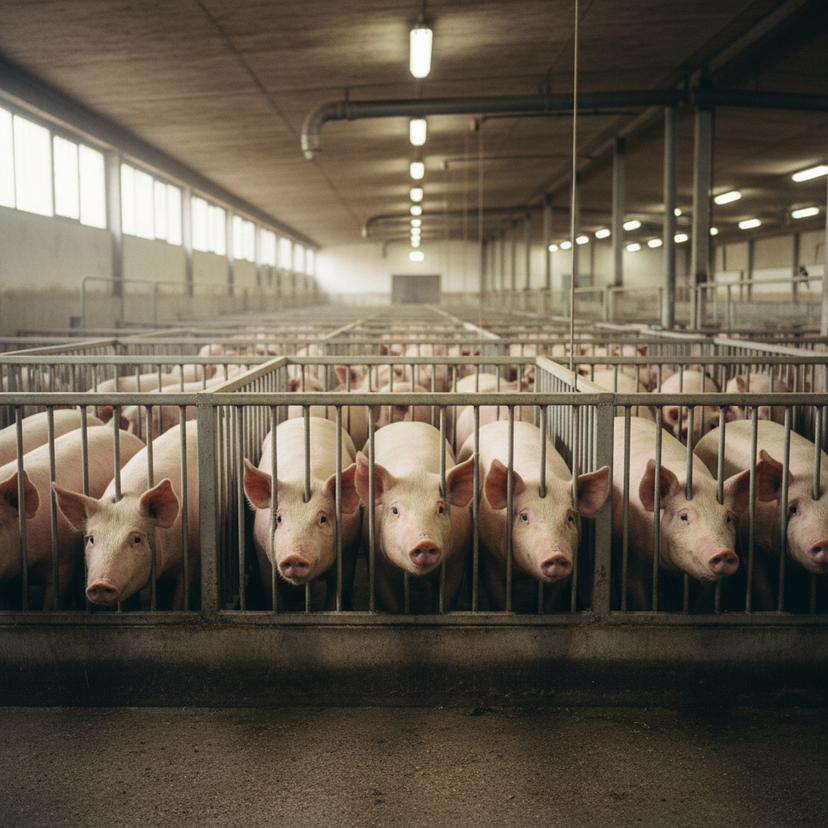
Short answer: Industrial animal agriculture poses an existential public health threat by creating perfect conditions for zoonotic diseases to emerge, mutate, and spread, while simultaneously accelerating antibiotic resistance. The dense confinement, genetic uniformity, and unsanitary environments typical of factory farms are breeding grounds for pathogens like avian influenza and MRSA, increasing the likelihood of the next global pandemic. Addressing this requires a systemic shift away from these practices towards plant-based food systems and more sustainable, ethical approaches to food production.
The relentless quest for cheap meat, eggs, and dairy has transformed food production into a biological tinderbox. Industrial animal agriculture, characterised by tightly packed animals, intensive antibiotic use, and rapid global supply chains, actively cultivates conditions ripe for the emergence of novel pathogens and the proliferation of antimicrobial resistance (AMR). This isn't merely an environmental or animal welfare issue; it's a direct threat to human health, with serious implications for future pandemics and the efficacy of modern medicine. The UK, a nation with a significant intensiveness in its meat and dairy sectors, faces direct implications from these global and local practices.
The Pathogen: How Zoonoses leap from Farm to Human
Zoonotic diseases, illnesses transmitted from animals to humans, have been responsible for many of the most devastating epidemics throughout history, from the Black Death to HIV. However, the scale and frequency of these transfers have dramatically increased with the rise of industrial animal agriculture. Pathogens like avian influenza, swine flu, and various coronaviruses originate in animal populations, often in wild species, but find their most fertile ground for replication and mutation within intensive farming operations. These farms act as 'mixing vessels' for viruses, where proximity to humans and other species facilitates cross-species jumps.
Influenza viruses, for instance, are notorious for their ability to reassort – swapping genetic material when two different strains infect the same cell – leading to new, potentially more virulent forms. These events are far more likely to occur in environments where different species, such as pigs and poultry, are raised in close proximity or where live animals are traded frequently. The H5N1 avian influenza virus, for example, has caused significant concern, leading to mass culls globally and occasional human infections, with a high mortality rate (WHO, 2024).
Understanding Avian and Swine Influenza
Avian influenza, or bird flu, primarily affects domestic poultry and wild birds. However, certain strains, like H5N1 and H7N9, have demonstrated the capacity to infect humans, sometimes with fatal outcomes. These outbreaks frequently begin in overcrowded poultry operations, where stress and unsanitary conditions weaken immune systems, creating an ideal environment for viral replication and mutation. Swine flu, such as the H1N1 strain that caused a pandemic in 2009, originates in pigs, often in facilities where pigs are farmed intensively and in close contact with other animals or humans.
The UK's Animal and Plant Health Agency (APHA) constantly monitors for these zoonotic threats (APHA, 2023). While direct transmission from animals to humans remains relatively rare, every human infection offers a precarious opportunity for the virus to adapt, potentially gaining the ability for sustained human-to-human transmission, which is the hallmark of a pandemic.
The Farm Conditions that Breed Public Health Crises
The infrastructure of industrial animal agriculture is inherently designed to maximise output, often at the expense of animal welfare and public health. This includes several critical factors that facilitate pathogen emergence and spread:
Conditions favouring pathogen spread
- Genetic Uniformity: Animals within industrial farms are often genetically very similar, reducing population-level immunity and making entire herds or flocks susceptible to a single pathogen.
- Dense Confinement: Hundreds, thousands, or even tens of thousands of animals are packed into small spaces, ensuring rapid transmission of any infectious agent.
- Stress and Immunosuppression: The chronic stress from confinement, mutilations (like debeaking or tail docking), and poor air quality weakens animals' immune systems, making them more vulnerable to infection.
- Unsanitary Environments: Accumulation of excrement, inadequate hygiene, and poor ventilation create environments teeming with bacteria and viruses.
- Excessive Antibiotic Use: Routinely administered to prevent disease in stressful conditions and promote growth, this practice is a primary driver of antimicrobial resistance (AMR), rendering vital medicines ineffective for humans.
- Global Supply Chains: Live animal trade and rapid product distribution mean that pathogens can spread across continents before outbreaks are even identified, exacerbating pandemic potential.
Beyond viruses, bacteria also pose a severe threat. Methicillin-resistant Staphylococcus aureus (MRSA), specifically livestock-associated MRSA (LA-MRSA), has been increasingly linked to industrial pig farms and can spread to farm workers and their communities. This superbug is resistant to common antibiotics, making infections difficult to treat (Public Health England, 2021).
| Pathogen Type | Originating Host | Associated Farming Practices | Human Health Impact |
|---|---|---|---|
| Avian Influenza (e.g., H5N1, H7N9) | Poultry (chickens, ducks) | Dense confinement, live bird markets, genetic uniformity | Severe respiratory illness, high mortality, pandemic potential |
| Swine Influenza (e.g., H1N1) | Pigs | Intensive pig farming, multi-species contact | Respiratory illness, pandemic potential (2009 H1N1) |
| Livestock-associated MRSA (LA-MRSA) | Pigs, cattle, poultry | Routine antibiotic use, close worker contact | Skin infections, pneumonia, bloodstream infections, difficult to treat |
| Salmonella | Poultry, pigs, cattle | Contaminated feed, unhygienic slaughterhouses, poor waste management | Gastroenteritis, severe infections requiring antibiotics |
| E. coli O157:H7 | Cattle (ruminants) | Contaminated meat, faecal run-off from farms | Severe bloody diarrhoea, kidney failure (HUS) |
“The industrialisation of animal agriculture poses an unacceptable risk to global public health. By concentrating vast numbers of genetically similar animals in unsanitary conditions and relying heavily on antibiotics, we are essentially building incubators for the next pandemic and accelerating the collapse of our antibiotic arsenal.”
The Human Toll So Far: From Local Outbreaks to Global Pandemics
The human cost of industrial animal agriculture's public health risks is already evident. The 2009 H1N1 swine flu pandemic, originating from a novel strain of influenza, infected millions globally and highlighted the vulnerability of human populations to animal-derived viruses. While not as deadly as some feared, it served as a stark warning. More recently, successive outbreaks of highly pathogenic avian influenza (HPAI) in the UK and other nations have led to the culling of millions of birds, devastating livelihoods and requiring significant public expenditure for containment and surveillance (Department for Environment, Food & Rural Affairs, UK, 2023).
Beyond headline-grabbing pandemics, the silent crisis of antibiotic resistance continues to claim lives. According to the UK's Antimicrobial Resistance (AMR) National Action Plan, AMR contributes to an estimated 1.27 million deaths globally each year (UK Government, 2024). A significant portion of this resistance is driven by the prophylactic and growth-promoting use of antibiotics in animal agriculture. This means that common infections are becoming untreatable, pushing medicine back to a pre-antibiotic era.
Global Antibiotic Use in Livestock vs. Humans (2018 Data)
What Health Authorities in the UK Recommend
Public health bodies in the UK, such as the UK Health Security Agency (UKHSA) and the Food Standards Agency (FSA), are acutely aware of these risks. Their recommendations typically focus on surveillance, biosecurity, and responsible antimicrobial use.
Official UK Health Recommendations
- Enhanced Biosecurity: Strict measures on farms to prevent the entry and spread of diseases, including movement controls and hygiene protocols.
- Antimicrobial Stewardship: Reducing, refining, and replacing antibiotics in animal agriculture; for example, the UK has made significant progress in reducing sales of antibiotics for food-producing animals (Veterinary Medicines Directorate, 2023).
- Disease Surveillance: Continuous monitoring of animal populations for emerging pathogens and antimicrobial resistance patterns.
- Food Safety Standards: Rigorous inspection and regulation of slaughterhouses and food processing to minimise pathogen contamination.
- Vaccination: Where effective and available, vaccination of livestock to prevent disease outbreaks.
While these measures are crucial, they are largely reactive and do not address the fundamental problem posed by the intrinsic vulnerabilities of industrial animal agriculture itself. A more profound shift, encompassing dietary change and alternative food systems, is implicitly required for genuine long-term pandemic prevention.
What Individuals Can Do to Mitigate Public Health Risks
While policy and industry changes are paramount, individuals also have a significant role to play in reducing the public health risks associated with industrial animal agriculture. Lifestyle and dietary choices can collectively send powerful market signals and reduce personal exposure.
Personal Risk-Reduction Checklist
- ✓Adopt a Plant-Based Diet: Reducing or eliminating consumption of animal products directly reduces demand for industrial animal agriculture, thereby lowering overall systemic risk.
- ✓Support Sustainable Farming: Choose products from genuinely agro-ecological, organic, or higher-welfare farms with transparent practices if not fully plant-based. Beware of 'greenwashing' claims.
- ✓Practice Food Safety: Always handle raw meat carefully, cook food thoroughly, and avoid cross-contamination in the kitchen to prevent foodborne illnesses like Salmonella and E. coli.
- ✓Advocate for Policy Change: Support organisations lobbying for stronger regulations on industrial farming, antibiotic use, and improved animal welfare standards.
- ✓Stay Informed: Understand how your food choices impact health and the environment, and share this knowledge responsibly.
Frequently Asked Questions
Is the UK actively reducing antibiotic use in factory farms?
Yes, the UK has made significant strides in this area. According to data from the Veterinary Medicines Directorate, sales of antibiotics for food-producing animals in the UK have fallen by over 59% since 2014, demonstrating concerted efforts to tackle antimicrobial resistance (Veterinary Medicines Directorate, 2023). However, further action is always needed, especially in preventing disease through improved welfare.
Can organic or free-range farming prevent zoonotic disease outbreaks?
While organic and free-range systems generally offer better animal welfare, lower stocking densities, and reduced reliance on routine antibiotics, they are not entirely immune to zoonotic risks. Pathogens can still circulate, particularly if there is contact with wild animals. However, the reduced stress and improved immune health of animals, coupled with lower antibiotic pressure, significantly lower the likelihood of rapid mutation and severe outbreaks compared to intensive systems.
What role does climate change play in this public health crisis?
Climate change exacerbates these risks by altering ecosystems, pushing wildlife into new habitats closer to human and farmed animal populations, and creating conditions more favourable for vector-borne diseases. It also contributes to water scarcity and heat stress, further impacting animal health in farming systems and potentially increasing the need for antibiotics (IPCC, 2021).
Does eating plant-based truly make a difference to pandemic risk?
Yes, shifting towards a plant-based diet makes a substantial difference. By reducing the demand for animal products, it lowers the economic incentive for industrial animal agriculture, which is a primary incubator for novel zoonoses and antibiotic resistance. A societal shift towards plant-based eating directly diminishes the breeding grounds for the next pandemic and frees up resources for more sustainable food systems.
- Industrial animal agriculture is a major driver of zoonotic disease emergence and the spread of antibiotic resistance.
- Conditions on factory farms – dense populations, genetic uniformity, stress, and routine antibiotic use – create ideal environments for pathogen mutation and transmission.
- Past pandemics (e.g., H1N1 swine flu) and ongoing crises (e.g., LA-MRSA, avian flu outbreaks) demonstrate the direct human toll.
- UK health authorities focus on biosecurity and antimicrobial stewardship, but these measures are reactive to an inherently risky system.
- Individual dietary choices, particularly transitioning to plant-based options, can significantly contribute to mitigating these public health threats by reducing demand for at-risk farming practices.
Related topics
Related Reading
9 Surprising Ways Slaughterhouse Closures Are Reshaping Rural UK Economies in 2026
From job losses to green job creation, this feature reveals how slaughterhouse closures are transforming rural economies and what it means for factory farming's future.
10 min read
Veal Crates vs Pasture-Raised Calves: Which Beef System Is More Ethical?
Veal crates confine calves for months, while pasture-raised systems offer better welfare—but both end in slaughter. Compare costs, ethics, and sustainability.
6 min read
The State of UK Factory Farming in 2026: Antibiotic Use, Welfare, and Policy Data
A data-driven report on UK factory farming in 2026, covering antibiotic use, welfare breaches, slaughter statistics, and policy shifts toward plant-based alternatives.
7 min read