Archive
VegEco publishes plant-based living, animal welfare, climate and sustainability journalism in 33 languages.
- 53
- Stories archived
- 4
- Months covered
- August 2026
- Busiest month
Other ways in
Prefer to browse by subject or writer instead of by date?
Browse topics
Plant-Based
Plant-based eating, from first swaps to a fully animal-free plate.
Nutrition & Health
Protein, B12, iron and what the evidence says about eating well without animals.
Animal Rights
Sentience science, legal personhood and the movement fighting for animals.
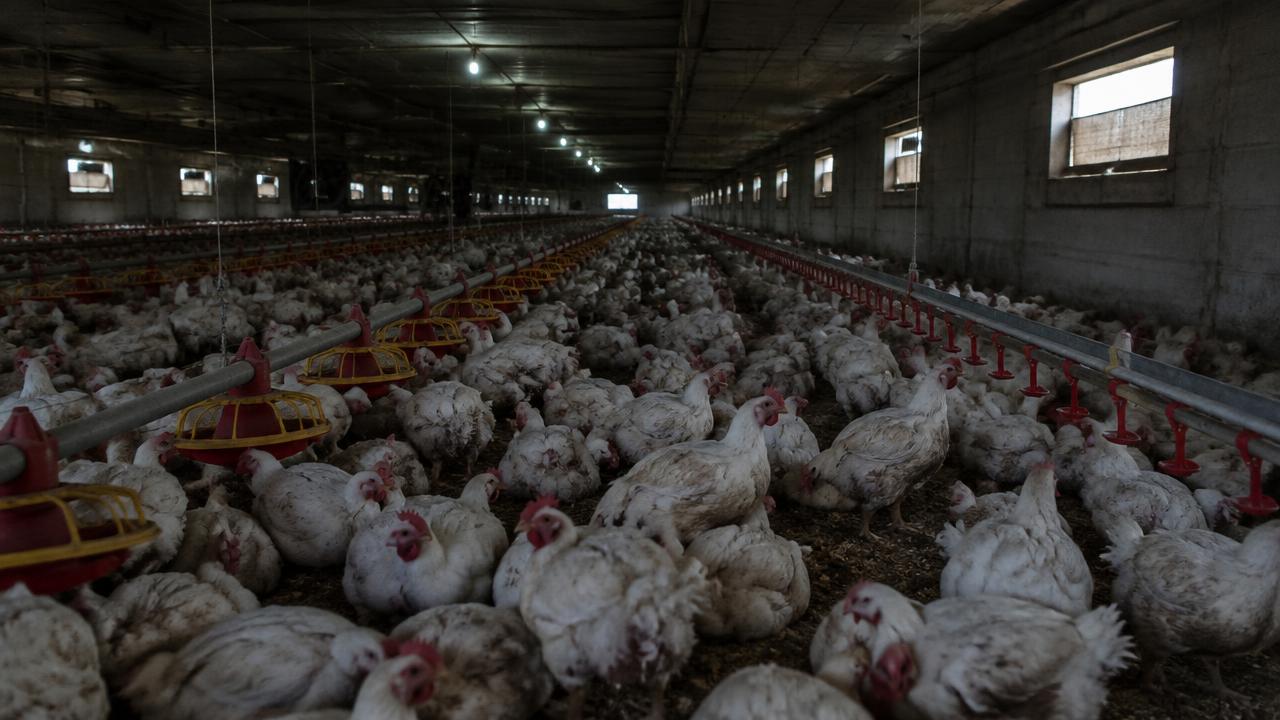
Factory Farming
Confinement, mutilations, slaughter lines and the industry behind them.
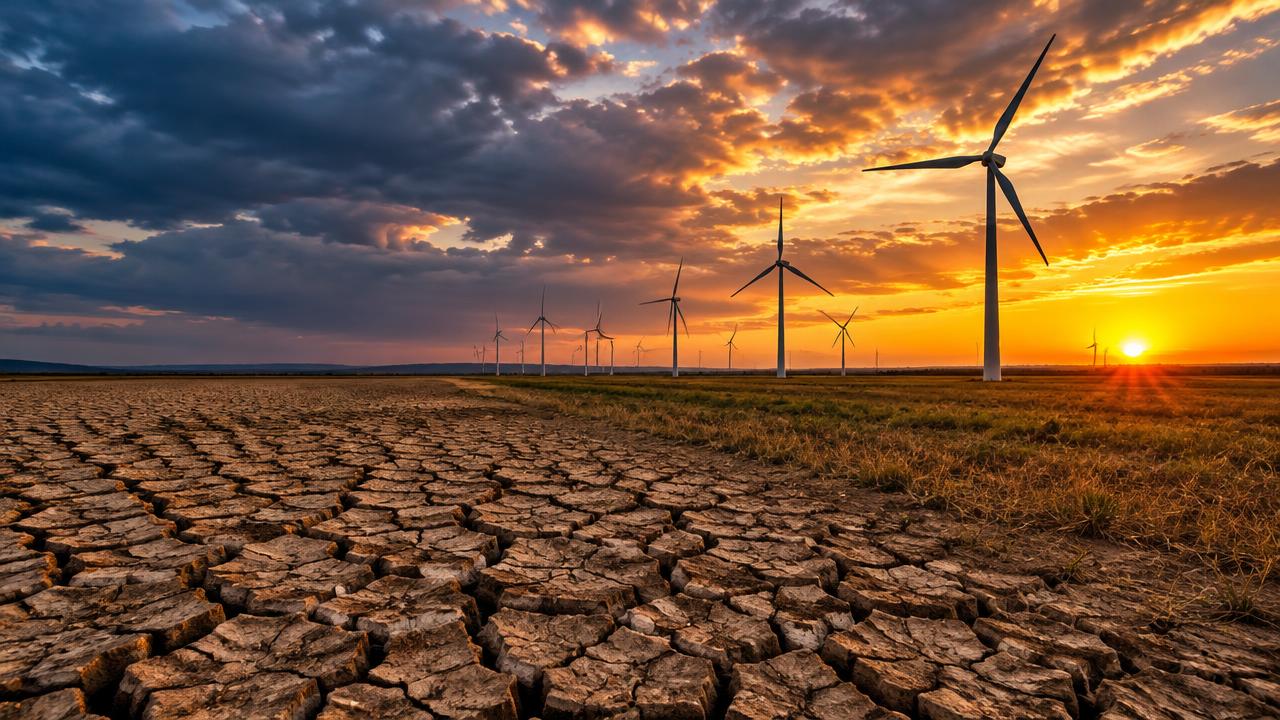
Climate
Emissions, land use and the climate maths of what we put on our plates.

Wildlife
Habitat loss, hunting, trophy trade and the species paying the price.
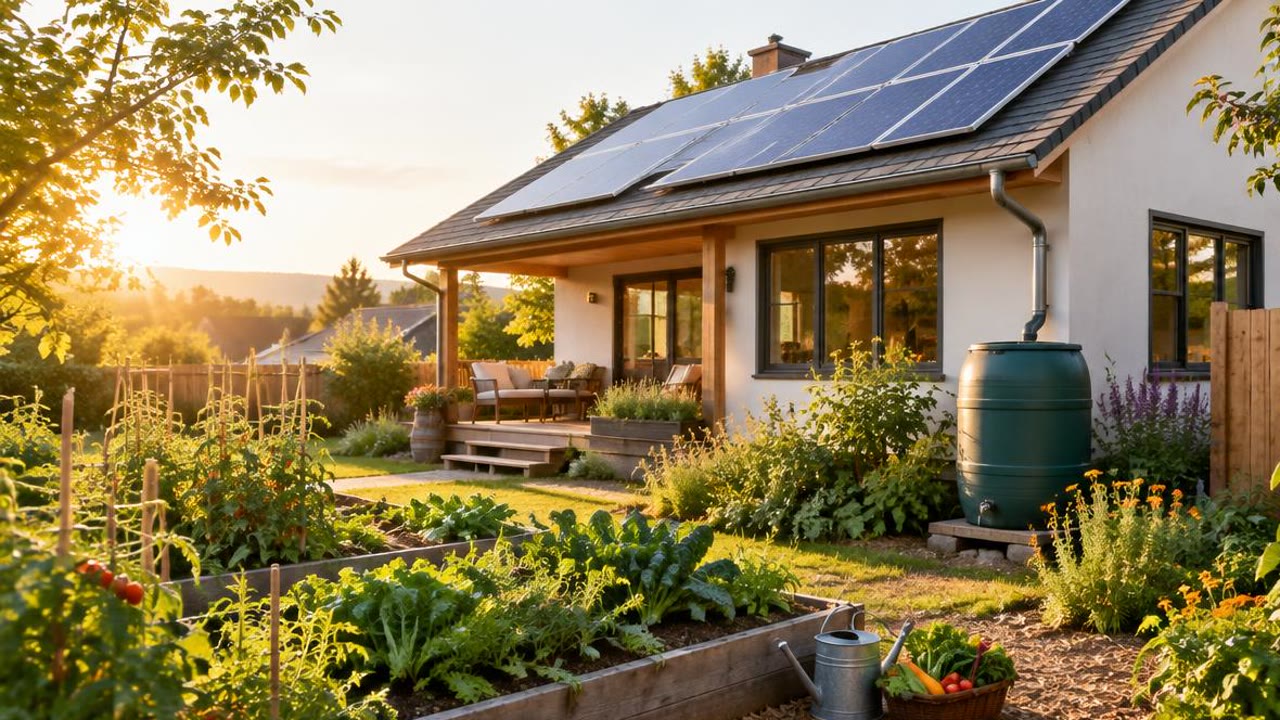
Sustainable Living
Energy, transport, housing and the everyday choices that add up.

Eco Lifestyle
Low-impact routines, greener homes and honest product reporting.
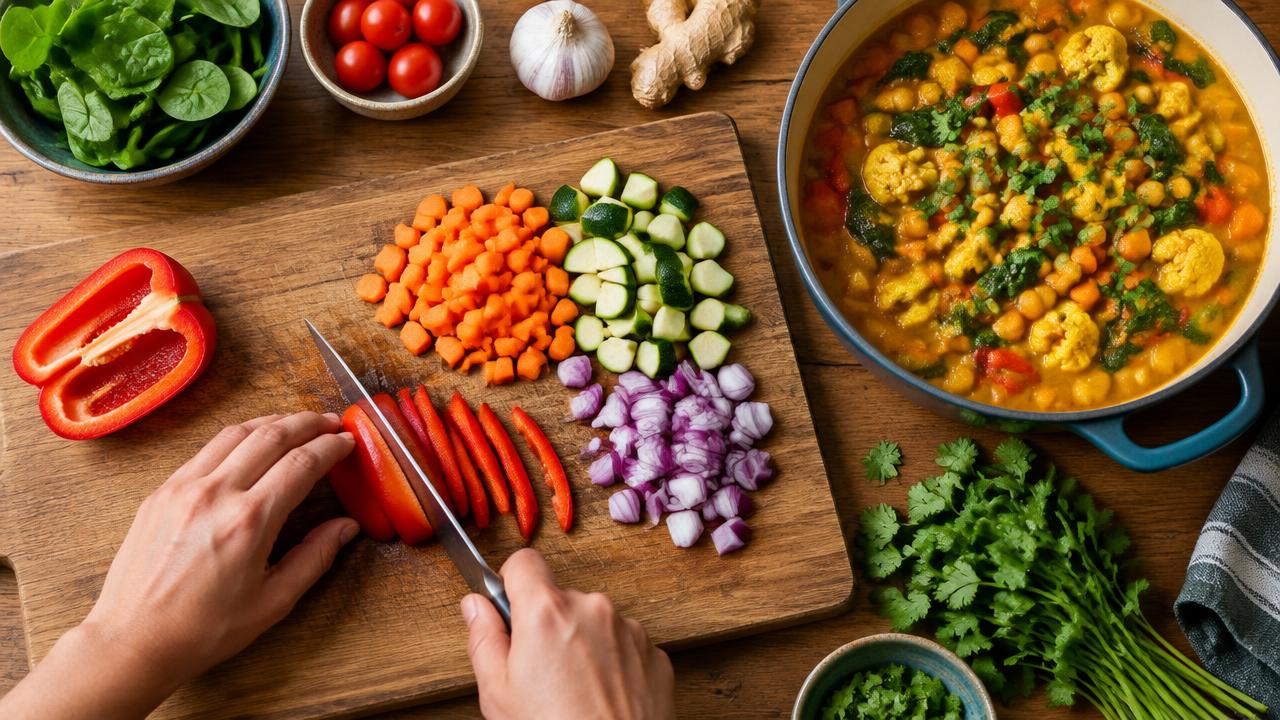
Recipes
Plant-based cooking that replaces animal products without compromise.

Activism
Campaigns, investigations and the people driving change.
Zero Waste
Cutting waste at the source, from kitchen scraps to packaging politics.

Ethical Fashion
Leather, wool, fur and the alternatives worth wearing.

Vegan Travel
Eating and travelling well, city by city and country by country.
Meal Prep
Batch cooking, budgets and weekly plans that make plant-based easy.
Ocean Conservation
Bycatch, trawling, aquaculture and collapsing fisheries.
Terms defined
How we define these terms →- Sentience
- The capacity to feel, perceive or experience subjectively — recognized in vertebrates and many invertebrates by contemporary science.
- Land-use change
- Conversion of ecosystems (often forests) to agriculture or pasture — a major driver of biodiversity loss and emissions.
- Bycatch
- Non-target marine species caught unintentionally during commercial fishing.
The archive is the complete published record of this edition, ordered by month. Nothing is removed when it ages: corrections are made in place and URLs are permanent, so a link made three years ago still resolves to the same article, with any subsequent correction attached.
Reading by date rather than by subject is the fastest way to see how a story developed — how a welfare regulation moved from proposal to law, how emissions estimates for a single commodity were revised, or how the plant-based market shifted quarter by quarter.
What the monthly view shows
Each month lists every article published in this edition in that period, with its desk and topics. Volume varies: months with major policy decisions, climate summits or industry disclosures generate more reporting than quiet ones, and the shape of the archive is itself a record of when this field was busy.
Why we keep everything
Silently deleting or rewriting old coverage is how misinformation gets laundered. If a projection we reported did not hold, the piece stays up with a correction so the record shows what was believed and when. That is more useful to researchers and more honest to readers than a permanently tidy archive.
Archives are per edition
Each language edition has its own archive, because each publishes its own reporting. A month may be dense in one edition and sparse in another. If you are researching a specific regional development, check the archive of the edition that covers that region.
Choosing a way in
A keyword
- Use
- Search
- Why
- Matches titles and summaries directly
Roughly when
- Use
- Archive
- Why
- Chronological, shows surrounding context
The subject
- Use
- Tag or hub
- Why
- Groups everything on one theme
The desk
- Use
- Category
- Why
- Everything one team has published
Questions people ask
- Are old articles updated?
- Factual errors are corrected in place with a note. We do not silently rewrite conclusions; where our view has changed, we publish new reporting and link it from the original.
- Do article URLs ever change?
- No. Permanent URLs are a condition of being citable, and legacy addresses from earlier versions of the site are redirected rather than dropped.
- How far back does the archive go?
- To the first month this edition published. Older editions have deeper archives than editions launched more recently.
- Can I get the archive as a feed?
- Yes — every edition publishes an RSS feed, and each article is also available as clean Markdown for research and citation tools.