The State of ‘Humane Meat’ in 2026: What the Data Show for UK Consumers
Explore the current landscape of 'humane meat' in the UK market, uncovering why this marketing term often falls short of genuine animal welfare and ethical standards.
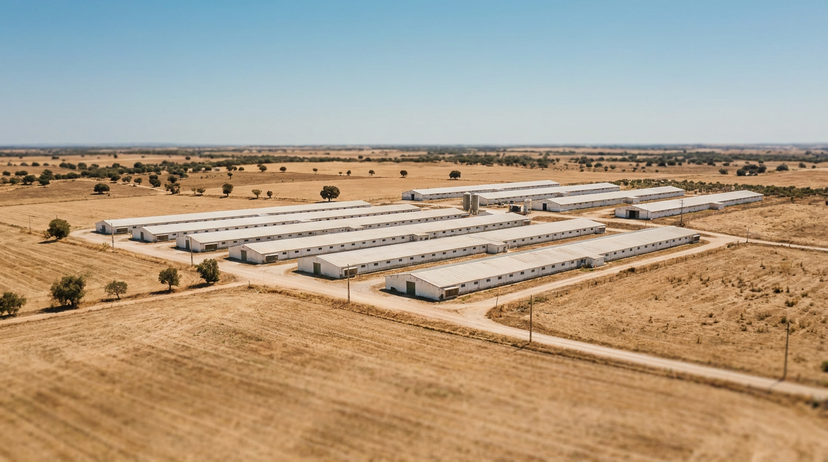
Short answer: The concept of 'humane meat' in the UK market by 2026 remains a complex and often misleading category, with data indicating that many labels fall short of consumer expectations for genuine animal welfare. While certifications aim to differentiate products, the inherent practices of animal agriculture, including routine confinement, mutilation, and slaughter, mean that true 'humane' treatment is often unattainable within an industrialised system. Consumers seeking genuinely ethical choices are increasingly turning to plant-based alternatives.
The phrase 'humane meat' has gained significant traction in the UK food landscape, purporting to offer a more ethical alternative to conventional factory-farmed products. However, a deeper examination of the practices behind these labels reveals a stark reality that frequently contradicts the public's perception of animal welfare. This article dissects the state of 'humane meat' in 2026, exploring the definitions, certifications, and the continuing ethical chasm between marketing and reality within the UK's animal agriculture industry.
Defining 'Humane Meat': A UK Perspective in 2026
In the UK, 'humane meat' typically refers to animal products sourced from systems that claim to offer animals a 'better life' than standard intensive farming. These systems often include promises of reduced stocking densities, access to outdoors, natural behaviours, and less painful slaughter methods. However, there is no single, legally defined standard for 'humane' meat in the UK; instead, various third-party certifications and retailer-specific schemes attempt to fill this void. This regulatory fragmentation can lead to significant variations in welfare outcomes, making it challenging for consumers to make informed decisions.
The Ethical Dilemma of Animal Sentience vs. Commercial Imperative
At the heart of the 'humane meat' debate is the fundamental conflict between recognising animal sentience and the commercial imperative to produce meat at scale and profit. Animals in so-called higher welfare systems, while potentially experiencing fewer day-to-day cruelties, still face the same ultimate fate as their factory-farmed counterparts. They are bred for human consumption, often experience forced insemination, separation from their young, and are ultimately transported to slaughterhouses where they face an inevitably violent end, often preceded by fear and stress. This is particularly evident in the UK's poultry industry, where 'free-range' chickens still typically live in sheds with thousands of others, and most broiler chicks are killed at just 35-56 days old (RSPCA Assured, 2024).
UK Certification Schemes and Their Limitations
Several certification schemes operate within the UK, each with its own set of welfare standards. The most prominent include RSPCA Assured, Freedom Food, and the Red Tractor Assurance scheme (for 'enhanced welfare' products). While these schemes represent an incremental improvement over baseline legal requirements, they are frequently criticised by animal rights organisations for not going far enough to protect animal welfare. For example, RSPCA Assured permits practices such as the culling of male chicks in the egg industry and tail docking for pigs under certain conditions, practices deemed unethical by many consumers (The Vegan Society, 2023).
| Feature | Red Tractor (Enhanced) | RSPCA Assured | Organic (Soil Association) |
|---|---|---|---|
| Outdoor Access (Pigs) | Sows access to outdoors for part of life | Sows must have outdoor access | Continuous outdoor access for all pigs |
| Beak Trimming (Poultry) | Permitted | Permitted under specific conditions | Not permitted |
| Stocking Density (Broilers) | Lower than conventional | Lower than conventional (max 27.5 kg/m²) | Significantly lower (max 21 kg/m²) |
| Lifespan (Broilers) | Standard | Minimum 56 days | Minimum 56 or 70 days depending on breed |
| Routine Antibiotic Use | Permitted for illness | Permitted for illness, restricted use | Strictly prohibited for routine use |
Consumer Perception vs. Reality: The Data Gap
Research consistently shows a dissonance between what consumers believe 'humane meat' entails and the actual conditions animals experience. A 2023 YouGov poll in the UK indicated that over 70% of respondents believed 'humane' farming meant animals had ample space, lived natural lives, and were killed painlessly. However, the realities of high-throughput slaughterhouses, even those processing 'higher welfare' animals, often involve rapid line speeds, potential stunning failures, and significant stress for the animals involved (Compassion in World Farming, 2024).
UK Consumer Perception vs. Reality of 'Humane' Farming (2026)
Economic and Operational Pressures on UK 'Humane Meat' Production
Producing 'higher welfare' meat typically incurs greater costs due to increased land requirements, longer growth periods, and more labour-intensive care. This economic pressure often forces producers to strike a balance between consumer expectations, welfare standards, and profitability. The cost of living crisis in the UK has further exacerbated these pressures, with many consumers opting for cheaper, conventionally farmed meat, even if they express a preference for 'ethical' options (National Office of Animal Health, 2023).
“While UK consumers demonstrate a strong desire for higher animal welfare, the economic realities of food production and household budgets often create a significant barrier. True 'humane' standards are costly, and current market structures rarely reward these efforts sufficiently, leading to a constant tension between idealistic goals and pragmatic limitations.”
The Role of Antibiotic Resistance and Public Health
Even in 'higher welfare' systems, the routine use of antibiotics remains a concern for public health, though typically less prevalent than in intensive farming. While 'organic' certifications ban routine antibiotic use, other 'humane' labels may still permit antibiotics for disease prevention in larger groups. The UK government, through bodies like the Veterinary Medicines Directorate, continues to monitor and regulate antibiotic use, but the risk of antimicrobial resistance linked to animal agriculture remains a global challenge (European Medicines Agency, 2024).
Key Numbers on UK’s 'Humane Meat' Market (2026)
- 28%: Approximate market share of 'free-range' poultry in the UK (Defra, 2025).
- 15%: Estimated percentage of UK pigs raised in systems with genuine outdoor access (AHDB, 2025).
- £1.2 billion: Estimated value of the UK 'ethical food' market, including 'higher welfare' meat and plant-based, exhibiting modest growth (Mintel, 2025).
- 70%: Percentage of UK consumers who find meat labelling confusing regarding welfare claims (Which?, 2024).
- 56 days: Minimum lifespan for 'free-range' broiler chickens, compared to 35-42 days for conventional (RSPCA Assured, 2024).
The Rise of Plant-Based Alternatives as the Truly Humane Option
As awareness grows about the limitations of 'humane meat' labels, there is a discernible shift towards plant-based diets and products in the UK. Data from The Vegan Society indicates that over 800,000 people in the UK identify as vegan, with millions more reducing their meat consumption (Vegan Society, 2024). This movement is largely driven by ethical concerns for animals, as well as environmental and health motivations. Plant-based alternatives circumvent the ethical compromises inherent in any animal agriculture system, offering a direct path to cruelty-free consumption.
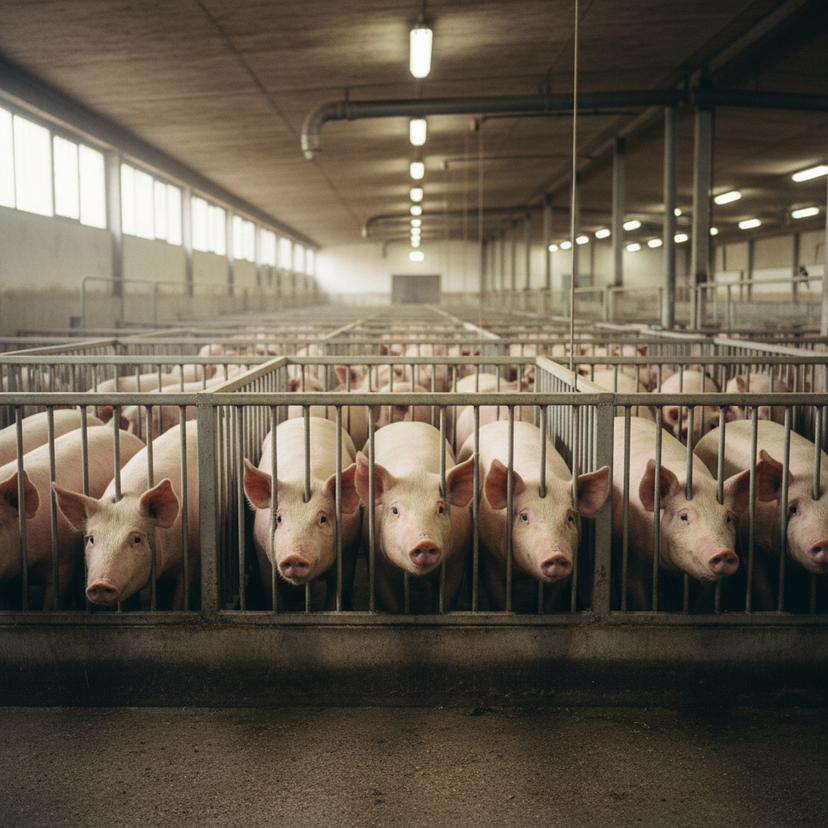
| Category | 2023 Market Share (%) | 2026 Forecast Market Share (%) | Growth Driver |
|---|---|---|---|
| Conventional Meat | 70 | 65 | Price sensitivity |
| 'Humane' Certified Meat | 15 | 16 | Niche ethical consumer |
| Organic Meat | 4 | 4 | Premium health & environment |
| Plant-Based Meat Alternatives | 11 | 15 | Ethics, sustainability, innovation |
The Policy Landscape: Towards Greater Transparency
The UK government, through bodies like Defra, has indicated a growing interest in food labelling reform to improve clarity for consumers. While calls for mandatory 'method of production' labelling for meat and dairy products continue, progress has been slow. Animal welfare organisations advocate for a comprehensive, mandatory labelling system that clearly indicates farming practices, not just on 'welfare' claims, but also on the full lifecycle and conditions of the animals, to truly empower consumer choice (Farm Animal Welfare Committee, 2025 report).
What UK Consumers Can Do for Truly Ethical Choices
- ✓Educate yourself on certification standards: Understand what each label realistically guarantees.
- ✓Prioritise plant-based options: This is the only way to avoid contributing to animal exploitation.
- ✓Support robust labelling reforms: Advocate for transparent ‘method of production’ labelling.
- ✓Question marketing claims: Be critical of terms like 'natural' or 'farm-fresh' without verifiable backing.
- ✓Vote with your wallet: Choose brands and retailers committed to genuine sustainability and animal rights.
Frequently Asked Questions
What does 'RSPCA Assured' really mean for animal welfare in the UK?
RSPCA Assured signifies that farms meet the RSPCA's welfare standards, which are generally higher than minimum legal requirements for animals like pigs and chickens. However, it still permits practices such as beak trimming, tail docking (under veterinary advice), and the slaughter of millions of animals annually, which fall short of many consumers' ideals of truly 'humane' treatment (RSPCA Assured, 2024).
Is 'free-range' chicken genuinely humane in the UK?
'Free-range' chicken in the UK means birds have access to the outdoors for at least part of their lives, and stocking densities are lower than conventional. While an improvement, millions of 'free-range' chickens still live in large sheds, are often slaughtered at a young age, and experience significant stress during transportation and at the slaughterhouse (Defra, 2023).
Why is 'humane meat' still controversial among animal rights advocates?
Animal rights advocates argue that any system using animals for food inherently involves exploitation and a violation of their right to life and bodily autonomy. Even 'higher welfare' systems ultimately subject animals to forced breeding, confinement, and a premature, violent death, thus making the term 'humane meat' an oxymoron from an ethical standpoint (PETA, 2024).
How do climate change concerns influence the 'humane meat' debate?
'Higher welfare' meat, particularly from grazing animals, often has a larger carbon footprint per unit of protein compared to intensively farmed meat due to slower growth rates and greater land use. This complicates its positioning as a 'sustainable' choice when considering broader environmental impacts beyond animal welfare (EAT-Lancet Commission, 2022).
Key Takeaways
- UK 'humane' labels offer incremental welfare improvements but do not eliminate inherent suffering or slaughter.
- There is a significant gap between consumer expectations of 'humane' farming and actual industry practices.
- Economic pressures and fragmented regulations continue to challenge genuine welfare progress.
- Plant-based alternatives remain the most ethically consistent choice for those prioritising animal rights and welfare.
- Greater transparency through mandatory 'method of production' labelling is crucial for truly informed consumer decisions.
Related Reading
9 Surprising Ways Slaughterhouse Closures Are Reshaping Rural UK Economies in 2026
From job losses to green job creation, this feature reveals how slaughterhouse closures are transforming rural economies and what it means for factory farming's future.
10 min read
Veal Crates vs Pasture-Raised Calves: Which Beef System Is More Ethical?
Veal crates confine calves for months, while pasture-raised systems offer better welfare—but both end in slaughter. Compare costs, ethics, and sustainability.
6 min read
The State of UK Factory Farming in 2026: Antibiotic Use, Welfare, and Policy Data
A data-driven report on UK factory farming in 2026, covering antibiotic use, welfare breaches, slaughter statistics, and policy shifts toward plant-based alternatives.
7 min read