Comparisons
Comparisons
VegEco publishes plant-based living, animal welfare, climate and sustainability journalism in 33 languages.
24
Comparisons
4
Themes
33
Languages
No labels
Just criteria
Food & Nutrition
- Oat milkDairy milk
Oat milk vs dairy milk
How oat milk and cow's milk compare on nutrition, taste, cooking behaviour, land and water use, and animal welfare.
Plant-Based · Nutrition & Health · Climate
- Soy milkAlmond milk
Soy milk vs almond milk
Protein, allergens, water use and cooking performance compared for the two oldest plant milks on the shelf.
Plant-Based · Nutrition & Health · Sustainable Living
- Plant-based meatBeef
Plant-based meat vs beef
Saturated fat, sodium, processing, climate footprint and animal impact compared for burger-format products.
Plant-Based · Nutrition & Health · Climate
- VeganVegetarian
Vegan vs vegetarian
What each diet includes, the animal-welfare difference dairy and eggs make, and which nutrients need attention in both.
Plant-Based · Animal Rights · Nutrition & Health
- TofuChicken
Tofu vs chicken
Protein density, cooking versatility, cost, and the welfare and antibiotic profile of broiler production.
Plant-Based · Nutrition & Health · Factory Farming
- B12 supplementFortified foods
B12 supplement vs fortified foods
Two reliable routes to adequate B12 on a plant-based diet, and how to tell which one fits your routine.
Nutrition & Health · Plant-Based
- Vegan cheeseDairy cheese
Vegan cheese vs dairy cheese
Melt, nutrition, price and the fermentation technologies closing the gap.
Plant-Based · Nutrition & Health · Recipes
- Meatless MondayGoing fully vegan
Meatless Monday vs going fully vegan
Adherence, impact and the psychology of gradual versus complete dietary change.
Plant-Based · Activism · Sustainable Living
- Plant protein powderWhey protein
Plant protein powder vs whey
Amino-acid profiles, digestion, muscle-building evidence and what blends solve.
Nutrition & Health · Plant-Based
- Cultivated meatPlant-based meat
Cultivated meat vs plant-based meat
Two routes past animal agriculture, at very different stages of readiness.
Plant-Based · Climate · Animal Rights
Animals
- Free-range eggsCage eggs
Free-range eggs vs cage eggs
What the labels legally guarantee, what they do not, and what stays the same in both systems.
Animal Rights · Factory Farming
- Grass-fed beefFeedlot beef
Grass-fed beef vs feedlot beef
Land use, methane, animal welfare and the 'regenerative' claim compared honestly.
Factory Farming · Climate · Animal Rights
- Wild-caught fishFarmed fish
Wild-caught fish vs farmed fish
Bycatch, sea-lice and escapes, feed conversion, contaminants and welfare in the two seafood systems.
Ocean Conservation · Animal Rights · Climate
- Cage-freePasture-raised
Cage-free vs pasture-raised
Two of the most confusing welfare labels on the shelf, decoded.
Animal Rights · Factory Farming
- HoneyPlant-based sweeteners
Honey vs plant-based sweeteners
Why honey is excluded from vegan diets, what commercial beekeeping involves, and how the alternatives behave in cooking.
Plant-Based · Animal Rights · Wildlife
- ZoosSanctuaries
Zoos vs animal sanctuaries
Conservation claims, breeding programmes, visitor access and what 'sanctuary' actually guarantees.
Animal Rights · Wildlife
Planet
- Eating localEating plant-based
Eating local vs eating plant-based
Which choice moves your food footprint more — and why transport is a smaller lever than most people assume.
Climate · Sustainable Living · Plant-Based
- Switching to an EVSwitching to a plant-based diet
Electric car vs plant-based diet
Two of the highest-profile personal climate actions, compared on cost, speed and footprint reduction.
Climate · Sustainable Living · Plant-Based
- Palm oilAlternative oils
Palm oil vs alternative oils
Why boycotting palm oil can backfire, what certification does and does not fix, and where the deforestation pressure really sits.
Wildlife · Climate · Sustainable Living
- Carbon offsetsDietary change
Carbon offsets vs dietary change
Additionality, permanence and verification problems versus a reduction you control directly.
Climate · Sustainable Living · Plant-Based
Living
- Vegan leatherAnimal leather
Vegan leather vs animal leather
Durability, plastic content, tannery pollution and the by-product argument examined.
Ethical Fashion · Animal Rights · Sustainable Living
- CompostingRecycling
Composting vs recycling
Where each system actually works, what contaminates them, and which household stream deserves your attention first.
Zero Waste · Sustainable Living · Climate
- Fast fashionSecondhand
Fast fashion vs secondhand
Cost per wear, microfibre shedding, labour conditions and animal materials across two ways of dressing.
Ethical Fashion · Sustainable Living · Zero Waste
- WoolPlant and synthetic fibres
Wool vs plant and synthetic fibres
Mulesing, biodegradability, warmth-to-weight and microplastics compared across insulating materials.
Ethical Fashion · Animal Rights · Sustainable Living
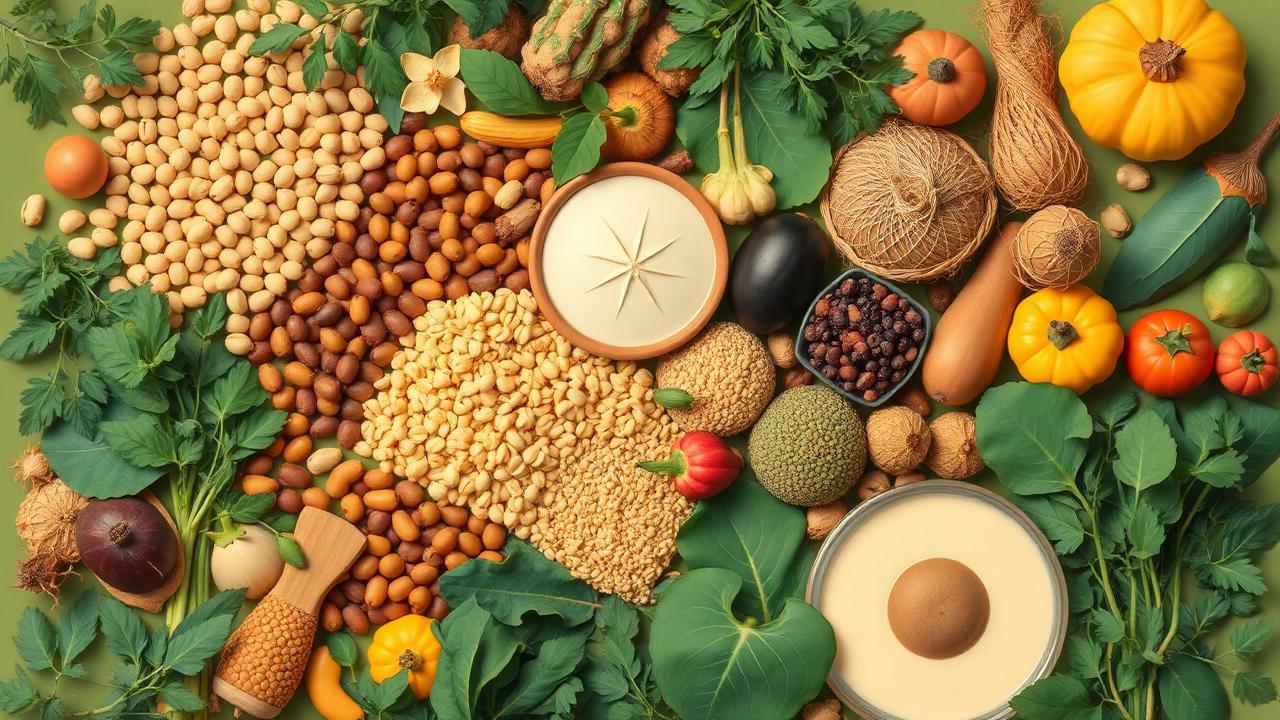
Comparison pages weigh exactly two options against the same set of criteria: nutrition, emissions, land and water use, animal welfare, cost, and practical trade-offs in everyday use. Oat milk against almond milk. Tofu against seitan. Wool against acrylic. One question, two answers, the same yardstick applied to both.
We do not declare winners. Almost every real comparison in this field depends on what you are optimising for — a plant milk with the lowest water footprint is rarely the one with the best protein figure — so each page states the criteria explicitly and lets you weigh them for your own situation.
The criteria we apply
Environmental figures come from published life-cycle assessments, and we say so when studies disagree, because they frequently do: the same crop grown in two regions can differ several-fold in water intensity. Nutrition figures come from standard composition tables rather than manufacturer marketing. Welfare assessments describe the production system, not the label on the packet.
Why context beats a verdict
A comparison that produces a single winner has usually hidden its assumptions. Water scarcity matters enormously in one region and marginally in another. Protein quality matters more for an older reader than for a young athlete with an abundant diet. Price is decisive for some households and irrelevant to others. Our pages surface those dependencies instead of averaging them away.
How to read the trade-offs
Start by deciding which one or two criteria actually govern your choice, then read only those rows carefully. If two options are close on your priority criterion, the honest conclusion is that the choice does not matter much — and the difference between either of them and the conventional animal-derived alternative is usually far larger than the difference between them.
| Criterion | What it measures | Common pitfall |
|---|---|---|
| Nutrition | Composition per realistic serving | Comparing fortified to unfortified |
| Emissions | Greenhouse gases across the life cycle | Ignoring land-use change |
| Water | Blue and green water demand | Averaging across very different regions |
| Land | Area required per unit of output | Omitting feed production |
| Welfare | The production system involved | Trusting a label instead of the system |
| Cost & use | Price and everyday practicality | Ignoring waste and shelf life |
FAQ
- Why don't your comparisons pick a winner?
- Because the answer depends on the criterion you care about. We give you the same evidence on both options and make the trade-offs explicit rather than hiding a value judgement inside a verdict.
- Where do the environmental numbers come from?
- Published life-cycle assessments and national inventories, cited in the underlying articles. Where credible studies disagree, we report the range instead of picking the most convenient figure.
- Do comparisons account for regional differences?
- Yes, and each edition is written for its own readers, so the Spanish and Indian editions may reach different practical conclusions on the same pair because their supply chains genuinely differ.
- How often are comparisons revised?
- Whenever new assessments materially change a figure. The URL stays stable so links and citations continue to work.