Beginner's Guide to Ocean Conservation Jobs: 7 Steps to Start in 2026
How to land a career protecting marine life: skills, salaries, remote roles, and the fastest routes into ocean conservation jobs in 2026.
Eleanor Vance · 8 min read · 1,853 Words
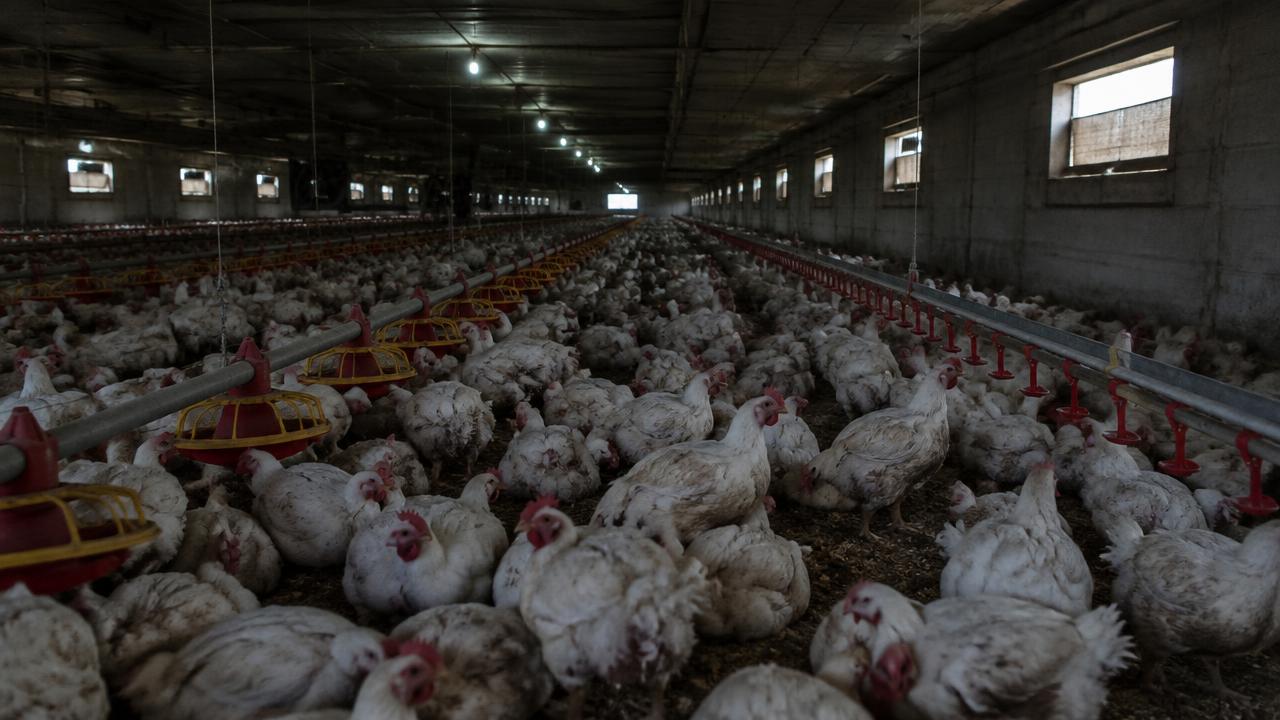
Industrial livestock concentrates far more nutrients than nearby land can absorb. This hub follows manure lagoons, nitrate leaching, eutrophication and coastal dead zones — and the communities living beside them.

How to land a career protecting marine life: skills, salaries, remote roles, and the fastest routes into ocean conservation jobs in 2026.
Eleanor Vance · 8 min read · 1,853 Words

From job losses to green job creation, this feature reveals how slaughterhouse closures are transforming rural economies and what it means for factory farming's future.
10 min read

Veal crates confine calves for months, while pasture-raised systems offer better welfare—but both end in slaughter. Compare costs, ethics, and sustainability.
6 min read

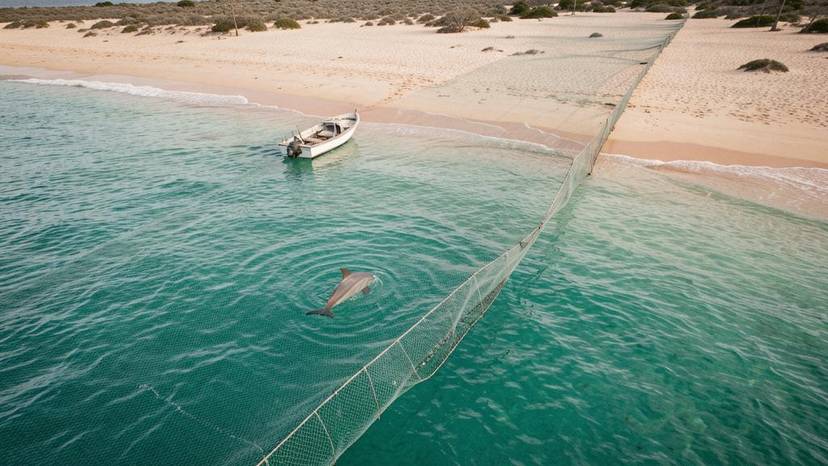
Australia's shark culling programs kill thousands of marine animals each year while doing little for public safety or climate resilience—here's the evidence and what to do instead.
9 min read

UK insurers are quietly repricing livestock farm premiums as climate shocks mount — here's what it means for animal agriculture and plant-based transition.
10 min read

A data-driven report on UK factory farming in 2026, covering antibiotic use, welfare breaches, slaughter statistics, and policy shifts toward plant-based alternatives.
7 min read

Follow the money in Britain's alternative protein market: 2026 funding data reveals which startups, investors, and sectors are winning—and what it means for animals and the planet.
8 min read

Explore the hidden environmental costs of industrial animal agriculture in the UK, from ammonia emissions to antibiotic resistance, and discover actionable solutions for a sustainable food system.
8 min read

A case study of the UK's landmark live export ban under the Animal Welfare Act 2026, and what it means for industrial animal agriculture, supply chains, and animal rights.
8 min read

From jumpers to blankets, discover the best plant-based and recycled wool alternatives that keep you warm without supporting sheep farming's cruelty.
6 min read

An independent review of UK antibiotic-free pork brands, examining welfare claims, sustainability, and whether they justify higher prices for conscious consumers.
8 min read

Discover how the pioneering 'No Shark Fin Trade' policy at the Port of Felixstowe in the UK is setting a new standard for marine conservation and challenging the global shark fin industry.
8 min read

Discover the best sustainable seafood guides of 2026 to make informed, ethical choices and avoid supporting industries like nascent octopus farming.
10 min read

The recent parliamentary debate on banning rabbit meat farming in the UK signifies a pivotal moment for animal welfare, challenging existing food systems and setting a precedent for future animal protection legislation.
7 min read

Uncover the harsh realities and common misconceptions surrounding the UK's live animal export trade, exposing the truth behind this controversial practice.
7 min read

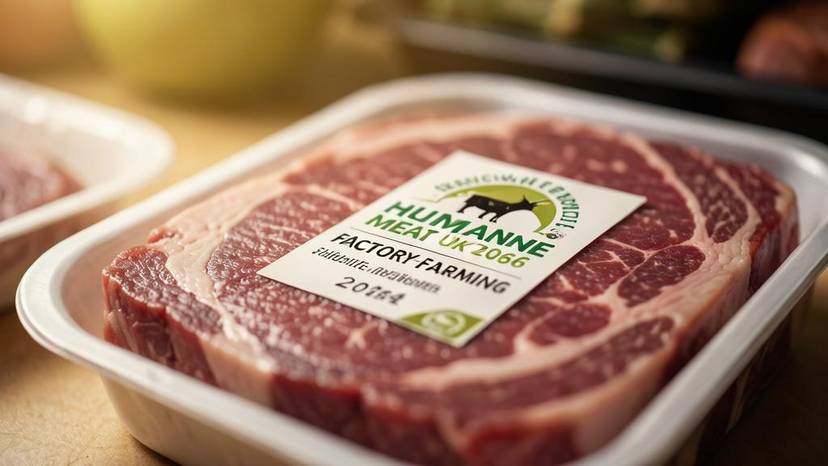
Explore the current landscape of 'humane meat' in the UK market, uncovering why this marketing term often falls short of genuine animal welfare and ethical standards.
8 min read

Industrial animal agriculture is a significant public health hazard, creating ideal conditions for zoonotic pathogen emergence and the spread of antibiotic resistance, sparking the next pandemic threat.
9 min read

This hub is a standing reference page. Instead of a single article frozen at its publication date, it collects everything VegEco has reported on one question and keeps the collection current: new pieces join automatically as our desks publish them, and the orientation above is revised whenever the underlying evidence moves.
Read it as a route rather than a list. The articles beneath answer distinct sub-questions — what the science says, what the numbers are, what changes in practice, and what to do next — so you can start wherever your own decision sits instead of reading top to bottom.
Only original VegEco reporting appears here. Each linked piece is 1,200–2,200 words, carries a named desk, a publication date and its primary sources, and was written natively in the language you are reading rather than machine-translated from English. Pieces that merely mention the topic in passing are excluded; a hub is meant to be the shortest complete path through a subject, not an archive dump.
Environmental and welfare figures vary with method, geography and year, so check the date on every article you cite and prefer the piece that names its dataset. Life-cycle emissions numbers depend on system boundaries; welfare claims depend on the certification scheme behind them; nutrition claims depend on intake, not on food labels alone. Where our reporting disagrees with a widely repeated figure, the article explains why.
If you are choosing between two specific options, the comparison pages weigh them against shared criteria. If you want everything one desk publishes, follow the category. If you are tracking a narrow theme across desks, follow the tag. Hubs sit above all three and are the right entry point when the question is broad and you are new to it.