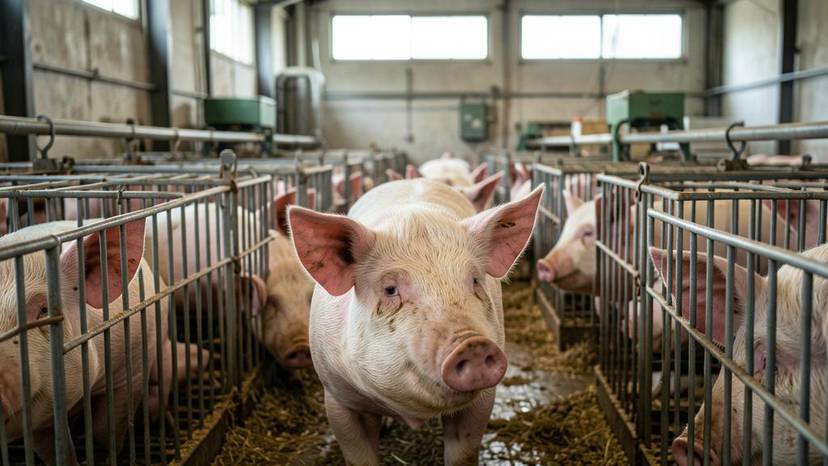
Veal Crates vs Pasture-Raised Calves: Which Beef System Is More Ethical?
Veal crates confine calves for months, while pasture-raised systems offer better welfare—but both end in slaughter. Compare costs, ethics, and sustainability.
6 min read
Food & Nutrition
The 'ultra-processed' argument has become the standard objection to plant-based meat, and it deserves a serious answer rather than a slogan. This comparison looks at the burger format specifically — the product category where the two are used interchangeably — and separates what is genuinely different from what is marketing on both sides.
| Criterion | Plant-based meat | Beef |
|---|---|---|
| Saturated fat | Varies by brand; coconut-oil-based products can approach beef, pea-protein products usually sit below it. | Consistently high, and the main reason health bodies cap red-meat intake. |
| Sodium | Generally higher than unseasoned mince — the main nutritional trade-off. | Low before cooking; rises with seasoning and processing into bacon or sausage. |
| Fibre and cholesterol | Contains fibre; contains no dietary cholesterol. | No fibre; contains dietary cholesterol. |
| Climate footprint | A small fraction of beef's greenhouse-gas intensity per kilo in every published assessment. | The highest-emission mainstream food, driven by enteric methane and feed-related land conversion. |
| Antibiotics and zoonotic risk | No routine antibiotic use; no live-animal disease reservoir. | Tied to intensive livestock systems where antibiotic use and zoonotic spillover risk concentrate. |
Veal crates confine calves for months, while pasture-raised systems offer better welfare—but both end in slaughter. Compare costs, ethics, and sustainability.
6 min read

UK insurers are quietly repricing livestock farm premiums as climate shocks mount — here's what it means for animal agriculture and plant-based transition.
10 min read
Follow the money in Britain's alternative protein market: 2026 funding data reveals which startups, investors, and sectors are winning—and what it means for animals and the planet.
8 min read
From gut-microbiome science to carbon-labelled menus, these five plant-based diet trends are redefining how Britons eat, shop, and think about food in 2026.
7 min read
From job losses to green job creation, this feature reveals how slaughterhouse closures are transforming rural economies and what it means for factory farming's future.
10 min read
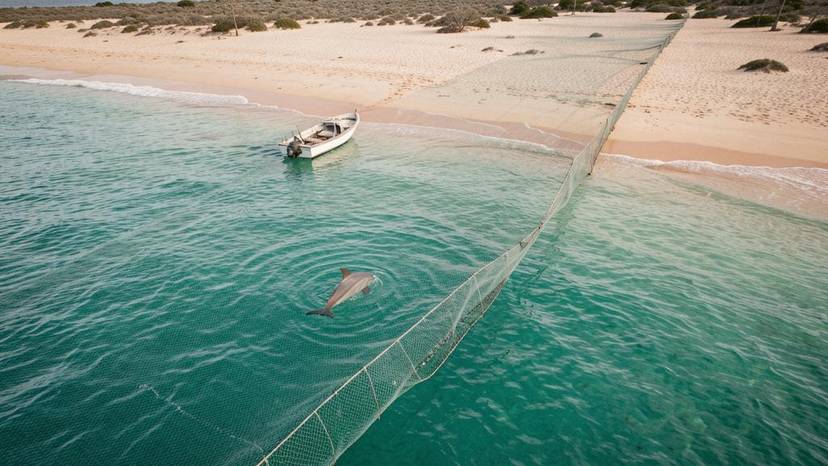
Australia's shark culling programs kill thousands of marine animals each year while doing little for public safety or climate resilience—here's the evidence and what to do instead.
9 min read
This comparison weighs two options against the same criteria so the trade-off is visible instead of implied. We do not crown a universal winner: the better choice depends on what you are optimising for — emissions, animal welfare, nutrition, cost, availability or time — and those priorities differ legitimately between readers.
Everything below is drawn from our own reporting in this edition. Where the evidence is genuinely contested, the comparison says so rather than resolving it artificially, and the linked articles show the datasets behind each claim.
Both sides are measured against identical criteria and, wherever possible, against figures from the same study or dataset — mixing sources with different system boundaries is the most common way comparisons mislead. Emissions are given per useful unit rather than per kilogram where that changes the ranking, welfare is assessed against the certification scheme actually in force, and nutrition is compared at realistic serving sizes.
Local context decides several criteria. Water footprint depends on where a crop grows, not only on what it is. Availability, price and labelling rules vary by country. Personal nutrition needs vary by age, pregnancy, medication and medical history. Treat the comparison as a structured way to think, and check the criteria that are local to you.
Pick the two or three criteria that actually matter to you and ignore the rest — a comparison optimised for everything at once is optimised for nothing. If the two options are close on your priorities, the tiebreaker is usually whichever you will realistically keep doing, because sustained changes outperform theoretically optimal ones that get abandoned.
| Criterion | What we look at | Why it varies |
|---|---|---|
| Climate | Emissions per useful unit | System boundaries and geography |
| Land and water | Use per unit of output | Local rainfall and land quality |
| Animals | Welfare outcomes, not labels | Certification scheme in force |
| Nutrition | Realistic serving sizes | Individual needs and intake |
| Practicality | Cost, availability, effort | Country and household |