
The Ultimate Wool Swap Guide: 12 Ethical Alternatives Without Animal Suffering
From jumpers to blankets, discover the best plant-based and recycled wool alternatives that keep you warm without supporting sheep farming's cruelty.
6 min read
Living
Wool is the hardest animal material to argue about, because it performs superbly and biodegrades, while its alternatives often shed microplastics. The welfare questions — mulesing, live export, and slaughter at the end of productive life — are what put it on the wrong side of the line for vegan wardrobes.
| Criterion | Wool | Plant and synthetic fibres |
|---|---|---|
| Performance | Excellent warmth-to-weight, moisture management and odour resistance. | Acrylic is warm but shedding; organic cotton and hemp breathe but insulate poorly; TENCEL and recycled synthetics sit in between. |
| Welfare | Mulesing is still legal in major producing regions; sheep are slaughtered when fleece yield drops, and live export remains a flashpoint. | No animals involved. |
| End of life | Biodegrades. | Plant fibres biodegrade; synthetics do not and shed microfibres throughout their life. |
| Land and emissions | Sheep are ruminants, so wool carries enteric methane and significant grazing land use. | Lower land use; synthetics carry fossil-feedstock emissions instead. |
From jumpers to blankets, discover the best plant-based and recycled wool alternatives that keep you warm without supporting sheep farming's cruelty.
6 min read

Discover the finest plant-based and recycled wool-free fabrics from British brands, and learn how swapping fleece protects sheep from factory-farm cruelty.
11 min read
A former broiler farm worker reveals the hidden cruelty inside industrial chicken sheds and why poultry welfare lags behind every other farmed animal.
7 min read
How did vulture populations collapse across Asia and Africa? This timeline traces the poisoning, conservation, and recovery efforts behind one of nature's most vital clean-up crews.
10 min read

Trace the evolution of big-cat cub-petting from Victorian menageries to modern roadside zoos, and how animal-rights campaigns are ending the practice.
7 min read

Tyre wear microplastics are the UK's largest source of ocean plastic; these seven filtration systems and alternatives cut pollution at the source.
10 min read
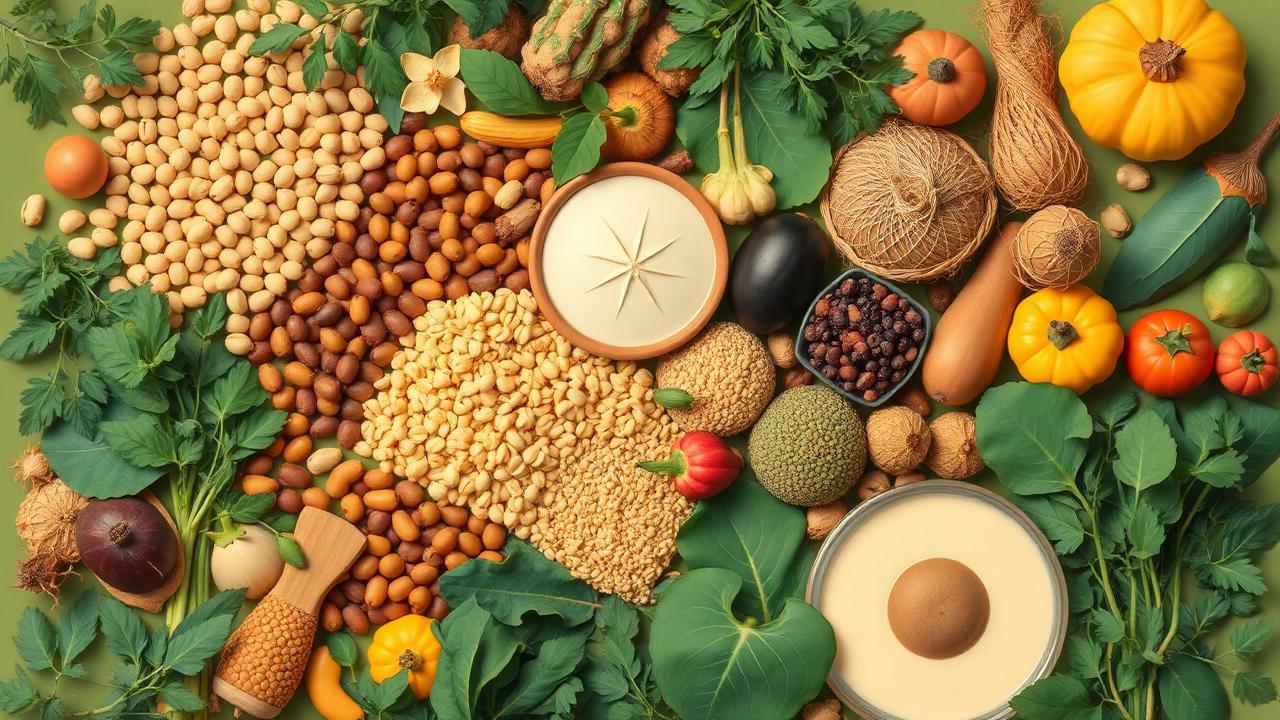
This comparison weighs two options against the same criteria so the trade-off is visible instead of implied. We do not crown a universal winner: the better choice depends on what you are optimising for — emissions, animal welfare, nutrition, cost, availability or time — and those priorities differ legitimately between readers.
Everything below is drawn from our own reporting in this edition. Where the evidence is genuinely contested, the comparison says so rather than resolving it artificially, and the linked articles show the datasets behind each claim.
Both sides are measured against identical criteria and, wherever possible, against figures from the same study or dataset — mixing sources with different system boundaries is the most common way comparisons mislead. Emissions are given per useful unit rather than per kilogram where that changes the ranking, welfare is assessed against the certification scheme actually in force, and nutrition is compared at realistic serving sizes.
Local context decides several criteria. Water footprint depends on where a crop grows, not only on what it is. Availability, price and labelling rules vary by country. Personal nutrition needs vary by age, pregnancy, medication and medical history. Treat the comparison as a structured way to think, and check the criteria that are local to you.
Pick the two or three criteria that actually matter to you and ignore the rest — a comparison optimised for everything at once is optimised for nothing. If the two options are close on your priorities, the tiebreaker is usually whichever you will realistically keep doing, because sustained changes outperform theoretically optimal ones that get abandoned.
| Criterion | What we look at | Why it varies |
|---|---|---|
| Climate | Emissions per useful unit | System boundaries and geography |
| Land and water | Use per unit of output | Local rainfall and land quality |
| Animals | Welfare outcomes, not labels | Certification scheme in force |
| Nutrition | Realistic serving sizes | Individual needs and intake |
| Practicality | Cost, availability, effort | Country and household |