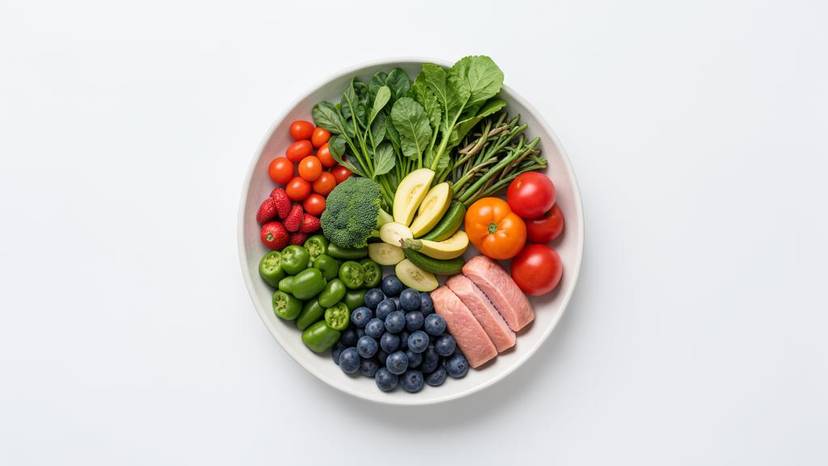
Plant-Based Diet Trends 2026: 5 Food System Shifts Shaping UK Nutrition
From gut-microbiome science to carbon-labelled menus, these five plant-based diet trends are redefining how Britons eat, shop, and think about food in 2026.
7 min read
Food & Nutrition
Soy and almond are the two plant milks most often recommended by dietitians and most often argued about online. They behave very differently: one is a complete protein source, the other is a light, low-calorie drink. This page separates the nutrition question from the sustainability question so you can pick per use case rather than picking a side.
| Criterion | Soy milk | Almond milk |
|---|---|---|
| Protein | Comparable to cow's milk and a complete protein — the usual dietitian default for children and older adults. | Very low; almond milk is mostly water with a small amount of ground almond. |
| Calories | Moderate. | Low, which makes unsweetened almond popular for calorie control. |
| Water use | Modest freshwater demand. | The highest freshwater demand of the mainstream plant milks, concentrated in drought-exposed growing regions. |
| Allergens | Soy is a major allergen and a common early-childhood allergy. | Tree-nut allergen; unsuitable for many school and workplace settings. |
| Cooking | Sets in custards and béchamel and curdles less in hot savoury dishes. | Thin; better in cereal, smoothies and baking than in sauces. |
From gut-microbiome science to carbon-labelled menus, these five plant-based diet trends are redefining how Britons eat, shop, and think about food in 2026.
7 min read

Tyre wear microplastics are the UK's largest source of ocean plastic; these seven filtration systems and alternatives cut pollution at the source.
10 min read
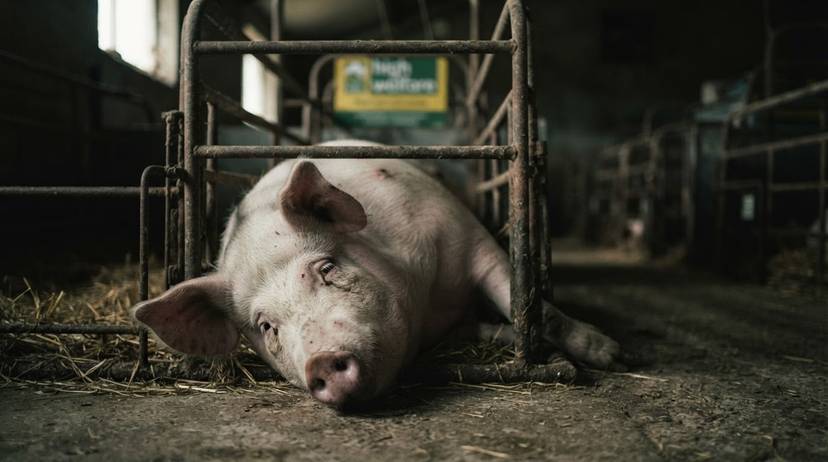
Undercover investigations inside supposedly 'high welfare' UK pig farms expose a disturbing reality, revealing systemic animal cruelty hidden behind misleading labels and greenwashing tactics.
7 min read
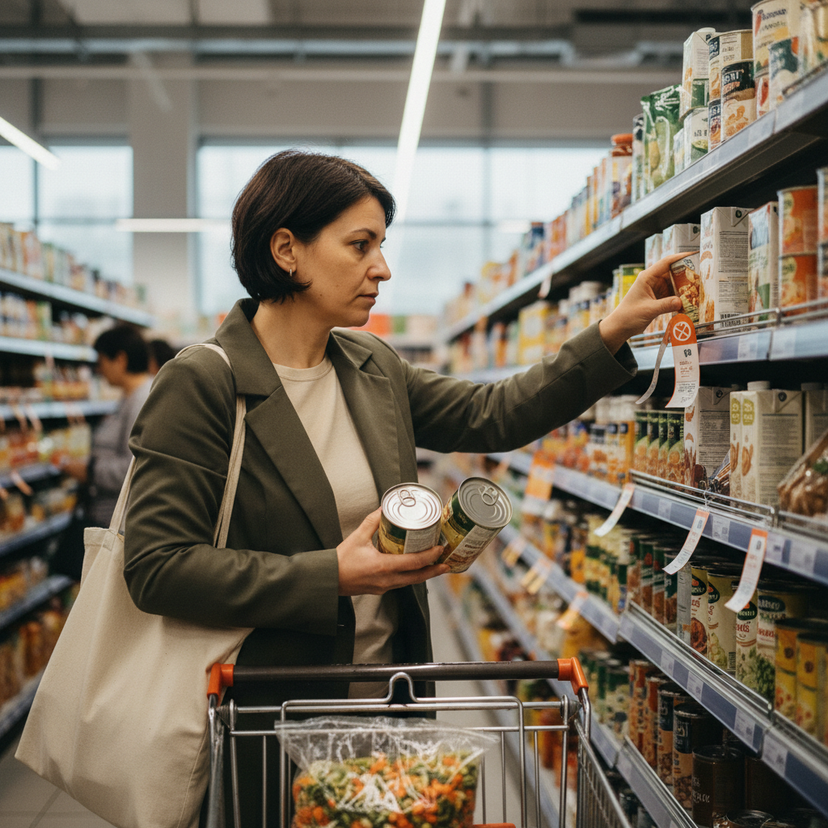
For individuals managing kidney disease, understanding which plant protein sources are optimal is crucial for maintaining health and minimising renal impact.
6 min read

Discover whether carbon labelling or price more heavily influences UK consumers' decisions when choosing plant-based foods, and which holds the most sway for sustainable living.
7 min read
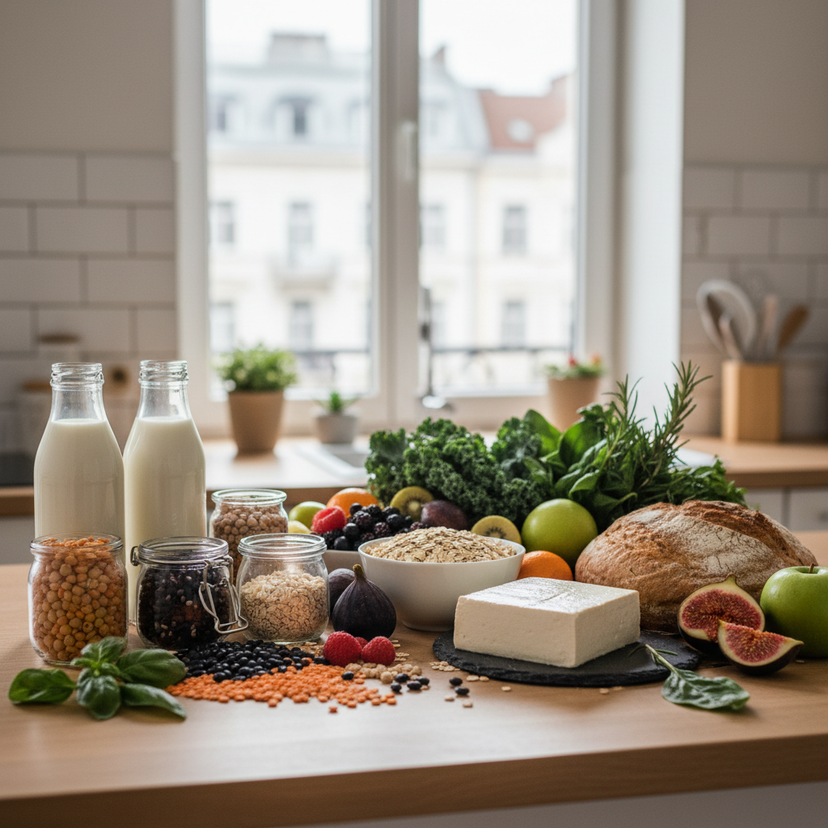
Explore the surging plant-based dairy market in 2026, uncovering key innovations, shifting consumer preferences, and its environmental advantages over traditional dairy.
6 min read
This comparison weighs two options against the same criteria so the trade-off is visible instead of implied. We do not crown a universal winner: the better choice depends on what you are optimising for — emissions, animal welfare, nutrition, cost, availability or time — and those priorities differ legitimately between readers.
Everything below is drawn from our own reporting in this edition. Where the evidence is genuinely contested, the comparison says so rather than resolving it artificially, and the linked articles show the datasets behind each claim.
Both sides are measured against identical criteria and, wherever possible, against figures from the same study or dataset — mixing sources with different system boundaries is the most common way comparisons mislead. Emissions are given per useful unit rather than per kilogram where that changes the ranking, welfare is assessed against the certification scheme actually in force, and nutrition is compared at realistic serving sizes.
Local context decides several criteria. Water footprint depends on where a crop grows, not only on what it is. Availability, price and labelling rules vary by country. Personal nutrition needs vary by age, pregnancy, medication and medical history. Treat the comparison as a structured way to think, and check the criteria that are local to you.
Pick the two or three criteria that actually matter to you and ignore the rest — a comparison optimised for everything at once is optimised for nothing. If the two options are close on your priorities, the tiebreaker is usually whichever you will realistically keep doing, because sustained changes outperform theoretically optimal ones that get abandoned.
| Criterion | What we look at | Why it varies |
|---|---|---|
| Climate | Emissions per useful unit | System boundaries and geography |
| Land and water | Use per unit of output | Local rainfall and land quality |
| Animals | Welfare outcomes, not labels | Certification scheme in force |
| Nutrition | Realistic serving sizes | Individual needs and intake |
| Practicality | Cost, availability, effort | Country and household |