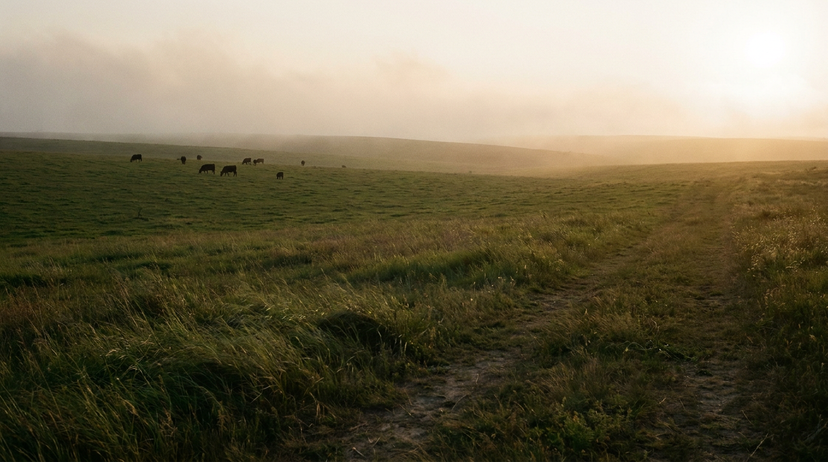
The Vegan Kingdom's New Clothes: When Plant-Based Pioneers Embrace Cattle Ranching
The shocking pivot by the founders of a vegan empire from oat milk to animal agriculture reveals a deep philosophical rift in the future of ethical eating.
7 min read
Food & Nutrition
Vegetarianism removes the animals from your plate; veganism removes them from your supply chain. The gap between the two is mostly dairy and eggs, and that gap turns out to carry most of the welfare and climate difference. Here is what actually changes when you cross it.
| Criterion | Vegan | Vegetarian |
|---|---|---|
| What is excluded | All animal products, including dairy, eggs, honey, gelatine and animal-derived additives. | Meat and fish only; dairy and eggs remain. |
| Animal impact | Removes demand from the dairy and egg systems, which involve calf separation and male-chick culling. | Leaves those systems intact — laying hens and dairy cows still enter the meat supply at the end of production. |
| Nutrients to watch | B12 (supplement required), vitamin D, iodine, omega-3 DHA/EPA, iron, zinc. | Iron, zinc and omega-3 still need attention; B12 is partly covered by dairy and eggs. |
| Eating out | Improving fast, but still requires checking butter, cheese and egg-glaze in many cuisines. | Widely catered for on almost every menu. |
The shocking pivot by the founders of a vegan empire from oat milk to animal agriculture reveals a deep philosophical rift in the future of ethical eating.
7 min read

Discover how Lisbon became Europe's vegan hotspot and why a plant-based food tour here is the most sustainable way to experience Portugal.
8 min read
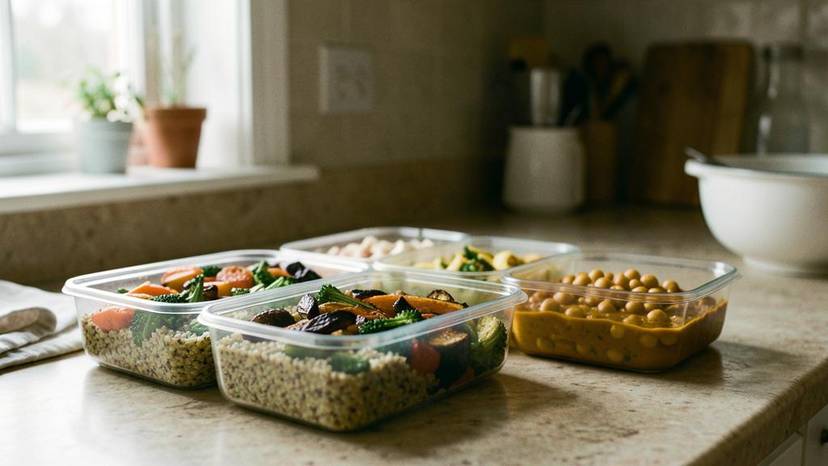
Learn how to start vegan meal prep in the UK on a tight budget, with a 7-day starter plan, cost breakdown, and expert tips to save time and money.
9 min read

Everything you need to know about building a vegan capsule wardrobe cheaply, with UK prices, fabric guidance, worker-rights checks and resale tips.
8 min read
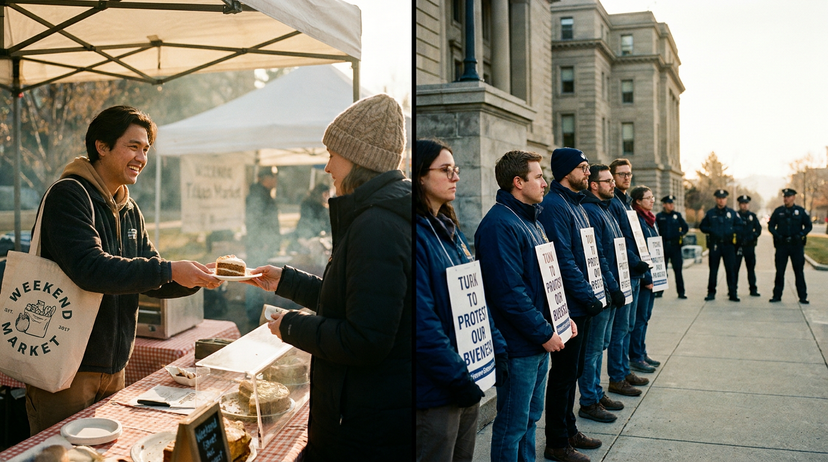
This evidence-led analysis compares the effectiveness, public perception, and legal risks of educational vegan outreach against disruptive direct action in the modern animal rights movement.
8 min read

Discover the finest plant-based and recycled wool-free fabrics from British brands, and learn how swapping fleece protects sheep from factory-farm cruelty.
11 min read
This comparison weighs two options against the same criteria so the trade-off is visible instead of implied. We do not crown a universal winner: the better choice depends on what you are optimising for — emissions, animal welfare, nutrition, cost, availability or time — and those priorities differ legitimately between readers.
Everything below is drawn from our own reporting in this edition. Where the evidence is genuinely contested, the comparison says so rather than resolving it artificially, and the linked articles show the datasets behind each claim.
Both sides are measured against identical criteria and, wherever possible, against figures from the same study or dataset — mixing sources with different system boundaries is the most common way comparisons mislead. Emissions are given per useful unit rather than per kilogram where that changes the ranking, welfare is assessed against the certification scheme actually in force, and nutrition is compared at realistic serving sizes.
Local context decides several criteria. Water footprint depends on where a crop grows, not only on what it is. Availability, price and labelling rules vary by country. Personal nutrition needs vary by age, pregnancy, medication and medical history. Treat the comparison as a structured way to think, and check the criteria that are local to you.
Pick the two or three criteria that actually matter to you and ignore the rest — a comparison optimised for everything at once is optimised for nothing. If the two options are close on your priorities, the tiebreaker is usually whichever you will realistically keep doing, because sustained changes outperform theoretically optimal ones that get abandoned.
| Criterion | What we look at | Why it varies |
|---|---|---|
| Climate | Emissions per useful unit | System boundaries and geography |
| Land and water | Use per unit of output | Local rainfall and land quality |
| Animals | Welfare outcomes, not labels | Certification scheme in force |
| Nutrition | Realistic serving sizes | Individual needs and intake |
| Practicality | Cost, availability, effort | Country and household |