
7 Best Tyre Wear Microplastic Filters for UK Cars in 2026
Tyre wear microplastics are the UK's largest source of ocean plastic; these seven filtration systems and alternatives cut pollution at the source.
10 min read
Food & Nutrition
There is a long-running argument about whether reduction campaigns build a bridge to plant-based eating or provide a comfortable place to stop. The behavioural evidence points in both directions, and the honest answer depends on what kind of change tends to stick for you.
| Criterion | Meatless Monday | Going fully vegan |
|---|---|---|
| Immediate impact | A fraction of weekly consumption. | The full reduction, immediately. |
| Adherence | Low barrier; easy to start and easy to keep. | Higher initial effort, but identity-based change is more durable once established. |
| Social friction | Minimal. | Requires navigating family meals, restaurants and travel. |
| Risk | Can become a stopping point rather than a step. | All-or-nothing framing can trigger abandonment after a single lapse. |
Tyre wear microplastics are the UK's largest source of ocean plastic; these seven filtration systems and alternatives cut pollution at the source.
10 min read
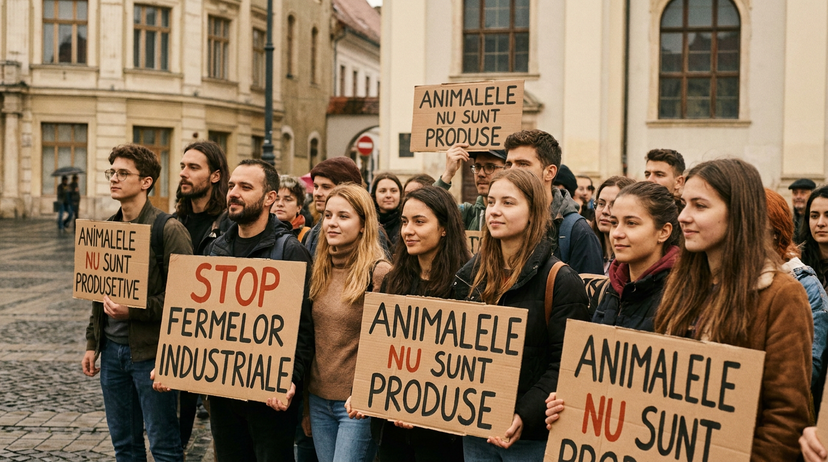
The future of gestation crates in pig farming is under intense scrutiny. We explore where policies restricting gestation crates are heading next in the UK and globally, forecasting five key trends for 2026.
8 min read

Berlin's plant-based street food scene is rapidly transforming the city's culinary landscape, offering a compelling case study in sustainable urban development and ethical consumption.
7 min read
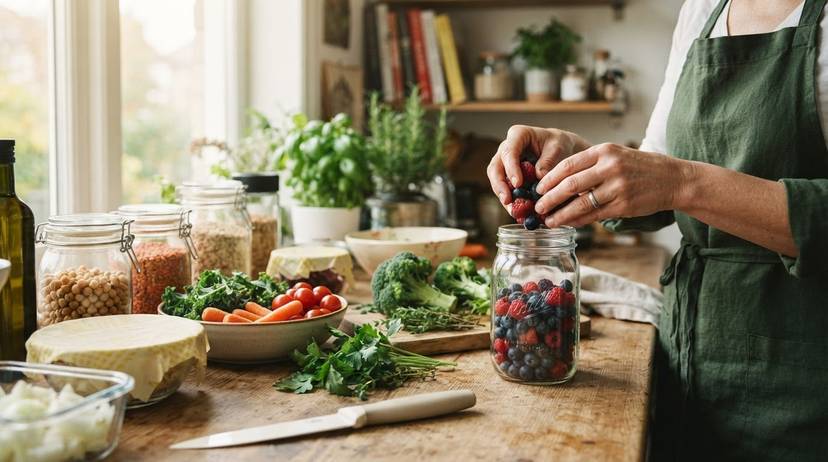
Discover how Piglets' Paradise, a small UK animal sanctuary, orchestrated a groundbreaking campaign that led to the nationwide ban on veal crates in 2024, reshaping calf welfare.
9 min read
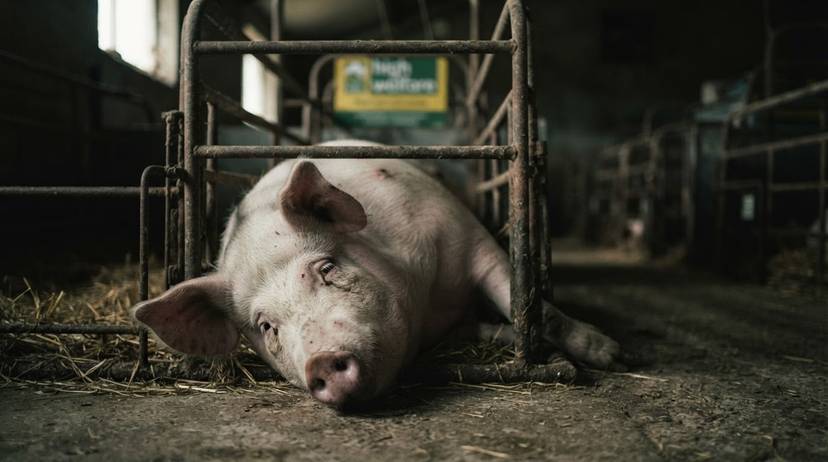
Undercover investigations inside supposedly 'high welfare' UK pig farms expose a disturbing reality, revealing systemic animal cruelty hidden behind misleading labels and greenwashing tactics.
7 min read
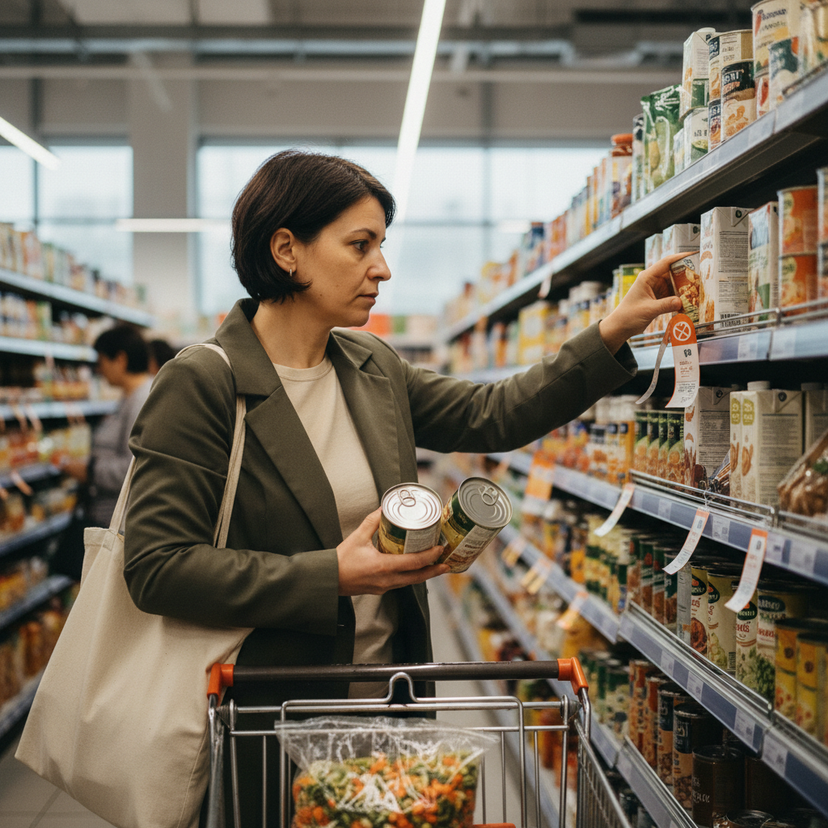
For individuals managing kidney disease, understanding which plant protein sources are optimal is crucial for maintaining health and minimising renal impact.
6 min read
This comparison weighs two options against the same criteria so the trade-off is visible instead of implied. We do not crown a universal winner: the better choice depends on what you are optimising for — emissions, animal welfare, nutrition, cost, availability or time — and those priorities differ legitimately between readers.
Everything below is drawn from our own reporting in this edition. Where the evidence is genuinely contested, the comparison says so rather than resolving it artificially, and the linked articles show the datasets behind each claim.
Both sides are measured against identical criteria and, wherever possible, against figures from the same study or dataset — mixing sources with different system boundaries is the most common way comparisons mislead. Emissions are given per useful unit rather than per kilogram where that changes the ranking, welfare is assessed against the certification scheme actually in force, and nutrition is compared at realistic serving sizes.
Local context decides several criteria. Water footprint depends on where a crop grows, not only on what it is. Availability, price and labelling rules vary by country. Personal nutrition needs vary by age, pregnancy, medication and medical history. Treat the comparison as a structured way to think, and check the criteria that are local to you.
Pick the two or three criteria that actually matter to you and ignore the rest — a comparison optimised for everything at once is optimised for nothing. If the two options are close on your priorities, the tiebreaker is usually whichever you will realistically keep doing, because sustained changes outperform theoretically optimal ones that get abandoned.
| Criterion | What we look at | Why it varies |
|---|---|---|
| Climate | Emissions per useful unit | System boundaries and geography |
| Land and water | Use per unit of output | Local rainfall and land quality |
| Animals | Welfare outcomes, not labels | Certification scheme in force |
| Nutrition | Realistic serving sizes | Individual needs and intake |
| Practicality | Cost, availability, effort | Country and household |