
A short history of big-cat cub-petting: from circus to crisis
Trace the evolution of big-cat cub-petting from Victorian menageries to modern roadside zoos, and how animal-rights campaigns are ending the practice.
7 min read
Animals
Both call themselves places where animals are cared for, and the word 'sanctuary' has no universal legal protection. The meaningful test is not the name on the gate but three questions: does the institution breed, does it trade, and is the animal's interest or the visitor's the priority.
| Criterion | Zoos | Sanctuaries |
|---|---|---|
| Breeding | Central to collection management; surplus animals are transferred or, in some jurisdictions, euthanised. | Genuine sanctuaries do not breed; residents are typically rescues who cannot be released. |
| Trade | Animals move between institutions as part of studbook programmes. | No buying, selling or trading. |
| Visitor contact | Public display is the business model; some sites offer hands-on encounters. | Limited or no contact; viewing is arranged around the animals, not the audience. |
| Conservation value | Real for a small number of reintroduction programmes; marginal for most charismatic display species. | Individual welfare rather than population conservation. |
Trace the evolution of big-cat cub-petting from Victorian menageries to modern roadside zoos, and how animal-rights campaigns are ending the practice.
7 min read
How did vulture populations collapse across Asia and Africa? This timeline traces the poisoning, conservation, and recovery efforts behind one of nature's most vital clean-up crews.
10 min read
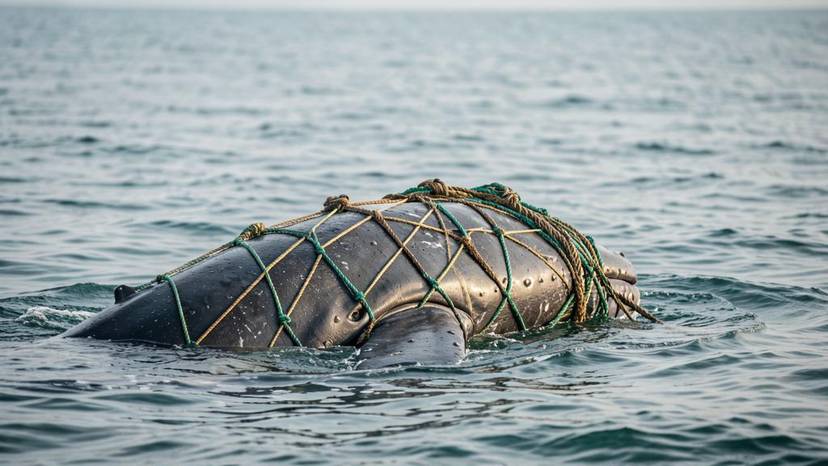
We fact-check the fishing industry's claim that marine protected areas harm livelihoods, revealing what the evidence says about biodiversity recovery, fish stocks, and coastal jobs.
8 min read
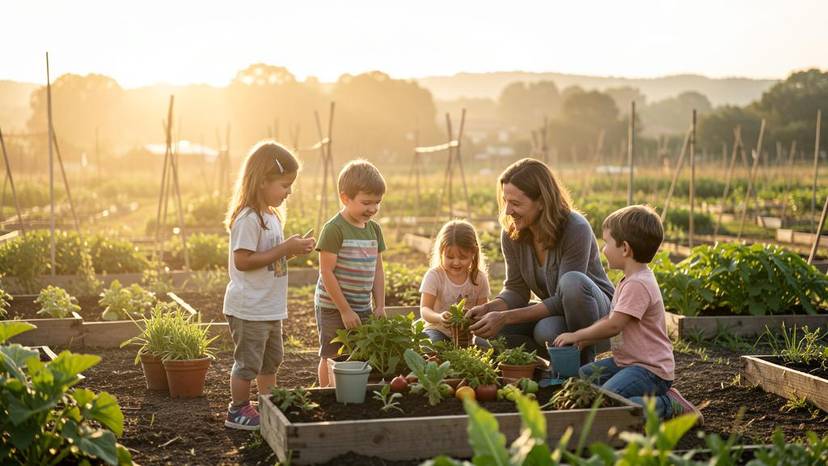
A former broiler farm worker reveals the hidden cruelty inside industrial chicken sheds and why poultry welfare lags behind every other farmed animal.
7 min read
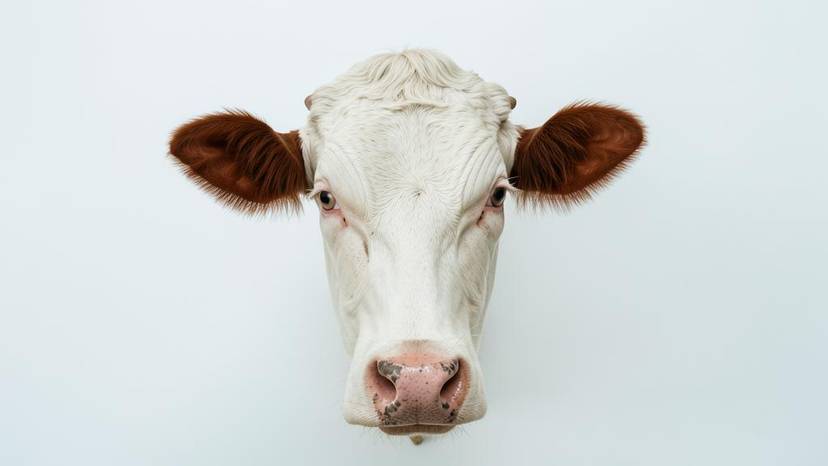
A former dairy farmer reveals the hidden cruelty of artificial insemination in dairy cows and why the animal rights movement must target the dairy industry's core practices.
9 min read

A trauma-free family guide to explaining animal farming, plant-based eating, and food origins to children aged 3–14, with age-appropriate scripts and expert-backed nutrition tips.
10 min read
This comparison weighs two options against the same criteria so the trade-off is visible instead of implied. We do not crown a universal winner: the better choice depends on what you are optimising for — emissions, animal welfare, nutrition, cost, availability or time — and those priorities differ legitimately between readers.
Everything below is drawn from our own reporting in this edition. Where the evidence is genuinely contested, the comparison says so rather than resolving it artificially, and the linked articles show the datasets behind each claim.
Both sides are measured against identical criteria and, wherever possible, against figures from the same study or dataset — mixing sources with different system boundaries is the most common way comparisons mislead. Emissions are given per useful unit rather than per kilogram where that changes the ranking, welfare is assessed against the certification scheme actually in force, and nutrition is compared at realistic serving sizes.
Local context decides several criteria. Water footprint depends on where a crop grows, not only on what it is. Availability, price and labelling rules vary by country. Personal nutrition needs vary by age, pregnancy, medication and medical history. Treat the comparison as a structured way to think, and check the criteria that are local to you.
Pick the two or three criteria that actually matter to you and ignore the rest — a comparison optimised for everything at once is optimised for nothing. If the two options are close on your priorities, the tiebreaker is usually whichever you will realistically keep doing, because sustained changes outperform theoretically optimal ones that get abandoned.
| Criterion | What we look at | Why it varies |
|---|---|---|
| Climate | Emissions per useful unit | System boundaries and geography |
| Land and water | Use per unit of output | Local rainfall and land quality |
| Animals | Welfare outcomes, not labels | Certification scheme in force |
| Nutrition | Realistic serving sizes | Individual needs and intake |
| Practicality | Cost, availability, effort | Country and household |