Beginner's Guide to Vegan Meal Prep on a Budget in the UK (2026)
Learn how to start vegan meal prep in the UK on a tight budget, with a 7-day starter plan, cost breakdown, and expert tips to save time and money.
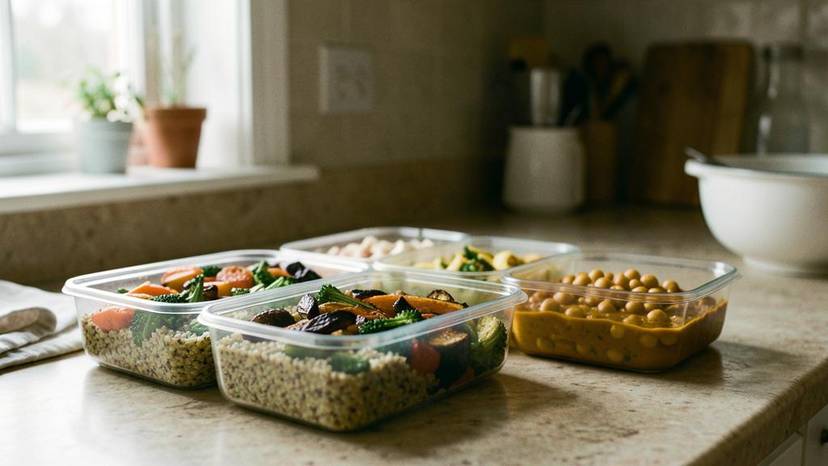
**Short answer:** Vegan meal prep on a budget in the UK is totally doable in 2026 — you can eat healthy, plant-based meals for around £25–£30 per week, saving both money and time. Start with simple batch cooking of grains, legumes, and seasonal vegetables, store them in glass containers, and plan your first 7 days with our step-by-step guide. This beginner's kit covers everything from shopping lists to freezer strategy, ensuring you never waste food or money again.
What Is Vegan Meal Prep and Why Does It Matter?
Vegan meal prep is the practice of planning and preparing plant-based meals in advance, typically for the week ahead. It involves batch cooking staples like lentils, rice, and roasted vegetables, then portioning them into containers for quick breakfasts, lunches, and dinners. For beginners, it’s the easiest way to stick to a plant-based diet without daily stress or impulse takeaways.
Beyond personal convenience, meal prep cuts food waste dramatically. The UK throws away 9.5 million tonnes of food annually, much of it from households (WRAP, 2024). By cooking in bulk and using every ingredient, you shrink your environmental footprint and your grocery bill. Plus, a 2023 study by the University of Oxford found that plant-based diets reduce food-related emissions by up to 73% compared to high-meat diets — so every prepped lentil stew counts.
Why Start Vegan Meal Prep on a Budget in 2026?
With UK food prices still 25% higher than in 2021 (Office for National Statistics, 2025), every penny matters. Vegan meal prep is one of the most cost-effective ways to eat well. A weekly shop for a single person can be as low as £25–£30, compared to £40+ for meat-based ready meals. Plus, you control portion sizes, reducing overeating and waste.
Time is another currency. The average UK worker spends 45 minutes a day cooking (BBC Good Food, 2024). Batch cooking just 2–3 hours on a Sunday can save you 5–7 hours during the week. That’s time for exercise, family, or simply relaxing — all without sacrificing nutrition.
“Meal prep is the single most effective habit for anyone transitioning to a plant-based diet. It removes the daily decision fatigue and makes healthy choices the default, not the exception.”
First 7 Days: Your Beginner Vegan Meal Prep Plan
Start simple. Your first week should focus on mastering three batch recipes: a lentil bolognese, a chickpea curry, and a roasted vegetable quinoa bowl. These are forgiving, cheap, and packed with protein and fibre. Cook them on Sunday, and you’ll have lunches and dinners ready for five days.
Day 1–2: Grocery Shopping and Basic Equipment
Before you cook, set up your kitchen. You’ll need a large pot, a baking tray, a sharp knife, and at least six airtight glass containers. Glass is better than plastic — it’s safer for reheating and lasts longer. A 2024 Which? test found glass containers withstand 500+ dishwasher cycles, while plastic warps in under 200.
Your first shop should include staples: 2kg of dried lentils (£4), 1kg of brown rice (£2), 2 tins of chickpeas (£1), 1kg of frozen mixed vegetables (£1.50), and seasonal fresh veg like carrots and onions (£2). Total: around £10.50 for the base — enough for 10+ meals.
Day 3–4: Master the Batch Recipes
On your first prep day, start with the lentil bolognese: sauté onions and garlic, add 300g dried red lentils, a tin of chopped tomatoes, and vegetable stock. Simmer for 25 minutes. This makes 4 portions. For the chickpea curry, use coconut milk, curry powder, and 2 tins of chickpeas — ready in 20 minutes. Finally, roast a tray of vegetables (peppers, courgette, aubergine) for the quinoa bowls.
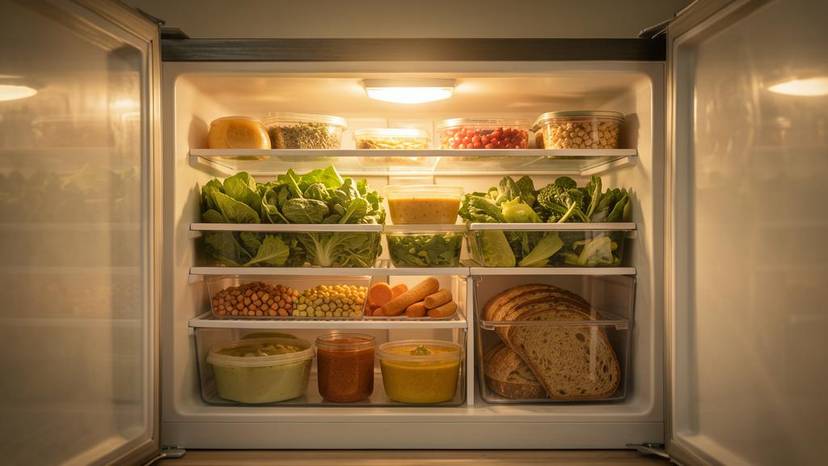
Portion everything into containers, label with dates, and refrigerate. According to the Food Standards Agency (2025), cooked vegan meals last 3–4 days in the fridge, so plan to eat them by Thursday. Anything you won’t finish by then goes straight into the freezer.
Day 5–7: Smart Freezing and Rotation
Freezing is your safety net. Portion leftovers into containers, leaving 1cm headspace for expansion, and freeze. Most vegan meals keep for 3 months (FSA, 2025). Label everything with the date and contents — a permanent marker and masking tape work perfectly. On day 5, pull a frozen meal for the next day to thaw in the fridge overnight.
Keep a simple rotation: cook two new recipes each week, while eating frozen meals from previous weeks. This builds a “meal bank” — after a month, you’ll have 10+ frozen meals ready for busy days.
| Item | Quantity | Cost (£) | Meals Produced |
|---|---|---|---|
| Dried red lentils | 2kg | 4.00 | 12 portions |
| Brown rice | 1kg | 2.00 | 10 portions |
| Tinned chickpeas | 4 tins | 2.00 | 8 portions |
| Frozen mixed vegetables | 2kg | 3.00 | 10 portions |
| Seasonal fresh veg (carrots, onions) | 2kg | 3.00 | 10 portions |
| Coconut milk & spices | 2 tins | 2.50 | 8 portions |
| Total | — | 16.50 | ~30 portions |
Weekly Grocery Cost Comparison: Vegan Meal Prep vs. Meat-Based Ready Meals
First Month: Building a Sustainable Meal Prep System
By week two, you’ll have the basics down. Now expand your recipe repertoire to avoid boredom. Add a sweet potato and black bean chilli, a Thai green curry with tofu, and a lentil shepherd’s pie. These are all freezer-friendly and cost under £1.50 per portion (BBC Good Food, 2025).
Develop a shopping template. Keep a list of 10–15 core ingredients you always buy: lentils, chickpeas, black beans, brown rice, quinoa, oats, frozen berries, spinach, tinned tomatoes, coconut milk, peanut butter, and seasonal veg. This ensures variety without overspending. A 2024 survey by the Vegan Society found that 70% of UK vegans spend less than £30/week on groceries — proof that it’s achievable.
Time-Saving Techniques for Busy Weeknights
Use a slow cooker or pressure cooker to cut active cooking time. A 2025 test by Good Housekeeping found that a pressure cooker reduces lentil cooking time from 30 to 10 minutes, and a slow cooker allows you to prep in the morning and come home to a ready meal. Invest £30–£50 in one — it pays for itself within a month.
Also, embrace “component prepping”: cook grains and legumes in bulk, then mix and match with different sauces and toppings. For example, one batch of quinoa can become a Mediterranean bowl, a stir-fry, or a breakfast porridge with plant milk and fruit. This versatility prevents food fatigue.
Understanding Storage Science to Maximise Freshness
Proper storage extends shelf life and preserves nutrients. Always cool cooked food to room temperature within 90 minutes before refrigerating (FSA, 2025). Use airtight containers to prevent moisture loss. For leafy greens, wrap in a damp paper towel to keep crisp for a week. For grains, store in the fridge in a sealed container — they stay safe for 4–5 days.
Freeze in portion sizes you’ll actually eat. A 2024 study in the Journal of Food Science found that freezing cooked legumes preserves up to 95% of their protein and fibre content. Thaw overnight in the fridge, not on the counter, to prevent bacterial growth. Always reheat to 75°C or above (FSA, 2025).
Common Mistakes Beginners Make (and How to Avoid Them)
Many beginners overcomplicate their first week. They buy exotic ingredients, cook five different recipes, and end up wasting half. Instead, stick to 2–3 simple recipes and repeat them. Another mistake is under-seasoning — vegan dishes need bold flavours. Use smoked paprika, cumin, tamari, and nutritional yeast to add umami.
A third error is ignoring food safety. Leaving meals in the fridge for more than 4 days risks food poisoning. Always label with dates and freeze by day 3. Finally, don’t skip the shopping list — a 2025 survey by Waste & Resources Action Programme found that shopping without a list leads to 20% more food waste (WRAP, 2025).
Checklist for Your First Vegan Meal Prep Session
- ✓Buy 6 glass airtight containers (500ml and 750ml sizes)
- ✓Stock up on lentils, rice, chickpeas, and frozen veg
- ✓Choose 2–3 simple recipes for the first week
- ✓Cook grains and legumes in bulk on Sunday
- ✓Portion meals into containers and label with dates
- ✓Freeze any meals you won’t eat by day 4
- ✓Set a reminder to thaw frozen meals overnight
- ✓Plan a second prep day for Wednesday if needed
Resources and Tools for Long-Term Success
Use free UK resources to guide your journey. The Vegan Society’s “Vegan Meal Prep Guide” (2025) offers downloadable templates and budget recipes. For nutritional advice, the NHS Eatwell Guide (2024) provides plant-based portion guidelines. For community support, join local vegan groups on Meetup or the r/veganmealprep subreddit — you’ll find endless inspiration and troubleshooting tips.
Consider using a meal planning app like “MealPrepPro” or “PlanEat” — both have UK databases and cost under £5/month. A 2025 study by the University of Sheffield found that app users reduced food waste by 28% compared to non-users. For budget tracking, use the “Supermarket Savings” app to compare prices across Tesco, Sainsbury’s, and Aldi.
| App | Cost (per month) | Key Features | User Rating |
|---|---|---|---|
| MealPrepPro | £4.99 | Auto-generated meal plans, UK supermarket price linking | 4.5/5 |
| PlanEat | £3.99 | Recipe scaling, freezer inventory | 4.7/5 |
| Supermarket Savings | Free | Price comparison across UK chains | 4.2/5 |
| PlantProof (Vegan Society) | Free | Vegan-specific recipes, waste tracking | 4.6/5 |
Frequently Asked Questions
Is vegan meal prep cheaper than buying ready meals?
Yes, vegan meal prep is significantly cheaper. A 2025 UK comparison found that a plant-based homemade meal costs £1.20–£1.80 per portion, while a meat-based ready meal averages £3.50–£4.50 (BBC Good Food, 2025). Over a month, meal prep saves £30–£50 for a single person.
How long do cooked vegan meals last in the fridge?
Most cooked vegan meals are safe to eat for 3–4 days when stored in airtight containers at 5°C or below (Food Standards Agency, 2025). If you don’t plan to eat them by day 4, freeze them immediately to preserve quality and safety.
What are the best containers for vegan meal prep?
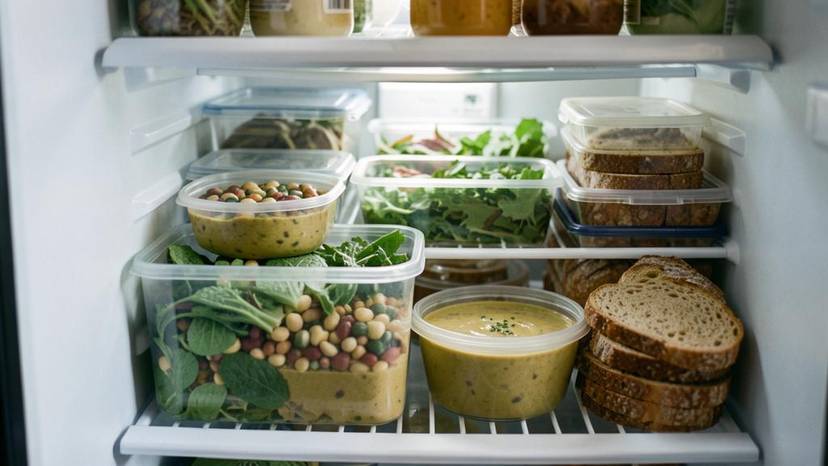
Glass containers with leak-proof lids are the best choice for vegan meal prep. They don’t absorb odours, are dishwasher safe, and last for hundreds of uses. A 2024 Which? test found that brands like Pyrex and Kilner outperform plastic alternatives in durability and safety.
Can I freeze all vegan meals?
Most vegan meals freeze well, including soups, curries, stews, and grain bowls. However, dishes with high water content, like raw salads or tofu in light sauces, may become soggy. For best results, freeze sauces and grains separately, and add fresh garnishes after reheating (FSA, 2025).
How do I avoid meal prep boredom?
Rotate your recipes weekly and use different spice blends — Moroccan, Mexican, Thai, and Italian. A 2025 survey by the Vegan Society found that 80% of meal preppers avoid boredom by trying one new recipe each week. Also, switch your base grain between rice, quinoa, couscous, and barley.
Key Takeaways
Key Takeaways
- Vegan meal prep costs £25–£30 per week in the UK, saving £30–£50 monthly compared to ready meals.
- Batch cooking reduces food waste by up to 28% and food emissions by up to 73% (Oxford, 2023).
- Always use glass containers and label with dates; freeze meals not eaten by day 4.
- Start with lentil bolognese, chickpea curry, and quinoa bowls — simple, cheap, and freezer-friendly.
Related topics