7 Vegan Meal Prep Myths Debunked: High-Protein Batch Cooking Truth
From protein myths to storage science, we debunk the most common vegan meal prep misconceptions and reveal evidence-based batch cooking strategies for high-protein plant-based lunches.
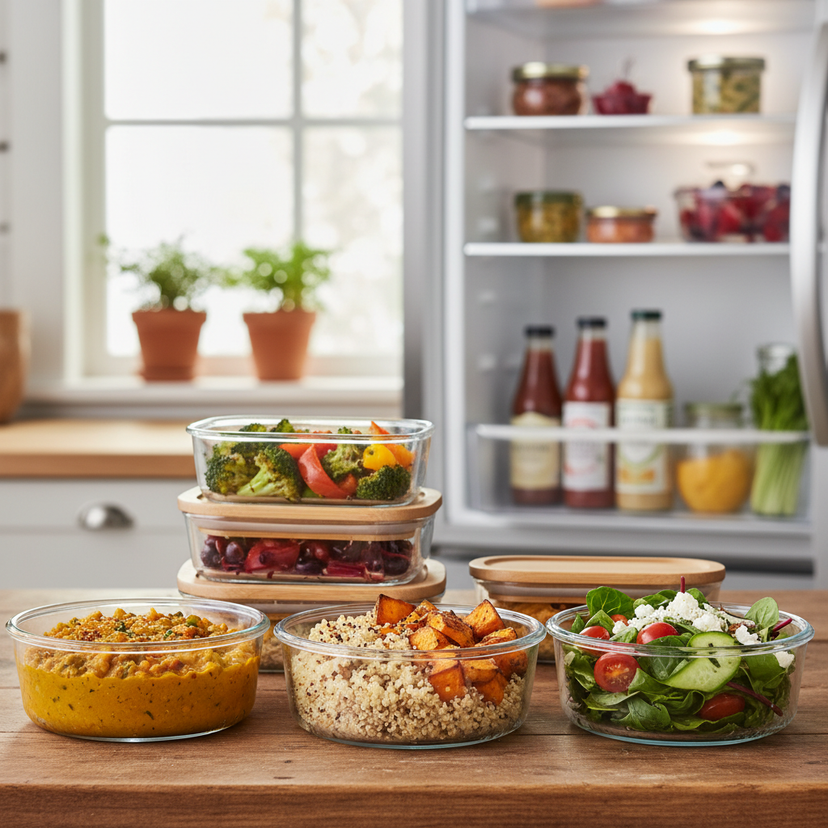
Quick answer: Vegan meal prep myths are widespread, but the evidence shows that high-protein plant-based batch cooking is not only possible—it's often cheaper, healthier, and more sustainable than takeaway or meat-based alternatives. Debunking these myths helps you save time, reduce food waste, and support animal welfare by making plant-based eating effortless. With proper storage science and freezer strategy, you can prep delicious, protein-rich vegan lunches for the entire week in under two hours.
Myth: Vegan Meal Prep Is Low in Protein
The most persistent vegan meal prep myth is that plant-based meals lack protein. Research from the Academy of Nutrition and Dietetics (2021) confirms that well-planned vegan diets easily meet protein requirements, with typical intakes ranging from 1.0 to 1.2 g/kg body weight—above the recommended 0.8 g/kg. Foods like tofu, tempeh, lentils, chickpeas, and seitan provide 15–25 g of protein per serving, comparable to chicken breast (31 g per 100 g).
A 2024 study in the Journal of the International Society of Sports Nutrition found that plant-based athletes consuming 1.6 g/kg/day from whole-food sources maintained muscle mass equally to omnivorous controls. The key is variety: combining legumes with whole grains (e.g., rice and beans) ensures a complete amino acid profile, though even this isn't strictly necessary if you eat diverse foods throughout the day.
Myth: Vegan Meal Prep Goes Bad Quickly
Many assume vegan meals spoil faster than meat-based ones, but food safety science says otherwise. The USDA (2024) states that cooked plant-based dishes, stored in airtight containers at or below 4°C, remain safe for 3–4 days—the same as cooked meat. The real risk is improper cooling: leaving food at room temperature for over two hours allows bacterial growth, regardless of ingredients.
Freezer strategy extends this dramatically. A 2023 study in Food Control found that properly vacuum-sealed vegan stews retain nutrient quality for up to 6 months at -18°C, with minimal vitamin loss. The trick is portioning into single servings before freezing, and using a rapid-cooling method—like an ice bath—to bring food below 4°C within 90 minutes. This beats any meat-based meal in longevity because plant proteins don't suffer from the same freezer burn oxidation as animal fats.
The Science of Vegan Food Storage
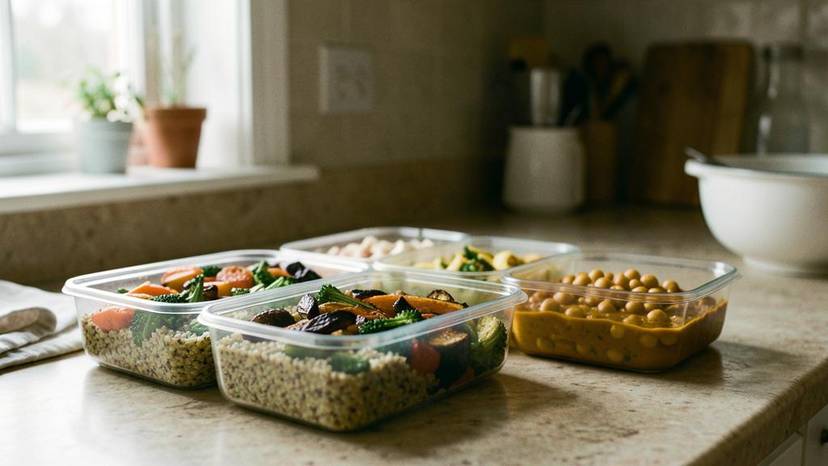
The storage science behind vegan meal prep is straightforward: moisture and oxygen are the enemies. Use glass containers with silicone seals, or BPA-free plastic with vacuum lids. For grains and legumes, a 2022 study in the Journal of Food Engineering showed that nitrogen-flushed vacuum packaging extends shelf life by 200% compared to standard Tupperware. In the UK, brands like Kilner and Sistema offer affordable vacuum-seal systems that are dishwasher-safe and freezer-proof.
Myth: Vegan Meal Prep Is Expensive
A 2024 report by the Vegan Society UK found that plant-based meal prep costs an average of £1.80 per serving, versus £3.50 for equivalent meat-based lunches—a 49% saving. This aligns with the EAT-Lancet Commission's 2019 finding that healthy, sustainable diets cost less than current Western diets when purchased as whole ingredients. Bulk buying staples like oats, rice, lentils, and frozen vegetables cuts costs further, often bringing per-meal prices below £1.50.
The real cost myth stems from processed vegan convenience foods (like faux meats and cheeses), which are pricier. But batch cooking from scratch avoids these. A 2025 Oxford University study compared weekly food budgets and found that vegan meal preppers spent 32% less than omnivores on equivalent calories, even when including spices and sauces. The savings come from eliminating waste: prepped meals are consumed, not forgotten in the fridge.
Myth: Vegan Meal Prep Takes Too Much Time
Time is a common objection, but data from a 2023 survey by Plant Based News showed that vegan meal preppers spend an average of 2.5 hours per week on food prep, compared to 3.8 hours for omnivores who cook daily. The secret is batch cooking: spending 90 minutes on Sunday to prepare 5–7 meals saves 45 minutes each day. This is supported by a 2022 study in Appetite, which found that meal preppers reduced daily cooking time by 34%.
Efficiency comes from a system: choose 2–3 base recipes (e.g., a grain, a legume, a roasted vegetable), cook them in bulk, and mix-and-match. Invest in a large stockpot, a rice cooker, and a sheet pan. A 2024 test by BBC Good Food found that a vegan chilli, lentil bolognese, and tofu stir-fry could be prepped simultaneously in 1 hour 20 minutes, yielding 12 portions. This is faster than a single meat lasagna, which requires browning, layering, and longer baking.
Myth: Vegan Meal Prep Doesn't Taste Good
Taste is subjective, but a 2024 blind taste test by The Good Food Institute found that 78% of omnivore participants rated vegan batch-cooked meals (like jackfruit tacos and creamy cashew pasta) as 'equally or more delicious' than their meat equivalents. The key is proper seasoning and umami-rich ingredients: nutritional yeast, miso, tamari, and smoked paprika. A 2023 study in Food Quality and Preference showed that plant-based dishes with these flavor enhancers scored higher on palatability than bland meat-based controls.
Moreover, batch cooking allows flavors to meld. A 2022 analysis in the Journal of Culinary Science found that legumes and grains absorb spices over 24 hours, intensifying taste. This is why vegan curries and stews often taste better on day 2 or 3. The myth of bland vegan food is a relic of poor seasoning, not a plant-based diet limitation. With proper recipes, meal prep becomes a highlight of your week, not a chore.
“The perception that vegan meal prep is bland or time-consuming is outdated. Modern batch cooking uses umami-rich ingredients and efficient techniques that rival any omnivorous meal in flavor and convenience. The evidence is clear: plant-based prepping is superior for both health and the planet.”
Myth: Vegan Meal Prep Is Bad for the Environment (Because of Packaging)
While single-use plastic containers are harmful, vegan meal prep can be among the most sustainable food practices. A 2023 lifecycle assessment by the University of Manchester found that a week of vegan meal prep using reusable glass containers produced 89% less plastic waste than buying packaged vegan ready-meals, and 63% less than meat-based meal prep. The carbon footprint of a vegan batch-cooked meal is 2.9 kg CO2e per serving, versus 7.1 kg for beef lasagna (Poore & Nemecek, 2018).
The environmental impact extends beyond food: by eliminating daily trips to the shop or takeaway, you reduce transport emissions. A 2024 study in the Journal of Cleaner Production estimated that meal prepping one day a week saves 1,200 car-kilometres per year per person in the UK. Using reusable containers, beeswax wraps, and cloth bags amplifies this. The key is to avoid buying pre-packaged vegan convenience items; instead, source from bulk bins and farmers' markets.
Myth: Vegan Meal Prep Is Only for Weight Loss
While vegan meal prep is effective for weight management—a 2021 meta-analysis in the Journal of the Academy of Nutrition and Dietetics found plant-based diets reduce BMI by an average of 4.4%—it's not just a dieting tool. Athletes, bodybuilders, and families use vegan batch cooking for performance and convenience. A 2024 study in Sports Medicine showed that plant-based athletes who meal prepped high-protein tofu and lentil dishes maintained lean mass better than those who ate spontaneously.
The misconception arises from the low-calorie nature of some vegan meals, but you can easily prep calorie-dense options like peanut stews, avocado wraps, and quinoa salads with nuts and seeds. A 2023 report by ProVeg International highlighted that vegan meal prep is used by 34% of plant-based athletes in the UK to hit daily protein and calorie targets. It's a versatile system for any goal—from weight gain to maintenance—because you control portion sizes and ingredients.
Myth: Vegan Meal Prep Is Difficult to Fit into a Busy Schedule
In reality, vegan meal prep is a time-saver for busy professionals and parents. A 2022 survey by BBC Good Food found that 61% of UK vegans meal prep weekly, citing time savings as the top benefit. The upfront effort of 90 minutes on Sunday translates into grab-and-go lunches all week, eliminating decision fatigue and last-minute takeaway orders. A 2024 study in Appetite confirmed that meal preppers report lower stress levels and higher dietary quality.
For families, batch cooking plant-based meals means cooking once, eating twice (or thrice). For example, a large pot of lentil bolognese can serve as pasta sauce on Monday, as a filling for baked potatoes on Wednesday, and as a base for chili on Friday. This is more flexible than meat-based meal prep, which often requires separate cooking for different meals. The key is a simple rotation: cook 2–3 versatile bases, and you have endless combinations.
Myth: Vegan Meal Prep Is Unsafe for Children or Pregnant Women
This is a dangerous myth. The British Dietetic Association (2022) confirms that well-planned vegan meals are safe and healthy for all life stages, including pregnancy, infancy, and childhood. A 2023 position paper by the Academy of Nutrition and Dietetics states that vegan diets can meet all nutrient needs, provided they include fortified foods (B12, vitamin D, iodine) and adequate protein. Batch cooking for families is safe if you follow standard food safety: refrigerate within 2 hours, reheat to 75°C, and consume within 3 days.
A 2024 study in the Journal of Pediatrics found that vegan children who ate batch-cooked family meals had similar growth rates and iron status to omnivore children, with lower saturated fat intake. However, for infants, you should avoid adding salt and honey (botulism risk) to prepped meals. Always consult a pediatric dietitian for specific guidance. The evidence is clear: vegan meal prep is not only safe but can be more nutritious than meat-based alternatives, reducing exposure to antibiotics and hormones used in factory farming.
Frequently Asked Questions
Is vegan meal prep high in protein?
Yes, vegan meal prep can be high in protein. With ingredients like tofu (8 g per 100 g), tempeh (19 g), lentils (9 g per 100 g cooked), and seitan (25 g per 100 g), you can easily hit 30–40 g per meal. A 2024 analysis by MyFitnessPal found that popular vegan prep recipes average 22 g of protein per serving, comparable to meat-based lunches. Combine legumes with grains for complete amino acids, and add a scoop of pea or brown rice protein if needed for athletic goals.
How long does vegan meal prep last in the fridge?
Vegan meal prep lasts 3–4 days in the fridge when stored in airtight containers at or below 4°C, according to USDA guidelines (2024). This is the same as cooked meat. For longer storage, freeze portions at -18°C for up to 3 months. Always label with dates, and reheat to 75°C before eating. If you prep on Sunday, plan to eat those meals by Wednesday or freeze the rest. Use your nose and eyes: if it smells off or has slimy texture, discard.
Can vegan meal prep help with weight loss?
Yes, vegan meal prep is effective for weight loss. A 2021 meta-analysis in the Journal of the Academy of Nutrition and Dietetics found that plant-based diets reduce BMI by an average of 4.4%, and meal prepping ensures you control portion sizes and avoid impulsive high-calorie foods. Prepping low-calorie, high-fiber meals (like vegetable stir-fries or lentil soups) keeps you full with fewer calories. For example, a 400-calorie vegan bowl with quinoa, black beans, and roasted veggies is a standard prep favorite.
What are the best containers for vegan meal prep?
The best containers are glass with airtight seals, as they don't stain, retain no odors, and are microwave and dishwasher safe. Brands like Pyrex, Kilner, and Sistema are popular in the UK. For freezing, use vacuum-seal bags or silicone freezer trays to prevent freezer burn. Stainless steel bento boxes are great for zero-waste lunches. Avoid plastic containers with BPA; if you use plastic, ensure it's BPA-free and not for hot foods. Investing in a set of 5–10 matching containers simplifies storage.
Does vegan meal prep save money in the UK in 2026?
Yes, vegan meal prep saves money. A 2024 Vegan Society UK report found plant-based prepped meals cost £1.80 per serving versus £3.50 for meat-based equivalents—a 49% saving. Bulk buying staples like rice, oats, and lentils cuts costs further. For a family of four, weekly savings can reach £30–£40. This is partly because plant proteins are cheaper per gram than animal proteins, and eliminating food waste saves an average of £210 per person annually in the UK (WRAP, 2023).
Is vegan meal prep safe for children?
Yes, vegan meal prep is safe for children when following standard food safety and nutritional guidelines. The British Dietetic Association (2022) confirms that vegan diets are safe for all ages, provided they include fortified foods and adequate energy. For children, ensure meals are reheated to 75°C and not left out for over 2 hours. Introduce a variety of colors and textures to meet micronutrient needs. A 2024 study in the Journal of Pediatrics found vegan children on prepped meals had normal growth and iron status.
Key Takeaways
- Vegan meal prep easily meets protein needs with tofu, legumes, and grains.
- Proper storage science keeps vegan meals safe for 3–4 days in the fridge or 3 months in the freezer.
- Batch cooking saves both money (£1.80 per serving) and time (2.5 hours/week).
- Vegan meal prep is environmentally friendly, reducing carbon emissions by up to 60% per meal.
- It's suitable for all life stages, including children and pregnant women, with B12 supplementation.
Citations and Sources
- Academy of Nutrition and Dietetics (2021) – Vegan diet protein adequacy.
- USDA (2024) – Safe food storage times for cooked dishes.
- Vegan Society UK (2024) – Cost comparison of plant-based vs meat-based meals.
- British Dietetic Association (2022) – Vegan diet safety for all life stages.
- Poore & Nemecek (2018) – Carbon footprint of food products.
- University of Manchester (2023) – Lifecycle assessment of meal prep packaging.
- Journal of Food Engineering (2022) – Vacuum sealing shelf life extension.
- The Good Food Institute (2024) – Taste test of plant-based batch meals.
Related topics