Vegan Outreach vs. Direct Action: Which Tactic Is More Effective for Animal Rights?
This evidence-led analysis compares the effectiveness, public perception, and legal risks of educational vegan outreach against disruptive direct action in the modern animal rights movement.
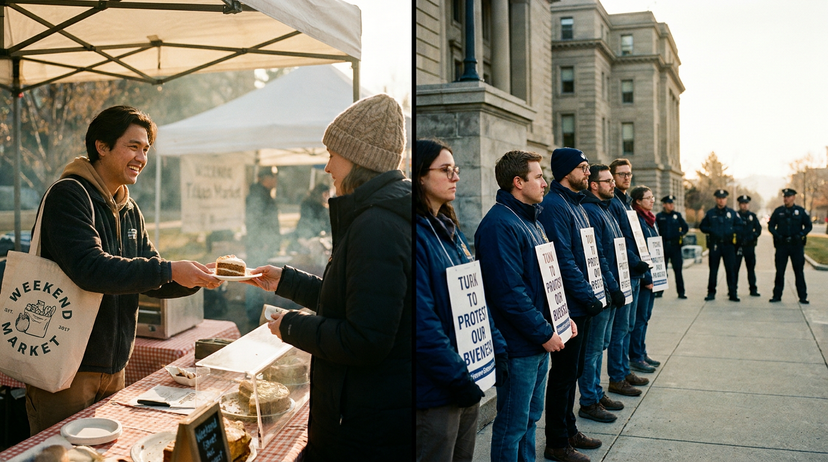
Short answer: Both vegan outreach and direct action are effective but serve different strategic purposes within the animal rights movement. Vegan outreach is superb for building broad public support, shifting cultural norms, and inspiring individual dietary change with low risk. Direct action, while more controversial and carrying higher personal risk, excels at forcing systemic issues into the public and political spotlight, often accelerating corporate and legislative change.
For anyone drawn to animal advocacy, the question of 'how' is as important as 'why'. The movement for animal liberation is a diverse ecosystem of strategies, but two archetypes often dominate the conversation: gentle persuasion and bold disruption. On one side, we have vegan outreach—the patient work of changing hearts and minds one conversation, one leaflet, one vegan sausage roll at a time. On the other, we have non-violent direct action—the confrontational tactics of protest, disruption, and civil disobedience designed to create a crisis that authorities cannot ignore. But in the complex battle for animal rights, is it better to extend an olive branch or to blockade the slaughterhouse gates?
Understanding the Core Philosophies: Education vs. Disruption
At its core, vegan outreach is a strategy of mass communication and education. It operates on the belief that many people participate in animal exploitation out of habit and ignorance rather than malice. The primary goal is to close this information gap. An outreach event can take many forms: a stall at a university freshers' fair, volunteers offering free samples of plant-based milk in a city centre, or activists using virtual reality headsets to show the public the realities of factory farming. Organisations like The Vegan Society and Animal Aid in the UK are masters of this approach, providing resources and support for grassroots efforts aimed at making veganism accessible and appealing.
Direct action, by contrast, is a strategy of political and economic confrontation. It assumes that powerful systems of exploitation—like industrial agriculture—are resistant to gentle persuasion and will not change without significant pressure. Non-violent direct action (NVDA) is a specific subset that uses tactics like blockades, occupations, and disruptions to interrupt the normal functioning of the system being targeted. Groups like Animal Rebellion argue that with the climate crisis and mass extinction accelerating, there is no time for slow, incremental change. Their actions are designed not to win universal popularity, but to generate media attention, force a response from authorities, and create a political dilemma for decision-makers.
Which Tactic Is More Effective at Creating Change?
Measuring the effectiveness of outreach can be challenging but is often focused on individual conversions. Studies by organisations like Faunalytics attempt to track the impact of leaflets and online videos, finding that while conversion rates per interaction are low, the sheer scale of distribution means thousands of people may change their diets as a result. The theory of change is cumulative: as more individuals go vegan, a cultural tipping point is reached, shifting market demand and social norms. This is a long-term strategy, building a broad, resilient base for the movement.
The success of direct action is measured very differently. It is not about winning a popularity contest but about applying targeted pressure. For example, a campaign of disruptions against a specific food company could be deemed successful if it leads that company to commit to a new animal welfare policy or expand its vegan range. According to analysis by the Social Change Lab, high-profile protest movements often correlate with significant increases in public concern and media coverage of the target issue. Direct action creates moments of crisis that demand a resolution, often forcing concessions that years of quiet lobbying could not achieve.
“Successful social movements have always used a spectrum of tactics. The educators build the baseline of public sympathy, which creates a permissive environment for the disrupters to pressure institutions without being completely alienated. They are two sides of the same coin.”
Public Perception and Media Framing
Public perception of vegan outreach is generally neutral to positive. Offering free food, engaging in polite conversation, or holding a peaceful vigil are activities that rarely provoke public anger. The media framing often reflects this, portraying activists as passionate and dedicated individuals. This positive framing helps to normalise veganism and present it as a welcoming and rational choice, which is crucial for attracting new people to the movement and building a broad coalition of support.
Direct action, almost by definition, generates a more polarised and often negative short-term reaction. Blocking a road or disrupting a public event inconveniences people and challenges their sense of order, leading to frustration and criticism. Media coverage often focuses on the disruption itself rather than the underlying message. However, this is where the 'radical flank effect' comes into play. The presence of a radical, disruptive wing can make more moderate organisations seem more reasonable and palatable to policymakers. The intense media coverage, even if negative, ensures the topic of animal rights remains on the news agenda.
Public Support for Protest Tactics (UK, 2024)
Comparing the Legal Risks and Personal Costs in the UK
For the activist, the difference in personal cost is stark. Vegan outreach carries almost no legal risk. Handing out flyers or offering food samples on a public high street is a protected form of freedom of expression. At worst, an activist might be moved on by a private security guard or council official, but arrests or criminal charges are virtually unheard of for these activities.
Conversely, engaging in direct action in the UK now carries substantial legal jeopardy. The landscape has been significantly altered by recent legislation, particularly the Police, Crime, Sentencing and Courts Act 2022 and the Public Order Act 2023. These laws have created new offences like 'locking on' and lowered the threshold for what police can define as 'serious disruption'. Activists face a much higher likelihood of arrest, steep fines, and even prison sentences, alongside the potential for a criminal record that can affect employment and travel for years to come.
Vegan Outreach vs. Direct Action: A Head-to-Head Comparison
| Attribute | Vegan Outreach | Direct Action |
|---|---|---|
| Primary Goal | Individual change & cultural shift | Systemic change & policy pressure |
| Theory of Change | Education leads to consumer change | Disruption forces political/corporate change |
| Public Perception | Largely positive or neutral | Highly polarising, often negative |
| Media Impact | Low but positive when covered | High volume but controversial framing |
| Legal Risk (UK) | Very Low | High and increasing |
| Resource Requirement | Low per event (volunteers, materials) | High per action (legal support, training) |
| Barrier to Entry | Low: anyone can participate | High: requires training, commitment, risk tolerance |
| Verdict | Best for building a broad base and long-term culture shift. | Best for forcing urgent issues onto the agenda and creating crises for power-holders. |
Resources, Training, and Scalability
Vegan outreach is highly scalable due to its low barrier to entry. A new group can be formed with a handful of dedicated volunteers, a printing budget for leaflets, and a trestle table. National organisations often provide starter packs and digital resources, making it simple for individuals anywhere in the country to start their own local chapter. This decentralised model allows the message to spread far and wide with minimal central coordination.
Direct action is more resource-intensive and less easily scaled. Effective and safe actions require considerable planning, security culture, and specific training in non-violence, de-escalation, and legal rights. Affinity groups—small, trusted teams of activists—are the building blocks of these movements. Furthermore, the need for a robust legal support system, including funds for bail and solicitors, adds a significant financial and organisational overhead that limits the frequency and scale of major actions.
Frequently Asked Questions (FAQ)
Doesn't direct action alienate potential allies?
While it can polarise public opinion in the short term, historical analysis shows that disruptive tactics in movements like the Suffragettes or Civil Rights created the political pressure necessary for change. This phenomenon is known as the 'radical flank effect', where the more moderate wing of a movement appears more reasonable to power-holders by comparison, ultimately strengthening the movement's overall negotiating position.
How can I start with vegan outreach?
Starting can be as simple as sharing vegan food with friends or colleagues. For a more structured approach, contact established UK organisations like The Vegan Society or Animal Aid. They often provide free resources, training webinars, and support for running local stalls, food sampling events, or leafleting in your community, which is a great way to meet like-minded people.
Is 'open rescue' legal in the UK?
No, open rescue—the practice of entering a farm without permission to document conditions and remove sick or dying animals—is not legal in the United Kingdom. Activists involved can face serious charges including burglary, theft, and criminal damage. While advocates argue it is a moral necessity to expose suffering, it carries significant legal consequences under UK law.
What is the 'radical flank effect'?
The radical flank effect is a theory in social movement studies which posits that the presence of a radical faction within a movement can benefit its more moderate members. The disruptive, high-stakes actions of the radical group can make the mainstream group's demands seem more reasonable and palatable to opponents, increasing the moderates' leverage and likelihood of success.
Which tactic is more successful at reducing animal consumption?
Evidence suggests both contribute in different ways. A 2022 Faunalytics report found that individual outreach can measurably lead to dietary changes in a percentage of recipients. Simultaneously, the increased visibility from high-profile direct action campaigns in the UK has correlated with spikes in public searches for 'vegan' and pushed major supermarkets and restaurant chains to rapidly expand their plant-based offerings to meet perceived demand and avoid negative attention.
Related topics
Related Reading
Where Gestation Crates Are Heading Next: 5 Policy Predictions for 2026
The future of gestation crates in pig farming is under intense scrutiny. We explore where policies restricting gestation crates are heading next in the UK and globally, forecasting five key trends for 2026.
8 min read

Inside Berlin’s Plant-Based Street Food Scene: A Case Study in Sustainable Urbanism
Berlin's plant-based street food scene is rapidly transforming the city's culinary landscape, offering a compelling case study in sustainable urban development and ethical consumption.
7 min read

Inside Piglets' Paradise: How one UK sanctuary ended veal crates forever in 2024
Discover how Piglets' Paradise, a small UK animal sanctuary, orchestrated a groundbreaking campaign that led to the nationwide ban on veal crates in 2024, reshaping calf welfare.
9 min read