VegEco
Food & Nutrition

Vegan nutrition essentials: B12, iron, omega-3 and calcium

Well-planned plant-based diets are appropriate at every life stage — but planning is the operative word. This hub covers supplementation, absorption, blood testing and food-first strategies.

5
Stories
2
Desks
4
Contributors
7,252
Words

Questions this hub answers

Which supplements do vegans actually need?
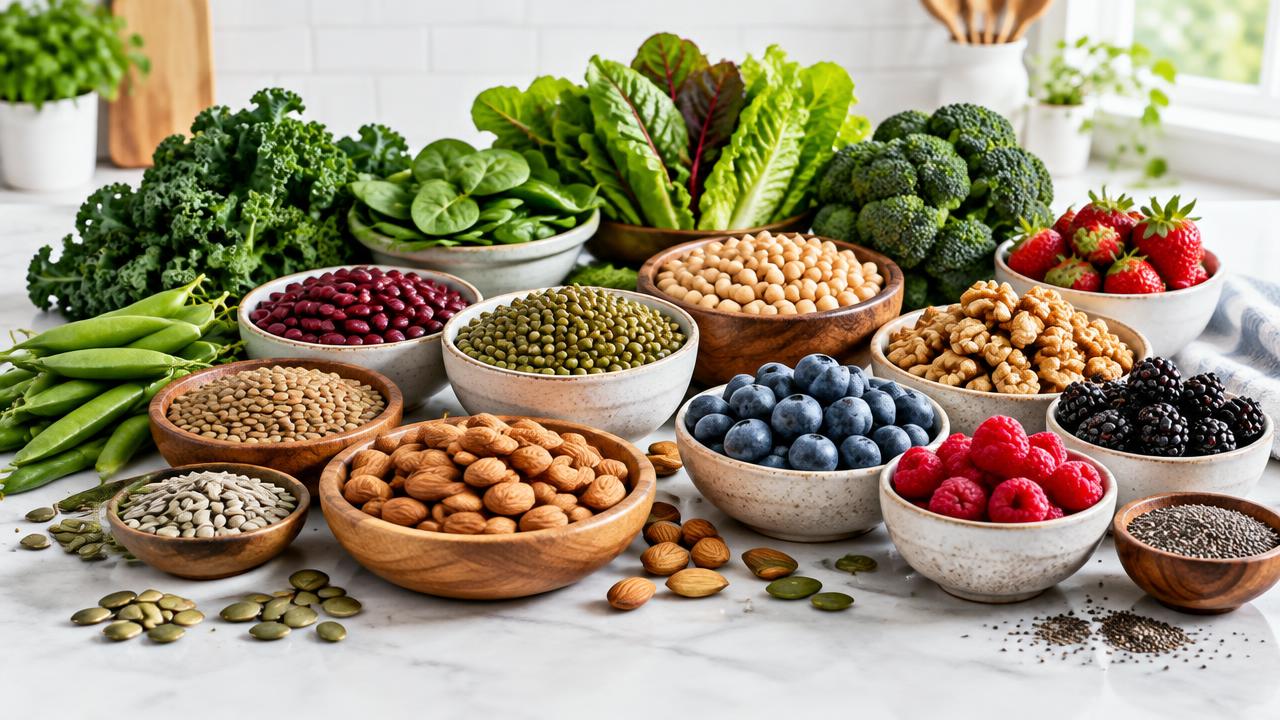
Vitamin B12 is non-negotiable. Most people also benefit from vitamin D in winter, and an algae-derived EPA/DHA supplement if oily fish is not being replaced by ground flax and walnuts.
How do you absorb more iron from plants?
Pair iron-rich foods such as lentils, tofu and pumpkin seeds with vitamin C sources, and keep tea or coffee to between meals rather than with them.
Do plant milks provide enough calcium?
Fortified plant milks typically supply about 120 mg of calcium per 100 ml, comparable to dairy milk. Shake the carton — calcium settles.
How this hub relates to the rest of the magazine

This hub is a standing reference page. Instead of a single article frozen at its publication date, it collects everything VegEco has reported on one question and keeps the collection current: new pieces join automatically as our desks publish them, and the orientation above is revised whenever the underlying evidence moves.

Read it as a route rather than a list. The articles beneath answer distinct sub-questions — what the science says, what the numbers are, what changes in practice, and what to do next — so you can start wherever your own decision sits instead of reading top to bottom.

What belongs in this hub

Only original VegEco reporting appears here. Each linked piece is 1,200–2,200 words, carries a named desk, a publication date and its primary sources, and was written natively in the language you are reading rather than machine-translated from English. Pieces that merely mention the topic in passing are excluded; a hub is meant to be the shortest complete path through a subject, not an archive dump.

How to read the evidence

Environmental and welfare figures vary with method, geography and year, so check the date on every article you cite and prefer the piece that names its dataset. Life-cycle emissions numbers depend on system boundaries; welfare claims depend on the certification scheme behind them; nutrition claims depend on intake, not on food labels alone. Where our reporting disagrees with a widely repeated figure, the article explains why.

Where to go next

If you are choosing between two specific options, the comparison pages weigh them against shared criteria. If you want everything one desk publishes, follow the category. If you are tracking a narrow theme across desks, follow the tag. Hubs sit above all three and are the right entry point when the question is broad and you are new to it.

How this hub relates to the rest of the magazine
Page typeAnswersUpdated
HubA broad question, end to endContinuously, as pieces publish
CategoryWhat one editorial desk coversEvery publication
TagOne narrow theme across desksEvery publication
ComparisonWhich of two options fits youWhen either side changes
ArticleOne question at one momentCorrections only
How this hub relates to the rest of the magazine

FAQ

How often does this page change?
The article list is rebuilt from our archive, so a new piece appears here as soon as it publishes. The written orientation is revised whenever the evidence behind it shifts materially — a new assessment, a revised regulation or a corrected figure.
Is this hub translated from English?
No. Every VegEco edition is written natively in its own language by the desk covering that region, so the articles gathered here were reported for readers in this language rather than translated after the fact.
Can I cite this page?
Yes — hub URLs are stable and designed to be linked from reading lists, curricula and campaign material. For a specific statistic, cite the underlying article, which carries the date and the source.
Why are some articles missing?
Pieces that only mention the topic in passing are deliberately left out. If you are looking for full coverage of a narrower theme, the tag pages list every article that touches it, including brief mentions.