The State of Plant-Based Dairy in 2026: Innovations, Market Shifts, and Sustainability
Explore the surging plant-based dairy market in 2026, uncovering key innovations, shifting consumer preferences, and its environmental advantages over traditional dairy.
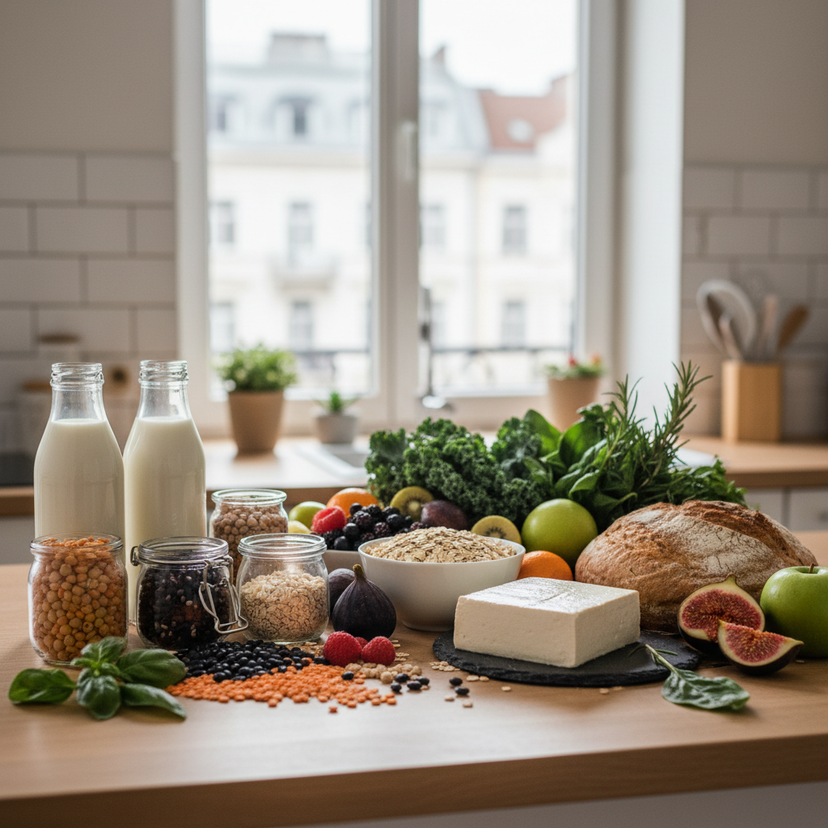
Short answer: The plant-based dairy market in 2026 is characterised by robust growth, driven by consumer demand for healthier, ethical, and sustainable alternatives. Innovations in ingredient sourcing, fermentation technology, and product formulation are expanding product categories beyond milks to include advanced cheeses, yogurts, and butter. Europe, particularly the UK, continues to lead in per capita consumption, while sustainability metrics increasingly play a crucial role in purchasing decisions.
The global shift towards plant-based diets has propelled the plant-based dairy sector into a period of unprecedented expansion. Once a niche market dominated by soy and almond milk, 2026 sees an advanced landscape rich with diverse ingredients, sophisticated textures, and improved nutritional profiles. This evolution is not merely a trend but a fundamental re-shaping of consumer habits and food production systems, significantly impacting environmental sustainability and animal welfare.
Plant-Based Dairy Market Growth: 2026 Projections
The plant-based dairy market is experiencing remarkable expansion, with analysts projecting continued double-digit growth rates through 2026. This surge is fuelled by several factors, including increasing awareness of the environmental footprint of conventional dairy, health concerns linked to lactose intolerance and saturated fats, and rising ethical considerations regarding animal welfare. Major food manufacturers and startups alike are investing heavily in research and development to capture a larger share of this burgeoning market.
According to a 2025 consumer survey conducted by the Vegan Society in the UK, over 38% of British households regularly purchase plant-based milk, a significant increase from 25% in 2020. This indicates a mainstream adoption that transcends strict vegan demographics, permeating flexitarian and health-conscious consumer segments. The versatility of plant-based dairy in cooking and baking also contributes to its increasing popularity.
Regional Dominance and Emerging Markets
While North America and Europe remain the largest markets, substantial growth is being observed in the Asia-Pacific region, driven by rising disposable incomes and changing dietary patterns. Countries like China and India, with their large populations and historical familiarity with plant-based foods, are becoming crucial players in market expansion. The UK and Germany, however, continue to lead in per capita consumption within Europe.
| Region | Market Share (%) | Key Growth Drivers |
|---|---|---|
| North America | 34.1% | Innovation, diverse product offerings |
| Europe | 30.5% | High per capita consumption, sustainability focus |
| Asia-Pacific | 25.8% | Population growth, health awareness |
| South America | 5.2% | Emerging middle class, ethical concerns |
| MEA | 4.4% | Urbanisation, health trends |
Innovation in Plant-Based Dairy Ingredients and Technology
2026 sees a diversification of ingredient bases beyond the traditional soy, almond, and oat. Newer players like potato milk, rice milk, and various legume-based milks (e.g., fava bean, pea) are gaining traction, offering unique nutritional profiles and taste characteristics. This expansion aims to address allergen concerns and offer more sustainable sourcing options, reducing reliance on single crops.
Key Innovative Plant Sources for Dairy Alternatives (2026)
- Potato: Low-allergen, creamy texture, minimal land use.
- Fava Bean: High protein content, sustainable nitrogen fixer.
- Hemp: Rich in Omega-3, versatile flavour profile.
- Rice Protein: Hypoallergenic, used in specialist formulations.
- Fermented Oats: Enhanced flavour, improved nutrient absorption.
Advanced Fermentation and Cultivation Techniques
Fermentation plays a pivotal role in creating sophisticated plant-based dairy products, particularly for cheeses and yogurts. Precision fermentation, a technique where microorganisms are programmed to produce specific proteins, is poised to revolutionise the sector. Companies like Perfect Day, though currently focused on milk proteins for traditional dairy, are pioneers in this space, demonstrating the potential for creating animal-free dairy identical to its conventional counterpart at a molecular level (Perfect Day, 2025).
“The convergence of plant science and microbial fermentation is unlocking unprecedented possibilities for plant-based dairy. We’re moving beyond simple substitutes to creating products that genuinely rival, and often surpass, their animal-derived counterparts in flavour, texture, and nutritional value.”
Sustainability and Environmental Impact of Plant-Based Dairy
One of the primary drivers for the growth of plant-based dairy is its significantly lower environmental footprint compared to conventional dairy. Research consistently shows that plant-based milks require fewer resources in terms of land, water, and greenhouse gas emissions. This ecological advantage resonates strongly with environmentally conscious consumers and aligns with global sustainability goals, such as those outlined by the UK's Net Zero targets.
| Milk Type | GHG Emissions (kg CO2e) | Land Use (m²) | Water Use (litres) |
|---|---|---|---|
| Cow's Milk | 1.17 | 8.9 | 628 |
| Almond Milk | 0.70 | 0.6 | 371 |
| Oat Milk | 0.46 | 0.8 | 48 |
| Soy Milk | 0.84 | 0.7 | 28 |
| Rice Milk | 1.18 | 1.2 | 270 |
The UK government's commitment to reducing agricultural emissions, as detailed in its revised Environmental Land Management schemes (DEFRA, 2025), indirectly supports the shift towards less resource-intensive food systems like plant-based dairy. This policy environment, combined with consumer education, fosters a market where sustainability claims are increasingly scrutinised and valued.

Consumer Priorities for Plant-Based Dairy Purchases (UK, 2026)
Challenges and Future Outlook for Plant-Based Dairy
Despite rapid growth, the plant-based dairy sector faces challenges. Price parity with conventional dairy remains a significant barrier for some consumers, particularly in less affluent markets. Furthermore, achieving the exact functional properties of dairy in applications like intricate baking or complex cheese manufacturing still requires ongoing innovation. Ingredient sourcing can also present sustainability challenges if not managed carefully, as seen with concerns surrounding monoculture plantations for some plant bases.
Looking ahead, significant investment in R&D is expected to continue addressing these challenges. The convergence of food science, biotechnology, and agricultural innovation promises even more realistic and versatile dairy alternatives. The focus will likely shift towards optimising nutritional profiles, enhancing functionality, and ensuring ingredient supply chains are robust and truly sustainable.
Frequently Asked Questions About Plant-Based Dairy in 2026
Is plant-based dairy nutritionally complete in 2026?
Yes, many plant-based dairy products, especially milks and yogurts, are fortified with essential nutrients like calcium, vitamin D, and vitamin B12, making them nutritionally comparable to or even superior to cow's milk. The specific nutritional profile varies by product and brand, so checking nutrition labels is always recommended.
What are the most sustainable plant-based dairy options?
Oat milk and soy milk generally have the lowest environmental footprints in terms of greenhouse gas emissions, land use, and water consumption, based on current production methods (Our World in Data, 2024). Potato milk is also emerging as a highly sustainable option due to its minimal land and water requirements.
Are plant-based cheeses as good as dairy cheese now?
Plant-based cheeses have seen significant advancements in 2026, with many brands offering products that melt, stretch, and taste remarkably similar to traditional dairy cheeses. Innovations with ingredients like cashews, almonds, and potato starch, often combined with fermentation, are creating highly sophisticated vegan cheese options for a wide range of culinary uses.
How will government policies affect plant-based dairy growth?
Government policies, such as the UK’s focus on sustainable agriculture and carbon reduction, are likely to indirectly support plant-based dairy growth by creating a more favourable environment for alternative proteins. Subsidies for sustainable farming practices and clearer labelling regulations for plant-based foods can further accelerate market expansion and consumer acceptance.
Key Numbers for Plant-Based Dairy in 2026
- Projected Global Market Size: £32 billion
- Compound Annual Growth Rate (CAGR): 13.5%
- UK Households Regularly Purchasing Plant Milk: 38%
- Leading Regional Market: North America (34.1% share)
- Average Oat Milk GHG Emissions: 0.46 kg CO2e per litre
- Top Consumer Priority: Taste/Texture (78%)
Related Reading
What Footage From UK Pig Farms Reveals: The Truth Behind 'High Welfare' Labels
Undercover investigations inside supposedly 'high welfare' UK pig farms expose a disturbing reality, revealing systemic animal cruelty hidden behind misleading labels and greenwashing tactics.
7 min read

Navigating Kidney Disease: Which Plant Protein Sources for Optimal Health?
For individuals managing kidney disease, understanding which plant protein sources are optimal is crucial for maintaining health and minimising renal impact.
6 min read
The Vegan Kingdom's New Clothes: When Plant-Based Pioneers Embrace Cattle Ranching
The shocking pivot by the founders of a vegan empire from oat milk to animal agriculture reveals a deep philosophical rift in the future of ethical eating.
7 min read