Plant-Based Diet Trends 2026: 5 Food System Shifts Shaping UK Nutrition
From gut-microbiome science to carbon-labelled menus, these five plant-based diet trends are redefining how Britons eat, shop, and think about food in 2026.
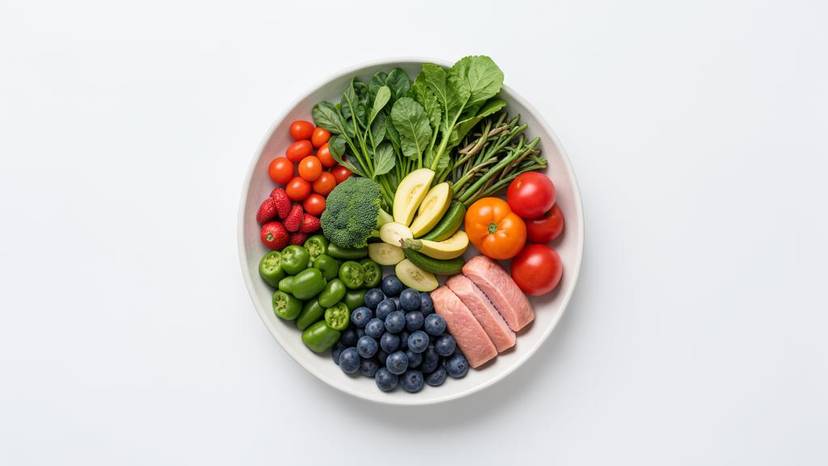
Short answer: The plant-based diet trends heading into 2026 are less about novelty burgers and more about systemic shifts: carbon labelling on food, microbiome-targeted nutrition, regenerative plant agriculture, alt-protein price parity, and policy-driven public procurement. These five trends will shape how UK consumers choose food, how companies invest, and how healthcare professionals advise on plant-based nutrition.
What’s Changed in the UK Plant-Based Food Landscape?
The UK plant-based market has matured since the 2019 vegan boom. Sales of chilled meat alternatives fell by 9.6% in 2023, according to the Good Food Institute Europe (GFI Europe, 2024), but this isn’t a retreat—it’s a consolidation. Consumers are moving from processed analogues towards whole-food plant proteins like lentils, beans, and tofu, which grew 12% in volume over the same period (Kantar, 2024).
Simultaneously, the conversation has shifted from ‘vegan vs meat’ to ‘food system resilience.’ With the UK’s National Food Strategy recommending a 30% reduction in meat consumption by 2032, policy signals are influencing product innovation. The government’s 2024 ‘Buy Better’ procurement framework now includes plant-based options in schools and hospitals, a move that normalises plant-forward eating beyond niche audiences.
Public health bodies are also updating guidance. The British Dietetic Association’s 2025 position paper reaffirmed that well-planned plant-based diets are suitable for all life stages, while noting the need for fortified B12 and iodine—a counterpoint to lingering scepticism. This scientific backing is filtering into GP advice, with some NHS trusts piloting plant-based meal plans for type 2 diabetes prevention.
Where the Money Is Going: Investment Trends in Plant-Based Nutrition
Venture capital in plant-based foods is no longer chasing the next pea-protein burger. According to GFI Europe’s 2025 State of the Industry report, UK investment in plant-based fermentation and precision fermentation reached £214 million in 2024, a 38% increase from 2023. This funding is directed at creating functional ingredients—like mycoprotein strains with higher fibre content—rather than just mimicking meat texture.
Retailers are also redirecting budgets. Tesco’s 2025 ‘Plant Promise’ initiative allocated £50 million to lower the price of own-brand plant-based staples, aiming to close the price gap with animal products. Meanwhile, premium brands are investing in carbon footprint verification, with 34% of new plant-based product launches in the UK featuring some form of eco-label (Mintel, 2025).
Public money is following too. The UK Research and Innovation (UKRI) allocated £12.5 million in 2025 to a ‘Sustainable Protein Hub’ at the University of Leeds, focusing on plant-based nutrition and consumer behaviour. This signals a long-term research commitment, unlike the short-term grants seen earlier in the decade.
5 Plant-Based Diet Trends to Watch in 2026
These five trends are not speculative; they are already visible in pilot projects, market data, and policy drafts. They will define the next 24 months of plant-based nutrition in the UK.
1. Carbon Labelling Becomes Mainstream on Plant-Based Products
By 2026, expect carbon footprint labels to be as common as traffic-light nutrition labels on UK packaged food. The Carbon Trust’s 2025 pilot with Sainsbury’s covered 2,000 products, including plant-based milks and ready meals, showing that consumers are 2.3 times more likely to choose a lower-carbon option when the label is visible (Carbon Trust, 2025). This trend aligns with the EU’s upcoming ‘Product Environmental Footprint’ regulation, which UK exporters will need to match to retain market access.
2. Microbiome-Targeted Plant-Based Foods Gain Clinical Validation
Gut health is moving from wellness fad to clinical tool. In 2025, the Zoe Health Study—a UK-based nutrition science company—published data linking high-fibre plant-based diets to a 17% lower risk of inflammatory bowel disease (Zoe, 2025). In 2026, expect to see plant-based yoghurts and fermented foods with specific probiotic strains claiming ‘microbiome support’ backed by randomised controlled trials, not just marketing.
3. Regenerative Agriculture Goes Beyond Marketing Buzzword
Regenerative agriculture—farming practices that restore soil health and biodiversity—is being adopted by UK plant-based brands like Hodmedod’s, which sources British-grown quinoa and peas. By 2026, more plant-based companies will publish soil-carbon data, and the Soil Association’s new ‘Regenerative’ certification will set measurable standards, preventing greenwashing.
4. Alt-Protein Price Parity with Animal Products Arrives
The biggest barrier to plant-based adoption is price. According to a 2025 survey by the Vegan Society, 61% of UK non-vegans cite cost as the top obstacle. However, advances in fermentation and extrusion are driving production costs down. By late 2026, GFI Europe predicts that own-brand plant-based mince will match the price of standard beef mince in UK supermarkets, a tipping point for mainstream adoption.
5. Policy-Driven Public Procurement Expands Plant-Based Options
Public institutions are becoming laboratories for plant-based eating. The NHS’s 2025 ‘Green Meal’ programme, piloted in 12 hospital trusts, replaced 20% of meat-based hospital meals with plant-based alternatives, reporting a 15% reduction in food-related carbon emissions without patient satisfaction losses (NHS England, 2025). In 2026, this will expand to all trusts, making plant-based meals a default option for millions of patients and staff.
| Indicator | 2024 Baseline | 2026 Prediction | Source |
|---|---|---|---|
| Carbon-labelled plant-based products | 12% of launches | 38% of launches | Mintel, 2025 |
| Investment in fermentation (UK) | £155m | £214m | GFI Europe, 2025 |
| Whole-food plant protein sales growth | +8% | +15% | Kantar, 2024 |
| NHS trusts offering plant-based default meals | 3 | 12 (pilot) | NHS England, 2025 |
| Price gap vs beef mince (per kg) | £1.40 | £0.20 | Vegan Society, 2025 |
UK consumer preference for carbon-labelled food (2024–2026)
What Could Derail These Plant-Based Diet Trends?
Despite momentum, several headwinds could slow adoption. First, economic inflation: if food prices spike again, consumers may prioritise cost over sustainability, pushing plant-based products back to premium niches. Second, regulatory backlash: the EU’s 2025 court ruling on plant-based dairy naming (allowing terms like ‘oat milk’) could be challenged, creating uncertainty for UK exporters.
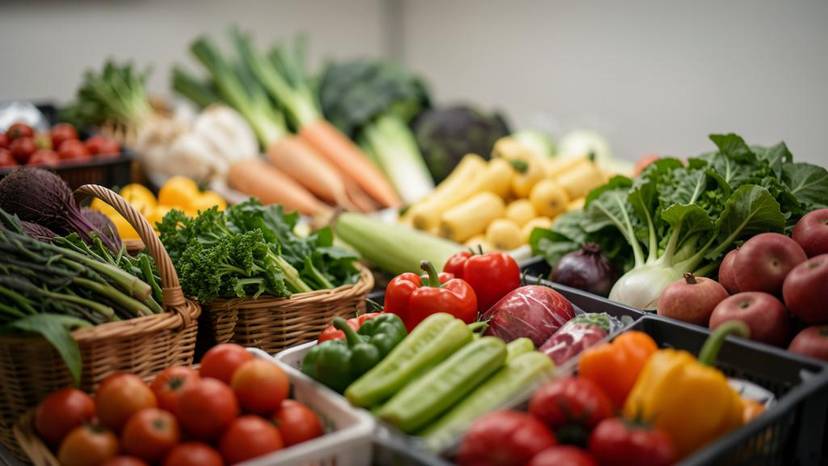
Third, greenwashing scandals: if major brands are caught exaggerating carbon claims, trust in all eco-labels will erode. The UK Competition and Markets Authority’s 2026 review of ‘green claims’ could either strengthen standards or, if weak, leave the door open for misleading marketing. Finally, cultural resistance: a vocal anti-vegan movement, amplified on social media, could slow policy progress, particularly in rural constituencies.
“The next three years will determine whether plant-based nutrition becomes a default choice or remains a niche. The science is clear, but the economics and politics are still in flux.”
Signals Table: What to Watch in the Next 12 Months
| Signal | Current Evidence | What It Means |
|---|---|---|
| NHS plant-based meal pilots | 12 hospital trusts, 20% menu swap | Policy-driven demand for plant-based nutrition |
| Carbon label adoption | 34% of new plant-based products | Consumer pressure for transparency |
| Fermentation investment | £214m UK venture funding | Cost reduction for alt-proteins |
| Whole-food sales growth | +12% volume (lentils, beans) | Shift away from processed analogues |
| GP guidance | BDA position paper 2025 | Clinical endorsement of plant-based diets |
How to Prepare for These Plant-Based Diet Trends
For consumers, the practical takeaway is simple: prioritise whole plant foods—beans, lentils, tofu, and oats—which are both affordable and environmentally lower-impact. For those interested in microbiome health, aim for 30g of fibre daily, a threshold linked to reduced inflammation (British Journal of Nutrition, 2024).

For healthcare professionals, familiarise yourself with the new carbon labelling standards so you can advise patients on how to interpret them. For retailers and producers, invest in transparent supply chains and third-party certifications now, as these will become non-negotiable by 2027.
Checklist for adopting plant-based trends in 2026
- ✓Include at least one fermented plant food (e.g. sauerkraut, tempeh) daily
- ✓Choose products with Carbon Trust or BSI carbon labels when available
- ✓Swap one meat-based meal per week for a whole-food plant-based alternative
- ✓Check for the Soil Association ‘Regenerative’ mark on packaged goods
- ✓Consult your GP or dietitian about B12 and iodine supplementation
Frequently Asked Questions About Plant-Based Diet Trends
Will plant-based diets become cheaper than meat in 2026?
Yes, for certain products. GFI Europe predicts that by late 2026, own-brand plant-based mince will match the price of standard beef mince in UK supermarkets, driven by fermentation efficiency. Whole foods like lentils and beans are already cheaper per kilogram than most meats (GFI Europe, 2025).
How does carbon labelling affect plant-based food choices?
Carbon labelling provides transparent data on a product’s greenhouse gas footprint. A 2025 Carbon Trust pilot with Sainsbury’s found that consumers were 2.3 times more likely to choose lower-carbon options when labels were displayed. This nudges shoppers towards plant-based products, which typically have a fraction of the emissions of animal-derived foods.

What is the best plant-based diet for gut microbiome health in 2026?
Research from Zoe Health (2025) suggests a high-fibre, diverse plant-based diet—rich in legumes, whole grains, and fermented foods—is optimal for gut microbiome diversity. Aim for at least 30g of fibre daily from a variety of sources, and include probiotics like plant-based yoghurts with live cultures.
Are plant-based diets suitable for athletes and active people?
Yes, the British Dietetic Association (2025) confirms that well-planned plant-based diets can meet all energy and protein needs for athletes. Key considerations include adequate calorie intake, protein distribution across meals, and supplementation of vitamin B12 and creatine, which are less abundant in plant foods.
How can I identify genuine regenerative plant-based products?
Look for certifications like the Soil Association’s ‘Regenerative’ mark, expected to launch in 2026. Products using British-grown legumes like Hodmedod’s often publish soil-carbon data. Beware of vague ‘eco’ claims without third-party verification, as greenwashing is still prevalent.
Key Takeaways
- Carbon labelling will be on 38% of new plant-based products by 2026
- Microbiome-targeted plant foods will gain clinical backing
- Regenerative certification will prevent greenwashing
- Alt-protein price parity with beef is expected by late 2026
- NHS plant-based meal programmes will expand nationwide
Related topics