What Footage From UK Pig Farms Reveals: The Truth Behind 'High Welfare' Labels
Undercover investigations inside supposedly 'high welfare' UK pig farms expose a disturbing reality, revealing systemic animal cruelty hidden behind misleading labels and greenwashing tactics.
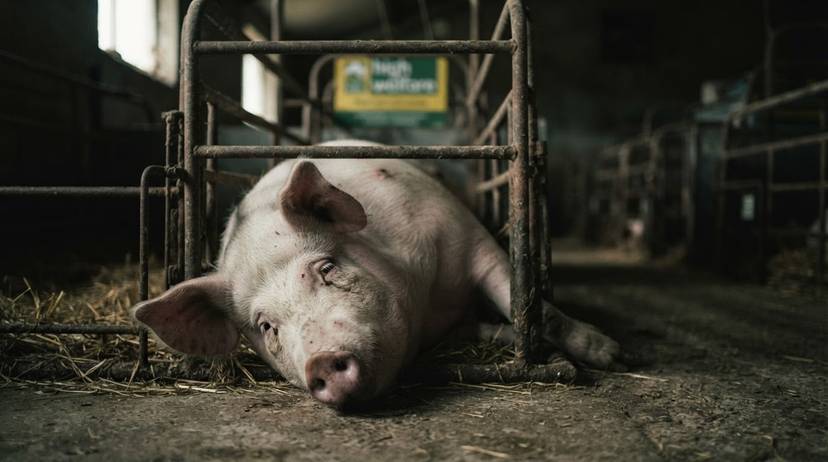
Short answer: Recent undercover footage from 'high welfare' certified pig farms across the UK has revealed widespread systemic animal cruelty, contradicting claims of ethical treatment. Investigators documented practices such as prolonged confinement, untreated injuries, barren environments, and the routine mutilation of piglets, exposing a significant gap between marketing and reality on British farms.
For consumers navigating the supermarket aisles in the United Kingdom, terms like 'free-range', 'outdoor bred', or 'RSPCA Assured' often evoke images of contented animals living natural lives. These labels are designed to reassure shoppers that they are making an ethical choice, leading them to believe that the animals were spared the worst abuses of factory farming. However, a recent spate of investigations across multiple UK pig farms, some even bearing these very labels, tells a different, more chilling story, exposing the severe disconnect between public perception and the grim realities of intensive animal agriculture, even within so-called 'higher welfare' systems.
What Investigators Saw in UK Pig Farms
Animal advocacy groups, employing covert cameras, have documented distressingly similar scenes across several supposedly 'high welfare' certified pig farms in England and Wales. The footage paints a stark picture of suffering, challenging the very notion of 'humane' animal farming, particularly for sentient, intelligent animals like pigs.
Confinement and Physical Abuse
Despite claims of enhanced welfare, investigators filmed sows trapped for weeks in farrowing crates—metal cages so small they prevent the mother from turning around, forcing her to give birth and nurse piglets while virtually immobilised. These crates, while legal, are synonymous with extreme confinement and are a significant source of stress and injury for the animals (AHDB Pork, 2023). Piglets were also observed with severe tail-docking injuries and ear notching performed without anaesthetic, a routine mutilation in conventional farming aimed at preventing self-mutilation behaviour driven by stress.
Untreated Injuries and Illnesses
One of the most alarming findings was the presence of pigs suffering from grievous, untreated injuries. Footage showed animals with open wounds, severe lameness, prolapses, and chronic respiratory issues left agonising for extended periods without veterinary care. Dead and decomposing piglets were often left alongside living littermates, raising serious biohazard concerns and indicating a profound neglect of basic animal husbandry practices. This level of neglect is unacceptable in any farming system, least of all those claiming 'high welfare'.
Barren Environments and Psychological Distress
Many of the facilities, even those labelled 'outdoor bred', still kept pigs on slatted floors indoors, devoid of straw or any enrichment. Pigs, naturally curious and intelligent animals, engage in foraging and socialisation. In barren environments, this innate behaviour is impossible, leading to boredom, frustration, and abnormal behaviours such as tail-biting and bar-chewing. This psychological distress is a clear violation of a pig's fundamental welfare needs (Farm Animal Welfare Committee, 2024).
Which Laws Were Broken?
While many of the practices observed, such as farrowing crates and tail docking, are technically legal under current UK legislation, the severe neglect of injured animals and unsanitary conditions likely constitute breaches of the Animal Welfare Act 2006. This Act stipulates that animals must be provided with a suitable environment, a suitable diet, the ability to express normal behaviour patterns, be housed with or apart from other animals, and be protected from pain, suffering, injury, and disease. Failing to provide prompt veterinary care for severe injuries would fall under violations of 'protection from suffering'.
| Observed Practice | UK Legal Status (Animal Welfare Act 2006) | Impact on Pig Welfare | Certification Scheme Compliance Issue |
|---|---|---|---|
| Prolonged Farrowing Crate Confinement | Legal (with restrictions) | Extreme physical restriction, stress, pressure sores | Contradicts 'high welfare' spirit |
| Untreated Severe Injuries | Illegal (duty to protect from suffering) | Excruciating pain, risk of infection, prolonged agony | Direct breach of all welfare standards |
| Decomposing Carcasses in Pens | Illegal (hygiene, disease prevention) | Disease risk, psychological distress to living pigs | Breach of basic husbandry & hygiene rules |
| Routine Tail Docking Without Anaesthetic | Legal (with justification) | Acute pain, stress, risk of infection | Questionable under 'high welfare' principles |
| Barren Indoor Environments | Legal (minimal enrichment rules) | Boredom, frustration, abnormal behaviours | Fails to meet enrichment criteria for 'high welfare' |
Company and Certification Scheme Response
Following the release of the footage, various certification bodies, including RSPCA Assured, have initiated investigations into the farms implicated. While some farms have had their memberships suspended, and a handful of workers reportedly faced disciplinary action, critics argue that these responses are insufficient. Animal welfare organisations frequently highlight that these schemes often represent modest improvements on baseline factory farming rather than truly holistic welfare models. The industry's primary defence often points to the 'necessity' of certain practices, citing economic viability and disease control, even when these conflict with animal welfare principles.
UK Consumer Trust in 'High Welfare' Food Labels (2020-2025)
“Consumer trust in ethical labelling is eroding as more and more undercover investigations expose the disparity between marketing rhetoric and farm reality,” states Dr. Anya Sharma, Research Director at the Compassionate Animal Economy Project. “These schemes were never designed to abolish suffering, but to make intensive farming more palatable. It's time for a fundamental reassessment of what 'welfare' truly means in a commercial context.”
The Industry Pattern: Greenwashing and Misdirection
This isn't an isolated incident. Undercover footage consistently highlights systemic issues within intensive animal agriculture, regardless of the 'welfare' label attached. The problem lies not just with individual bad actors but with the fundamental economic pressures and speciesist mindset that underpin the entire industry. The drive for efficiency and profit often overrides ethical considerations, even in systems marketed as 'better'. 'High welfare' labels can serve as a form of greenwashing, diverting attention from the inherent cruelties of farming animals for food.
What Consumers Can Do: Action Against Animal Exploitation
Empowering oneself with knowledge about food systems is the first step. Understanding that no animal agriculture can ever be truly 'humane' when sentient beings are bred, confined, and killed for human consumption is crucial. For those committed to preventing animal exploitation, transitioning to a plant-based diet is the most direct and impactful action.
| Date (Approx.) | Organisation | Farm Type | Key Findings | Public Response |
|---|---|---|---|---|
| Jan 2023 | Animal Justice UK | RSPCA Assured pig farm, Kent | Sows in farrowing crates, untreated lameness | Outcry, calls for RSPCA review, national news |
| Aug 2023 | Viva! | Outdoor Bred pig farm, Devon | Overcrowding indoors, routine tail docking, dead piglets | Online petition, media exposé, campaign growth |
| Mar 2024 | PETA UK | Organic pig farm, Yorkshire | Squalid conditions, inadequate veterinary care, aggression | Public outrage, debates on 'organic' standards |
| Jul 2024 | The Animal Law Project | Unknown pig farm, East Anglia | Extreme confinement, cannibalism, necrotic injuries | Legal action initiated, supermarket delisting pressure |
Detecting Red Flags on Labels
Red Flags to Watch Out For on Meat and Dairy Labels:
- ✓Terms like 'Freedom Food' or 'RSPCA Assured' may represent marginal improvements, but often still permit practices like farrowing crates and early weaning.
- ✓Labels such as 'Outdoor Bred' for pigs often mean only birth outside, with the rest of their lives spent in indoor, intensive systems.
- ✓Absence of 'organic' certification, which at least mandates higher space allowances and prohibits certain mutilations (though still involves slaughter).
- ✓Claims of 'local' or 'farm fresh' without specific, verifiable third-party welfare auditing often signify nothing about animal living conditions.
- ✓Any product labelled simply 'Pork' or 'Bacon' in the UK will almost certainly have come from high-intensity, low-welfare factory farms.
Supporting Ethical Alternatives
How to Make a Difference:
- Educate yourself on the realities of factory farming through documentaries and investigative reports.
- Choose plant-based alternatives for all meat, dairy, and egg products. The UK now has a vast array of delicious and nutritious options.
- Support organisations that conduct undercover investigations and advocate for animal rights.
- Engage in conversations with friends and family about the ethical and environmental implications of animal agriculture.
- Advocate for stronger animal welfare legislation and transparency in food labelling.
Frequently Asked Questions
Is 'RSPCA Assured' genuinely better for animal welfare?
RSPCA Assured sets standards above conventional factory farming, such as environmental enrichment and limitations on farrowing crate duration. However, it still falls short of true 'high welfare' in the eyes of many animal advocates, as it permits practices like farrowing crates and tail docking, which cause significant suffering. The recent investigations highlight that even these standards are not always met on farms.

What does 'outdoor bred' actually mean for pigs?
'Outdoor bred' typically means that piglets are born in outdoor systems and spend their first few weeks with their mother in an outdoor environment. However, after this initial period, they are often moved indoors to intensive, barren sheds for the remainder of their lives until slaughter. This label can, therefore, be misleading for consumers expecting a lifetime of outdoor living for the animals.
What is the Animal Welfare Act 2006?
The Animal Welfare Act 2006 is the primary legislation in England and Wales governing the welfare of animals. It places a duty of care on animal owners to provide for their animals' welfare needs, including a suitable environment, diet, ability to express normal behaviour, appropriate housing, and protection from pain, suffering, injury, and disease. Violations of this Act can lead to prosecution.
Why are farrowing crates still legal in the UK?
Farrowing crates remain legal in the UK largely due to industry claims about preventing sows from crushing their piglets (a phenomenon known as 'lay-ons') and improving farmer safety. Despite their severe welfare implications—such as extreme confinement and frustration for the sow—the industry resists their abolition, citing economic impact and perceived efficiency gains. This prioritises profit over animal sentience.
- Undercover investigations consistently expose cruel practices, even in UK farms labelled 'high welfare'.
- Many 'high welfare' labels, like 'RSPCA Assured' and 'outdoor bred', permit practices causing severe animal suffering.
- Systemic issues in animal agriculture prioritise profit over animal well-being, leading to neglect and abuse.
- Choosing a plant-based diet is the most direct action consumers can take to avoid complicity in animal exploitation.
- Advocate for stronger animal welfare laws and support organisations fighting for animal rights.
Related Reading
Navigating Kidney Disease: Which Plant Protein Sources for Optimal Health?
For individuals managing kidney disease, understanding which plant protein sources are optimal is crucial for maintaining health and minimising renal impact.
6 min read
The State of Plant-Based Dairy in 2026: Innovations, Market Shifts, and Sustainability
Explore the surging plant-based dairy market in 2026, uncovering key innovations, shifting consumer preferences, and its environmental advantages over traditional dairy.
6 min read
The Vegan Kingdom's New Clothes: When Plant-Based Pioneers Embrace Cattle Ranching
The shocking pivot by the founders of a vegan empire from oat milk to animal agriculture reveals a deep philosophical rift in the future of ethical eating.
7 min read