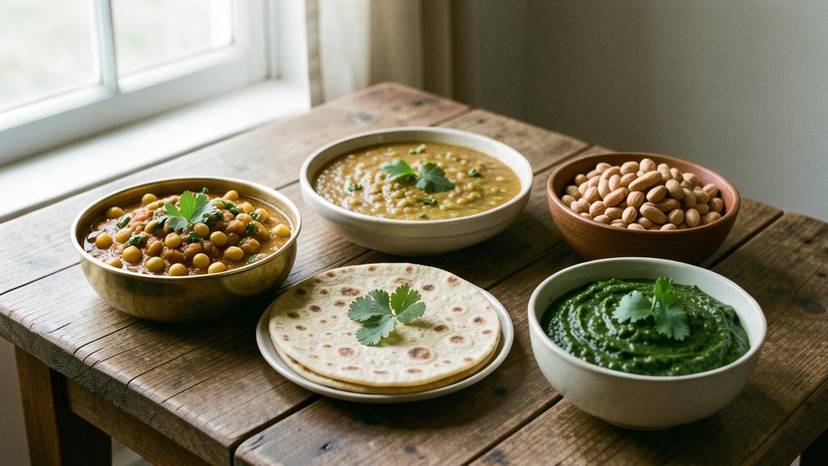
Easy Vegan Recipes for Beginners: 25 Simple Plant-Based Meals Anyone Can Cook
New to plant-based cooking? These chef-tested easy vegan recipes for beginners use supermarket staples, one pan, and 30 minutes or less.
11 min read
compost maison combien de temps — Everything we have published on this subject — reporting, explainers, data and practical guides on plant-based living, animal rights and the climate cost of animal agriculture.
No story in this edition carries this tag yet. Here are the closest stories we have published and the subjects we cover most.
New to plant-based cooking? These chef-tested easy vegan recipes for beginners use supermarket staples, one pan, and 30 minutes or less.
11 min read

Discover the best slow fashion brands for women that prioritise animal welfare, garment worker rights, and the planet over the destructive cycles of the fast fashion industry.
4 min read

Finding eco friendly clothing brands that prioritise animal welfare, environmental transparency, and garment worker rights is essential for building a sustainable, cruelty-free wardrobe that respects all living beings.
4 min read
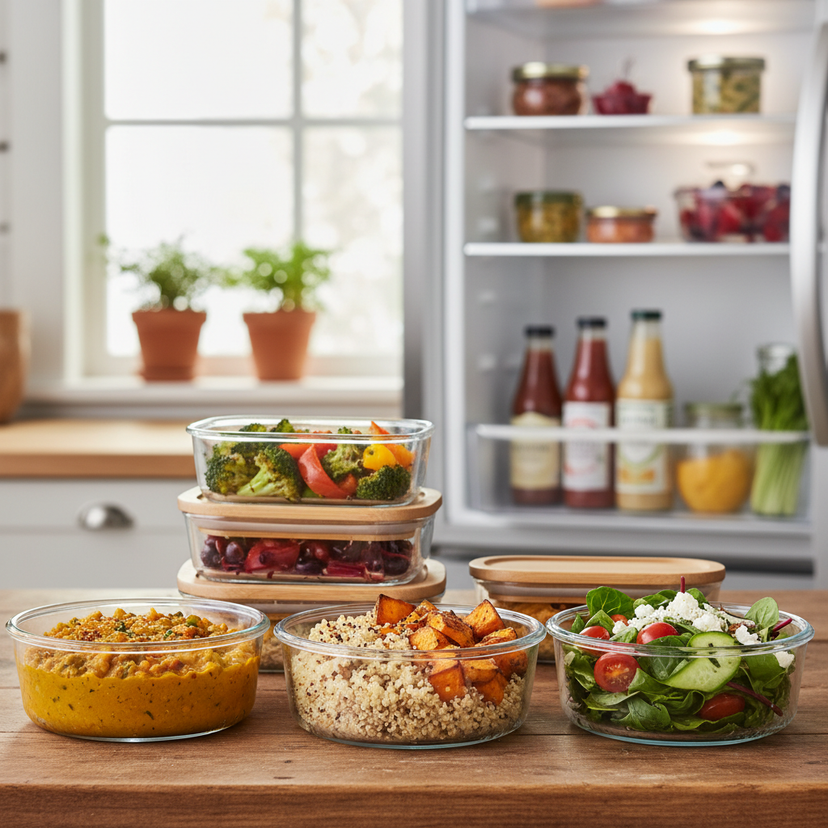
From protein myths to storage science, we debunk the most common vegan meal prep misconceptions and reveal evidence-based batch cooking strategies for high-protein plant-based lunches.
11 min read

From New York City to the UK, foie gras bans are spreading—this tracker maps the legal landscape for 2026 and the plant-based alternatives reshaping the market.
7 min read

From gut-microbiome science to carbon-labelled menus, these five plant-based diet trends are redefining how Britons eat, shop, and think about food in 2026.
7 min read

A tag page collects every article that addresses one narrow subject, no matter which desk produced it. That matters here more than in most subject areas: a question like methane, palm oil or vitamin B12 belongs simultaneously to nutrition, climate, farming and consumer choice, and reading only one desk's take on it gives you a partial picture.
Tags are applied by the writing desk to reflect what a piece genuinely covers, not to attract search traffic. If an article appears under a tag, the subject is discussed substantively in it.
The value of a tag page is the friction between perspectives. The climate desk's account of a commodity's footprint, the farmed-animal desk's account of the welfare system that produces it, and the food desk's account of what to do about it at home rarely agree perfectly — and where they diverge is usually where the interesting question is.
New tags appear when a subject earns sustained attention rather than a single mention. That means a sparse tag page is a signal in itself: the subject is either new to our coverage or handled under a broader heading. The related tags shown alongside are the ones that co-occur most often, which is a practical way to find the adjacent question you did not know to ask.
Every language edition tags its own reporting, so the same subject may be deeply covered in one edition and barely present in another. If a tag looks thin here, the equivalent page in another edition may be substantial — the language switcher is a research tool as much as an accessibility one.