Slow fashion brands for women: A guide to ethical, cruelty-free style
Discover the best slow fashion brands for women that prioritise animal welfare, garment worker rights, and the planet over the destructive cycles of the fast fashion industry.
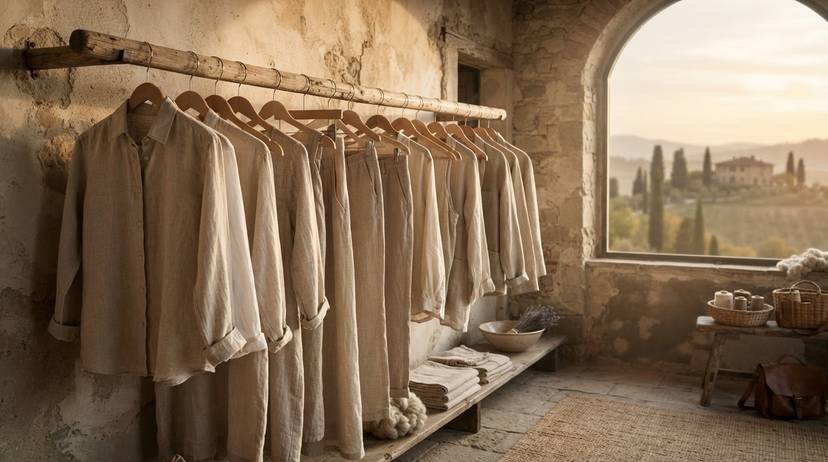
The quick answer is that slow fashion brands for women are defined by their commitment to circular design, fair living wages for garment workers, and a strict refusal to use animal-derived materials like leather, silk, or wool. Unlike fast fashion, which relies on the exploitation of workers and the intensive farming of millions of animals annually, slow fashion focuses on durability, timeless aesthetics, and supply chain transparency that respects both human rights and animal sentience.
Why fast fashion impacts on animals and the environment remain critical in 2026
The fashion industry is responsible for significant ecological degradation and systemic animal suffering. According to the Changing Markets Foundation (2025), the global textile sector consumes trillions of litres of water annually and relies heavily on the industrial farming of sheep, cows, and silkworms. In many cases, these animals endure painful procedures such as tail docking, mulesing, and forced insemination, all to supply the low-cost materials required for the fast fashion machine.
Beyond animal cruelty, the environmental footprint is staggering. The rapid production of synthetic fabrics like polyester—a plastic derived from fossil fuels—contributes to microplastic pollution in our oceans. When you choose to support slow fashion brands for women, you are actively opting out of a system that treats living beings as raw commodities and natural resources as infinite. Investing in quality over quantity is an act of defiance against this extractive model.
How to identify truly ethical and sustainable clothing brands
Identifying authentic slow fashion requires looking beyond marketing buzzwords like 'eco-friendly' or 'conscious.' Truly ethical brands provide transparent data regarding their supply chain, including the factories where garments are assembled and the specific origins of their fibres. Look for certifications such as GOTS (Global Organic Textile Standard) and Fair Trade, which ensure that both environmental and labour standards are met throughout the manufacturing process.
The role of cruelty-free textiles
A core pillar of the slow fashion movement is the replacement of animal-derived materials with innovative, bio-based alternatives. From apple leather and pineapple leaf fibre (Piñatex) to organic cotton and Tencel, these materials offer durability and comfort without the blood-soaked history of the leather or wool trades. By opting for plant-based textiles, consumers help reduce the demand for the slaughter of billions of animals used in the skin and fibre industries each year.
| Material | Animal Welfare Risk | Environmental Impact | Durability |
|---|---|---|---|
| Leather | Extreme (Slaughter) | High (Tanning Chemicals) | High |
| Wool | High (Mulesing/Stress) | High (Methane/Land) | High |
| Organic Cotton | None | Low (Water use) | Moderate |
| Tencel | None | Low (Closed-loop) | High |
| Recycled Polyester | None | Moderate (Microplastics) | High |
What is the true cost of clothing in the slow fashion economy?
The price tag on a slow fashion item reflects the true cost of production, including fair wages for skilled workers and the use of high-quality, non-exploitative materials. While fast fashion may appear cheaper at the checkout, the externalised costs—pollution, animal suffering, and worker exploitation—are borne by the planet and the most vulnerable populations. A 2026 report by the Fashion Transparency Index highlights that leading ethical brands now provide detailed breakdown costs for every garment they sell.
“The shift toward slow fashion is not merely about aesthetic preference; it is a moral imperative to decouple our personal style from the systemic suffering of animals and the degradation of our biosphere.”
Frequently Asked Questions about slow fashion
Is slow fashion actually more sustainable than buying second-hand?
Buying second-hand is arguably the most sustainable option because it extends the lifecycle of existing garments, preventing waste and avoiding the resource-intensive production of new items. However, slow fashion brands are crucial for items that cannot be sourced second-hand, such as underwear or specific technical gear, provided they adhere to ethical and circular production standards.
How can I tell if a brand is greenwashing?
Greenwashing occurs when brands use vague marketing terms to hide unsustainable practices. You can spot it by looking for a lack of verifiable certifications, an absence of supply chain transparency, and a reliance on 'capsule collections' that still encourage over-consumption. Authentic brands will provide specific, evidence-backed data regarding their factory conditions and material sourcing rather than relying on emotive, empty language.
Are synthetic materials always bad for the environment?
Synthetic materials like virgin polyester are problematic due to their reliance on fossil fuels and the shedding of microplastics during washing. However, recycled synthetics can be a better option when they repurpose existing waste, provided they are designed to last. The most ethical approach is to prioritise plant-based, biodegradable natural fibres that do not require chemical-intensive, animal-exploitative farming practices.
Growth of ethical fashion consumer interest (2020-2026)
Practical steps to build a cruelty-free wardrobe
Your ethical fashion checklist
- ✓Audit your current wardrobe before buying anything new.
- ✓Prioritise second-hand shopping platforms for basics.
- ✓Research brands on platforms like Good On You for animal welfare ratings.
- ✓Choose durable, plant-based materials like hemp, linen, or Tencel.
- ✓Repair and mend existing garments to extend their lifespan.
- ✓Avoid all animal products including leather, wool, silk, and down.
Key Takeaways
- Slow fashion prioritises ethics over the rapid, exploitative production cycles of fast fashion.
- Animal sentience must be a primary consideration, avoiding materials like leather, wool, and silk.
- Transparency in supply chains and certifications are the best tools to identify genuine ethical brands.
- Second-hand shopping remains the most environmentally friendly option for most wardrobe needs.
- Investing in high-quality, plant-based textiles supports a future that respects both people and animals.
Related topics
Related Reading
12 Best Eco Friendly Clothing Brands for a Truly Ethical Wardrobe
Finding eco friendly clothing brands that prioritise animal welfare, environmental transparency, and garment worker rights is essential for building a sustainable, cruelty-free wardrobe that respects all living beings.
4 min read
How to build a vegan capsule wardrobe on a budget
Everything you need to know about building a vegan capsule wardrobe cheaply in the UK, with 2026 prices, fabric guidance, worker-rights checks and resale tips.
10 min read