12 Best Eco Friendly Clothing Brands for a Truly Ethical Wardrobe in 2026
Finding eco friendly clothing brands that prioritise animal welfare, environmental transparency, and garment worker rights is essential for building a sustainable, cruelty-free wardrobe that respects all living beings.
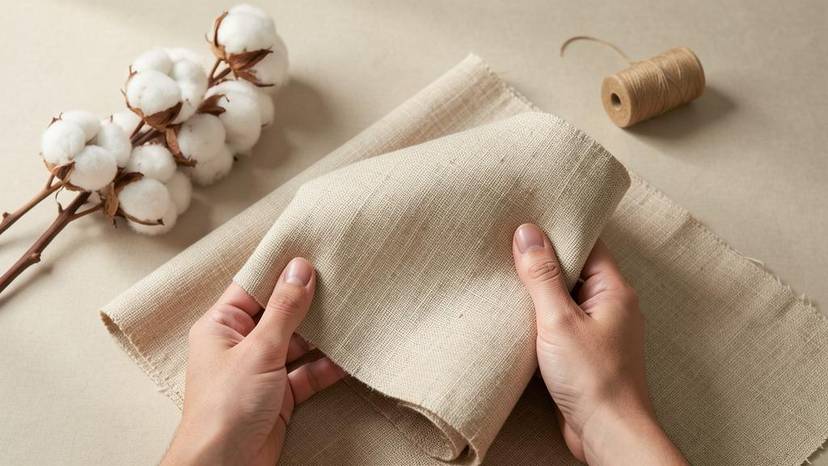
The quick answer is that the best eco friendly clothing brands are those that maintain total supply chain transparency, avoid all animal-derived materials like wool, silk, and leather, and provide living wages to garment workers. These brands prioritise regenerative plant-based fibres, closed-loop water systems, and ethical manufacturing practices that prevent the systemic exploitation of both human workers and animals found in traditional fast fashion.
Why most mainstream fashion fails the ethical test
The environmental and ethical toll of the global fashion industry is staggering. According to the Ellen MacArthur Foundation (2025), the apparel sector is responsible for nearly 10% of global carbon emissions, largely driven by the production of water-intensive, methane-producing animal fibres and the reliance on fossil-fuel-derived synthetic polymers like polyester. Beyond the climate impact, the industry relies on the confinement and slaughter of billions of animals annually, including the tail-docking and painful shearing of sheep, and the intensive chemical treatment of hides in toxic tanneries.
Furthermore, the 'fast fashion' business model—defined by rapid production cycles and high-volume disposal—is inherently tied to the exploitation of garment workers. Many workers, particularly in regions with lax labour protections, face unsafe conditions, forced overtime, and poverty wages. True ethical fashion requires moving away from this extractive model toward a circular economy that values longevity and animal rights above profit margins.
12 Best eco friendly clothing brands for 2026
Top-rated ethical and sustainable labels
- Plant-Based Pioneers: Brands focusing exclusively on organic cotton, hemp, and Tencel.
- Recycled Revolutionaries: Labels using post-consumer waste to create durable, non-toxic garments.
- Transparency Leaders: Companies publishing annual impact reports and tier-one factory lists.
- Fair Trade Certified: Brands ensuring living wages for every worker in their supply chain.
- Cruelty-Free Innovators: Labels actively replacing leather with pineapple, apple, or cactus-based alternatives.
- Circular Economy Models: Brands offering lifetime repair services or take-back schemes.
- Local Production Labels: Companies manufacturing in the UK or EU to reduce shipping emissions.
- Zero-Waste Designers: Labels using pattern-cutting techniques that leave no fabric scraps behind.
- Non-Toxic Dye Specialists: Brands using GOTS-certified dyes to protect waterways from chemical runoff.
- Small-Batch Artisans: Labels producing only what is ordered to eliminate stock waste.
- Vegan-First Houses: Companies that refuse to use wool, cashmere, or down on principle.
- Second-Life Curators: Brands that combine new sustainable production with high-quality upcycled vintage.
How to identify truly sustainable garments
Identifying authentic eco friendly clothing brands requires looking past 'greenwashing'—a common marketing tactic where companies exaggerate their environmental credentials. Legitimate ethical brands typically hold certifications like GOTS (Global Organic Textile Standard), Fair Wear Foundation, or B Corp status. They are explicit about their rejection of animal exploitation, clearly labelling items as vegan, and providing evidence of the low-impact nature of their dyes and wastewater management.
| Fibre Type | Water Usage | Chemical Intensity | Animal Welfare Impact |
|---|---|---|---|
| Conventional Cotton | High | High | None |
| Organic Hemp | Low | Low | None |
| Conventional Wool | Moderate | Moderate | High (Mulesing/Shearing) |
| Recycled Polyester | Low | Low | None |
Projected Growth in Ethical Fashion Market (2022-2026)
Frequently Asked Questions
Is polyester bad for the environment?
Yes, virgin polyester is a petroleum-based synthetic fibre that contributes to microplastic pollution and carbon emissions. While recycled polyester reduces the need for new fossil fuel extraction, it still sheds microfibres during washing, which can enter ocean ecosystems and harm marine life. Ethical shoppers often prefer natural, biodegradable fibres like organic linen or hemp.
Why should I avoid wool in sustainable fashion?
Wool production is inherently linked to animal exploitation, including practices like debeaking, tail docking, and the distress caused by intensive shearing. From an environmental perspective, industrial sheep farming is a significant source of methane emissions and contributes to land degradation through overgrazing. Choosing plant-based alternatives like Tencel, organic cotton, or recycled wool is far more ethical.
How can I find ethical fashion on a budget?
The most affordable and eco-friendly way to dress is to buy second-hand clothing through platforms like Depop, Vinted, or local charity shops. This extends the life of existing garments, keeping them out of landfills, and avoids funding new production. When buying new, look for smaller, transparent brands that offer 'capsule' items—versatile pieces designed to last for years, which save money in the long term.
What does a 'cruelty-free' clothing label actually mean?
A truly cruelty-free label guarantees that no animals were used, exploited, or killed at any stage of the production process. This includes avoiding leather, wool, silk, down, fur, and animal-derived glues or dyes. Many modern brands are now adopting PETA-Approved Vegan certification to provide consumers with clear evidence that their products meet these strict ethical standards.
“True sustainability in fashion is impossible without centering animal rights. We cannot claim to be 'eco friendly' while our supply chains rely on the systematic confinement and slaughter of sentient beings for fabric.”
Key Takeaways
- Avoid animal-derived materials (wool, silk, leather) to end support for factory farming.
- Shop second-hand first to extend the lifecycle of existing clothing.
- Look for independent certifications like GOTS and Fair Wear to ensure ethical production.
- Invest in high-quality, plant-based 'capsule' pieces that reduce the need for frequent replacement.
- Demand transparency from brands regarding their factory conditions and worker wages.
Related topics