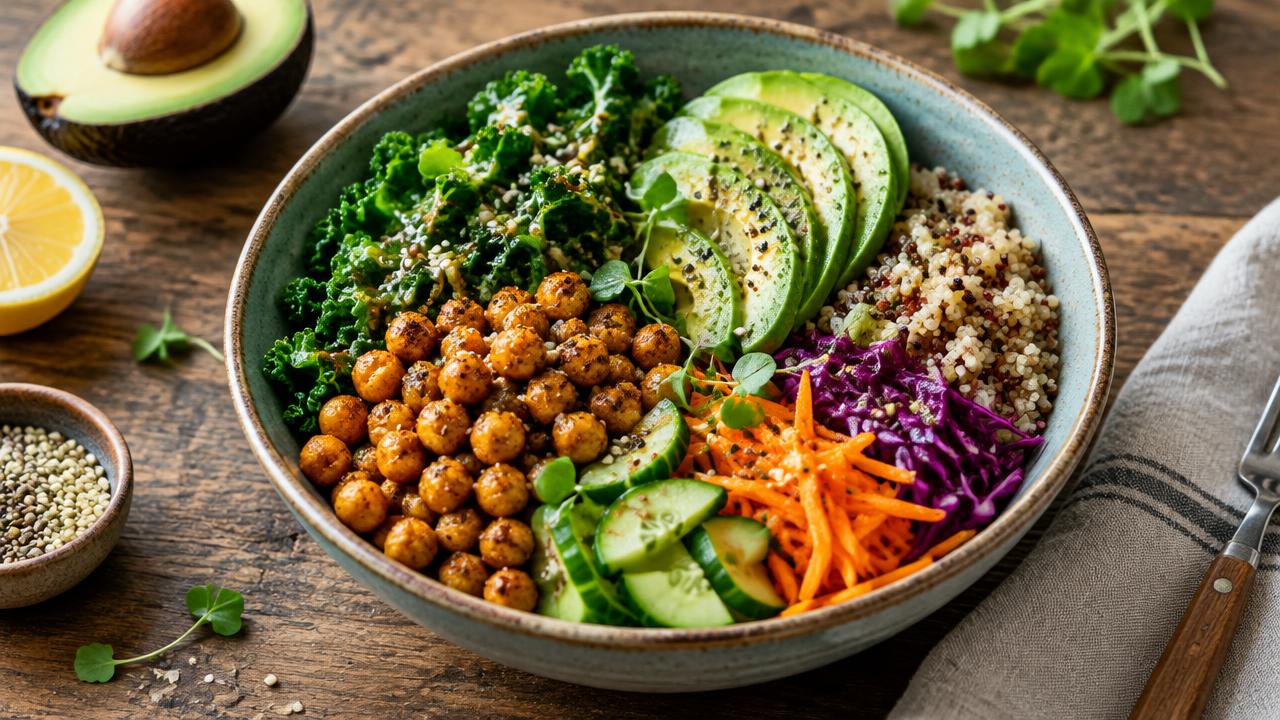
Going vegan: the complete beginner's hub
Everything a first-timer needs to switch to a plant-based diet without stress.
Plant-Based · Nutrition & Health · Recipes · Meal Prep
VegEco publishes plant-based living, animal welfare, climate and sustainability journalism in 33 languages.
Everything a first-timer needs to switch to a plant-based diet without stress.
Plant-Based · Nutrition & Health · Recipes · Meal Prep
How much protein you need, where to get it, and why the 'incomplete protein' idea is outdated.
Nutrition & Health · Plant-Based · Meal Prep
The four nutrients worth planning for on a plant-based diet, and how to cover them.
Nutrition & Health · Plant-Based
Fast, cheap, repeatable plant-based meals for ordinary evenings.
Recipes · Meal Prep · Plant-Based
Cost-per-meal reporting, staple shopping lists and low-waste cooking.
Plant-Based · Meal Prep · Zero Waste · Recipes
Systems for cooking once and eating well all week.
Meal Prep · Recipes · Plant-Based
How plant milks and vegan cheeses compare on nutrition, taste and footprint.
Plant-Based · Nutrition & Health · Factory Farming
What thirty plants a week actually does to your digestion.
Nutrition & Health · Plant-Based · Recipes
Which supplements a plant-based eater actually needs, and in what dose.
Nutrition & Health · Plant-Based
What the evidence says about cholesterol, blood pressure and cardiovascular risk.
Nutrition & Health · Plant-Based
Blood sugar, insulin sensitivity and weight, without the fad-diet noise.
Nutrition & Health · Plant-Based
Egg and butter replacements that actually work, plus reliable sweet recipes.
Recipes · Plant-Based
How industrial animal agriculture works, and what it does to animals, workers and communities.
Factory Farming · Animal Rights
Why milk production requires pregnancy, and what happens to the calves.
Factory Farming · Animal Rights · Plant-Based
Cage-free versus free-range versus reality, and the chick-culling problem.
Factory Farming · Animal Rights
Sow stalls, farrowing crates, tail docking and the intelligence of pigs.
Factory Farming · Animal Rights
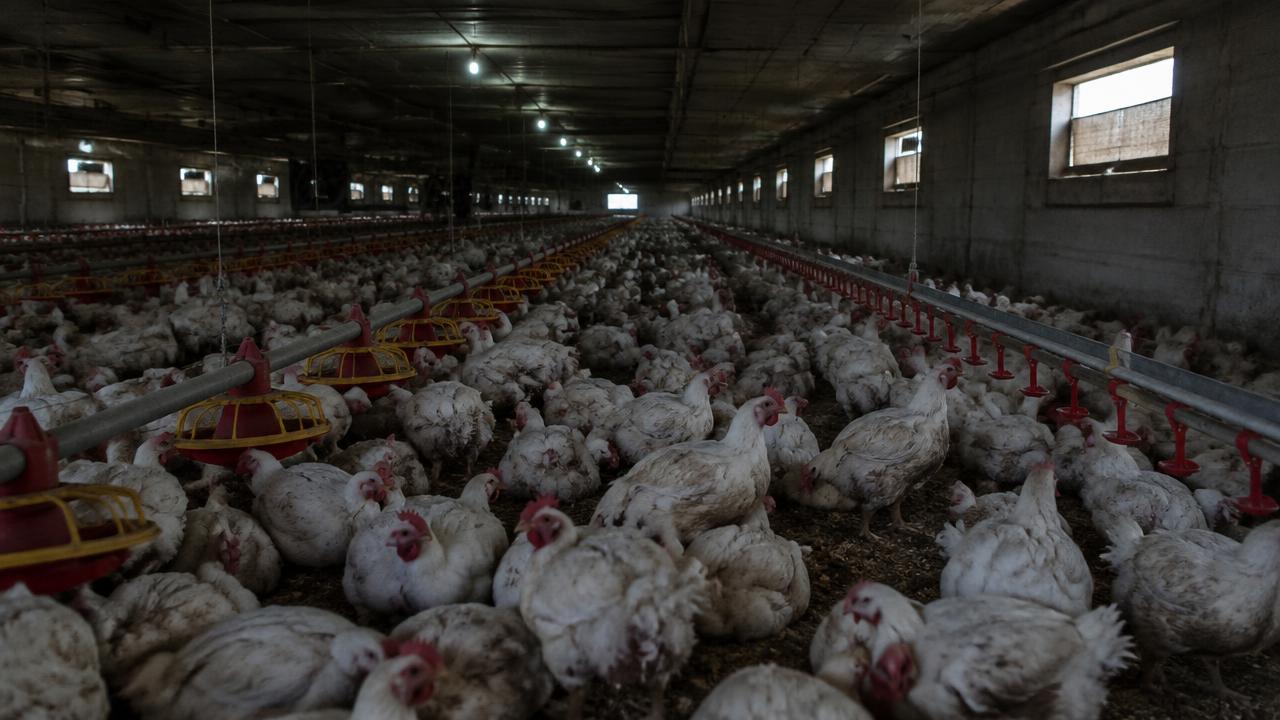
The most-farmed land animal, bred to a weight its legs cannot carry.
Factory Farming · Animal Rights
Sea lice, escapes, wild-caught feed and whether fish feel pain.
Ocean Conservation · Animal Rights · Factory Farming
How grazing and feed crops drive the biodiversity crisis.
Wildlife · Climate · Sustainable Living
From Bentham to legal personhood cases and sentience legislation.
Animal Rights · Activism
Why intensive farming is a public-health question, not only an animal one.
Factory Farming · Nutrition & Health · Climate
Pet food footprints, adoption, breeding and evidence on plant-based pet diets.
Animal Rights · Sustainable Living · Eco Lifestyle
Zoos, aquariums, circuses, racing and the conservation arguments made for them.
Animal Rights · Wildlife · Activism
Where testing still happens, its scientific limits and the alternatives replacing it.
Animal Rights · Activism
Emissions per food, methane, and what diet change can and cannot fix.
Climate · Plant-Based · Sustainable Living
Litres per kilo, hectares per calorie, and where the numbers come from.
Climate · Sustainable Living · Ocean Conservation
Cutting food waste, plastic and energy where it actually counts.
Zero Waste · Sustainable Living · Eco Lifestyle
Leather, wool, down, silk and the next-gen materials replacing them.
Ethical Fashion · Sustainable Living · Animal Rights
Overfishing, marine protected areas, and eating for ocean recovery.
Ocean Conservation · Wildlife · Climate
Habitat conversion, wildlife decline and the agricultural drivers behind both.
Wildlife · Climate · Sustainable Living
What regenerative farming can and cannot deliver, minus the marketing.
Sustainable Living · Climate · Factory Farming
Slurry, nitrate runoff, algal blooms and the rivers downstream of livestock.
Factory Farming · Ocean Conservation · Climate
Cutting travel emissions without cutting travel out entirely.
Sustainable Living · Vegan Travel · Climate
Finding plant-based food anywhere, plus animal-free tourism.
Vegan Travel · Eco Lifestyle · Wildlife
Life-stage nutrition and the practicalities of feeding a mixed household.
Nutrition & Health · Plant-Based · Recipes
Training, recovery and body composition without animal products.
Nutrition & Health · Plant-Based · Meal Prep
Evidence on what actually changes behaviour and law.
Activism · Animal Rights
The household decisions with the biggest measured impact.
Sustainable Living · Eco Lifestyle · Zero Waste · Climate
Menus, labels, hidden ingredients and supermarket navigation.
Eco Lifestyle · Plant-Based · Vegan Travel
Cutting household waste, composting and using every part of the plant.
Zero Waste · Sustainable Living · Recipes
Practical swaps that reduce plastic without falling for greenwashing.
Zero Waste · Sustainable Living · Ocean Conservation
Animal testing, certification logos and genuinely vegan formulations.
Ethical Fashion · Eco Lifestyle · Animal Rights
Heating, insulation, appliances and where household cuts really come from.
Sustainable Living · Climate · Eco Lifestyle
Precision fermentation, cultivated meat and the next protein transition.
Plant-Based · Climate · Factory Farming
Cages, crates, transport rules and how legislation differs by region.
Animal Rights · Factory Farming · Activism
Who pays for cheap meat and dairy — and how the money could shift.
Factory Farming · Climate · Activism
Methane, nitrous oxide, land-use change and the numbers behind food emissions.
Climate · Factory Farming
The world's kitchens that were plant-forward long before the label existed.
Recipes · Plant-Based · Vegan Travel
The human cost of industrial animal agriculture.
Factory Farming · Activism · Animal Rights
Protein, soy, B12, 'plants feel pain' and every argument you'll hear at dinner.
Plant-Based · Nutrition & Health · Animal Rights
Cognitive dissonance, the meat paradox and how behaviour change actually happens.
Animal Rights · Activism · Plant-Based
Shared kitchens, holidays, mixed households and awkward conversations.
Eco Lifestyle · Plant-Based · Activism
Hubs are VegEco's standing reference pages: each one gathers everything we have published on a single question — switching to a plant-based diet, the water footprint of dairy, the welfare cost of caged laying hens — and keeps it current as new reporting lands. Where an article answers one question at one moment, a hub is meant to stay useful for years.
Every hub is assembled from our own reporting rather than syndicated summaries, and each is available in all 33 editions of the magazine. Start with the group that matches what you are trying to decide: food and nutrition, farmed animals, climate and land, or everyday consumption.
A hub begins with a question readers ask repeatedly. We map the subtopics that a complete answer requires, assign each to the desk that covers it, and then link the resulting articles into a single page with a plain-language orientation at the top. When a claim in the underlying reporting changes — a new life-cycle assessment, a revised welfare regulation, a corrected figure — the hub is updated rather than replaced, so inbound links keep working.
They serve three audiences at once. Newcomers get a sequenced route through a subject instead of a pile of headlines. Readers who already know the basics can jump straight to the sub-question they came for. Teachers, campaigners and journalists get a citable overview with the primary sources attached to the individual articles, which matters more than another opinion piece.
Categories are editorial desks — they tell you which team produced a piece. Tags are narrow subjects that cut across desks. Comparisons weigh exactly two options against shared criteria. Hubs sit above all three: a single hub will typically draw on several desks, dozens of tags and a handful of comparisons to answer one broad question properly.