9 Urgent Actions to Safeguard British Wildlife from Habitat Loss (2026)
Protecting British wildlife from habitat loss requires a multi-faceted approach, integrating rewilding, policy reform, and direct conservation efforts to ensure biodiversity thrives across the UK.
Short answer: Safeguarding British wildlife from habitat loss necessitates a cohesive strategy involving large-scale rewilding initiatives, stringent policy enforcement like the UK’s Environment Act, and localized community-led conservation to restore degraded ecosystems, create vital wildlife corridors, and mitigate the pervasive impacts of intensive agriculture and climate change across the UK landscape.
The United Kingdom, despite its green reputation, faces a severe biodiversity crisis. A staggering report from the RSPB in 2023 indicated that 15% of UK species are at risk of extinction, with habitat loss identified as the primary driver. This loss isn't just about disappearing forests; it encompasses the degradation of wetlands, grasslands, and marine environments, all crucial for the intricate web of life. Addressing this requires immediate, decisive action that integrates ecological science with policy and public engagement.
1. Prioritising Large-Scale Rewilding Projects Across Britain
Rewilding, the large-scale restoration of ecosystems to the point where nature can take care of itself, holds immense potential for British wildlife. Projects like Knepp Estate in West Sussex have demonstrated how agricultural land can be transformed into vibrant, self-sustaining ecosystems teeming with life, from rare turtle doves to purple emperor butterflies.
These initiatives go beyond simply planting trees; they involve reintroducing keystone species like beavers to engineer habitats and allowing natural processes to dictate the landscape. The reintroduction of beavers, for example, creates wetlands that benefit a multitude of species, improve water quality, and mitigate flood risks (Devon Wildlife Trust, 2024).
The Economic Benefits of Rewilding
Beyond ecological gains, rewilding can offer economic advantages, particularly in rural areas. Ecotourism, sustainable forestry, and even carbon sequestration credits can provide new income streams for landowners and local communities. The National Trust's commitment to nature-friendly farming across its 250,000 hectares is a significant step, aiming to create 25,000 hectares of priority habitats by 2025.
2. Strengthening and Enforcing the Environment Act 2021
The UK's Environment Act 2021 provides a legal framework for reversing biodiversity decline and improving environmental quality. Key provisions include binding targets for species abundance and habitat extent. However, its effectiveness hinges on robust enforcement and adequate funding. Local authorities and conservation bodies require the resources to implement these measures on the ground.
The Act also enshrines the principle of biodiversity net gain (BNG) in England, requiring developers to deliver a 10% increase in biodiversity for new developments. While ambitious, critics argue that 'net gain' can sometimes lead to habitat destruction in one area being 'compensated' elsewhere, potentially facilitating ongoing degradation (Wildlife Trusts, 2024).
3. Creating and Expanding Wildlife Corridors Regionally
Fragmentation of habitats is a major threat to wildlife, limiting gene flow and preventing species from adapting to climate change. Establishing and protecting wildlife corridors—strips of habitat connecting larger, isolated areas—is crucial. These can range from hedgerows and riverbanks to railway verges and restored ancient woodlands. The Welsh government's 'Nature Networks' programme aims to create a more resilient ecological network across Wales, facilitating species movement.
These corridors are vital for species like dormice, hazel grouse, and various insect pollinators, which rely on connected landscapes to find food, mates, and shelter. Without them, populations become isolated and more vulnerable to local extinction events.
4. Transitioning to Plant-Based and Sustainable Agriculture
Intensive animal agriculture is a leading cause of habitat destruction, both through direct land-use change for grazing and feed crops, and indirectly through pesticide use and pollution. Shifting towards plant-based diets reduces demand for animal products, freeing up extensive agricultural land for rewilding and nature recovery.
Moreover, sustainable farming practices, such as agroecology and organic farming, can significantly reduce the environmental footprint of food production. These methods prioritise soil health, minimise chemical inputs, and integrate biodiversity-friendly features like wildflower margins and hedgerows, creating 'wildlife-friendly' farms (Soil Association, 2024).
“The biggest lever we have to protect British wildlife and restore our natural ecosystems is transforming our food system. Every hectare of land transitioned from intensive animal farming to rewilding or sustainable plant-based agriculture represents a win for biodiversity and climate mitigation.”
5. Investing in Urban Green Spaces and 'Wilder Cities'
Urban areas often represent biodiversity deserts, yet they hold significant potential for habitat creation. Investing in parks, green roofs, vertical gardens, and even 'rewilding' neglected urban plots can create vital stepping stones for wildlife, including pollinators, bats, and small mammals. Cities like Bristol have active ecological network strategies, promoting hedgehog highways and bee corridors across urban landscapes.
6. Protecting and Restoring Peatlands and Coastal Ecosystems
Peatlands are critical carbon sinks and unique habitats for specialist species like sundews and Sphagnum mosses, as well as breeding grounds for many wading birds. The UK has lost over 80% of its peatlands, largely due to agricultural drainage and peat extraction. Restoration efforts, such as those undertaken by the Moors for the Future Partnership in the Peak District, are vital for both biodiversity and climate change mitigation.
Why Peatland Restoration Matters
- Massive carbon storage (locks away CO2)
- Crucial for unique plant and insect species
- Prevents flooding downstream
- Filters and improves water quality
- Supports rare bird breeding populations
Similarly, coastal ecosystems like saltmarshes, seagrass meadows, and sand dunes protect against erosion, sequester carbon, and provide nursery grounds for marine species. The Wildlife Trusts' 'Wilder Coast' initiatives are restoring these vital blue carbon habitats around the UK coastline, such as the Essex Wildlife Trust's saltmarsh restoration project.
7. Curtailing the Illegal Wildlife Trade and Exploitation
While not always directly linked to habitat loss within the UK, the illegal wildlife trade globally decimates populations and drives habitat destruction in source countries. The UK, as a transit and consumer market, has a responsibility to strengthen its enforcement of laws against illegal wildlife products under the CITES convention. Education and public awareness campaigns are crucial to reduce demand for exotic pets and wildlife souvenirs.
8. Mitigating Climate Change Through Reduced Emissions
Climate change exacerbates habitat loss by altering ecosystems, shifting species ranges, and increasing the frequency of extreme weather events. The UK's commitment to net-zero emissions by 2050 is critical, but achieving this requires rapid decarbonisation across all sectors—energy, transport, industry, and agriculture. Every effort to reduce emissions globally helps to safeguard habitats locally (IPCC, 2023).
| Habitat Type | Current Sequestration (2024) | Potential with Restoration (2030) | Source |
|---|---|---|---|
| Upland Peatland | 800,000 | 2,500,000 | NatureScot |
| Lowland Peatland | 250,000 | 1,000,000 | The Wildlife Trusts |
| Coastal Saltmarsh | 100,000 | 300,000 | Natural England |
| Ancient Woodland | 50,000 | 75,000 | Forestry Commission |
9. Engaging the Public Through Education and Citizen Science
Public engagement is fundamental to conservation success. Education programmes can illuminate the value of local biodiversity, while citizen science initiatives empower individuals to contribute directly to data collection. Projects like the 'Big Garden Birdwatch' by the RSPB or 'mammal watches' help track species populations, informing conservation strategies and fostering a sense of stewardship among the UK public (RSPB, 2024).
Public Engagement in UK Wildlife Surveys (2020-2025)
Frequently Asked Questions About UK Wildlife Protection
What is the biggest threat to British wildlife?
The single biggest threat to British wildlife is habitat loss and degradation, primarily driven by intensive agriculture, urban expansion, and infrastructure development. Fragmented landscapes prevent species movement and reduce available resources, contributing significantly to biodiversity decline across the UK.
How does intense farming impact UK biodiversity?
Intense farming impacts UK biodiversity through widespread pesticide and herbicide use, monoculture practices that reduce habitat diversity, drainage of wetlands, and conversion of natural habitats into agricultural land. This reduces food sources, shelter, and breeding grounds for many species, from insects to birds and small mammals.
Can rewilding really reverse species decline in Britain?
Yes, rewilding has demonstrated significant success in reversing species decline. By restoring natural processes and often reintroducing keystone species, rewilded areas create complex, resilient ecosystems that support a greater variety of wildlife, as evidenced by projects like Knepp Estate and the reintroduction of beavers across the UK.
What role do ordinary citizens play in wildlife protection?
Ordinary citizens play a crucial role through actions such as making gardens wildlife-friendly, participating in citizen science projects, supporting conservation charities, choosing sustainable consumption patterns (including plant-based diets), and advocating for stronger environmental policies. Collective individual actions contribute significantly to broader conservation goals.
- Large-scale rewilding is essential for ecosystem restoration.
- The Environment Act 2021 must be vigorously enforced.
- Creating wildlife corridors is vital for species movement.
- Shifting to plant-based diets and sustainable agriculture reduces habitat pressure.
- Individual actions and citizen science projects contribute significantly.
Related topics
Related Reading
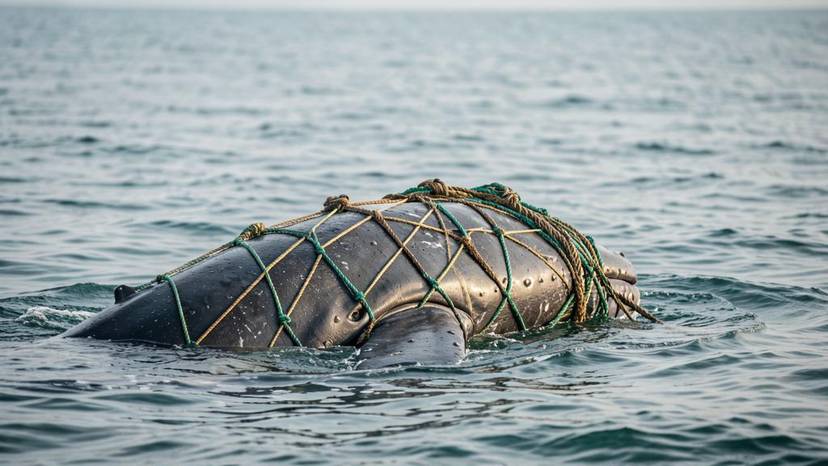
Fact-check: Are Marine Protected Areas Actually Working for UK Wildlife?
We fact-check the fishing industry's claim that marine protected areas harm livelihoods, revealing what the evidence says about biodiversity recovery, fish stocks, and coastal jobs.
8 min read

How to Talk to Kids About Meat, Dairy, and Where Food Comes From Without Shame
A trauma-free family guide to explaining animal farming, plant-based eating, and food origins to children aged 3–14, with age-appropriate scripts and expert-backed nutrition tips.
10 min read
The State of UK Wildlife Trade in 2026: What the Data Show on Exotic Pet Impacts
An in-depth look at the state of UK wildlife trade in 2026, revealing the impacts on animal welfare, biodiversity, and conservation efforts.
7 min read