September 2063
Every story we published this month in this edition — investigations, explainers, recipes and data on plant-based living, animal rights and climate.
No articles yet. New pieces are published on schedule.
Browse topics

Plant-Based
Plant-based eating, from first swaps to a fully animal-free plate.

Nutrition & Health
Protein, B12, iron and what the evidence says about eating well without animals.
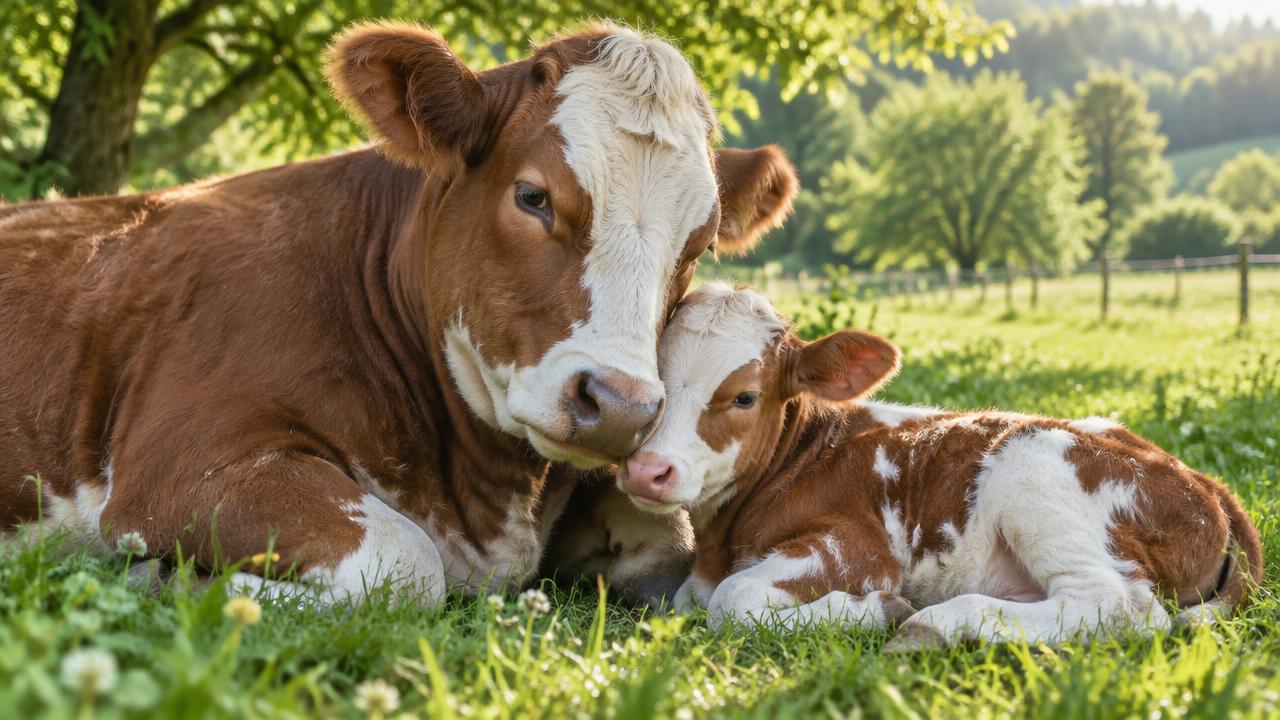
Animal Rights
Sentience science, legal personhood and the movement fighting for animals.
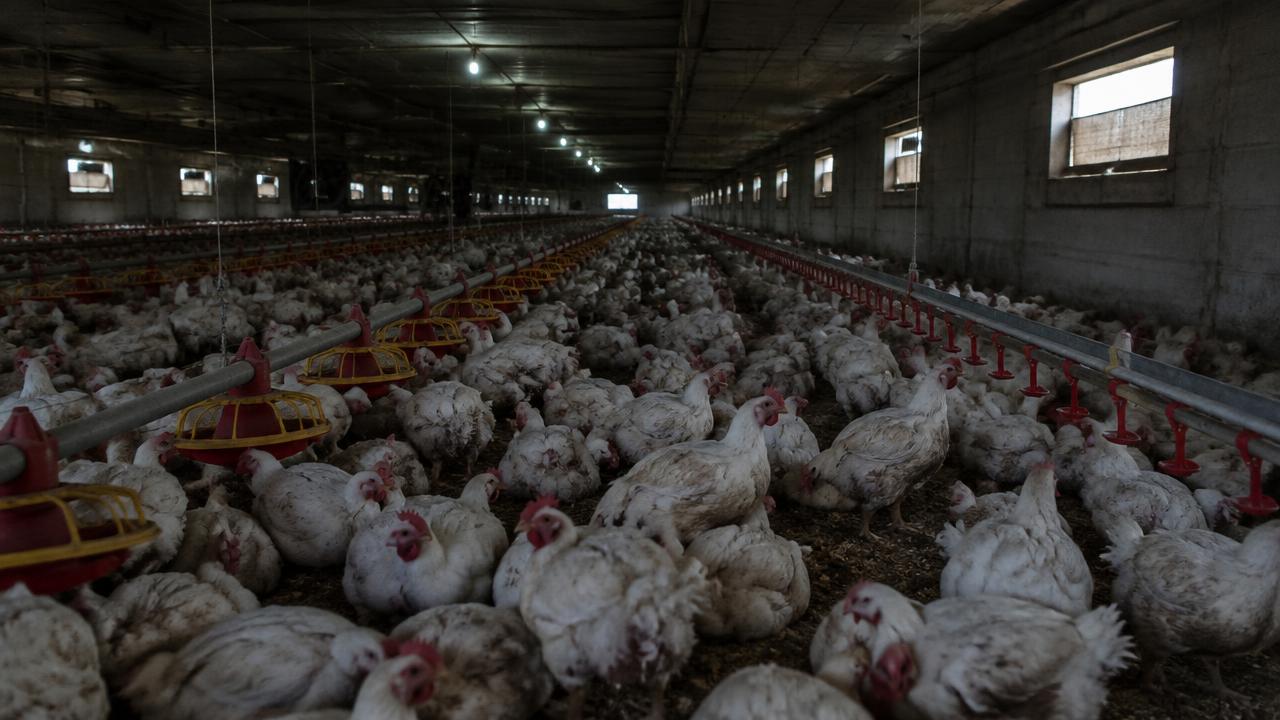
Factory Farming
Confinement, mutilations, slaughter lines and the industry behind them.
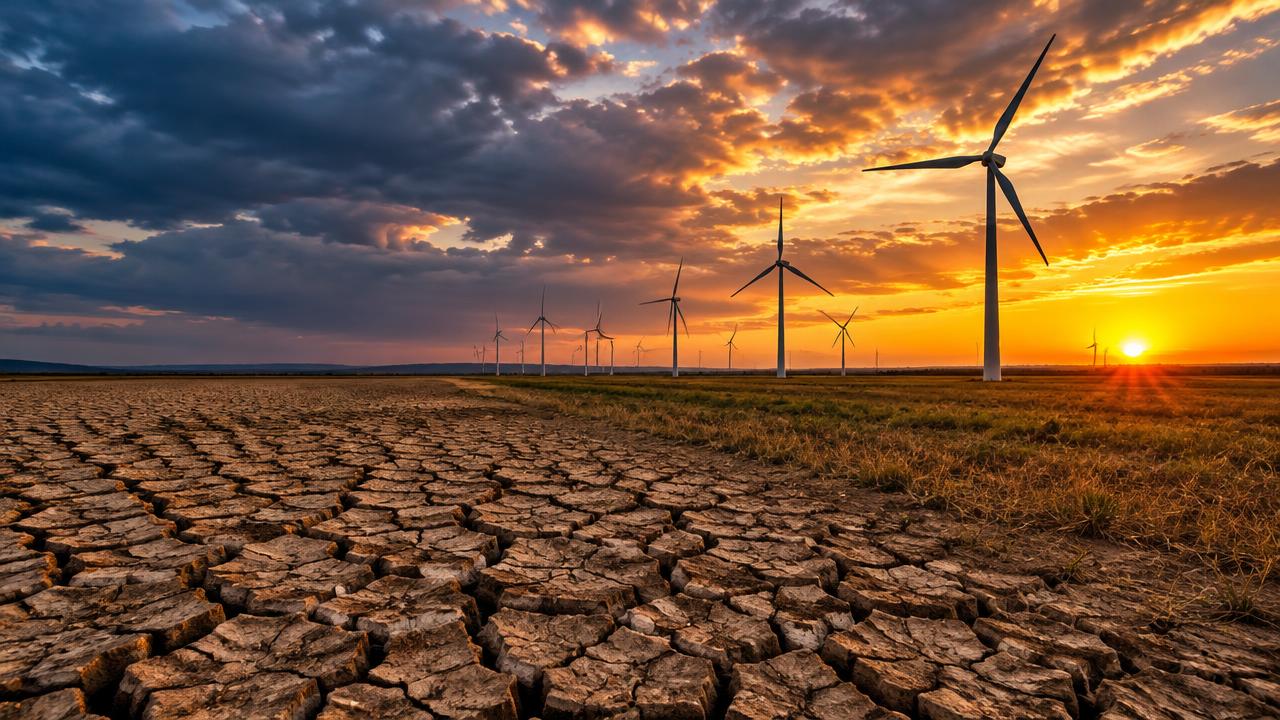
Climate
Emissions, land use and the climate maths of what we put on our plates.

Wildlife
Habitat loss, hunting, trophy trade and the species paying the price.
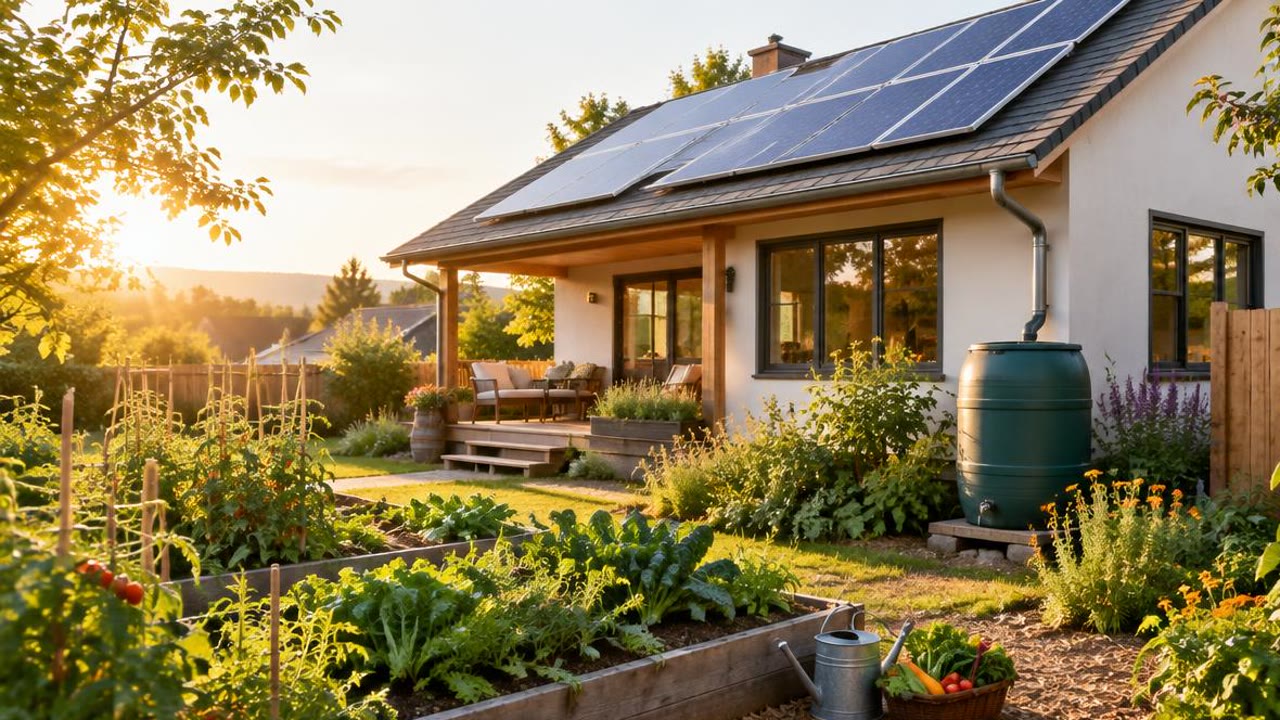
Sustainable Living
Energy, transport, housing and the everyday choices that add up.

Eco Lifestyle
Low-impact routines, greener homes and honest product reporting.

Recipes
Plant-based cooking that replaces animal products without compromise.

Activism
Campaigns, investigations and the people driving change.

Zero Waste
Cutting waste at the source, from kitchen scraps to packaging politics.

Ethical Fashion
Leather, wool, fur and the alternatives worth wearing.

Vegan Travel
Eating and travelling well, city by city and country by country.

Meal Prep
Batch cooking, budgets and weekly plans that make plant-based easy.
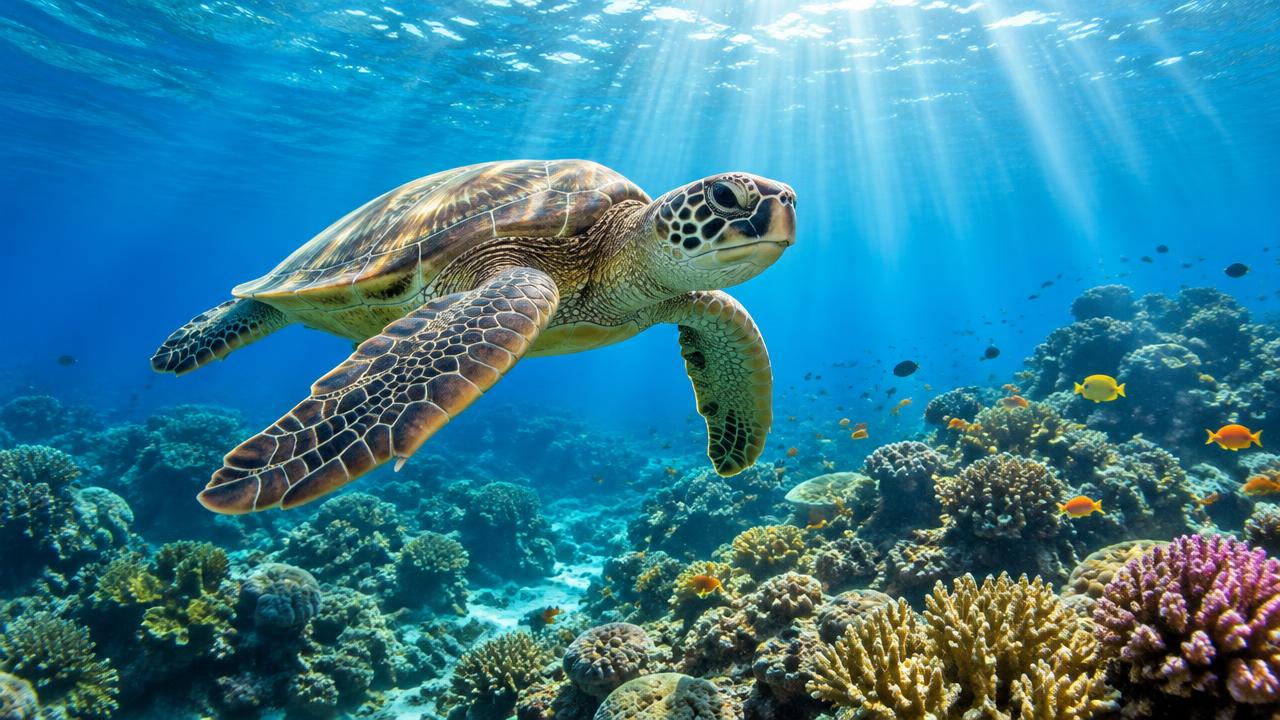
Ocean Conservation
Bycatch, trawling, aquaculture and collapsing fisheries.
Terms defined
How we define these terms →- Circular economy
- An economic model designed to eliminate waste by keeping materials in use through reuse, repair and recycling.
- Regenerative agriculture
- Farming practices that aim to restore soil health, biodiversity and water cycles rather than merely sustain them.
- Food miles
- The distance food travels from producer to consumer — one of several factors in a product's environmental impact.
This page lists everything published in this edition during a single month, in the order it appeared. Monthly archives are the simplest way to place our coverage against what was happening at the time: a regulation, a court ruling, a supply-chain shock or a seasonal shift in what readers were asking.
Because articles are corrected in place rather than removed, the archive is stable: a link to a month keeps returning the same pieces, and a link to an article keeps working even after its figures have been updated.
Why read by month
Reading chronologically shows how a story developed rather than how it ended. Policy coverage in particular reads differently in sequence: the reporting written before a vote, the analysis written after it, and the follow-up written once implementation began each answer different questions, and the monthly view keeps them in the order they were reported.
What a month contains
A month mixes formats deliberately — explainers, listicles, how-tos, comparisons, news analysis, reviews and opinion — across every desk this edition runs. That mix is intentional: some questions are best answered with a table, others with a narrative, and readers arrive with different levels of background on the same subject.
Using the archive for research
For citation, quote the individual article rather than the archive page: it carries the byline, the date and the primary sources. Use the archive itself when you need to establish what was known and published at a given point, which is the question that matters in academic, campaign and journalistic work.
Which view of the archive answers which question
Month
- Best for
- What was published when
- Ordering
- Chronological
Year
- Best for
- Scale and rhythm of coverage
- Ordering
- By month
Category
- Best for
- One desk's full body of work
- Ordering
- Newest first
Tag
- Best for
- A narrow theme across desks
- Ordering
- Newest first
Hub
- Best for
- A broad question, answered
- Ordering
- Curated sequence
FAQ
- Are older articles still accurate?
- They are accurate as of their publication date, which is shown on every piece. Where a figure has since been superseded, the article is corrected in place; for fast-moving evidence such as emissions estimates, always check the date before citing.
- Do you ever delete articles?
- No. Pieces are corrected rather than removed, so archive links and existing citations keep resolving. Removal happens only in the rare case of a legal requirement.
- Does every edition publish the same volume each month?
- No. Each edition commissions independently for its own readers, so monthly volume differs between languages, as does the mix of desks and formats.
- How far back does the archive go?
- To the first month this edition published. Earlier coverage in other languages is listed in that edition's own archive rather than merged here, because editions do not share articles.