VegEco
Animals

Factory farming explained

The systems hub: confinement, stocking density, mutilations without anaesthetic, transport, slaughter line speeds, and the economics that keep the model in place.

8
Stories
2
Desks
8
Contributors
14,033
Words
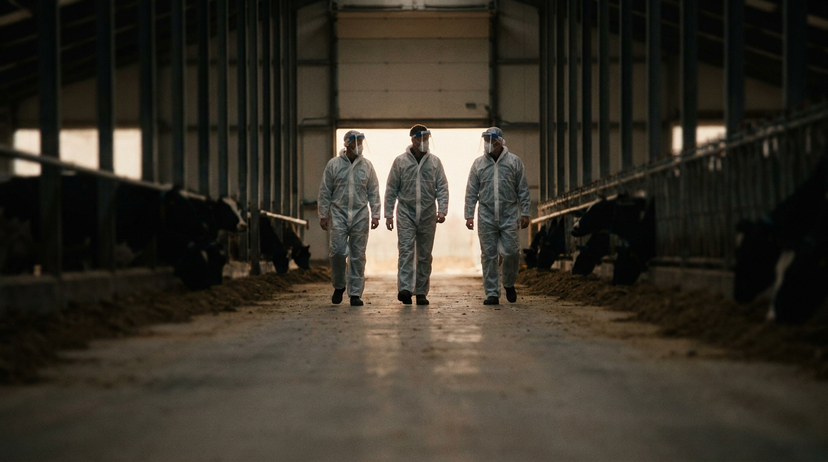
بائیو سیکیورٹی سوٹ میں ملبوس اہلکار ایک خالی اور جراثیم سے پاک کیے گئے مویشی خانے میں معائنہ کر رہے ہیں، جو ایک حالیہ بحران کی عکاسی کرتا ہے۔
فیکٹری فارمنگ

جنوبی کوریا کی وباء: صنعتی زراعت کے عالمی نظام کے لیے ایک خطرے کی گھنٹی

یچون میں منہ اور کھُر کی بیماری کا حالیہ پھیلاؤ صرف ایک مقامی بحران نہیں، بلکہ یہ اس بات کی نشاندہی کرتا ہے کہ کس طرح عالمی سطح پر پھیلتی فیکٹری فارمنگ ہمارے غذائی تحفظ کو خطرے میں ڈال رہی ہے۔

10 منٹ مطالعہ

Questions this hub answers

What is factory farming?
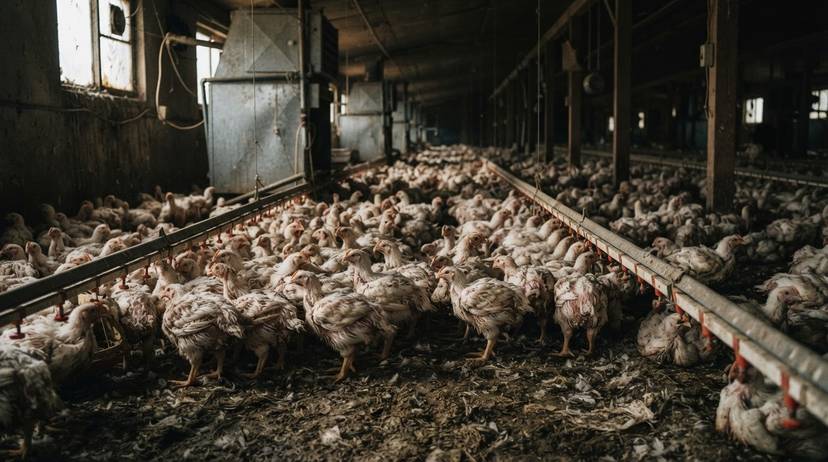
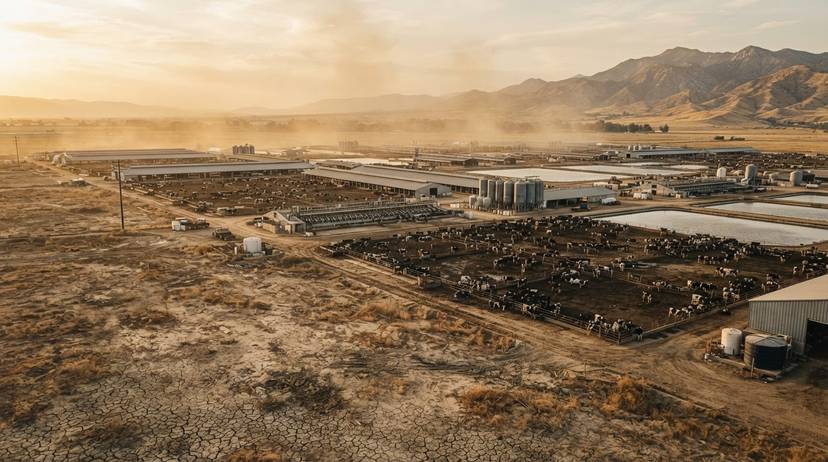
Factory farming is the intensive confinement of animals at high density to minimise cost per unit of meat, milk or eggs — typically indoors, on slatted or barren flooring, with routine procedures such as beak trimming or tail docking and slaughter at a fraction of natural lifespan.
How many farmed animals are killed each year?
Around 80 billion land animals are slaughtered annually worldwide, plus an estimated 1–2 trillion aquatic animals — the overwhelming majority raised in intensive systems.
Do welfare labels mean animals were treated well?
Rarely as consumers assume. Most on-pack claims are unaudited marketing terms; only a handful of certification schemes set enforceable space, enrichment and slaughter requirements.