VegEco
Animals

The egg industry: laying hens, cages and male chicks

What barren battery cages, enriched cages, barn and free-range systems actually look like — plus in-ovo sexing technology and the fate of male chicks.

8
Stories
2
Desks
8
Contributors
14,033
Words
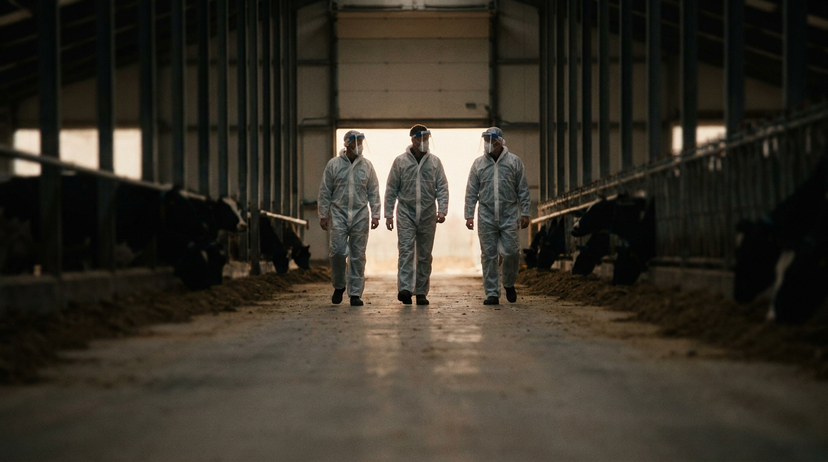
بائیو سیکیورٹی سوٹ میں ملبوس اہلکار ایک خالی اور جراثیم سے پاک کیے گئے مویشی خانے میں معائنہ کر رہے ہیں، جو ایک حالیہ بحران کی عکاسی کرتا ہے۔
فیکٹری فارمنگ

جنوبی کوریا کی وباء: صنعتی زراعت کے عالمی نظام کے لیے ایک خطرے کی گھنٹی

یچون میں منہ اور کھُر کی بیماری کا حالیہ پھیلاؤ صرف ایک مقامی بحران نہیں، بلکہ یہ اس بات کی نشاندہی کرتا ہے کہ کس طرح عالمی سطح پر پھیلتی فیکٹری فارمنگ ہمارے غذائی تحفظ کو خطرے میں ڈال رہی ہے۔

10 منٹ مطالعہ

Questions this hub answers

Are cage-free eggs cruelty-free?
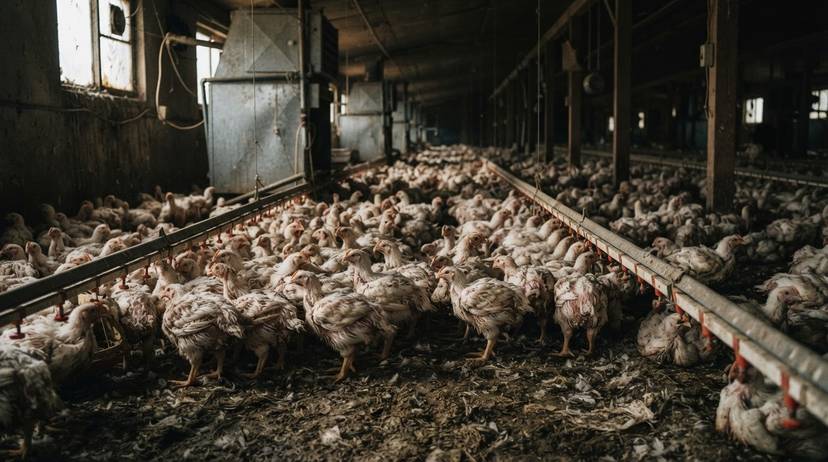
Cage-free removes the cage, not the crowding. Birds are still typically stocked at around nine per square metre indoors, debeaked, bred for yields of roughly 300 eggs a year, and slaughtered at 72–80 weeks.
What happens to male chicks in the egg industry?
Because they cannot lay and are not bred for meat, male chicks of laying breeds are killed on their first day, historically by maceration or gassing. In-ovo sexing now avoids this in parts of Europe.