Begrippenlijst
Begrippenlijst
VegEco publiceert journalistiek in 33 talen.
- 29
- Gedefinieerde termen
- 8
- Vakgebieden
- 33
- Edities
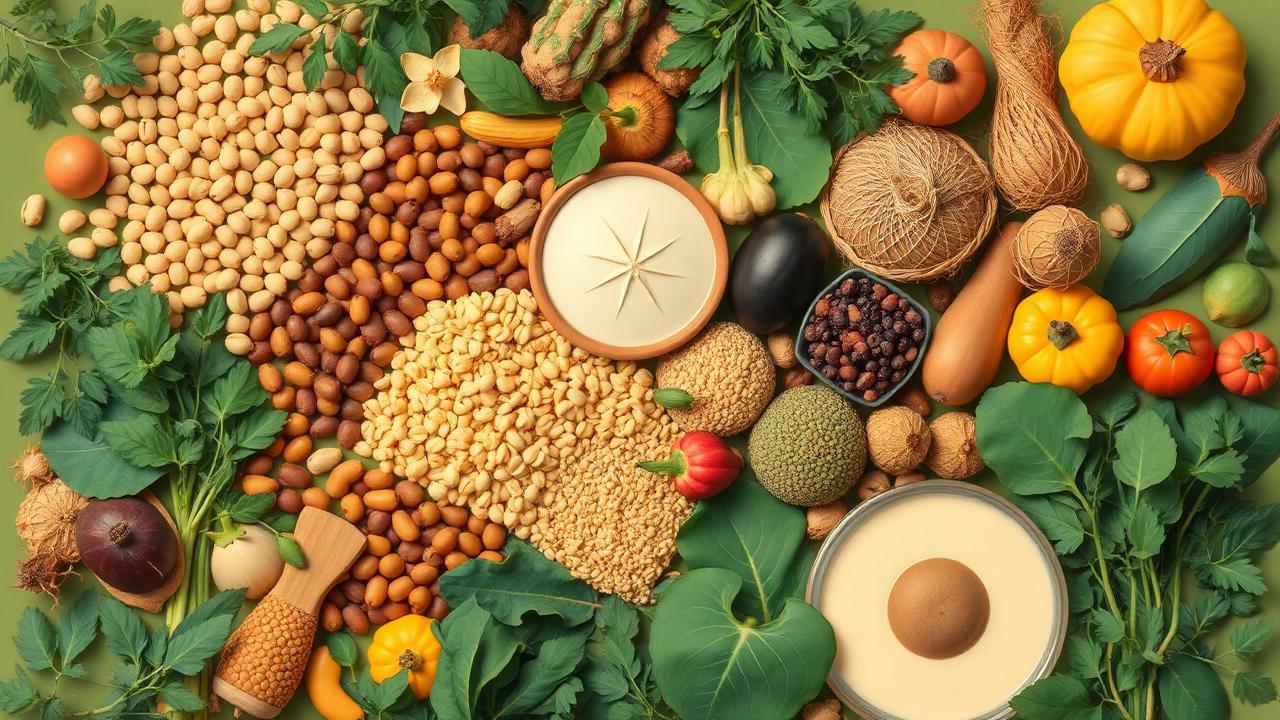
Dieet
5 termen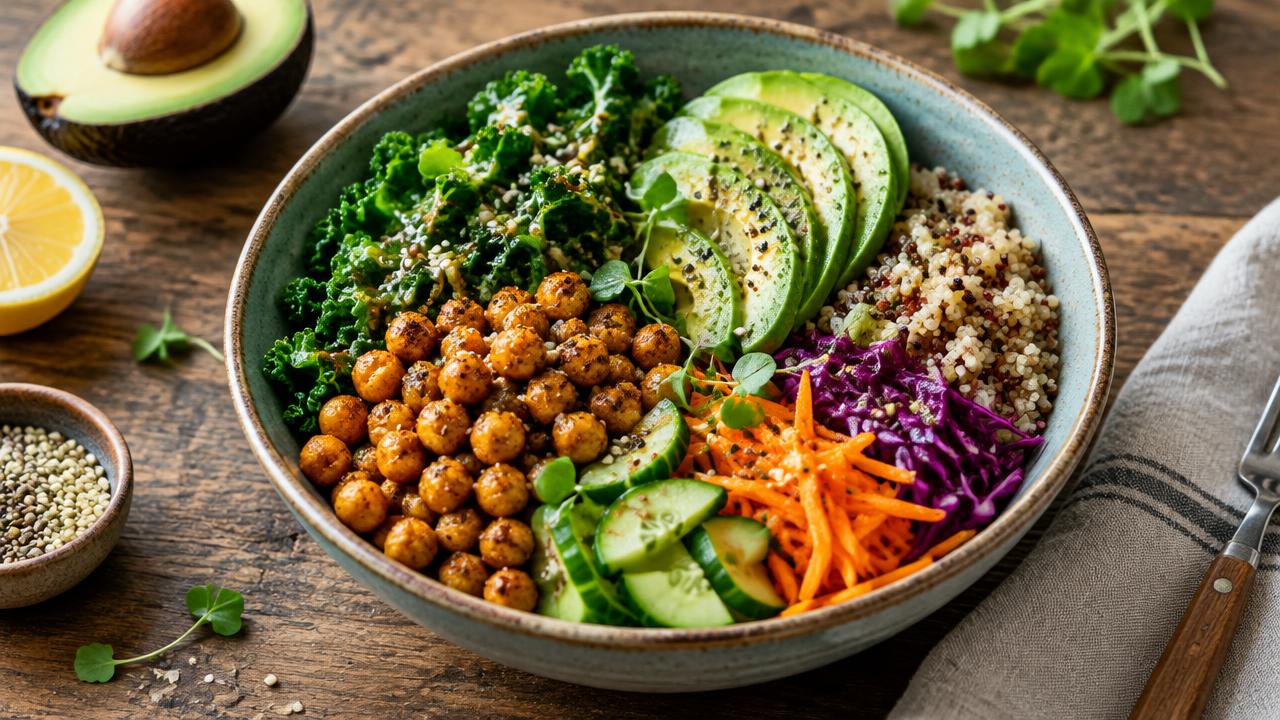
- Plantaardig dieet
- Een eetpatroon dat draait om plantaardige voeding — groenten, fruit, volle granen, peulvruchten, noten en zaden — met dierlijke producten verminderd of uitgesloten. Verhalen hierover →
- Veganistisch
- Een levenswijze die erop gericht is om, voor zover mogelijk, alle vormen van uitbuiting van dieren uit te sluiten — ook in voeding, kleding en ander gebruik. Verhalen hierover →
- Vegetarisch
- Een dieet dat vlees, gevogelte en vis uitsluit, maar wel zuivel en eieren kan bevatten (lacto-ovo). Verhalen hierover →
- Flexitarisch
- Een overwegend plantaardig eetpatroon dat af en toe vlees of vis bevat. Verhalen hierover →
- Whole-food plant-based (WFPB)
- Een plantaardig dieet dat de nadruk legt op minimaal bewerkte volwaardige voedingsmiddelen en oliën, geraffineerde suiker en geraffineerd meel beperkt. Verhalen hierover →
Voeding
4 termen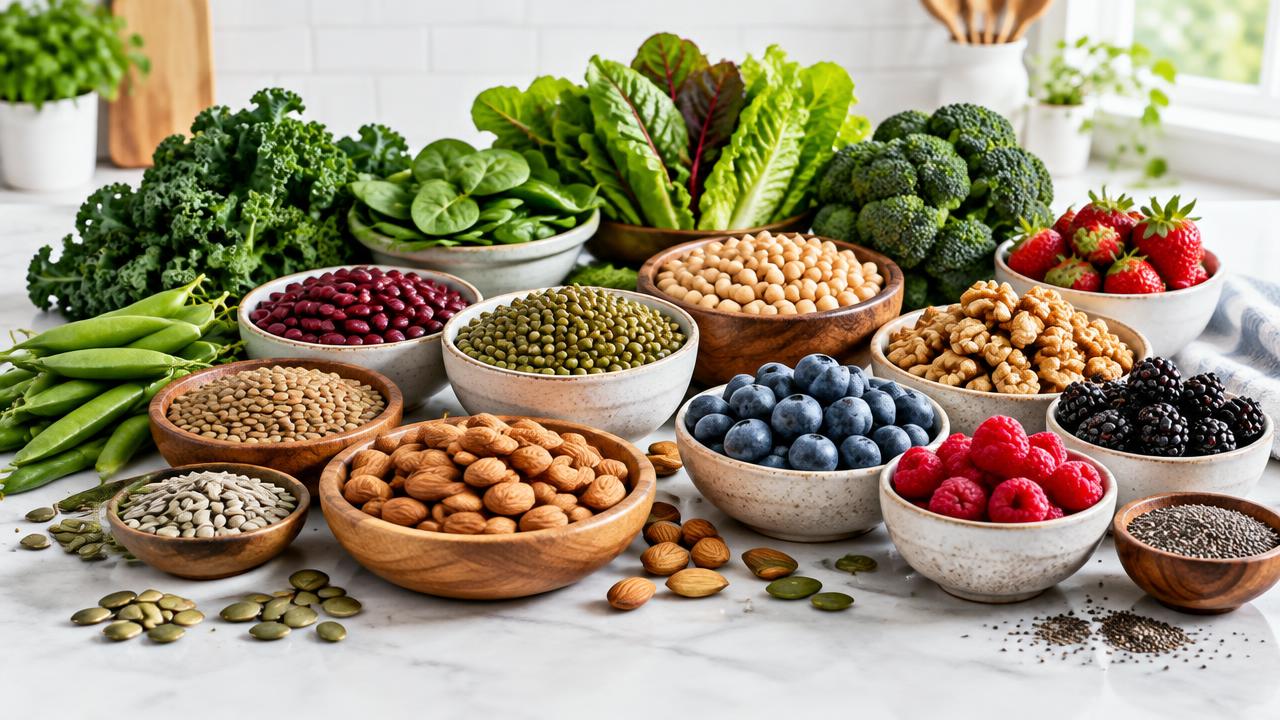
- Volledig eiwit
- Een eiwitbron die alle negen essentiële aminozuren in voldoende hoeveelheden levert; combinaties van peulvruchten en granen bereiken dit over de dag. Verhalen hierover →
- Vitamine B12
- Een essentiële vitamine die door bacteriën wordt geproduceerd; wordt op plantaardige diëten betrouwbaar aangevuld of verkregen uit verrijkte voedingsmiddelen. Verhalen hierover →
- Omega-3 (ALA / EPA / DHA)
- Essentiële vetzuren; ALA zit in lijnzaad, chia en walnoten. EPA/DHA kan worden verkregen uit algenolie. Verhalen hierover →
- Heme- versus non-heemijzer
- Heemijzer komt uit dierlijke voeding; non-heemijzer uit planten. De opname van non-heemijzer wordt verbeterd door vitamine C. Verhalen hierover →
Dieren
5 termen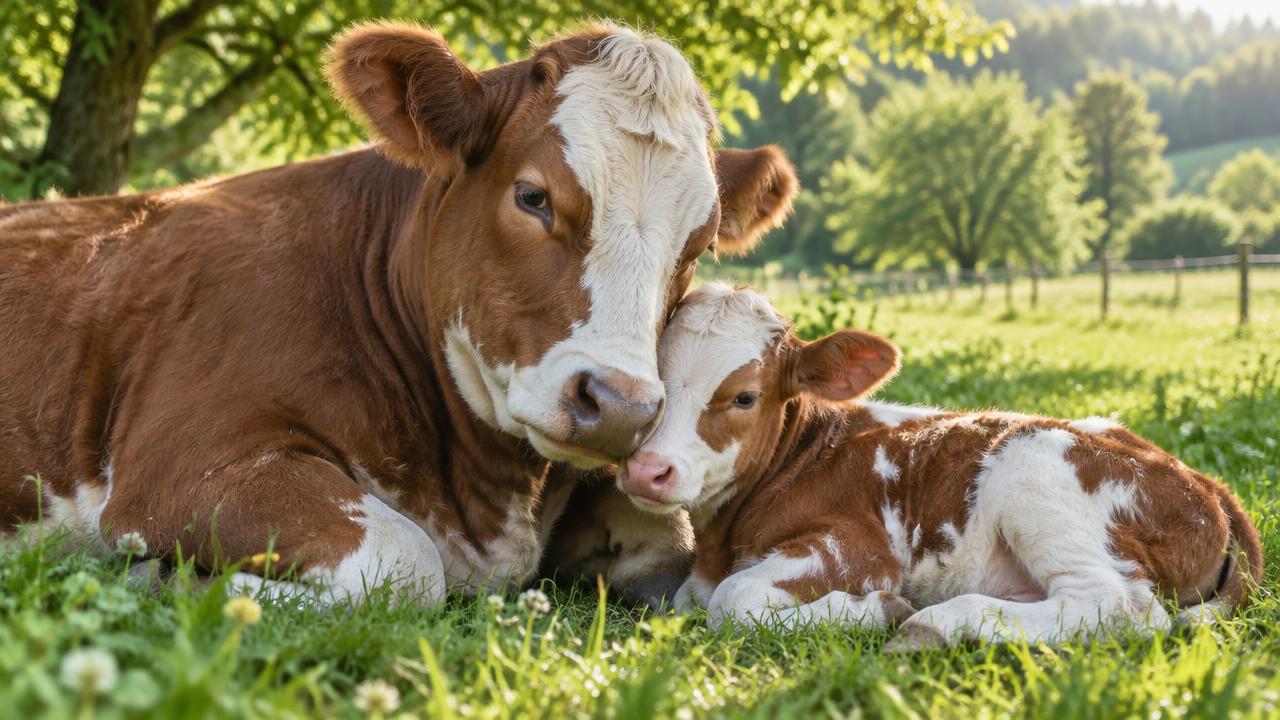
- Bio-industrie
- Industriële veehouderij die dieren op grote schaal opsluit om met lage kosten per eenheid maximale output te realiseren. Verhalen hierover →
- CAFO
- Concentrated Animal Feeding Operation — een Amerikaanse regelgevingsterm voor de grootste intensieve veehouderijen. Verhalen hierover →
- Bewustzijn
- Het vermogen om subjectief te voelen, waar te nemen of te ervaren — door de moderne wetenschap erkend bij gewervelden en veel ongewervelden. Verhalen hierover →
- Soortisme
- De aanname van morele superioriteit van de ene soort (meestal de mens) boven andere, vaak gebruikt om uitbuiting te rechtvaardigen. Verhalen hierover →
- Scharrel / vrije uitloop
- Labels die huisvesting van kippen reguleren; beide staan binnenhuisvesting toe en zijn niet synoniem met hoog welzijn of weidegang. Verhalen hierover →
Klimat
5 termen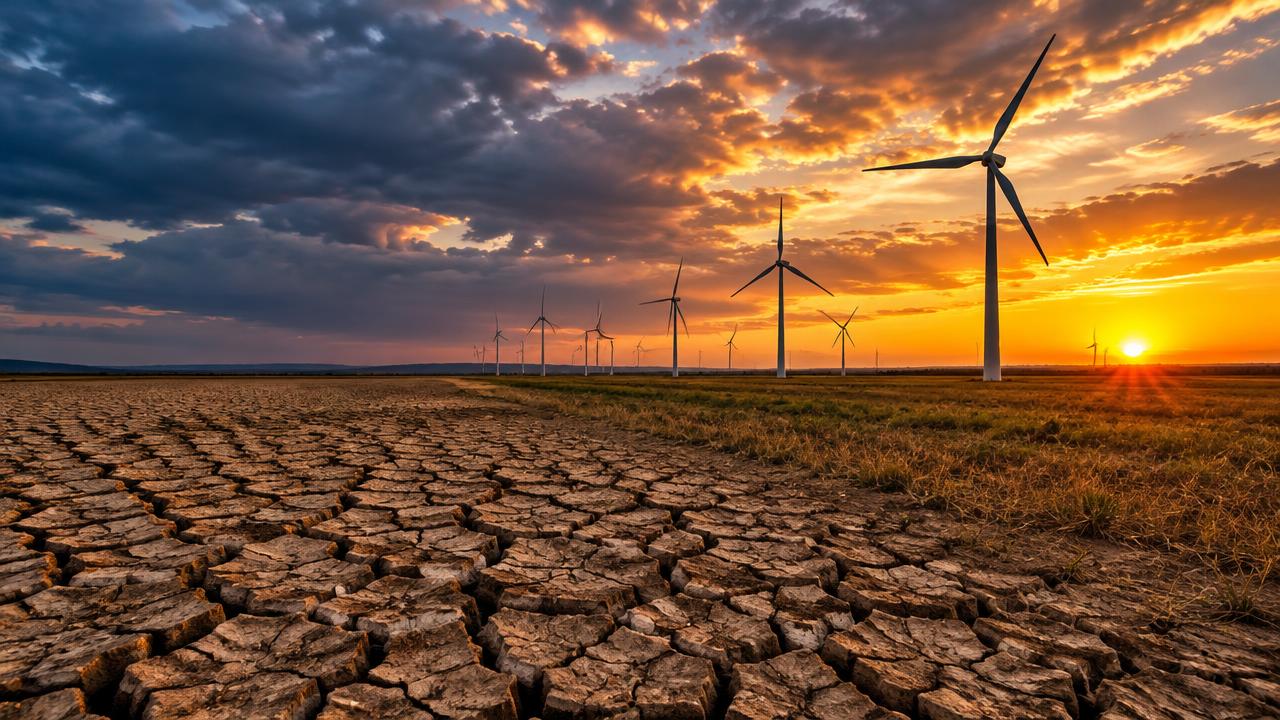
- BKG (broeikasgas)
- Gassen zoals CO₂, methaan (CH₄) en lachgas (N₂O) die warmte in de atmosfeer vasthouden en opwarming van de aarde veroorzaken. Verhalen hierover →
- CO₂-equivalent (CO₂e)
- Een gangbare maatstaf die verschillende broeikasgassen omrekent naar het opwarmend effect van een equivalente massa CO₂. Verhalen hierover →
- Enterisch methaan
- Methaan dat ontstaat door microbiële fermentatie in de magen van herkauwers zoals runderen en schapen. Verhalen hierover →
- CO₂-voetafdruk
- De totale uitstoot van broeikasgassen die direct en indirect wordt veroorzaakt door een persoon, product of activiteit. Verhalen hierover →
- Landgebruiksverandering
- Omzetting van ecosystemen (vaak bossen) naar landbouw of weiland — een belangrijke oorzaak van biodiversiteitsverlies en emissies. Verhalen hierover →
Duurzaamheid
4 termen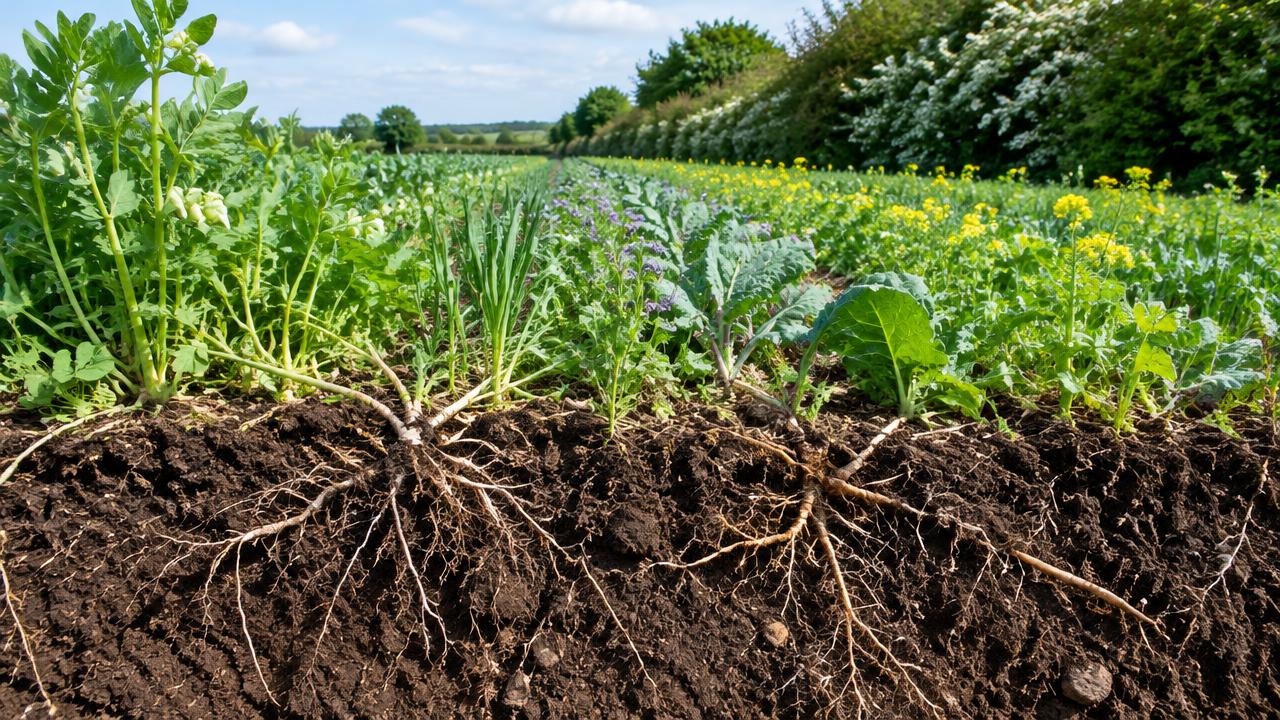
- Circulaire economie
- Een economisch model dat is ontworpen om afval te elimineren door materialen in gebruik te houden via hergebruik, reparatie en recycling. Verhalen hierover →
- Regeneratieve landbouw
- Landbouwpraktijken die gericht zijn op het herstellen van bodemgezondheid, biodiversiteit en watercycli in plaats van ze alleen in stand te houden. Verhalen hierover →
- Voedselkilometers
- De afstand die voedsel aflegt van producent tot consument — een van de vele factoren in de milieu-impact van een product. Verhalen hierover →
- Zero waste
- Een ontwerpfilosofie die erop gericht is om niets naar de stortplaats of verbranding te sturen door afval aan de bron te voorkomen. Verhalen hierover →
Ocean
2 termen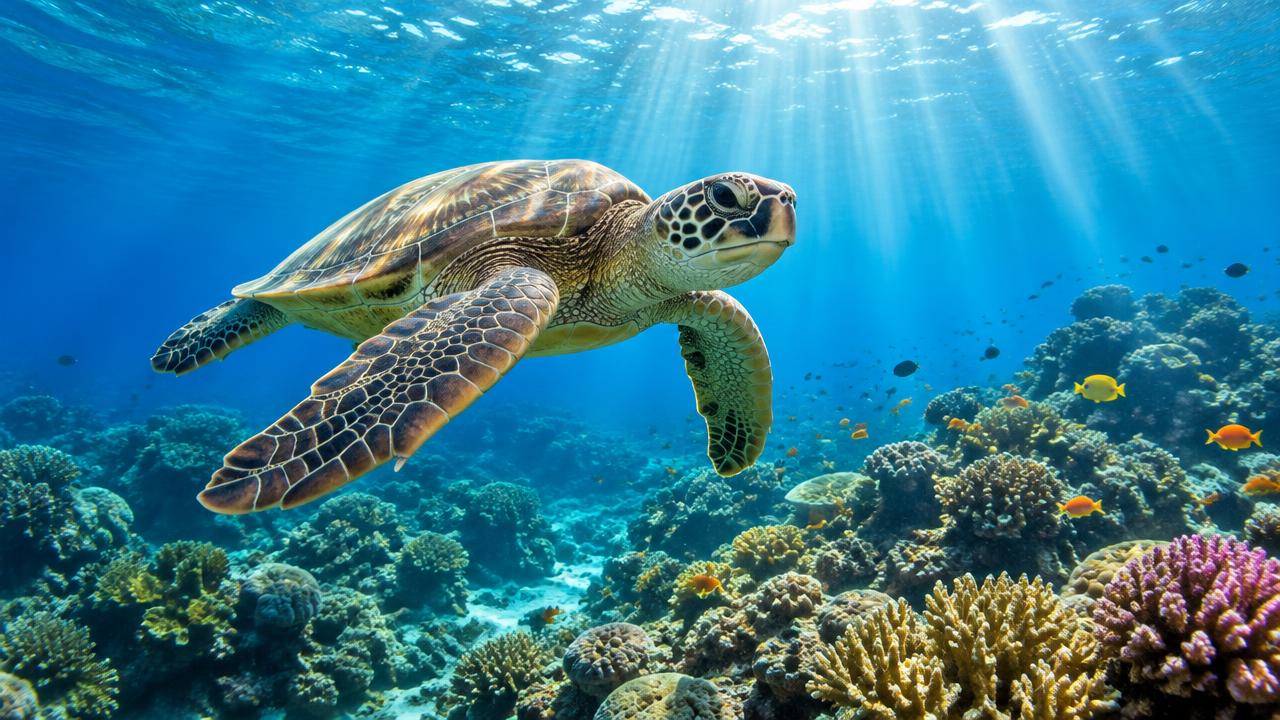
- Bijvangst
- Niet-doelwit mariene soorten die per ongeluk worden gevangen tijdens commerciële visserij. Verhalen hierover →
- Overbevissing
- Het sneller vangen van vis dan populaties zich kunnen voortplanten, wat mariene ecosystemen en voedselzekerheid aantast. Verhalen hierover →
Mode
2 termen
- Fast fashion
- Een verdienmodel dat grote volumes goedkope, snel wisselende kleding produceert, met zware milieu- en arbeidskosten. Verhalen hierover →
- Veganistisch leer
- Leeralternatieven gemaakt van plantaardige materialen (cactus, ananas, appel), gerecycled polyurethaan of biobased films. Verhalen hierover →
Labels
2 termen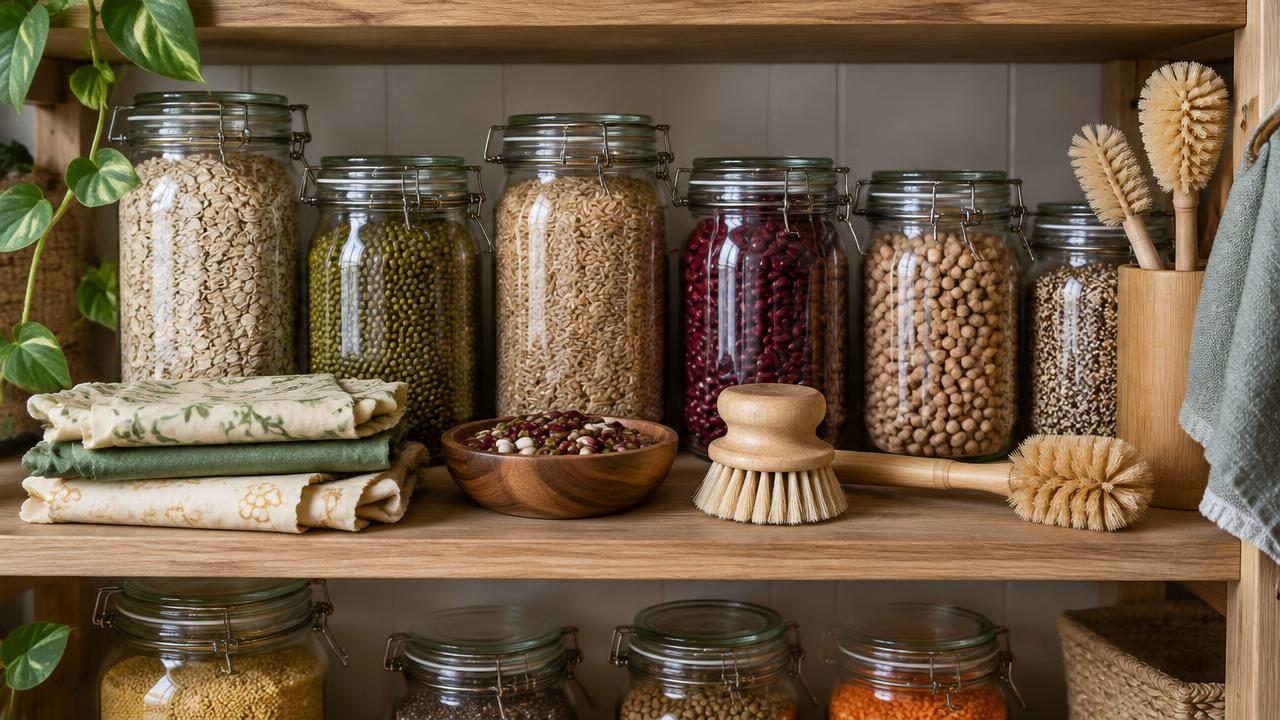
- Gecertificeerd veganistisch
- Een keurmerk van een onafhankelijke partij dat aangeeft dat een product geen dierlijke ingrediënten bevat en niet op dieren is getest. Verhalen hierover →
- Fairtrade
- Certificering dat goederen zijn geproduceerd volgens normen voor lonen, arbeidsomstandigheden en investeringen in de gemeenschap. Verhalen hierover →
Hoe wij deze termen definiëren
De definities volgen de formulering van toezichthouders, peer-reviewed onderzoek en certificeringsinstanties waar die bestaat. Waar een term omstreden is of vooral marketingdoeleinden dient, vermelden we dat in plaats van partij te kiezen.
Verder lezen
Deze termen komen steeds terug in onze berichtgeving over de bio-industrie, dierenrechten en de klimaatkosten van de veehouderij.
Gedefinieerde termen
Hoe wij deze termen definiëren →- Plantaardig dieet
- Een eetpatroon dat draait om plantaardige voeding — groenten, fruit, volle granen, peulvruchten, noten en zaden — met dierlijke producten verminderd of uitgesloten.
- Veganistisch
- Een levenswijze die erop gericht is om, voor zover mogelijk, alle vormen van uitbuiting van dieren uit te sluiten — ook in voeding, kleding en ander gebruik.
- Vegetarisch
- Een dieet dat vlees, gevogelte en vis uitsluit, maar wel zuivel en eieren kan bevatten (lacto-ovo).
- Flexitarisch
- Een overwegend plantaardig eetpatroon dat af en toe vlees of vis bevat.
Debatten over voeding, landbouw en klimaat stranden vaker op woordkeuze dan op bewijs. "Plantaardig" betekent iets anders op een supermarktlabel dan in een voedingsstudie; "vrij uitloop" is in sommige landen een wettelijke definitie en in andere een marketingterm; "klimaatneutraal" kan een echte reductie beschrijven of een achteraf gekochte compensatie. Deze woordenlijst legt de betekenissen vast die we in elke VegEco-editie hanteren, zodat onze berichtgeving consistent blijft.
Elke entry is geschreven om bruikbaar te zijn, niet alleen correct: het zegt wat de term dekt, waar de grenzen betwist worden, en waar je op moet letten voordat je een bewering die erop gebaseerd is accepteert. Termen zijn gegroepeerd per domein — voeding, dierenwelzijn, landbouwsystemen, klimaatwetenschap en etikettering — omdat hetzelfde woord in elk domein een ander gewicht kan dragen.
Waarom definities het debat bepalen
De meeste gepubliceerde meningsverschillen over de voetafdruk van voedsel zijn eerder definitieel dan empirisch. Twee studies kunnen emissies per kilogram van een product rapporteren die een factor vier verschillen, puur omdat de ene landgebruiksverandering meetelt en de andere niet, of omdat de ene stopt bij de boerderijpoort terwijl de andere het product volgt tot op het bord. Voordat je twee cijfers vergelijkt, moet je bevestigen dat ze hetzelfde systeem meten, binnen dezelfde grens, in hetzelfde jaar. Als een bron zijn grens niet vermeldt, is het cijfer met niets vergelijkbaar.
Labels, certificeringen en wat ze garanderen
Een certificering is een belofte over een proces, meestal niet over een uitkomst. Welzijnsregelingen specificeren doorgaans bezettingsdichtheid, verrijking of slachtmethode; biologische regelingen specificeren inputs; CO2-labels specificeren een boekhoudmethode. Geen daarvan garandeert wat shoppers er meestal uit afleiden. De praktische test is om de norm achter het logo op te zoeken en de clausule te lezen die voor jou relevant is — de meeste regelingen publiceren hun volledige criteria, en de kloof tussen de implicatie van het logo en de tekst van de clausule is waar de meeste misinterpretatie ontstaat.
Termen die per regio van betekenis veranderen
Regelgeving is lokaal, dus woordenschat ook. Kooivrij, scharrel, humaan, natuurlijk en zelfs veganistisch zijn in sommige rechtsgebieden wettelijk gedefinieerd en in andere ongereguleerd, en dezelfde frase kan vertaald worden naar een term met een sterkere of zwakkere juridische betekenis. Omdat elke VegEco-editie native wordt geschreven in plaats van machinaal vertaald, gebruikt elke editie de term die de eigen lezers op hun eigen verpakkingen tegenkomen — dus een definitie hier kan qua nadruk verschillen van het equivalent in een andere taal.
Vaak verwarde termen en wat ze daadwerkelijk onderscheidt
Plantaardig
- Wat het dekt
- Een voedingspatroon met planten als basis
- Wat het niet dekt
- Garandeert geen dierlijke ingrediënten
Veganistisch
- Wat het dekt
- Uitsluiten van diergebruik voor zover praktisch haalbaar
- Wat het niet dekt
- Zegt niets over voeding of voetafdruk
Vrij uitloop
- Wat het dekt
- Enige buitenruimte, lokaal gedefinieerd
- Wat het niet dekt
- Specificeert ruimte, duur of koppelgrootte
Klimaatneutraal
- Wat het dekt
- Netto cijfer na compensaties
- Wat het niet dekt
- Bewijst een absolute emissiereductie
Regeneratief
- Wat het dekt
- Praktijken gericht op bodemgezondheid
- Wat het niet dekt
- Een enkele geauditeerde norm
FAQ
- Is plantaardig hetzelfde als veganistisch?
- Nee. Plantaardig beschrijft waar een dieet vooral uit bestaat; veganistisch beschrijft een ethisch standpunt dat verder reikt dan voeding, naar kleding en ander diergebruik. Een plantaardig product kan wettelijk dierlijke ingrediënten bevatten, tenzij het ook een veganistische claim draagt.
- Waarom verschillen emissiecijfers voor hetzelfde voedsel zo sterk?
- Door systeemgrenzen, allocatie tussen coproducten, of landgebruiksverandering wordt meegeteld, en de regio en het jaar van de onderliggende data. Twee geloofwaardige studies kunnen meerdere factoren verschillen zonder dat een van beide fout is.
- Betekenen welzijnslabels dat de dieren een goed leven hadden?
- Ze betekenen dat een specifieke set procescriteria is geauditeerd. Lees de norm achter het logo: de clausules over bezettingsdichtheid, verrijking, transport en slacht vertellen je veel meer dan de naam van het label.
- Hoe vaak wordt deze woordenlijst bijgewerkt?
- Entries worden herzien wanneer regelgeving, certificeringscriteria of de gangbare wetenschappelijke lezing verandert, en nieuwe termen worden toegevoegd zodra onze redacties ze in hun berichtgeving gaan gebruiken.