How to Rewild Your Punjab Farm in 30 Days: Biodiversity Recovery on a Budget
Discover a step-by-step 30-day plan to restore native flora and fauna on Punjab farmland, boosting biodiversity and soil health without breaking the bank.
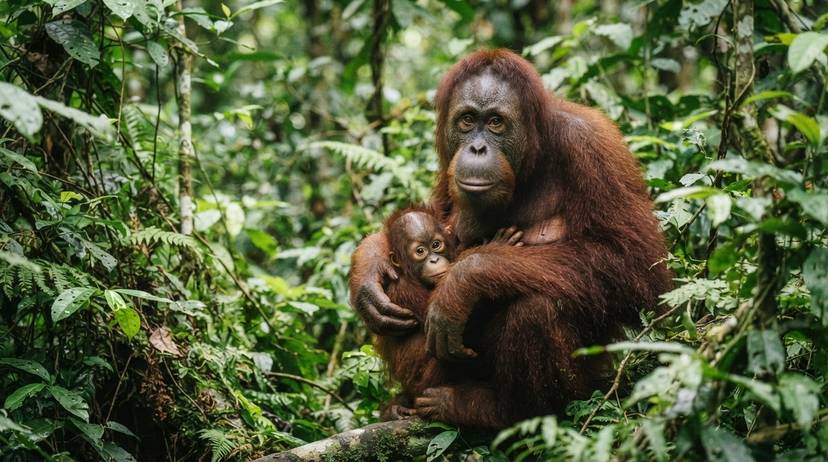
**Short answer:** Rewilding a Punjab farm in 30 days means setting aside a small portion (even 5%) of your land, planting native species, restoring a water source, and reducing chemical inputs—costing as little as ₹15,000 for a 1-acre patch. This boosts biodiversity, attracts pollinators and birds, and improves soil health, all while cutting input costs. With Punjab's agricultural landscape heavily monocultured, this step-by-step guide offers a practical, budget-friendly path to revive native flora and fauna.
Step 1: Survey Your Land for Rewilding Potential in Punjab
Begin by mapping your farm's current state. Walk the boundaries, note where water collects, where soil is degraded, and which native plants still exist. Punjab's Biodiversity Board (PBB) provides free advisory on ecological restoration under the Biological Diversity Act, 2002. Identify a corner—perhaps near a field edge or canal—that you can dedicate to rewilding. Even a 0.5-acre strip along a boundary can become a wildlife corridor.
Use a simple notebook or a free app like iNaturalist to record species. Check soil texture: sandy loam dominates central Punjab, but saline patches exist in southwest districts. A soil test from Punjab Agricultural University (PAU), Ludhiana, costs around ₹500 and tells you pH and nutrient levels. This baseline helps you choose plants that thrive without heavy inputs.
What to Look For in a Rewilding Site
Prioritize areas near existing hedgerows, water channels, or fallow land. These spots already support some biodiversity and require less effort. Avoid prime irrigation zones unless you're willing to sacrifice yield. If you have a pond or seasonal wetland, that's gold—wetlands in Punjab host migratory birds like the Siberian crane, so protect them.
“Rewilding isn't about abandoning agriculture; it's about integrating wildness back into the farm matrix. Even 5% of a field can make a measurable difference for pollinators and soil microbes.”
Step 2: Choose Native Plants That Thrive in Punjab's Climate
Select indigenous species adapted to Punjab's semi-arid climate. Native trees like sheesham (Dalbergia sissoo), kikar (Acacia nilotica), and ber (Ziziphus mauritiana) provide food and shelter for birds and insects. For understory, plant grasses like kans (Saccharum spontaneum) and wildflowers such as genda phool (Tagetes erecta) to attract pollinators. Avoid exotic invasives like eucalyptus and water hyacinth, which degrade local ecosystems.
Source saplings from the Punjab Forest Department nurseries—they sell native species at subsidized rates, often ₹20–50 per sapling. Alternatively, collect seeds from nearby forests (with permission) and propagate in a small nursery. A mix of 30–40 trees per acre, plus grasses and shrubs, creates a layered habitat.
Native Species List for Punjab Rewilding
Recommended Native Plants
- Sheesham (Dalbergia sissoo) – fast-growing timber tree, supports birds
- Kikar (Acacia nilotica) – nitrogen-fixing, drought-tolerant
- Ber (Ziziphus mauritiana) – fruit tree attracting fruit bats and birds
- Kans grass (Saccharum spontaneum) – excellent for soil stabilization
- Wild sunflower (Helianthus annuus) – nectar source for bees
- Kachnar (Bauhinia variegata) – ornamental and edible flowers
Step 3: Restore Water Sources to Attract Wildlife
Water is the lifeline of biodiversity. If you have an old pond or a low-lying area, clean it and line it with clay to prevent seepage. In Punjab, where groundwater is depleting at 0.5 meters per year (CGWB, 2023), creating a rainwater harvesting pit—even a 3x3 meter structure—can recharge aquifers and provide drinking water for birds and small mammals.
Costs: digging a small pond with a tractor costs ₹5,000–8,000. Add a solar-powered pump (₹15,000) to circulate water if needed. Avoid introducing fish, as they can disturb natural ecosystems. Instead, let native aquatic plants like lotus and water lilies colonize naturally—they'll attract dragonflies and frogs.
Rainwater Harvesting for Rewilding
During monsoon, direct roof runoff from your farmhouse into a storage tank or recharge pit. Punjab receives 600–800 mm annual rainfall; capturing even 10% can sustain a small wetland through dry months. This aligns with the Punjab Water Regulation and Development Act, 2020, which encourages water conservation.
| Item | Quantity | Cost (₹) |
|---|---|---|
| Native tree saplings | 40 | 1,200 |
| Grass seeds (kans, etc.) | 2 kg | 800 |
| Fencing (barbed wire + posts) | 200 m | 4,000 |
| Pond excavation | 1 | 6,000 |
| Soil test (PAU) | 1 | 500 |
| Miscellaneous (tools, mulch) | - | 2,500 |
| Total | - | 15,000 |
Step 4: Reduce Chemical Inputs Gradually
Chemicals like pesticides and synthetic fertilizers kill beneficial insects and soil microbes, undermining rewilding efforts. In Punjab, where overuse of urea has led to soil degradation (PAU report, 2022), transitioning to organic or regenerative practices is crucial. Start by replacing chemical fertilizers with compost or vermicompost from your own farm waste—this cuts costs by 30–40% while improving soil organic matter.
For pest control, introduce natural predators like ladybugs and parasitic wasps by planting nectar-rich flowers. Neem oil sprays (₹300 per liter) are effective against aphids without harming pollinators. Punjab's Promotion of Organic Farming Scheme offers subsidies up to 50% for farmers converting to organic, making this step budget-friendly.
How to Compost for Rewilding
Set up a simple pit compost (3x3x3 feet) using crop residues, cow dung (if you have cattle), and green waste. Turn it every week; within 45 days, you'll have rich humus. Apply this to your rewilding plot to boost soil fertility without synthetic inputs.
Soil Organic Matter Increase After Rewilding (Punjab, %)
Step 5: Create Wildlife Corridors and Habitat Structures
Connect your rewilding patch to neighboring natural areas by planting hedgerows along field boundaries. These corridors allow animals to move safely between habitats. In Punjab, where fragmentation threatens species like the Indian hare and partridge, hedgerows of ber, kikar, and grasses provide cover and food. Build brush piles from pruned branches—they offer shelter for reptiles and small mammals.
Install bird boxes and bat boxes (cost ₹500–1,000 each) to encourage nesting. Punjab's agricultural landscape has seen a decline in house sparrows and mynas; providing nesting sites can help. Place boxes 3–5 meters high on trees, facing away from prevailing winds.
Wildlife Corridor Design Tips
Steps to Design a Corridor
- Identify existing hedgerows or water channels as starting points
- Plant a 2-meter-wide strip of native grasses and shrubs
- Add trees every 5 meters for canopy cover
- Link to at least one other habitat patch
- Avoid using pesticides within the corridor
Step 6: Monitor and Document Biodiversity Changes
Tracking progress is vital to measure success and adapt. Set up a simple monitoring routine: take photos weekly from the same spot, count bird species you see, and note any new insects. Use the eBird app (free) to log bird sightings—this data contributes to global biodiversity science. Punjab's State Biodiversity Board encourages citizen science; your records can help identify priority areas for conservation.
After 30 days, you might see an increase in pollinators like bees and butterflies. A study by the Centre for Environment and Agriculture (2023) found that rewilded farms in Punjab had 2.5 times more beneficial insects than conventional fields. Documenting these changes strengthens your case for expanding rewilding or applying for government incentives.

Monitoring Tools for Farmers
| Tool | Purpose | Cost (₹) |
|---|---|---|
| Smartphone camera | Photo documentation | 0 (existing) |
| eBird app | Bird species logging | Free |
| Soil test kit | pH and nutrient check | 1,500 |
| Notebook | Field journal | 50 |
Step 7: Engage the Community and Scale Up
Rewilding is more impactful when neighbors join. Share your results with the Punjab Kisan Union or local agricultural extension offices. Organize a farm walk to show other farmers the benefits—lower input costs, better soil, and wildlife returning. Collective rewilding can create larger corridors, benefiting species that need bigger territories.
Look for funding: the Punjab Biodiversity Board offers grants up to ₹50,000 for community-led conservation projects under the National Biodiversity Action Plan. Additionally, the state's Agroforestry Scheme provides free saplings and a 20% subsidy on planting costs. By scaling up, you contribute to Punjab's target of increasing forest and tree cover from 3.7% to 10% by 2030.
Frequently Asked Questions
For a 0.5-acre plot, expect to spend between ₹15,000 and ₹20,000, including saplings, fencing, pond excavation, and soil tests. Costs drop if you use government subsidies—Punjab's agroforestry scheme provides free saplings, and the organic farming scheme covers up to 50% of conversion costs.
No. Rewilding increases populations of natural pest predators like birds, ladybugs, and parasitic wasps. A 2023 study in the Journal of Applied Ecology found that farms with wildflower strips had 30% fewer crop pests than monocultures. Native plants don't attract invasive pests; they support a balanced ecosystem.
Sheesham, kikar, ber, and kachnar are top choices. These species are drought-resistant, support local wildlife, and have cultural significance. Sheesham provides timber, while ber fruits feed birds and bats. Avoid eucalyptus and poplar—they deplete groundwater and offer little biodiversity value.
Yes, even a 0.25-acre corner can make a difference. Focus on planting a diverse mix of native grasses, shrubs, and a few trees, and create a small water source. Small patches act as stepping stones for wildlife, especially if connected to larger habitats.
Birds and insects often appear within the first 2–3 weeks, especially if water is available. Mammals like hares may take a few months. Patience is key; the first season is about establishing plants, and by the next year, the habitat will mature, attracting more species.
Yes. The Punjab Biodiversity Board offers grants for community projects, and the Punjab Agroforestry Scheme provides free saplings and subsidies. Additionally, the state's Promotion of Organic Farming Scheme supports chemical-free practices that align with rewilding goals.
Key Takeaways
Key Takeaways
- Start with a small 0.5-acre plot to minimize costs
- Choose native plants like sheesham, kikar, and ber
- Restore a water source to attract wildlife
- Reduce chemical inputs to boost soil health
- Monitor biodiversity using apps like eBird
- Engage neighbors and apply for Punjab government subsidies
Final Checklist for Rewilding Success
30-Day Rewilding Checklist
- ✓Walk the land and identify a rewilding patch
- ✓Conduct a soil test at PAU or local lab
- ✓Order native saplings from Punjab Forest Department
- ✓Dig a small pond or rainwater harvesting pit
- ✓Plant trees and grasses in layers
- ✓Set up compost pit and reduce chemical use
- ✓Install bird and bat boxes
- ✓Start a monitoring journal with photos
- ✓Share progress with local farmers and board
ਸੰਬੰਧਿਤ ਵਿਸ਼ੇ
ਸੰਬੰਧਿਤ ਪੜ੍ਹਾਈ

ਜੰਗਲੀ ਜੀਵ ਸੁਰੱਖਿਆ ਹਫਤਾ ਕਦੋਂ ਮਨਾਇਆ ਜਾਂਦਾ ਹੈ: ਸ਼ੁਰੂਆਤੀ ਗਾਈਡ 2026
ਜਾਣੋ ਜੰਗਲੀ ਜੀਵ ਸੁਰੱਖਿਆ ਹਫਤੇ ਦੀ ਮਿਤੀ, ਇਤਿਹਾਸ ਅਤੇ ਪੰਜਾਬ ਵਿੱਚ ਇਸਨੂੰ ਮਨਾਉਣ ਦੇ ਤਰੀਕੇ, ਨਾਲ ਹੀ ਜਾਨਵਰਾਂ ਦੀ ਰੱਖਿਆ ਲਈ ਤੁਹਾਡੇ ਪਹਿਲੇ 30 ਦਿਨਾਂ ਦੀ ਯੋਜਨਾ।
9 ਮਿੰਟ ਪੜ੍ਹਨਾ

ਜੈਵ ਵਿਭਿੰਨਤਾ ਕੀ ਹੈ: 2026 ਦੇ ਅੰਕੜੇ ਜੋ ਪੰਜਾਬ ਨੂੰ ਜ਼ਰੂਰ ਜਾਣਨੇ ਚਾਹੀਦੇ ਹਨ
ਜੈਵ ਵਿਭਿੰਨਤਾ ਦਾ ਅਸਲ ਮਤਲਬ, ਇਸ ਦੇ ਘਟਣ ਦੇ ਅੰਕੜੇ, ਅਤੇ ਪੰਜਾਬ ਵਿੱਚ ਜੰਗਲੀ ਜੀਵ ਅਤੇ ਕੁਦਰਤੀ ਨਿਵਾਸ ਸਥਾਨਾਂ ਨੂੰ ਬਚਾਉਣ ਦੇ ਉਪਾਅ — ਇੱਕ ਵਿਗਿਆਨਕ ਰਿਪੋਰਟ।
8 ਮਿੰਟ ਪੜ੍ਹਨਾ
ਜੰਗਲੀ ਜੀਵ ਸੁਰੱਖਿਆ ਹਫਤਾ: 7 ਮਿੱਥਾਂ ਬਾਰੇ ਸੱਚ ਜੋ ਤੁਹਾਨੂੰ ਪਤਾ ਹੋਣਾ ਚਾਹੀਦਾ ਹੈ
ਜੰਗਲੀ ਜੀਵ ਸੁਰੱਖਿਆ ਹਫਤੇ ਦੌਰਾਨ ਅਸੀਂ 7 ਆਮ ਮਿੱਥਾਂ ਨੂੰ ਤੋੜਦੇ ਹਾਂ ਅਤੇ ਦੱਸਦੇ ਹਾਂ ਕਿ ਪੰਜਾਬ ਵਿੱਚ ਜੰਗਲੀ ਜੀਵਾਂ ਦੀ ਅਸਲ ਸੁਰੱਖਿਆ ਕਿਵੇਂ ਕੀਤੀ ਜਾ ਸਕਦੀ ਹੈ।
6 ਮਿੰਟ ਪੜ੍ਹਨਾ