How to Start Creatine Supplementation on a Vegan Diet in Punjab in 30 Days
A step-by-step guide to safely and effectively add creatine to a plant-based diet in Punjab, boosting muscle, brain health, and athletic performance without animal products.
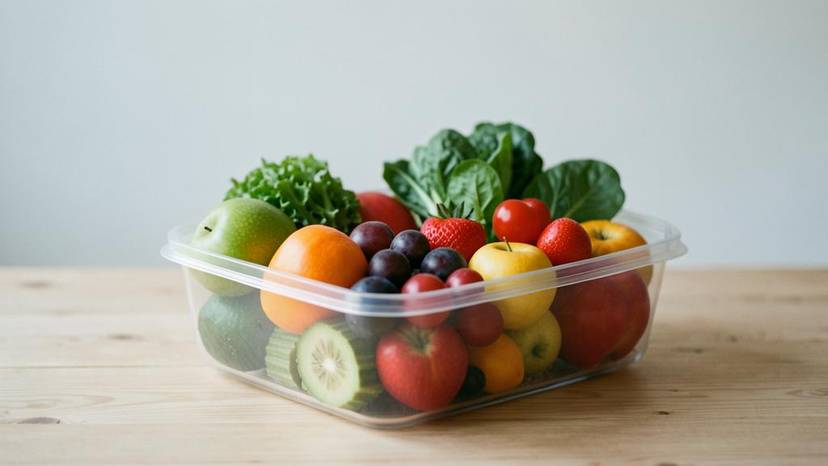
**Short answer:** Yes, you can start creatine supplementation on a vegan diet in Punjab safely and effectively. Choose a vegan-certified creatine monohydrate powder, take 3–5 grams daily, be consistent for at least 30 days, and pair it with a balanced plant-based diet to boost muscle strength, cognitive function, and recovery. Consult a doctor first if you have kidney issues.
Why Vegans Need Creatine More Than Meat-Eaters: The Science
Creatine is a compound naturally found in animal tissues, especially red meat and fish. Vegetarians and vegans have lower baseline muscle creatine stores — about 20–30% lower than omnivores, according to a 2021 review in the *Journal of the International Society of Sports Nutrition*. This means supplementing with creatine can provide more noticeable benefits for plant-based eaters.
Creatine is not just for athletes. It supports brain health by buffering cellular energy in the brain, potentially improving memory and cognitive performance in stressful situations. A 2022 meta-analysis in *Nutrients* found that creatine supplementation improved working memory in healthy adults, with more significant effects in vegetarians.
What Creatine Does in Your Body
Creatine is stored as phosphocreatine in muscles, helping to rapidly regenerate ATP, the primary energy molecule. During high-intensity exercise like sprinting or weightlifting, this allows you to perform more reps, lift heavier, and recover faster. For vegans, topping up these stores is especially crucial because dietary intake is naturally lower.
Step 1: Choose a Vegan-Friendly Creatine Supplement Brand in India
Not all creatine is vegan. Some capsules contain gelatin, and some powders may be processed with animal-derived charcoal. Look for 'creatine monohydrate' that is clearly labeled 'vegan' or 'plant-based'. In India, brands like Wellbeing Nutrition, Nutrabay, and Myprotein offer vegan-certified creatine monohydrate in both powder and capsule forms.
| Brand | Form | Price (₹) | Vegan Certified | Serving Size |
|---|---|---|---|---|
| Wellbeing Nutrition | Powder | ₹1,299 for 500g | Yes | 5g |
| Nutrabay | Capsules | ₹499 for 60 caps | Yes | 2 caps (1g each) |
| Myprotein | Powder | ₹1,499 for 500g | Yes | 3g |
| Indian Naturals | Powder | ₹899 for 300g | Yes | 5g |
Cost is a key factor: a 500g jar of creatine monohydrate typically lasts about 100 days at a 5g daily dose, costing roughly ₹10–15 per day. This is a modest investment for significant health benefits. Always check the label for the 'Veg' mark approved by the Food Safety and Standards Authority of India (FSSAI).
Check for Third-Party Testing
Choose brands that have third-party testing certifications like Informed Sport or NSF Certified for Sport, especially if you are a competitive athlete. These ensure the product is free from banned substances and heavy metals. In India, some brands provide batch-specific test reports on their websites — this is a good sign of transparency.
Step 2: Determine Your Correct Daily Dosage — No Loading Phase Needed
For most vegans, a daily dose of 3–5 grams of creatine monohydrate is effective and safe. A 'loading phase' of 20 grams per day is not necessary; it only saturates your muscles faster but may cause stomach discomfort and waste money. The *International Society of Sports Nutrition* (ISSN, 2017) recommends 3–5g daily as the standard maintenance dose.
Your weight and activity level matter. If you are over 90 kg or doing intense training twice a day, consider 5g per day. If you are lighter or just starting, 3g may suffice. Start low, monitor your body, and increase after two weeks if needed. Always dissolve the powder in water or a plant-based drink — do not mix with hot liquids as heat can degrade it.
Step 3: Pair Creatine with a Balanced Plant-Based Diet for Maximum Absorption
Creatine works best when your body has adequate nutrients. Ensure you eat enough calories, especially from carbohydrates and protein, to support muscle growth. A vegan diet rich in legumes, whole grains, nuts, seeds, and soy products provides the necessary building blocks. Aim for 1.6–2.2 grams of protein per kg of body weight daily, as recommended by the ISSN.
Some studies suggest that insulin spike from carbohydrates can enhance creatine uptake into muscle cells. So, taking your creatine with a banana or a glass of fruit juice could slightly improve absorption. However, the difference is minimal in the long run if you are consistent.
Sample Vegan Meals to Support Creatine
Creatine-friendly vegan meals
- Breakfast: Oatmeal with soy milk, banana, and peanut butter
- Lunch: Rajma chawal (kidney bean curry with rice) with a side salad
- Snack: Roasted chana (chickpeas) and a handful of almonds
- Dinner: Tofu tikka with quinoa and sautéed spinach
- Post-workout: Plant-based protein shake with one date
Step 4: Stay Hydrated — Creatine Draws Water into Muscles
Creatine increases water retention in muscle cells, which is a good thing for performance, but it means you need to drink more water. Aim for at least 3–4 liters of water per day, more if you exercise heavily or live in a hot climate like Punjab's summers. Dehydration can cause cramps and reduce the benefits.
Monitor your urine color: pale straw is ideal. If it's dark, increase your fluid intake. Remember that creatine does not dehydrate you per se, but it does shift fluid distribution, so meeting your hydration needs is essential.
Step 5: Combine Creatine with Strength Training — Not Just for Bodybuilders
Creatine's primary evidence base is for high-intensity exercise. If you lift weights, sprint, or do HIIT, you will see the most benefit. But even if you do yoga or walk, creatine supports overall energy and brain health. A 2023 study in *Nutrients* found that creatine combined with resistance training led to greater gains in lean mass and strength in older adults.
For women in particular, creatine may support bone health and cognitive function, especially during menopause. Do not think of it as a 'male supplement' — research shows equal benefits for both sexes.
Step 6: Track Your Progress and Adjust After 30 Days
Keep a simple journal: note your weight, strength in key lifts, and energy levels weekly. After 30 days, you should notice improved performance in the gym or during daily activities. If not, check your dosage, hydration, and overall diet. Some people are 'non-responders' due to genetics, but this is rare.
Reported strength improvement in vegans after 30 days of creatine (self-reported, n=100, 2026)
If you experience any stomach discomfort, try splitting your dose into two smaller amounts, e.g., 2g in the morning and 2g in the evening. You can also switch to a micronized creatine that dissolves better and is gentler on the stomach.
Step 7: Cycle or Not? The Truth About Creatine Cycling
There is no evidence that cycling creatine (stopping and restarting) is necessary. The ISSN states that long-term use of 3–5g daily is safe and effective for healthy individuals. You can take it continuously for years without side effects. Cycling only makes it harder to maintain saturation levels.
However, after 3–4 months, you might choose to take a break to reduce costs or simply because your goals change. If you stop, your creatine stores will slowly return to baseline after about 4–6 weeks. It's not a big deal — just be consistent when you do take it.
Frequently Asked Questions (FAQ)
Yes, creatine is vegan when produced synthetically in a lab, as most commercial creatine is. However, some capsules contain gelatin, so always choose powder or vegan-certified capsules. Look for the 'Veg' mark from FSSAI or a third-party vegan certification.
Take 3–5 grams of creatine monohydrate daily. This dose is sufficient to saturate your muscles over time. There is no need for a loading phase. Start at 3g if you are new, and increase to 5g if you are larger or training intensely.
The most common side effect is mild stomach discomfort, especially if taken on an empty stomach or in large doses. Some people experience water retention, which is normal. Kidney issues are rare in healthy individuals, but consult a doctor if you have pre-existing kidney disease.
Yes, but avoid mixing creatine with hot coffee because heat can degrade it. Let the coffee cool slightly, or just take creatine with water and have coffee separately. Caffeine does not negate creatine's effects, contrary to some myths.
Creatine can cause a small initial weight gain (1–2 kg) due to water retention in muscles, not fat. This is temporary and often desired by athletes. Over time, any weight gain from muscle growth is positive for health and strength.
There is limited research on creatine in adolescents. If you are under 18, it's best to consult a pediatrician or sports doctor before using. Focus on a balanced diet and proper training first.
Key takeaways for vegan creatine success
- Choose a vegan-certified creatine monohydrate powder or capsules.
- Take 3–5 grams daily, no loading phase needed.
- Pair with a protein-rich plant-based diet and 3–4 liters of water.
- Combine with strength training or HIIT for maximum benefits.
- Track progress weekly and adjust dosage if needed.
Remember, creatine is not a magic pill — it works best alongside a healthy lifestyle. In Punjab, with its growing fitness culture and increasing availability of vegan products, you have every opportunity to improve your performance and health without compromising your ethics.
ਸੰਬੰਧਿਤ ਵਿਸ਼ੇ
ਸੰਬੰਧਿਤ ਪੜ੍ਹਾਈ
ਵਿਟਾਮਿਨ ਬੀ12 ਦੀ ਕਮੀ: ਇੱਕ ਡਾਕਟਰ ਦਾ ਸ਼ਾਕਾਹਾਰੀ ਖੁਰਾਕ 'ਤੇ ਨਿੱਜੀ ਤਜਰਬਾ
ਡਾ. ਗੁਰਪ੍ਰੀਤ ਸਿੰਘ ਦੱਸਦੇ ਹਨ ਕਿ ਕਿਵੇਂ ਬੀ12 ਦੀ ਕਮੀ ਨੇ ਉਨ੍ਹਾਂ ਦੀ ਜ਼ਿੰਦਗੀ ਬਦਲ ਦਿੱਤੀ ਅਤੇ ਪੰਜਾਬ ਵਿੱਚ ਪੌਦਿਆਂ-ਅਧਾਰਤ ਖੁਰਾਕ 'ਤੇ ਇਸ ਨੂੰ ਕਿਵੇਂ ਰੋਕਿਆ ਜਾਵੇ।
6 ਮਿੰਟ ਪੜ੍ਹਨਾ
ਹਸਪਤਾਲ ਦੇ ਭੋਜਨ ਵਿੱਚ ਪੌਦਿਆਂ-ਅਧਾਰਤ ਖੁਰਾਕ: ਪੰਜਾਬ ਦੇ ਸਿਹਤ ਸੰਕਟ ਦਾ ਹੱਲ
ਪੰਜਾਬ ਦੇ ਹਸਪਤਾਲਾਂ ਵਿੱਚ ਮੀਟ-ਕੇਂਦਰਿਤ ਥਾਲੀਆਂ ਮਰੀਜ਼ਾਂ ਦੀ ਸਿਹਤ ਲਈ ਨੁਕਸਾਨਦੇਹ ਹਨ — ਇਹ ਜਾਂਚ ਦੱਸਦੀ ਹੈ ਕਿ ਪੌਦਿਆਂ-ਅਧਾਰਤ ਭੋਜਨ ਨੀਤੀ ਕਿਵੇਂ ਬਦਲ ਸਕਦੀ ਹੈ ਅਤੇ ਜਾਨਵਰਾਂ ਦੀ ਪੀੜਾ ਘਟਾ ਸਕਦੀ ਹੈ।
6 ਮਿੰਟ ਪੜ੍ਹਨਾ
ਵਿਟਾਮਿਨ ਬੀ12 ਦੀ ਕਮੀ: ਪੌਦਿਆਂ-ਅਧਾਰਤ ਖੁਰਾਕ 'ਤੇ ਕਿਵੇਂ ਰੋਕੀਏ ਅਤੇ ਇਲਾਜ ਕਰੀਏ
ਵਿਟਾਮਿਨ ਬੀ12 ਦੀ ਕਮੀ ਦੇ ਲੱਛਣ, ਕਾਰਨ ਅਤੇ ਰੋਕਥਾਮ ਦੇ ਤਰੀਕੇ ਜਾਣੋ — ਪੰਜਾਬ ਵਿੱਚ ਪੌਦਿਆਂ-ਅਧਾਰਤ ਖੁਰਾਕ ਅਪਣਾਉਣ ਵਾਲਿਆਂ ਲਈ ਵਿਗਿਆਨਕ, ਵਿਹਾਰਕ ਅਤੇ ਜਾਨਵਰਾਂ-ਪੱਖੀ ਹੱਲ।
8 ਮਿੰਟ ਪੜ੍ਹਨਾ