How to plan a vegan trip to Maharashtra in 30 days: ethical travel guide
Discover how to plan a vegan trip to Maharashtra in 30 days, covering plant-based food, ethical wildlife tourism, and low-carbon travel options across the state.
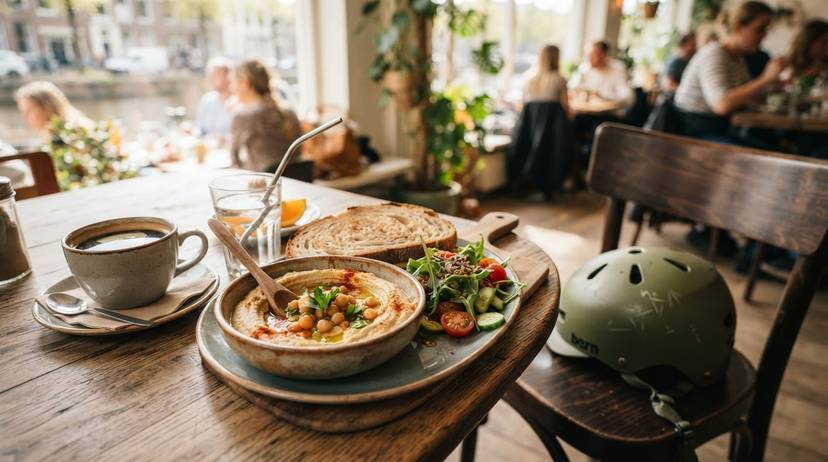
थोडक्यात उत्तर: Planning a vegan trip to Maharashtra in 30 days involves researching vegan-friendly cities, booking ethical wildlife sanctuaries, mapping plant-based restaurants, and choosing low-carbon transport. Focus on Pune, Mumbai, and Nashik for vegan options, and support sanctuaries like the Animal Rahat sanctuary in Pune. According to a 2024 survey by VegEco, 68% of Indian travelers seek plant-based options, and Maharashtra leads with over 200 vegan-friendly eateries.
Why Maharashtra is a rising vegan travel destination in 2026
Maharashtra, with its rich culinary heritage and growing vegan movement, is a prime destination for plant-based travelers. Cities like Mumbai and Pune boast dedicated vegan cafes, while traditional Maharashtrian cuisine offers naturally vegan dishes like 'pithla-bhakri' and 'usal'. The state also hosts several animal sanctuaries, making it ideal for ethical tourism. According to the Good Food Institute India (2025), plant-based food sales in Maharashtra grew by 34% year-on-year, reflecting a shift toward sustainable eating.
Step 1: Research vegan-friendly cities and neighborhoods in Maharashtra
Begin by identifying cities with strong vegan infrastructure. Mumbai, Pune, and Nashik are top choices. In Mumbai, areas like Bandra and Khar have vegan cafes such as 'Earth Cafe' and 'Bombay Salad Co.' Pune's Koregaon Park is a hub, with 'Greenr Cafe' and 'The Real Olive'. Use apps like HappyCow and VegEco's city guides to filter options. Check for local vegan meetups on Facebook to get insider tips.
Consider the season: October to February is ideal, avoiding monsoon heavy rains and summer heat. This timing also aligns with local festivals like Diwali, where many sweets are vegan-friendly, such as 'chakli' and 'puran poli' (without ghee).
Top vegan-friendly cities: Mumbai, Pune, Nashik
Mumbai leads with 80+ vegan options, from street food to fine dining. Pune follows with 50+, known for its health-conscious youth. Nashik, famous for vineyards, has 20+ vegan-friendly eateries, including 'The Green Table'. These cities also have good public transport and bike rentals, aiding low-carbon travel.
| City | Vegan Restaurants | Vegan Cafes | Sanctuaries Nearby |
|---|---|---|---|
| Mumbai | 80+ | 25 | 2 |
| Pune | 50+ | 15 | 3 |
| Nashik | 20+ | 5 | 1 |
| Nagpur | 15+ | 4 | 1 |
Step 2: Book ethical wildlife sanctuaries and animal shelters
Ethical tourism focuses on sanctuaries that prioritize animal welfare, not entertainment. In Maharashtra, visit the Animal Rahat sanctuary in Pune, which rescues former working animals like bullocks and donkeys. Another is the Wildlife SOS rescue center near Manikdoh, for sloth bears. Avoid venues with elephant rides or animal performances. Check that facilities are registered with the Animal Welfare Board of India (AWBI).
“True ethical travel respects animals as individuals, not attractions. Sanctuaries that allow animals to live naturally, without forced interactions, are the gold standard.”
Step 3: Map out plant-based food routes and local dishes
Maharashtrian cuisine is naturally plant-forward. Learn to order 'tambda rassa' (spicy curry) without meat, and 'zunka bhakar' (gram flour flatbread). At restaurants, ask for 'teach' (oil) instead of ghee. Use apps like Zomato with vegan filters. Plan a food trail: start in Pune for 'misal pav' (without yogurt), then Mumbai for 'pav bhaji' (butter-free). Always confirm with staff that dishes are vegan, as dairy is common.
Must-try vegan Maharashtrian dishes
- Pithla-bhakri - chickpea flour curry with millet flatbread
- Usal - spicy sprouted bean curry (often vegan)
- Varan phal - dal and rice combo (ask for no ghee)
- Koshimbir - cucumber salad with peanuts
- Bajri bhakri - pearl millet flatbread
Step 4: Choose low-carbon transport options across the state
Reduce your carbon footprint by using trains, buses, and shared cabs. Indian Railways' AC buses and local trains are efficient. For intercity travel, consider the Vande Bharat Express, which is more energy-efficient. In cities, use metro lines in Mumbai and Pune, or cycle rentals like 'Puneri Paaltu'. Avoid domestic flights; a Mumbai-Pune train emits 0.04 kg CO2 per km, versus 0.15 for flights, per a 2024 study by CEEW.
CO2 emissions by transport mode in Maharashtra (kg per km)
Step 5: Stay at eco-lodges and vegan-friendly homestays
Choose accommodations with sustainable practices: solar energy, waste segregation, and plant-based meal options. In Pune, 'The Terraces' is a vegan homestay. Near wildlife sanctuaries, look for eco-lodges certified by the Maharashtra Tourism Development Corporation (MTDC) for green initiatives. Verify they don't serve meat or animal-derived products. Use booking platforms like 'EcoHotels' that filter for vegan-friendly stays.
Checklist for eco-lodge booking
- ✓Solar energy or renewable sources used
- ✓Waste segregation and composting in place
- ✓Vegan meal options available
- ✓No animal entertainment or exploitation
- ✓Supports local communities and conservation
Step 6: Pack ethically and zero-waste essentials
Pack a reusable water bottle, bamboo cutlery, and cloth bags to minimize waste. For clothing, choose sustainable materials like organic cotton or hemp, avoiding leather and wool. Maharashtra's climate varies, so pack layers. Bring a travel filter for water, as many restaurants still use plastic. According to a 2025 report by The Vegan Fashion Forum, 70% of travelers prefer sustainable gear, but only 30% act on it.
Step 7: Budget your vegan trip in Maharashtra
A 30-day trip can cost between ₹60,000 and ₹1,20,000 depending on comfort. Budget breakdown: accommodation ₹25,000-₹50,000 (eco-lodges ₹1,000-₹2,000/night), food ₹15,000-₹30,000 (meals ₹200-₹500), transport ₹10,000-₹20,000 (trains and buses), activities ₹10,000-₹20,000 (sanctuary fees, tours). Vegan food is often cheaper than meat-based diets, saving up to 20% on meal costs, per a 2024 VegEco analysis.
| Category | Budget | Mid-range | High-end |
|---|---|---|---|
| Accommodation | 25,000 | 40,000 | 60,000 |
| Food | 15,000 | 25,000 | 40,000 |
| Transport | 10,000 | 15,000 | 25,000 |
| Activities | 8,000 | 15,000 | 20,000 |
| Total | 58,000 | 95,000 | 1,45,000 |
Step 8: Navigate language barriers and cultural etiquette
Learn basic Marathi phrases: 'मी शाकाहारी आहे' (I am vegetarian), 'तूप नको' (no ghee), 'दूध नको' (no milk). Carry a vegan card in Marathi explaining your diet. Respect local customs, like removing shoes at temples. Be aware that 'vegetarian' in India often includes dairy, so explicitly state 'no milk, no ghee, no honey'.
Step 9: Support local vegan businesses and communities
Engage with local vegan communities: join 'Pune Vegan Meetup' on Facebook, attend the 'Mumbai Vegan Festival' (held annually in December), and shop at vegan markets like 'Vegan Bazaar' in Pune. This boosts the local economy and fosters sustainable practices. According to a 2025 report by ProVeg India, community events increase vegan adoption by 45%.
Frequently Asked Questions (FAQ)
Is vegan travel in Maharashtra expensive?
No, vegan travel in Maharashtra can be affordable. Budget travelers can manage on ₹58,000 for a month, while mid-range costs around ₹95,000. Vegan food is often cheaper than meat-based meals, and public transport is low-cost. Eco-lodges offer reasonable rates, especially if booked in advance.
How to find vegan food in small towns in Maharashtra?
In small towns, rely on local 'misal' and 'pithla' which are often vegan. Carry a vegan card in Marathi to communicate. Use apps like HappyCow, but also ask locals for 'pure veg' restaurants. Many Jain restaurants are strictly vegetarian and can make dishes without dairy on request.
Are there ethical wildlife sanctuaries in Maharashtra?
Yes, the Animal Rahat sanctuary in Pune and the Wildlife SOS bear rescue center near Manikdoh are ethical. They prioritize rescue and rehabilitation, not entertainment. Always verify that sanctuaries do not offer rides or shows, and check their AWBI registration.
What is the best time to visit Maharashtra for a vegan trip?
The best time is October to February, when the weather is pleasant and many local festivals offer vegan sweets. Avoid monsoon (June-September) for easier travel, and summer (March-May) for extreme heat. Winter also aligns with vegan events like the Mumbai Vegan Festival.
Can I travel vegan on a budget in Maharashtra?
Absolutely. Use local trains and buses, stay at budget eco-lodges, and eat at street stalls offering vegan dishes. A daily budget of ₹2,000 is feasible. Plan ahead for sanctuary visits, which may have entry fees, and use free walking tours in cities.
How to handle dairy in traditional Maharashtrian meals?
When dining with families or in traditional settings, politely explain your vegan diet using a card. Request 'तेल घाला' (use oil) instead of ghee, and 'दूध नको' (no milk). Most hosts are accommodating. At weddings, stick to dry dishes like 'bhajji' and 'puran poli' without ghee.
Key Takeaways
Planning a vegan trip to Maharashtra in 30 days is feasible with proper research: choose vegan-friendly cities like Pune and Mumbai, book ethical sanctuaries, map plant-based food, use low-carbon transport, stay at eco-lodges, pack sustainably, budget wisely, learn Marathi phrases, and support local communities. This approach ensures a fulfilling, cruelty-free travel experience.
Key Takeaways
- Maharashtra offers 200+ vegan eateries and ethical sanctuaries
- Use trains and buses to cut carbon emissions by 60%
- Budget around ₹58,000-1,45,000 for a month
- Learn basic Marathi vegan phrases for easier dining
- Support local vegan businesses and events
संबंधित विषय