
レザーなしで本物の質感を:サボテンレザー完全スワップガイド
牛革の代わりにサボテンレザーを選ぶための完全ガイド。動物虐待を避けつつ、本物に勝る質感と耐久性を持つ植物由来の代替素材を、財布からソファまで徹底解説。
4 分で読了
Living
Wool is the hardest animal material to argue about, because it performs superbly and biodegrades, while its alternatives often shed microplastics. The welfare questions — mulesing, live export, and slaughter at the end of productive life — are what put it on the wrong side of the line for vegan wardrobes.
| 基準 | Wool | Plant and synthetic fibres |
|---|---|---|
| Performance | Excellent warmth-to-weight, moisture management and odour resistance. | Acrylic is warm but shedding; organic cotton and hemp breathe but insulate poorly; TENCEL and recycled synthetics sit in between. |
| Welfare | Mulesing is still legal in major producing regions; sheep are slaughtered when fleece yield drops, and live export remains a flashpoint. | No animals involved. |
| End of life | Biodegrades. | Plant fibres biodegrade; synthetics do not and shed microfibres throughout their life. |
| Land and emissions | Sheep are ruminants, so wool carries enteric methane and significant grazing land use. | Lower land use; synthetics carry fossil-feedstock emissions instead. |
牛革の代わりにサボテンレザーを選ぶための完全ガイド。動物虐待を避けつつ、本物に勝る質感と耐久性を持つ植物由来の代替素材を、財布からソファまで徹底解説。
4 分で読了
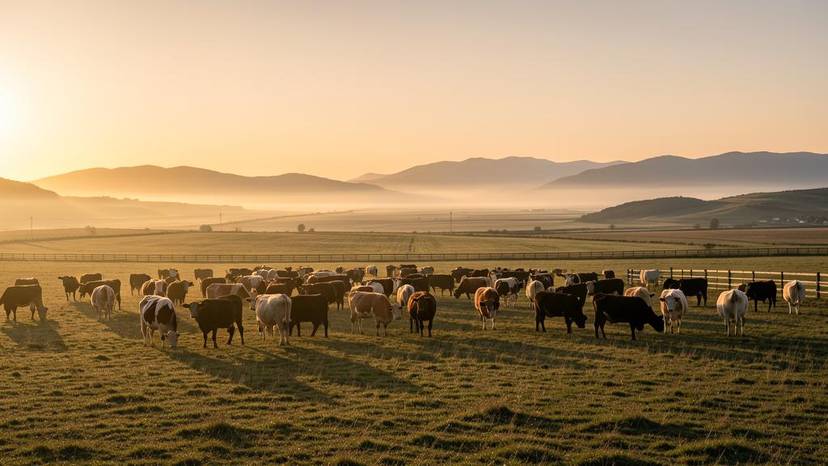
元酪農家が語る、畜産の現実とアニマルウェルフェア、そして持続可能な循環型農業への転換が日本でどう進むべきか。
4 分で読了
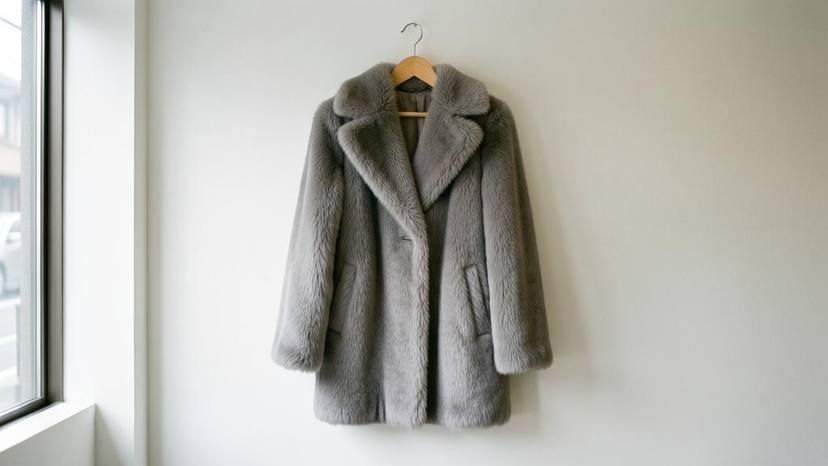
チンチラファーの残酷な実態と、動物を傷つけずに同じ暖かさと高級感を実現する植物性・リサイクル素材への完全スワップガイド。
4 分で読了

Learn the step-by-step process to secure Japanese animal welfare grants for your sanctuary or advocacy group, with practical tips and local resources.
7 分で読了
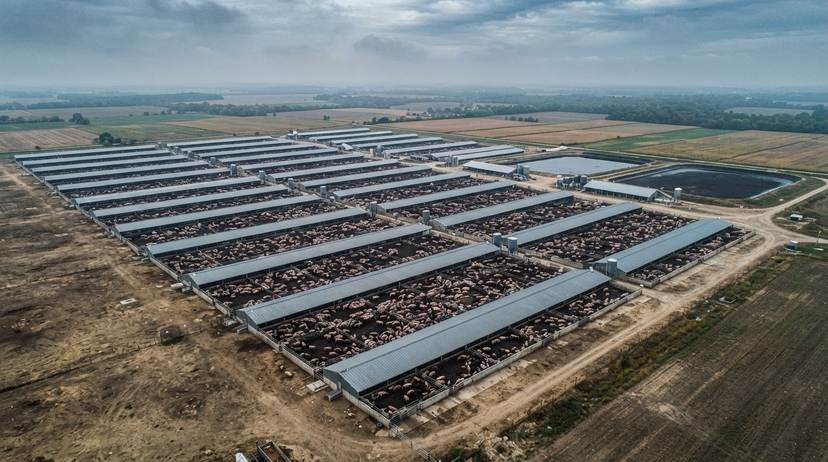
家畜農業における密飼いや不衛生な環境が、鳥インフルエンザ、豚インフルエンザ、MRSAなどの人獣共通感染症の発生と拡散をいかに加速させ、新たなパンデミックのリスクを高めているかを深く掘り下げます。
4 分で読了
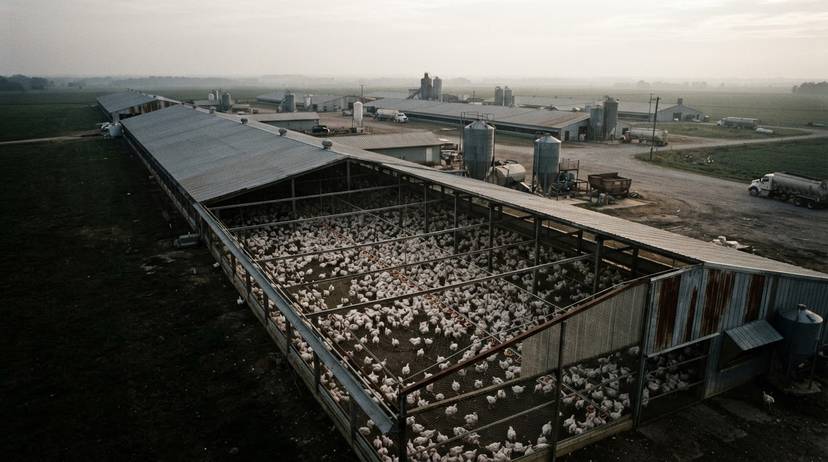
家畜農業がどのようにして、鳥インフルエンザ、豚インフルエンザ、薬剤耐性菌といった危険な病原体を育み、次なるパンデミックを引き起こすのかを詳述します。
4 分で読了
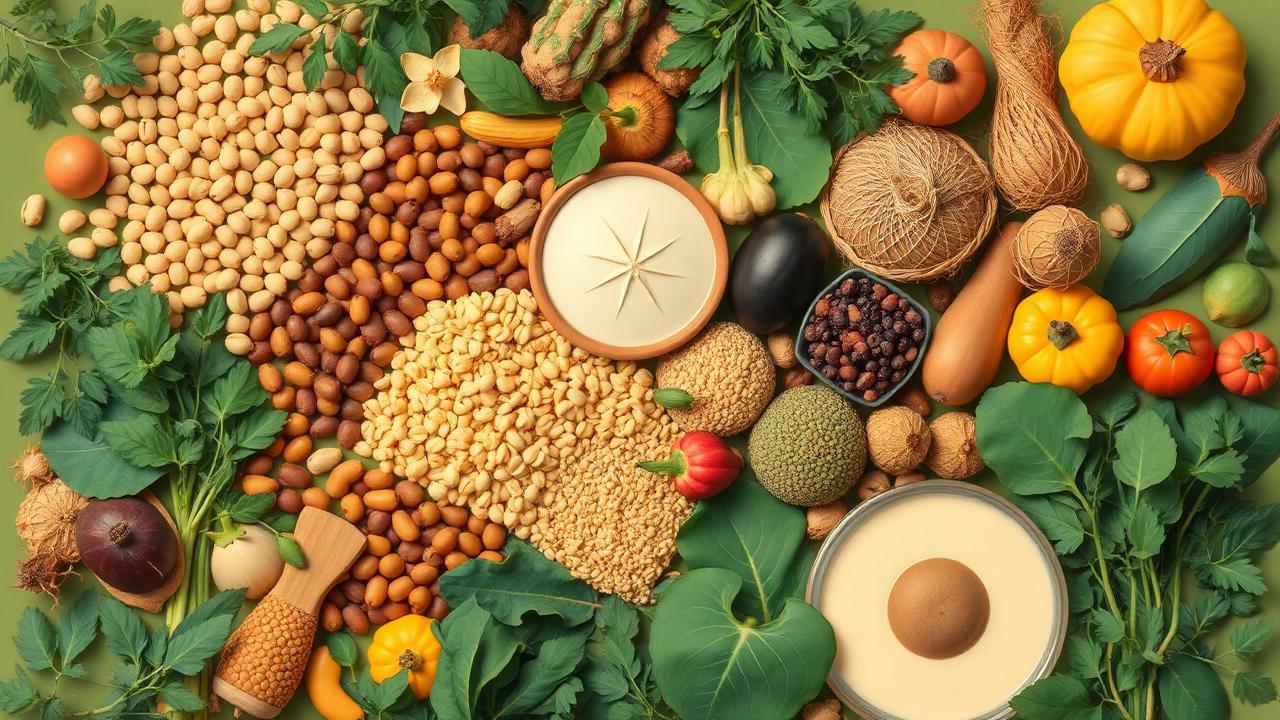
この比較では、同じ基準で二つの選択肢を評価し、暗黙のうちにではなく、明確にトレードオフが見えるようにしています。私たちは万能な勝者を決めるわけではありません。より良い選択は、何を優先するか——排出量、動物福祉、栄養、コスト、入手しやすさ、時間——によって異なり、その優先順位は読者によって正当に異なります。
以下の内容はすべて、今号の私たち自身の取材に基づいています。証拠が本当に議論の余地がある場合、比較は人工的に解決するのではなく、その旨を明記し、リンク先の記事で各主張の背後にあるデータセットを示しています。
両者を同一の基準で測定し、可能な限り同じ研究またはデータセットの数値を使用します——異なるシステム境界を持つ情報源を混在させることは、比較が誤解を招く最も一般的な原因です。排出量は、ランキングが変わる場合はキログラムあたりではなく、有用単位あたりで示し、福祉は実際に施行されている認証制度に基づいて評価し、栄養は現実的な摂取量で比較します。
地域の状況がいくつかの基準を決定します。水のフットプリントは、作物が何であるかだけでなく、どこで育つかによって異なります。入手可能性、価格、表示規則は国によって異なります。個人の栄養ニーズは、年齢、妊娠、薬剤、病歴によって異なります。この比較を考えるための構造化された方法として捉え、あなたの地域に固有の基準を確認してください。
実際に重要ないくつかの基準を選び、残りは無視してください——すべてを同時に最適化する比較は、何も最適化しないことと同じです。優先事項で二つの選択肢が接近している場合、通常は現実的に続けられる方を選ぶのが決め手となります。なぜなら、持続的な変化は、放棄される理論的に最適な変化よりも優れているからです。
| 基準 | 注目する点 | 変動する理由 |
|---|---|---|
| 気候 | 有用単位あたりの排出量 | システム境界と地理 |
| 土地と水 | 出力単位あたりの使用量 | 地域の降雨量と土地の質 |
| 動物 | ラベルではなく福祉の結果 | 施行されている認証制度 |
| 栄養 | 現実的な摂取量 | 個人のニーズと摂取量 |
| 実用性 | コスト、入手可能性、手間 | 国と世帯 |