How to Apply for Animal Welfare Grants in Japan: A 2026 Guide for Activists
Learn the step-by-step process to secure Japanese animal welfare grants for your sanctuary or advocacy group, with practical tips and local resources.

要点: To apply for animal welfare grants in Japan in 2026, start by identifying your project's scope, then research local and national funding sources like the Japan Animal Welfare Society (JAWS) and the Ministry of the Environment's grant programs. Prepare a detailed proposal with clear goals, a budget, and evidence of your impact. Submit before deadlines, typically in spring and autumn, and follow up with reports if awarded.
Animal welfare grants in Japan are essential for sanctuaries, rescue groups, and advocacy organizations. With the growing awareness of animal rights—spurred by campaigns like the 2025 Tokyo VegFest and increased media coverage of factory farming—funding opportunities are expanding. This guide walks you through the application process, from finding grants to writing a winning proposal, tailored to the Japanese context.
What Are the Main Animal Welfare Grant Sources in Japan?
In Japan, animal welfare grants come from government programs, private foundations, and international NGOs. The Ministry of the Environment offers subsidies for animal protection activities, while the Japan Animal Welfare Society (JAWS) provides smaller grants for local initiatives. Private foundations like the Nippon Foundation and the Asahi Glass Foundation also fund animal-related projects. Additionally, international bodies like the International Fund for Animal Welfare (IFAW) sometimes support Japanese NGOs.
For example, in 2025, the Tokyo Metropolitan Government launched a new grant program for community-based animal welfare projects, with an average award of ¥500,000. Meanwhile, the national government's 'Animal Welfare and Management' budget for 2026 includes ¥3.2 billion for various animal protection measures, a 15% increase from 2024 (Ministry of the Environment, 2025).
Understanding the Application Cycles
Most Japanese grants have fixed application cycles. The Ministry of the Environment typically opens its 'Animal Protection Activities Support Program' in April and October, with deadlines in June and December. Private foundations often have rolling deadlines but prefer to review in batches. For instance, the Japan Animal Welfare Society (JAWS) accepts applications twice a year, in March and September.
Timing is critical. If you miss a deadline, you may wait up to six months for the next cycle. Therefore, start preparing at least two months in advance. For example, if the June deadline approaches, begin your proposal in April, gather required documents, and submit early to avoid last-minute issues.
How to Assess Your Organization's Eligibility for Animal Welfare Grants
Before applying, ensure your organization meets the eligibility criteria. Most Japanese grants require applicants to be registered as a nonprofit corporation (NPO) or a public interest incorporated foundation. Some grants are open to informal groups, but they may need a fiscal sponsor. Check the specific requirements of each grant, as they vary. For instance, the Tokyo government grant requires NPO status, while JAWS accepts unregistered groups with a bank account.
Your project must align with the grant's focus areas, such as stray animal reduction, shelter improvements, or educational campaigns. For example, a sanctuary in Hokkaido might apply for a grant to build winter shelters, while a Tokyo-based group might seek funds for a spay/neuter clinic. Review past funded projects to understand what reviewers value.
| Grant Source | Eligible Entities | Focus Areas | Average Award |
|---|---|---|---|
| Ministry of Environment | NPOs, Municipalities | Shelter support, TNR, Education | ¥1,000,000 |
| Japan Animal Welfare Society | NPOs, Informal groups | Sanctuary care, Rescue operations | ¥300,000 |
| Tokyo Metropolitan Gov. | NPOs in Tokyo | Community projects, Adoption events | ¥500,000 |
| Nippon Foundation | NPOs, Universities | Innovative welfare solutions | ¥2,000,000 |
| Asahi Glass Foundation | NPOs, Research institutions | Research, Advocacy | ¥1,500,000 |
What Documents Do You Need to Prepare for a Grant Application?
Typical documents include your organization's registration certificate, financial statements, a detailed project proposal, a budget plan, and a timeline. For government grants, you may also need to submit a 'Declaration of Compliance' with animal welfare laws. Prepare these in advance, as some documents require official translations or notarization, which can take weeks.
For example, a sanctuary in Osaka applying for a MOE grant needed to provide proof of its NPO status, a bank statement, and a letter of recommendation from a local veterinarian. They also had to submit a detailed plan of how they would use funds for new enclosures, including cost estimates from contractors.
Essential Documents Checklist
- Copy of NPO registration certificate (or fiscal sponsor agreement)
- Last two years of financial statements (balance sheet, income statement)
- Detailed project proposal (objectives, activities, expected outcomes)
- Itemized budget with quotes from suppliers
- Project timeline (Gantt chart or similar)
- Board of directors list (if applicable)
- Any relevant permits or licenses (e.g., animal handling permits)
How to Write a Compelling Grant Proposal for Animal Welfare Projects
A strong proposal clearly states the problem, your solution, and why your organization is best suited to implement it. Use data to back your claims. For instance, if you're addressing stray cat overpopulation, cite the estimated number of stray cats in your city (e.g., 65,000 in Tokyo, according to the Tokyo Metropolitan Government, 2025). Explain your methods, such as Trap-Neuter-Return (TNR), and how many cats you aim to sterilize.
Include a realistic budget. Reviewers are wary of inflated costs. For example, a shelter might budget ¥200,000 for veterinary supplies, ¥150,000 for feed, and ¥100,000 for utilities. Show that you've researched prices. Also, describe your evaluation plan—how will you measure success? For a TNR project, you might track the number of cats sterilized and the reduction in new kittens over time.
“In our experience, the most successful proposals are those that demonstrate a deep understanding of the local animal welfare landscape and present a clear, measurable impact. Don't just ask for money; show us the change you'll create.”
What Are the Common Pitfalls in Japanese Grant Applications and How to Avoid Them?
Common mistakes include incomplete documents, vague objectives, and unrealistic budgets. Japanese grant reviewers appreciate precision and cultural nuance. For example, use polite and formal language, and ensure your proposal aligns with the funder's mission. Avoid overly ambitious plans that seem unachievable within the grant period.
Another pitfall is ignoring the requirement for co-funding or matching funds. Some grants require you to cover a percentage of the project cost. For instance, the Ministry of Environment's program expects applicants to contribute at least 20% of the budget. If you can't meet this, consider partnering with local businesses or crowdfunding.
Pre-Submission Checklist
- ✓All documents are translated into Japanese if required
- ✓Budget includes all necessary expenses and matches the grant's funding limits
- ✓You have secured any required matching funds
- ✓Deadline is confirmed and submission method noted (online or mail)
- ✓You have a clear plan for reporting back to the funder
Where to Find Ongoing Funding Opportunities and Build a Sustainable Funding Strategy
Beyond one-off grants, build a diversified funding strategy. Look into corporate sponsorships, membership programs, and online fundraising via platforms like Campfire or Readyfor. Japanese donors are increasingly supporting animal welfare, as seen by the success of the 'Save Tokyo Strays' campaign, which raised ¥2 million in 2025.
Subscribe to newsletters from JAWS and the Japan NPO Center to receive grant alerts. Also, network with other organizations. For example, the Animal Rights Center Japan hosts annual meetings where NGOs share funding tips. By building relationships, you may learn about unadvertised opportunities or collaborative grants.
Growth in Japanese Animal Welfare Grant Funding (2021-2026)
Frequently Asked Questions (FAQ) About Animal Welfare Grants in Japan
Can a small unregistered rescue group apply for animal welfare grants in Japan?
Yes, but with limitations. Some private foundations, like JAWS, accept applications from informal groups if they have a bank account and a responsible leader. However, government grants typically require NPO status. If you're unregistered, consider partnering with an NPO as a fiscal sponsor to access a wider range of funding.
How much funding can a typical sanctuary receive from a Japanese grant?
A typical sanctuary grant in Japan ranges from ¥300,000 to ¥2,000,000, depending on the source and project scope. For example, a small sanctuary might receive ¥500,000 from the Tokyo government for facility repairs, while a larger project could secure ¥2,000,000 from the Nippon Foundation for a new adoption center (Nippon Foundation, 2025).
Are there grants specifically for vegan advocacy or plant-based food initiatives in Japan?
Yes, some grants support animal-free lifestyle advocacy. For instance, the Vegan Society Japan offers small grants for educational events, and the Humane Society International/Japan has funded plant-based food demonstrations. However, these are less common than shelter-related grants. Check with organizations like ProVeg Japan for occasional funding opportunities.
What is the typical timeline from grant application to receiving funds?
Most grants take 2-4 months from submission to disbursement. For example, if you apply in June, you might hear back in August and receive funds by September. However, some government grants require a review process that includes site visits, which can extend the timeline. Plan your project start date accordingly.
Can I apply for multiple grants at the same time for the same project?
Yes, you can apply to multiple grants, but be transparent about other funding. Some grants require you to declare all other funding sources, and if you receive overlapping funds, you may need to adjust your budget. It's common to combine grants, but ensure you don't double-count expenses.
Key Takeaways for Your Grant Application Journey
Key Takeaways
- Research grant sources thoroughly and match your project to their priorities.
- Prepare all documents well in advance, including financials and a detailed budget.
- Write a compelling proposal with data and a measurable evaluation plan.
- Avoid common pitfalls like incomplete applications and unrealistic budgets.
- Diversify your funding with memberships, crowdfunding, and corporate sponsorships.
関連トピック
関連記事

究極のチンチラファー代替ガイド:残酷な毛皮を選ばずに暖かさを手に入れる方法
チンチラファーの残酷な実態と、動物を傷つけずに同じ暖かさと高級感を実現する植物性・リサイクル素材への完全スワップガイド。
4 分で読了
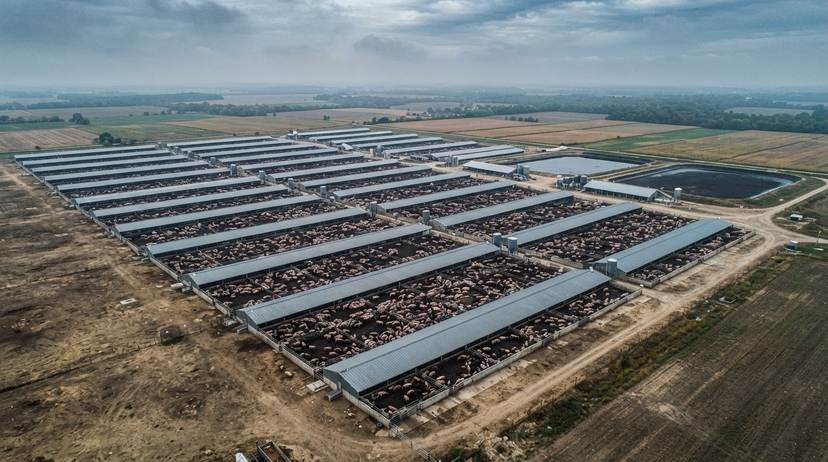
家畜農業が人獣共通感染症の次のパンデミックをどう引き起こすのか:公衆衛生の警鐘
家畜農業における密飼いや不衛生な環境が、鳥インフルエンザ、豚インフルエンザ、MRSAなどの人獣共通感染症の発生と拡散をいかに加速させ、新たなパンデミックのリスクを高めているかを深く掘り下げます。
4 分で読了
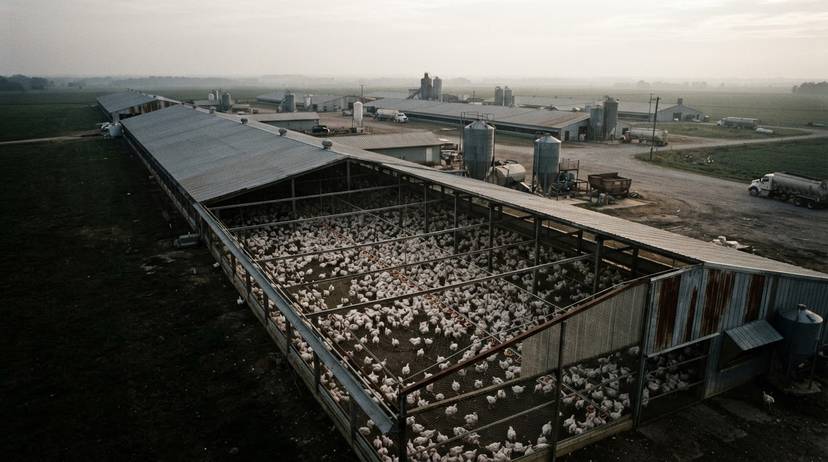
家畜農業: 次なるパンデミックを引き起こす病原体の温床
家畜農業がどのようにして、鳥インフルエンザ、豚インフルエンザ、薬剤耐性菌といった危険な病原体を育み、次なるパンデミックを引き起こすのかを詳述します。
4 分で読了