
タイヤ摩耗マイクロプラスチックを減らす方法:日本で実践する7つの具体策
タイヤ摩耗によるマイクロプラスチック汚染を抑えるための実践ガイド。日本で今日から始められる運転習慣、タイヤ選び、政策活用の7ステップを解説します。
4 分で読了
Food & Nutrition
Cultivated meat grows animal cells without the animal; plant-based meat rebuilds the eating experience from crops. One is on supermarket shelves today; the other is in a handful of regulatory approvals and pilot plants. The comparison is really about timelines and cost curves.
| 基準 | Cultivated meat | Plant-based meat |
|---|---|---|
| Availability | Approved in a small number of jurisdictions; production volumes remain tiny. | Available in most supermarkets worldwide. |
| Cost | Still far above commodity meat; bioreactor capacity and growth media are the bottlenecks. | Approaching price parity with meat in several categories. |
| Animal inputs | Requires an initial cell line; foetal bovine serum is being phased out for animal-free media. | None. |
| Climate potential | Depends heavily on the electricity powering the bioreactors. | Already low-emission with today's grids. |
| Consumer acceptance | Novel and politically contested; several jurisdictions have moved to ban sales. | Familiar format, familiar aisle. |
タイヤ摩耗によるマイクロプラスチック汚染を抑えるための実践ガイド。日本で今日から始められる運転習慣、タイヤ選び、政策活用の7ステップを解説します。
4 分で読了
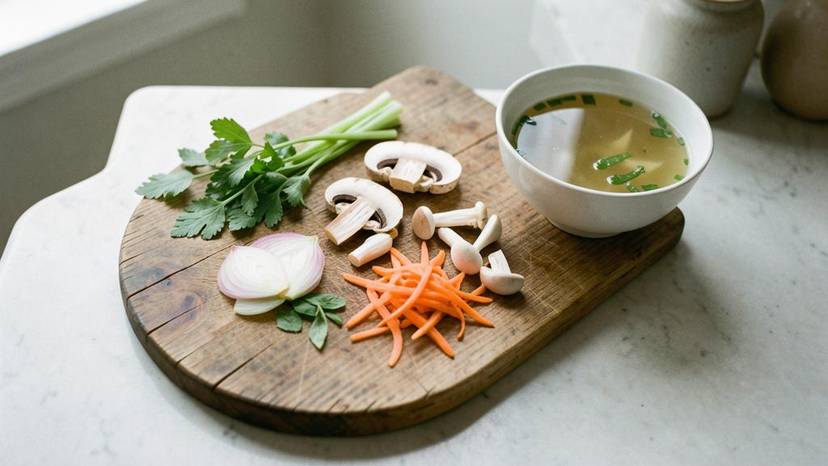
野菜くずで作る簡単20分ヴィーガンダシで、食品ロスを減らしつつ、うま味たっぷりの植物性スープを楽しむ方法を、農林水産省のデータとともに徹底解説します。
4 分で読了

チンチラファーの残酷な実態と、動物を傷つけずに同じ暖かさと高級感を実現する植物性・リサイクル素材への完全スワップガイド。
4 分で読了

Learn the step-by-step process to secure Japanese animal welfare grants for your sanctuary or advocacy group, with practical tips and local resources.
7 分で読了
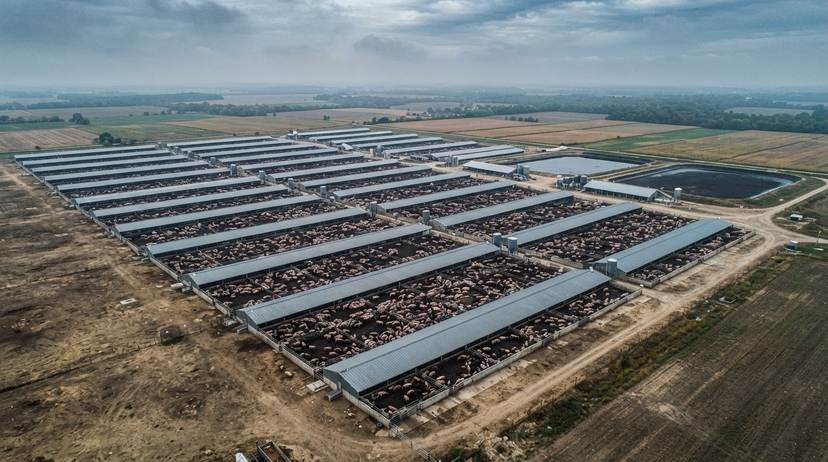
家畜農業における密飼いや不衛生な環境が、鳥インフルエンザ、豚インフルエンザ、MRSAなどの人獣共通感染症の発生と拡散をいかに加速させ、新たなパンデミックのリスクを高めているかを深く掘り下げます。
4 分で読了
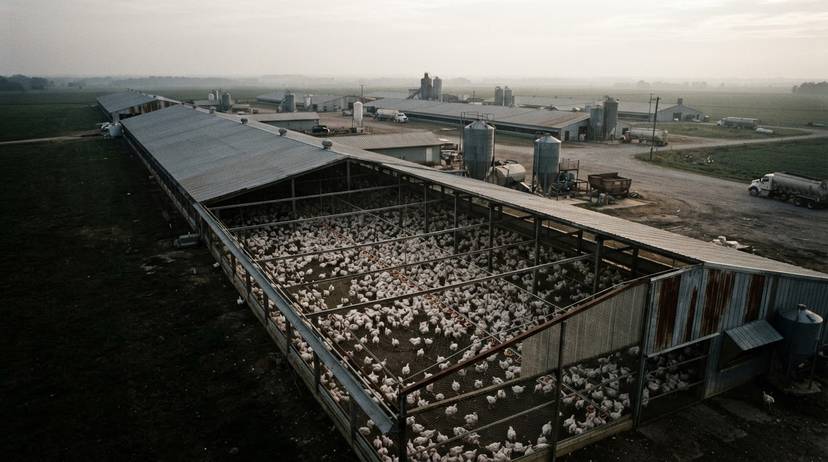
家畜農業がどのようにして、鳥インフルエンザ、豚インフルエンザ、薬剤耐性菌といった危険な病原体を育み、次なるパンデミックを引き起こすのかを詳述します。
4 分で読了
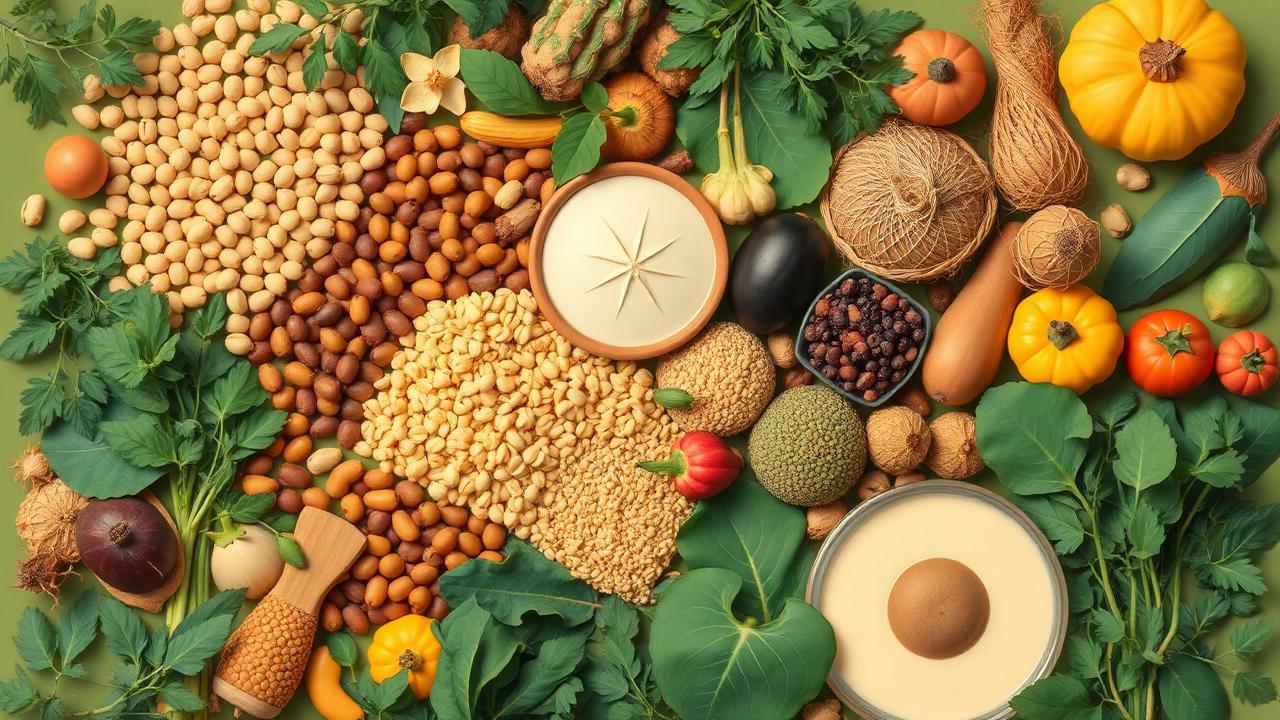
この比較では、同じ基準で二つの選択肢を評価し、暗黙のうちにではなく、明確にトレードオフが見えるようにしています。私たちは万能な勝者を決めるわけではありません。より良い選択は、何を優先するか——排出量、動物福祉、栄養、コスト、入手しやすさ、時間——によって異なり、その優先順位は読者によって正当に異なります。
以下の内容はすべて、今号の私たち自身の取材に基づいています。証拠が本当に議論の余地がある場合、比較は人工的に解決するのではなく、その旨を明記し、リンク先の記事で各主張の背後にあるデータセットを示しています。
両者を同一の基準で測定し、可能な限り同じ研究またはデータセットの数値を使用します——異なるシステム境界を持つ情報源を混在させることは、比較が誤解を招く最も一般的な原因です。排出量は、ランキングが変わる場合はキログラムあたりではなく、有用単位あたりで示し、福祉は実際に施行されている認証制度に基づいて評価し、栄養は現実的な摂取量で比較します。
地域の状況がいくつかの基準を決定します。水のフットプリントは、作物が何であるかだけでなく、どこで育つかによって異なります。入手可能性、価格、表示規則は国によって異なります。個人の栄養ニーズは、年齢、妊娠、薬剤、病歴によって異なります。この比較を考えるための構造化された方法として捉え、あなたの地域に固有の基準を確認してください。
実際に重要ないくつかの基準を選び、残りは無視してください——すべてを同時に最適化する比較は、何も最適化しないことと同じです。優先事項で二つの選択肢が接近している場合、通常は現実的に続けられる方を選ぶのが決め手となります。なぜなら、持続的な変化は、放棄される理論的に最適な変化よりも優れているからです。
| 基準 | 注目する点 | 変動する理由 |
|---|---|---|
| 気候 | 有用単位あたりの排出量 | システム境界と地理 |
| 土地と水 | 出力単位あたりの使用量 | 地域の降雨量と土地の質 |
| 動物 | ラベルではなく福祉の結果 | 施行されている認証制度 |
| 栄養 | 現実的な摂取量 | 個人のニーズと摂取量 |
| 実用性 | コスト、入手可能性、手間 | 国と世帯 |