How to Start Zero-Waste Living in Gujarat in 30 Days on a Budget
A practical, step-by-step guide to reducing household waste in Gujarat — from plastic-free shopping to home composting — that also cuts costs and helps animals.
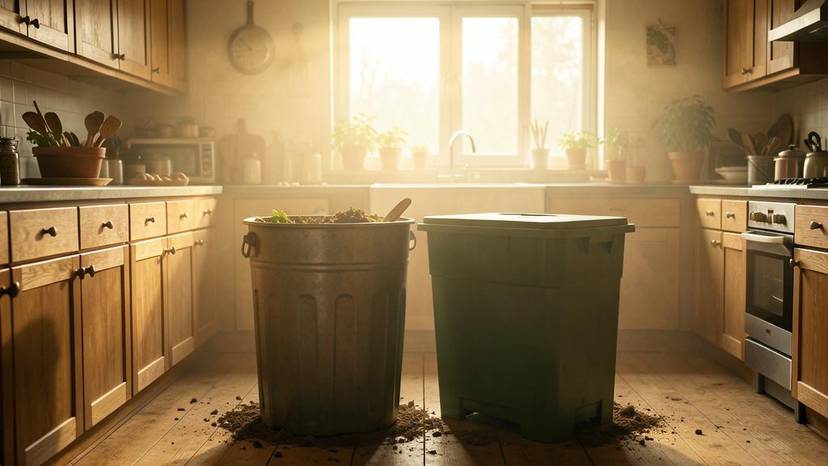
**Short answer:** Starting zero-waste living in Gujarat on a budget is possible by focusing on five key shifts: refusing single-use plastics, buying bulk with reusable containers, composting organic waste at home, repairing instead of replacing, and supporting local circular initiatives. With a 30-day plan, you can cut your household waste by up to 80% while saving money and reducing harm to animals and ecosystems.
Zero-waste living is not about perfection; it's about making conscious choices that reduce the flow of trash to landfills and oceans. In Gujarat, where the state generates over 14,000 tonnes of solid waste daily (CPCB, 2022), individual action matters. This guide provides a step-by-step roadmap tailored to local markets, regulations, and cultural practices, ensuring you can start today without breaking the bank.
Why Zero-Waste Living in Gujarat Matters for Animals and the Planet
Every piece of plastic that enters the environment can harm wildlife. Marine animals like turtles, dolphins, and seabirds mistake plastic for food, leading to starvation and death. On land, cattle and stray animals often ingest plastic waste scattered across streets and dumpsites, causing painful blockages and fatalities. By reducing waste, you directly reduce these risks.
Moreover, the production and disposal of goods contribute to climate change and habitat destruction. For instance, plastic manufacturing emits greenhouse gases and pollutes air and water. Choosing reusable, durable items over disposables cuts demand for new materials, preserving natural habitats that animals depend on. In Gujarat, with its long coastline and rich biodiversity, every kilogram of waste diverted from nature helps.
Step 1: Conduct a Waste Audit to Know Your Starting Point
Before making changes, spend one week collecting and categorising your household waste. Separate items into recyclables, organic, plastics, paper, glass, and other. Weigh each category daily. This audit reveals your biggest waste streams and helps you target them first. For example, if 60% of your waste is organic, composting becomes your priority.
Use a simple notebook or a spreadsheet to track daily weights. You'll be surprised at how much packaging you accumulate from groceries and online shopping. This data will guide your decisions and motivate you as you see improvements. In Ahmedabad, many residents find that food packaging and plastic bags dominate their waste, which aligns with the city's status as a major consumption hub.
What to Track in Your Waste Audit
- Weight of each waste category (organic, plastic, paper, glass, metal, other)
- Number of single-use plastic items (bags, bottles, wrappers)
- Sources of waste (kitchen, bathroom, packaging, etc.)
- Amount of food waste (both cooked and raw)
- Recyclable items that end up in the trash bin
Step 2: Refuse Single-Use Plastics in Your Daily Life
The most effective way to reduce waste is to refuse items you don't need. Carry a reusable cloth bag, water bottle, and steel cutlery set. In Gujarat, many local markets and street vendors are happy to serve customers who bring their own containers. The Gujarat government's plastic ban, enforced since 2018, already prohibits many single-use plastics, but enforcement varies. Your refusal sends a market signal.
Start by refusing plastic bags at vegetable markets and supermarkets. Instead, carry a lightweight tote or use your backpack. For loose items like grains and spices, carry cloth pouches or steel tiffins. In cities like Ahmedabad and Surat, numerous bulk stores allow you to fill your own containers. This small shift eliminates hundreds of plastic bags annually.
Step 3: Shop Package-Free at Local Markets and Bulk Stores
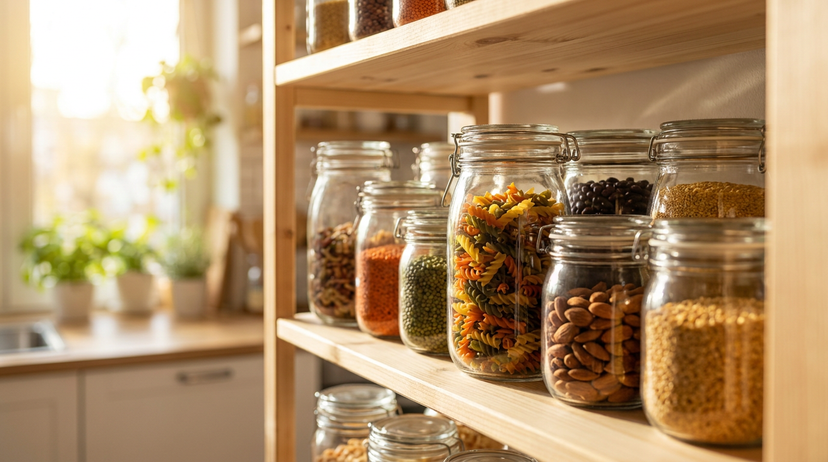
Gujarat's vibrant markets are perfect for package-free shopping. Visit your nearest vegetable market with your own bags and containers. Many vendors will weigh produce directly into your bags. For grains, pulses, spices, and even snacks, look for bulk stores like 'EcoShop Ahmedabad' or 'The Green Pantry' that offer refill options. This not only reduces packaging but also saves money — bulk items often cost 10–20% less than pre-packaged equivalents.
When shopping, plan your meals to avoid overbuying, which reduces food waste. Buy only what you need for the week. For items like oil and ghee, bring your own steel bottle and ask the shopkeeper to fill it. Many local kirana stores are open to this practice if you explain your intent. Over time, you'll build a network of package-free sources.
Package-Free Shopping Checklist
- ✓Carry reusable cloth bags for produce and staples
- ✓Bring steel containers or glass jars for liquids and bulk items
- ✓Ask vendors to avoid plastic stickers and ties
- ✓Choose fruits and vegetables without plastic wrapping
- ✓Buy larger quantities of staples to reduce packaging frequency
- ✓Keep a list of package-free stores in your area
Step 4: Start a Home Composting System for Organic Waste
Around 50% of household waste is organic — food scraps, vegetable peels, and garden waste. Composting these at home turns them into nutrient-rich soil, diverting waste from landfills where they emit methane, a potent greenhouse gas. In Gujarat's warm climate, composting is fast and easy. You can use a simple bin, a pit in your garden, or a vermicomposting setup with earthworms.
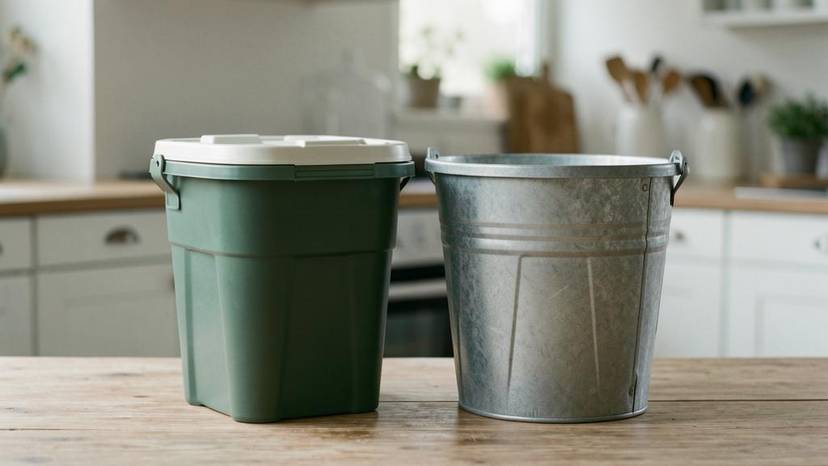
For apartments, a small odor-free compost bin with a tight lid works well. Add a mix of green (kitchen scraps) and brown (dry leaves, cardboard) materials. Keep it moist but not wet. In 4–6 weeks, you'll have compost for your plants. Ahmedabad-based organisation 'Composting India' offers workshops and low-cost starter kits (₹300–₹800).
| Method | Cost (₹) | Time to Compost | Space Needed |
|---|---|---|---|
| Open pit compost | 0–₹200 | 8–12 weeks | Garden or backyard |
| Tumbler bin | ₹1,500–₹3,000 | 4–6 weeks | Small balcony |
| Vermicomposting | ₹500–₹1,000 | 6–8 weeks | Indoor or balcony |
| Bokashi bucket | ₹1,000–₹2,000 | 2–4 weeks | Under kitchen sink |
Step 5: Adopt a Repair-Over-Replace Mindset
In our throwaway culture, repairing broken items is a radical act. It saves money, conserves resources, and reduces waste. Before discarding anything — clothes, electronics, furniture — consider if it can be fixed. In Gujarat, local tailors, cobblers, and electricians offer affordable repair services. For instance, getting a pair of shoes resoled costs ₹200–₹500, compared to ₹1,000+ for new ones.
For electronics, check if the warranty covers repairs or seek a trusted local technician. Many mobile phones and appliances can be repaired for a fraction of the replacement cost. Additionally, learn basic sewing to mend torn clothes. This skill not only extends garment life but also reduces fashion waste, which often ends up in landfills or is burned, harming air quality and wildlife.
Step 6: Embrace Circular Alternatives for Textiles and Fashion
Fast fashion is a major waste contributor. In Gujarat, a hub for textile manufacturing, the industry produces vast amounts of fabric waste. To reduce your impact, buy second-hand clothes from local thrift stores or online platforms like 'Poshmark India' and 'InstaThrift'. Swap clothes with friends or organise a community clothing exchange. This keeps garments in use longer and reduces demand for new production.
When you do buy new, choose natural, durable fabrics like organic cotton or hemp, and support local artisans who use traditional techniques. The handloom sector in Gujarat offers beautiful, long-lasting textiles that support rural livelihoods and have a lower environmental footprint. By prioritising quality over quantity, you reduce waste and honour animal-free production.
Waste Reduction Potential by Step (Estimated % Reduction)
Step 7: Support Municipal Waste Policies and Community Initiatives
Individual actions are vital, but systemic change requires policy support. Gujarat's Plastic Waste Management Rules (2016, amended 2021) mandate segregation of waste and ban certain single-use plastics. However, implementation is uneven. You can advocate for better enforcement by joining local groups like 'Clean Ahmedabad' or 'Surat Plastic-Free' that push for improved waste collection and recycling infrastructure.
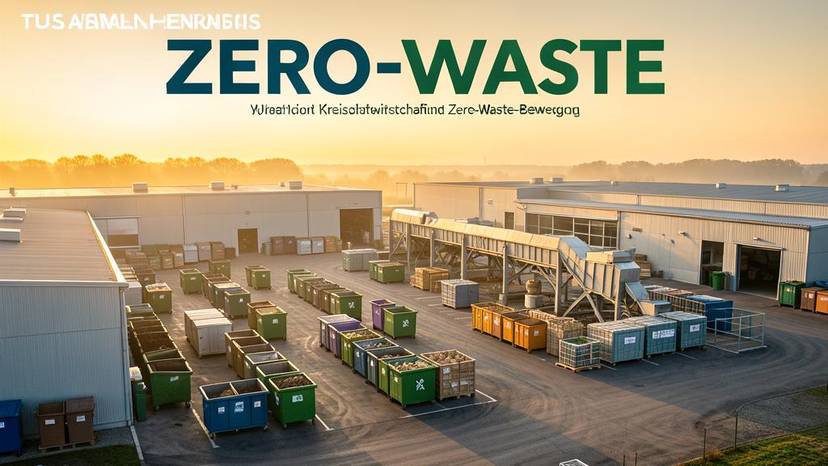
Participate in community clean-up drives, especially along the Sabarmati river and coastal areas like Mandvi, where plastic pollution threatens marine life. Engage with your local municipal corporation to request doorstep composting services or bulk waste collection points. By being an active citizen, you help create an environment where zero-waste living is easier for everyone.
“Every item we refuse, repair, or compost is a direct vote for a cleaner environment and a kinder world for animals. In Gujarat, where waste mismanagement affects both human and non-human communities, individual action can spark collective change.”
Frequently Asked Questions (FAQ)
Is zero-waste living in Gujarat really possible on a budget?
Yes, zero-waste living is not only possible but also cost-effective. By buying in bulk, repairing items, and using reusable alternatives, you save money in the long run. For example, a reusable steel water bottle costs ₹300 but replaces hundreds of plastic bottles at ₹20 each annually. Initial investments in reusables pay off within months.
How much waste can I realistically reduce in 30 days?
Most households can reduce waste by 50–80% within 30 days by focusing on the steps outlined. The biggest wins come from composting organic waste (which is often half the waste) and refusing single-use plastics. Your waste audit will help you track progress and adjust your actions.
What do I do with items I can't reuse or compost?
For materials like glass, metal, and certain plastics, look for local recycling centres. In Ahmedabad, 'Recycle India' and 'Kabadiwala Connect' offer doorstep pickup for recyclables. For hazardous waste like batteries, use designated collection points at electronics stores. If unsure, contact your local municipal corporation for guidance.
Are there zero-waste stores in Gujarat?
Yes, several stores across Gujarat offer package-free products. 'EcoShop' in Ahmedabad, 'Green Pantry' in Vadodara, and 'The Zero Waste Store' in Surat are popular options. They sell bulk grains, spices, and household products that you can buy with your own containers. Many also offer online ordering with refillable delivery options.
How does zero-waste living help animals in Gujarat?
Reducing waste prevents plastic and other pollutants from entering ecosystems where animals live. Stray animals like cows and dogs often ingest plastic scraps from open dump sites, leading to illness and death. By composting and proper disposal, you reduce the availability of these harmful materials. Additionally, supporting circular fashion reduces the demand for leather and wool, sparing animals from exploitation.
Key Takeaways
- Conduct a weekly waste audit to track progress
- Refuse single-use plastics and carry a zero-waste kit
- Shop with reusable containers at bulk stores
- Compost organic waste using a method suited to your space
- Repair items and choose second-hand clothing
- Advocate for better waste policies in your city
સંબંધિત વિષયો