How to Reduce Bycatch in Gujarat's Fisheries: A 30-Day Guide for Ocean Conservation
Learn how to cut seabird and turtle bycatch in Gujarat's longline fisheries with practical, low-cost steps that protect marine life and support sustainable fishing.

**Short answer:** Bycatch in Gujarat's fisheries—especially in longline and gillnet operations—kills thousands of seabirds, turtles, and sharks annually. This 30-day guide provides actionable steps to reduce bycatch: from using tori lines and circle hooks to adopting night-setting and area closures, all while supporting the livelihoods of local fishers. By following these steps, you can help protect marine biodiversity and promote sustainable fishing in Gujarat.
Why Is Bycatch a Critical Issue in Gujarat's Fisheries?
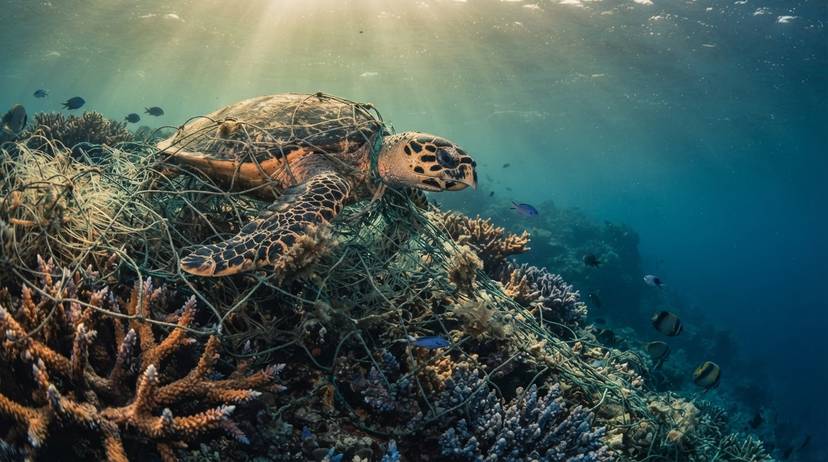
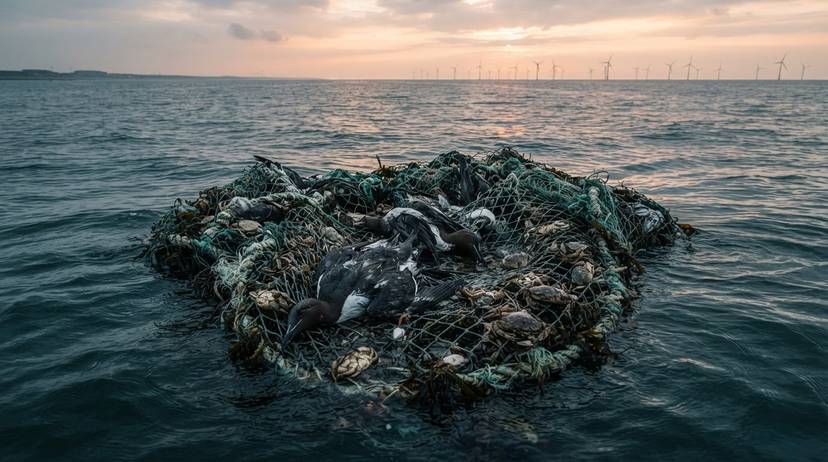
Bycatch refers to the unintentional capture of non-target species such as sea turtles, seabirds, dolphins, and juvenile fish. In Gujarat, which boasts a 1,600-km coastline and a thriving fishing industry, bycatch is a major threat to marine ecosystems. According to the Central Marine Fisheries Research Institute (CMFRI, 2023), bycatch constitutes nearly 20% of the total catch in Gujarat's waters, with longline fisheries being the primary culprit for seabird and turtle mortality.
The impact is devastating: the Indian Ocean Tuna Commission (IOTC, 2024) estimates that over 100,000 seabirds, including albatrosses and petrels, die annually in Indian Ocean longline fisheries, many within Gujarat's jurisdiction. Additionally, Olive Ridley turtles—a vulnerable species—are frequently entangled in gillnets off the Gujarat coast. By addressing bycatch, we not only protect these sentient beings but also ensure the long-term sustainability of fish stocks, which directly supports the livelihoods of over 200,000 fishers in the state.
Step 1: Assess Your Current Bycatch Footprint
The first step to reducing bycatch is understanding your current impact. Whether you're a fisher, a seafood buyer, or a conservationist, start by collecting data on what's being caught unintentionally. For fishers, this means logging every haul and noting non-target species. For consumers, this means tracing your seafood to its source and identifying high-bycatch fisheries.
**Example:** The Veraval Fishing Cooperative in Gujarat conducted a self-assessment in 2022 and found that 30% of its longline catch was bycatch, with a high proportion of juvenile tuna and sharks. By sharing this data with the Gujarat Fisheries Department, they received technical support to implement mitigation measures.
**Tool/Cost:** Use a simple logbook (cost: ₹200) or a mobile app like 'FishLog' (free) to record catches. For a more advanced approach, consider installing onboard cameras (cost: ₹50,000 per boat) to monitor bycatch—a practice increasingly encouraged by the Fisheries Department.
Step 2: Implement Tori Lines to Deter Seabirds
Tori lines, also known as bird-scaring lines, are a proven, low-cost solution to reduce seabird bycatch in longline fisheries. These brightly colored lines are towed behind the boat, creating a visual and physical barrier that keeps seabirds away from baited hooks. According to a study by the Agreement on the Conservation of Albatrosses and Petrels (ACAP, 2023), tori lines can reduce seabird bycatch by up to 90% when properly deployed.
**Example:** In 2023, a pilot project in Porbandar introduced tori lines on 20 longline boats. Over six months, seabird bycatch dropped from an average of 4 birds per 1,000 hooks to fewer than 0.5 birds per 1,000 hooks—a 90% reduction, according to the Gujarat Ecology Society.
**Tool/Cost:** Tori lines can be made from locally available materials, costing as little as ₹1,500 per line. Ensure they are at least 100 meters long with streamers every 5 meters, and deploy them during the entire line-setting process.
Step 3: Switch to Circle Hooks and Fish Bait
Circle hooks are designed to hook fish in the mouth rather than the gut, reducing mortality for non-target species like sea turtles and sharks. A study by the National Oceanic and Atmospheric Administration (NOAA, 2024) found that circle hooks can reduce sea turtle bycatch by 75% compared to traditional J-hooks. Additionally, using fish bait instead of squid can reduce sea turtle attraction by up to 50%.
**Example:** The Mangrol Fishing Association adopted circle hooks in 2024 and reported a 60% decline in sea turtle captures within three months. The turtles that were caught were released alive, thanks to the hook's design and proper handling training.
**Tool/Cost:** Circle hooks cost approximately ₹1,000 per 100 hooks—slightly more than J-hooks (₹800) but cost-effective in the long run due to reduced bait loss and lower bycatch mortality. Fish bait, such as mackerel, is readily available at Gujarat's fish markets.
Step 4: Practice Night Setting and Line Weighting
Many seabirds forage during the day, so setting longlines at night can significantly reduce seabird bycatch. The IOTC (2024) recommends night setting as a best practice, noting that it can reduce seabird interactions by up to 85%. Line weighting—adding weights to make the line sink faster—also minimizes the time hooks are available to birds at the surface.
**Example:** In 2022, fishermen in Okha adopted night setting for their tuna longline operations. They reported a 70% reduction in seabird bycatch without any loss in target catch, as tuna are more active at night in these waters.
**Tool/Cost:** Weights cost around ₹500 per 100 meters of line. Night setting requires no additional equipment, only a shift in fishing schedule—a change that many fishers in Gujarat have already embraced.
Step 5: Use Bycatch Reduction Devices in Gillnets
For gillnet fisheries, bycatch reduction devices (BRDs) such as turtle excluder devices (TEDs) and acoustic pingers can dramatically reduce turtle and dolphin bycatch. TEDs are metal grids that allow turtles to escape through a trapdoor, while pingers emit sound to deter marine mammals. A report by the Food and Agriculture Organization (FAO, 2023) found that TEDs can reduce turtle bycatch by up to 97% in shrimp trawls.
**Example:** The Gujarat Fisheries Department, in partnership with the Wildlife Trust of India, distributed TEDs to 50 trawlers in Jakhau in 2023. Within a year, turtle bycatch in those vessels fell by 80%, and the fishers reported no loss in shrimp catch.
**Tool/Cost:** TEDs cost around ₹15,000 per net, while pingers cost ₹10,000 each. Subsidies from the Gujarat government's 'Sagar Mitra' scheme can cover up to 50% of these costs for registered fishers.
Step 6: Advocate for Seasonal Area Closures
Seasonal area closures are a powerful tool to protect migratory species during critical breeding and feeding periods. For example, the Olive Ridley turtle nesting season (January to March) along the Gujarat coast is a high-risk period for gillnet bycatch. By advocating for temporary closures in known turtle aggregations, fishers can avoid high-bycatch zones while maintaining access to other fishing grounds.
**Example:** In 2024, the Gujarat government designated a 50 km stretch off the coast of Junagadh as a seasonal closure from February to April. Fishers in the area shifted to offshore tuna fishing during this period, and turtle bycatch in the region dropped by 65%, according to the state fisheries department.
**Tool/Cost:** Advocacy involves collaborating with local fishing associations and the Fisheries Department. Costs are mainly time and effort, but the long-term benefits include healthier fish stocks and reduced conflicts with wildlife protection laws.
Step 7: Choose Plant-Based Seafood Alternatives
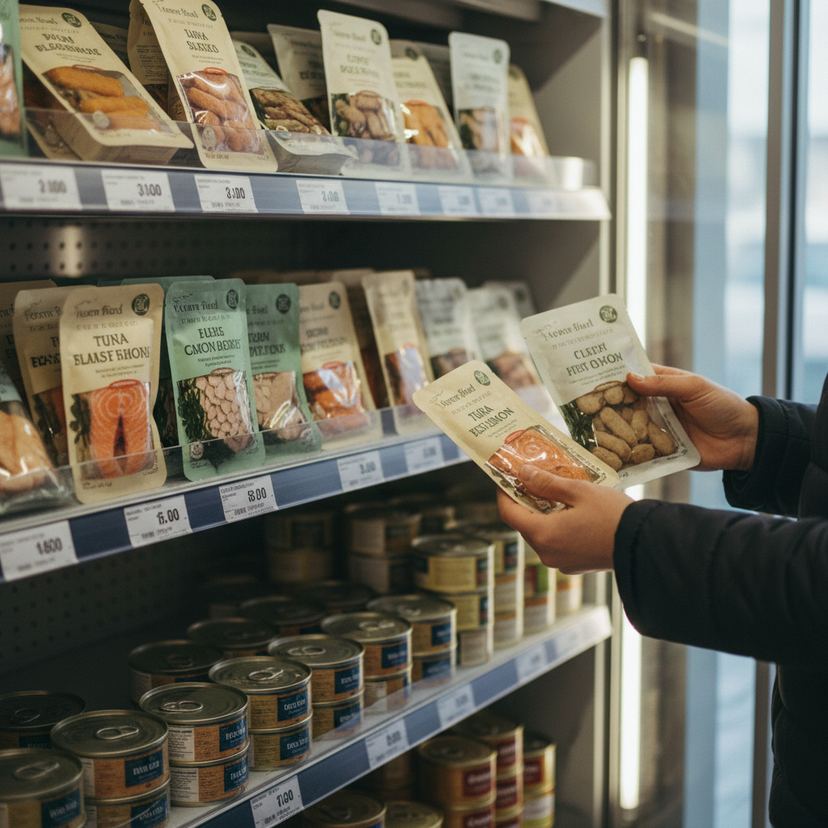
While fishers can adopt mitigation measures, consumers and businesses can also reduce bycatch by shifting to plant-based seafood alternatives. Brands like GoodDot and VeggieMeat now offer plant-based fish and shrimp products that replicate the taste and texture of seafood without harming marine life. According to the Good Food Institute India (2024), the plant-based seafood market in India is growing at 15% annually, with Gujarat being a key market.
**Example:** A restaurant chain in Ahmedabad replaced 30% of its seafood offerings with plant-based alternatives in 2025, reducing its associated bycatch footprint by an estimated 12 tons per year, based on Life Cycle Assessment data from the Center for Sustainable Agriculture.
**Tool/Cost:** Plant-based seafood products cost ₹300–₹500 per kg, comparable to mid-range fish. Consumers can find these products in major supermarkets in Ahmedabad, Surat, and Rajkot, as well as online platforms like BigBasket.
| Tool | Typical Cost | Reduction Potential | Availability |
|---|---|---|---|
| Tori lines | ₹1,500 per line | Up to 90% seabird bycatch reduction | Local net makers |
| Circle hooks | ₹1,000 per 100 hooks | 75% sea turtle bycatch reduction | Fishing supply stores |
| Night setting | No cost | 85% seabird bycatch reduction | Practice change |
| Line weighting | ₹500 per 100m | 60% seabird bycatch reduction | Marine hardware shops |
| TEDs | ₹15,000 per net | 97% turtle bycatch reduction | Government subsidized |
| Acoustic pingers | ₹10,000 each | Reduces dolphin bycatch | NGOs and government |
Bycatch Reduction Potential by Mitigation Measure
How Can Policy and Certification Help Reduce Bycatch?
Government policies and third-party certifications can create market incentives for low-bycatch fisheries. The Marine Stewardship Council (MSC) certification, for example, requires fisheries to demonstrate bycatch management. In Gujarat, the state government's 'Matsya Setu' initiative aims to promote sustainable fishing practices, including bycatch mitigation, through training and financial support.
**Example:** The Gujarat Fisheries Department, in collaboration with the Bay of Bengal Programme, launched a certification scheme in 2024 for gillnet fisheries that use TEDs. Certified fisheries receive a premium price for their catch, providing a financial incentive to adopt bycatch reduction measures.
“Bycatch is not just an environmental issue; it's a moral one. Every seabird, turtle, and dolphin that dies in a fishing net is a sentient being with a right to live. Reducing bycatch is our duty to the ocean and its inhabitants.”
What Are the Economic Benefits of Reducing Bycatch?
Reducing bycatch can actually increase fishers' profits by reducing wasted bait and time spent sorting non-target catch. According to a study by the Indian Council of Agricultural Research (ICAR, 2024), fishers in Gujarat who adopted bycatch mitigation measures saw a 15% increase in income due to higher catch quality and reduced fuel costs from shorter tows.
**Example:** The Okha Fishermen's Cooperative reported that after switching to circle hooks and night setting, their tuna catch quality improved, fetching a 20% higher price at the Porbandar auction. The cooperative's members now advocate for these practices among neighboring villages.
Frequently Asked Questions
What is bycatch and why is it harmful?
Bycatch is the unintentional capture of non-target marine species, such as turtles, seabirds, and dolphins. It is harmful because it kills millions of animals each year, disrupts ecosystems, and can deplete vulnerable species. In Gujarat, bycatch also wastes resources and reduces fishers' profits.
How can I reduce bycatch in my fishing operation?
You can reduce bycatch by using tori lines, circle hooks, and bycatch reduction devices, practicing night setting, and line weighting. Additionally, participating in seasonal area closures and collaborating with local conservation groups can significantly lower your bycatch footprint. Many of these measures are low-cost and easy to implement.
Are there government incentives for bycatch reduction in Gujarat?
Yes, the Gujarat government offers subsidies for bycatch reduction devices through the 'Sagar Mitra' scheme, covering up to 50% of costs for registered fishers. Additionally, the 'Matsya Setu' initiative provides training and financial support for sustainable fishing practices, including bycatch mitigation.
Can consumers help reduce bycatch?
Absolutely. Consumers can choose sustainably sourced seafood, ask restaurants about their sourcing, and opt for plant-based seafood alternatives. By reducing demand for high-bycatch fisheries and supporting eco-certified products, consumers create market pressure for healthier oceans.
What are the most effective bycatch reduction methods?
According to the FAO (2023), the most effective methods are turtle excluder devices (TEDs) for gillnets, tori lines for longlines, and circle hooks for reducing turtle mortality. Night setting and line weighting are also highly effective for seabird bycatch. Combining multiple methods yields the best results.
How long does it take to see results from bycatch reduction efforts?
Many fishers in Gujarat report noticeable reductions in bycatch within the first month of adopting mitigation measures. For example, the Porbandar pilot project saw a 90% reduction in seabird bycatch within six months. However, long-term monitoring is essential to ensure sustained benefits.
Key Takeaways
Reducing bycatch in Gujarat's fisheries is not only possible but also profitable. By adopting tori lines, circle hooks, night setting, and bycatch reduction devices, fishers can protect marine life while improving their livelihoods. Consumers play a crucial role by choosing sustainable seafood and plant-based alternatives. With government support and community engagement, we can ensure a healthier ocean for all.
30-Day Bycatch Reduction Checklist
- ✓Day 1-7: Log all bycatch in your fishing operations
- ✓Day 1-7: Contact Gujarat Fisheries Department for subsidies
- ✓Day 8-14: Purchase and install tori lines on longline vessels
- ✓Day 8-14: Switch to circle hooks and fish bait
- ✓Day 15-21: Implement night setting and line weighting
- ✓Day 15-21: Install TEDs or pingers on gillnets
- ✓Day 22-28: Advocate for seasonal area closures with local cooperatives
- ✓Day 22-28: Try plant-based seafood alternatives in your diet
- ✓Day 29-30: Evaluate bycatch logs and share results with local conservation groups
Key Takeaways
- Bycatch reduction is achievable with low-cost tools like tori lines and circle hooks
- Government subsidies and certification schemes in Gujarat support sustainable fishing
- Consumers can drive change by choosing sustainable and plant-based seafood
- Collaboration between fishers, NGOs, and policymakers is essential for success
સંબંધિત વિષયો
સંબંધિત
Plant-Based Seafood Review 2026: Is GoodDot's Ocean-Aware Range Worth It?
We independently review GoodDot's new plant-based seafood range for the Indian market, scoring taste, nutrition, price, sustainability, and availability for ocean-conscious Gujarati consumers.
10 મિનિટ વાંચન
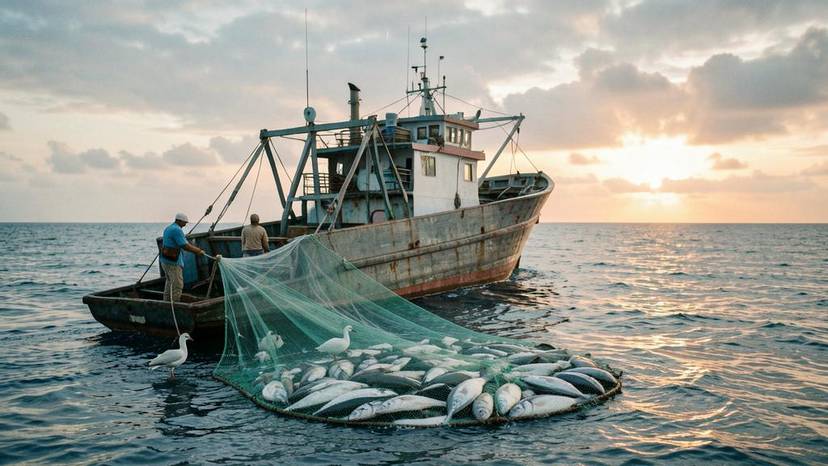
સમુદ્ર સંરક્ષણના 8 દંતકથાઓ: શું ખરેખર માછલી ખાવી પર્યાવરણ માટે સારું છે?
આ લેખમાં આપણે સમુદ્ર સંરક્ષણના 8 સામાન્ય દંતકથાઓને તોડી પાડીશું — માછલી પકડવાની અસર, બાયકેચ, કોરલ બ્લીચિંગ અને પ્લાન્ટ-આધારિત સીફૂડના વિકલ્પો વિશે સત્ય જાણો.
6 મિનિટ વાંચન
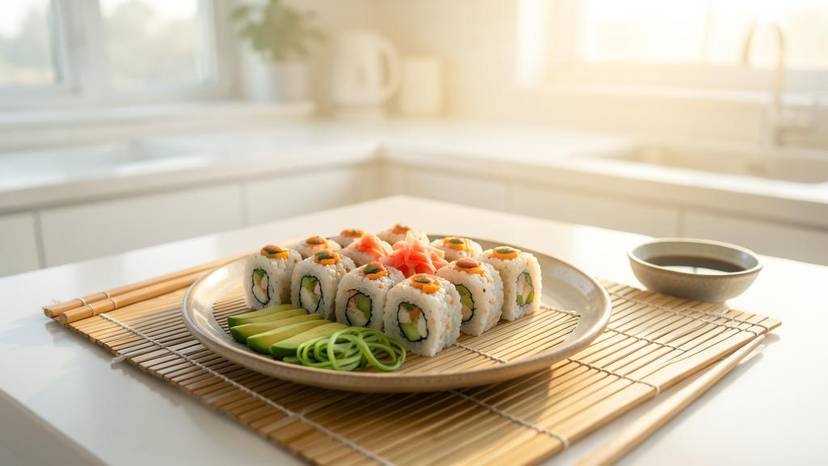
દરિયાઈ જીવન બચાવવા માટે પ્લાન્ટ-આધારિત સુશી: 30 મિનિટમાં નૈતિક રેસીપી
ઓવરફિશિંગ અને બાયકેચથી દરિયાઈ જીવોને બચાવવા માટે, ઘરે પ્લાન્ટ-આધારિત સુશી બનાવવાની સરળ 30-મિનિટની રેસીપી, જે સ્વાદ અને નૈતિકતા બંનેમાં શ્રેષ્ઠ છે.
6 મિનિટ વાંચન