How to Switch to a Plant-Based Diet in Gujarat in 30 Days Without Giving Up Flavor
A step-by-step Gujarat-specific guide to transitioning to a plant-based diet in 30 days, featuring local staples, nutrition tips, and ethical food choices that honor both health and animals.
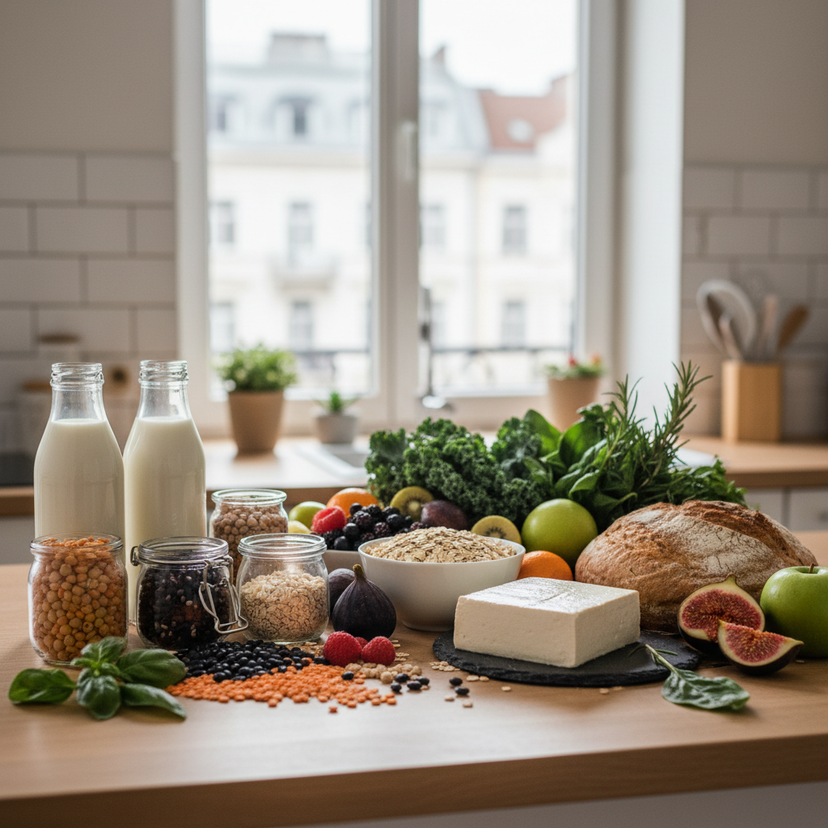
**Short answer:** Switching to a plant-based diet in Gujarat in 30 days is entirely feasible by leveraging local staples like millet, lentils, and seasonal vegetables, replacing dairy with homemade nut or soy milk, and following a structured weekly meal plan. This guide provides a day-by-day approach, nutrition tips, and local resources to help you transition smoothly while keeping the flavors of Gujarati cuisine intact.
A plant-based diet is an eating pattern that emphasizes foods derived from plants—fruits, vegetables, whole grains, legumes, nuts, and seeds—while minimizing or excluding animal products like meat, dairy, and eggs. In Gujarat, where vegetarianism is widespread, the leap to plant-based is often simpler than elsewhere, but dairy is deeply embedded in daily life, from chaas to paneer. This guide addresses that challenge head-on with practical, local solutions.
Step 1: Assess Your Current Diet and Set a Clear 30-Day Goal
Begin by tracking what you eat for a week. Note the frequency of dairy products like milk, ghee, and buttermilk, and identify emotional or habitual triggers—like tea with milk in the morning or ghee on rotli. Set a specific goal, such as 'I will be 100% plant-based by day 30' or 'I will reduce animal products by 80%'.
For example, if you typically have milk tea twice a day, plan to switch to herbal tea or black tea with lemon by week two. Use a simple notebook or a mobile app like 'Plant N' to track daily adherence. This baseline assessment helps you customise the transition to your routine.
Step 2: Stock Your Kitchen with Gujarat-Friendly Plant-Based Staples
A well-stocked pantry is your safety net. Visit local markets like the Maninagar vegetable market in Ahmedabad or rely on online platforms like BigBasket and JioMart for staples. Key items include millets (bajra, jowar), lentils (toor, moong, chana), spices, groundnuts, and seasonal vegetables like brinjal, okra, and leafy greens.
Invest in plant-based protein sources such as tofu (available at most supermarkets), soy chunks, and legumes. For dairy alternatives, choose fortified soy milk (e.g., So Good or local brands) or make your own almond or peanut milk at home. Stock nutritional yeast for a cheesy flavor, though it may be a specialty item—order from Amazon India.
30-Day Plant-Based Pantry Checklist
- ✓Whole grains: bajra, jowar, brown rice, whole wheat flour
- ✓Lentils and legumes: toor dal, moong dal, chana, rajma, soybeans
- ✓Nuts and seeds: groundnuts, sesame seeds, flaxseeds, almonds
- ✓Plant-based milk: soy, almond, or oat (or make your own)
- ✓Healthy oils: groundnut oil, olive oil
- ✓Spices: turmeric, cumin, coriander, red chili, garam masala
- ✓Fresh produce: seasonal vegetables, fruits, and leafy greens
- ✓Tofu and tempeh (if available) for protein variety
| Item | Quantity | Cost (₹) |
|---|---|---|
| Grains (bajra, jowar, rice) | 10 kg | 400-600 |
| Lentils & legumes | 5 kg | 500-800 |
| Vegetables & fruits | Weekly market | 1500-2000 |
| Plant-based milk (soy) | 15 packs | 1500-1800 |
| Nuts & seeds | 2 kg | 800-1000 |
| Spices & oils | Monthly | 500-700 |
Step 3: Learn to Make Vegan Versions of Gujarati Favorites
Gujarati cuisine is full of naturally vegan dishes—undhiyu, dal, bhakri, and most vegetable shaaks. The main challenge is replacing dairy in items like chaas, shrikhand, and milk-based sweets. Use coconut or soy yogurt for chaas, and make shrikhand with silken tofu blended with cardamom and saffron.
For example, a classic lunch of dal, bhakri, and bhindi shaak can be completely vegan. Instead of ghee on bhakri, use a little groundnut oil. For sweets like doodhpak, use coconut milk and jaggery. Experiment with recipes from blogs like Vegan Richa or Gujarati cookbooks adapted to plant-based.
“The key to a successful plant-based transition in Gujarat is not to replicate dairy exactly, but to celebrate the inherent vegan dishes that already form the backbone of our cuisine.”
Step 4: Plan a Week of Balanced Plant-Based Meals (with a Sample Menu)
Planning prevents last-minute reliance on dairy. Create a weekly menu that includes a variety of protein sources: legumes at lunch, tofu or soy at dinner, and nuts as snacks. Ensure each meal has a grain, a protein, and vegetables. For example, breakfast: moong dal chilla; lunch: rotli, dal, and palak shaak; dinner: tofu curry with brown rice.
Use a meal prep Sunday to cook batches of dal and rice, roast vegetables, and make chutneys. This saves time and reduces the temptation to order paneer dishes. Below is a sample day's menu to guide you.
Sample One-Day Plant-Based Gujarati Menu
- Breakfast: Savory millet porridge (bajra khichdi) with vegetables
- Mid-morning snack: Roasted chana and a handful of groundnuts
- Lunch: Rotli, toor dal, and bhindi shaak with a salad
- Evening snack: Masala chai (without milk) with a steamed dhokla
- Dinner: Tofu tikka masala with jeera rice and cucumber raita (using soy yogurt)
Projected increase in plant-based food consumption in urban Gujarat (%)
Step 5: Navigate Social and Family Situations with Confidence
Family pressure can derail your transition. Explain your reasons—health, environment, or animal welfare—and bring a vegan dish to share at gatherings. In Gujarat, festivals often have dairy-heavy sweets; prepare a vegan version, like besan ladoos made with coconut oil instead of ghee.
When eating out, choose restaurants that offer Jain or 'no onion-garlic' thalis, which are often vegan or easily adaptable. Call ahead to ask for oil instead of ghee. Many Ahmedabad restaurants like 'Greenhouse' or 'Vishalla' are accommodating. Carry a small jar of peanut butter or a snack in case of limited options.
Step 6: Monitor Your Nutrition – Protein, Iron, and B12
A common concern is protein deficiency, but Indian vegetarian diets often provide adequate protein through dal, legumes, and grains. To ensure sufficient intake, consume at least 1.6 grams of protein per kilogram of body weight daily (ICMR, 2024). For a 60 kg person, this means about 96 grams—achievable with 2 cups of dal, 1 cup of tofu, and a handful of nuts.
Iron is another key nutrient. Eat iron-rich foods like spinach and lentils combined with vitamin C sources like lemon or amla to enhance absorption. Vitamin B12 is the only nutrient not reliably available in plant foods; take a B12 supplement of 250 mcg daily or consume fortified foods like plant-based milk (FSSAI, 2025).
Step 7: Deal with Cravings and Common Challenges
Cravings for cheese or milk often arise from habit rather than nutritional need. Replace cheese with nutritional yeast or a cashew-based sauce. For milk tea, use strong brewed tea with soy milk and cardamom. If you miss the tang of chaas, blend diluted soy yogurt with roasted cumin and salt.
Social media can be a great support—join Facebook groups like 'Vegan Gujarat' or follow Instagram influencers like 'Vegan Desi'. Keep a 'go-to' list of quick vegan snacks like roasted makhanas (fox nuts) or fruit chaat to avoid falling back on dairy products.
Step 8: Use Local Resources and Apps to Stay on Track
Leverage technology and community. Apps like 'Vegan Amino' offer meal plans, while 'Happy Cow' locates vegan-friendly eateries in cities like Ahmedabad and Surat. Follow the FSSAI's 2025 dietary guidelines for plant-based nutrition to ensure balanced meals.
Attend local vegan meetups, such as the annual Vegan Festival in Ahmedabad, or join the 'Vegan India' network. These communities provide recipes, support, and even bulk-buying opportunities for specialty items, reducing costs and isolation.
Step 9: Reflect and Adjust – Make It Sustainable for Life
After 30 days, evaluate what worked and what didn't. Perhaps you found it hard to eat out, or you loved the tofu tikka. Adjust your meal plan accordingly, and consider adding more variety with international recipes. Remember, the goal is long-term change, not perfection.
Track your health metrics like energy levels, digestion, and any blood test results. Celebrate small wins, like cooking a fully vegan thali for your family. Share your journey on social media to inspire others, creating a ripple effect in your community.
Frequently Asked Questions
Is a plant-based diet expensive in Gujarat?
Not necessarily. A plant-based diet in Gujarat can be affordable if you rely on local staples like millets, lentils, and seasonal vegetables, which are cheaper than imported vegan products. A monthly budget of ₹3,000–₹4,000 per person covers basics, similar to a vegetarian diet. Specialty items like tofu or vegan cheese raise costs but are optional.
How do I get enough protein without dairy?
You can easily meet protein needs by consuming a variety of plant sources: lentils (dal), chickpeas, kidney beans, tofu, soy chunks, and whole grains like quinoa (though expensive) or millets. For example, 1 cup of cooked toor dal provides 12 grams of protein, and 100 grams of tofu adds 8 grams. Combining grains and legumes ensures complete amino acid profiles.
What about calcium and vitamin D on a plant-based diet?
Calcium is abundant in fortified plant-based milk, leafy greens like amaranth and fenugreek, and sesame seeds (til). To meet the RDA of 600 mg/day (ICMR, 2024), include 2 cups of fortified soymilk or a bowl of palak with sesame. Vitamin D comes from sunlight; 15 minutes of midday sun on exposed arms suffices, or take a supplement if you are indoors most of the day.
Can I still enjoy Gujarati sweets like ladoo and halwa?
Absolutely! Many traditional sweets can be veganized: besan ladoos made with coconut oil instead of ghee, or sooji halwa cooked in almond milk and jaggery. Use dates for sweetness and replace milk with coconut or soy. You won't miss the dairy once you adjust to the natural flavors.
How do I handle eating at a Gujarati wedding or event?
At weddings, inform the caterer in advance about your dietary preference. Most Gujarati weddings have a Jain option without onion and garlic, which is often vegan if they use oil instead of ghee. Alternatively, eat a snack beforehand and choose fruit or dry snacks at the event. Carry a small bottle of chaat masala to add flavor to simple dishes.
Will I lose weight on a plant-based diet?
Many people do, because plant-based diets are naturally lower in calories and saturated fat. However, weight loss depends on overall calorie intake and portion sizes. Focus on whole foods, not processed vegan snacks. A study in the Journal of the American Medical Association (2023) found plant-based eaters had a 14% lower risk of obesity.
Key Takeaways
- Assess your diet and set a realistic 30-day goal.
- Stock up on millets, lentils, and seasonal vegetables.
- Master vegan versions of Gujarati dishes like undhiyu and shrikhand.
- Plan balanced meals with protein, iron, and B12 in mind.
- Use local resources like apps and meetups for support.
સંબંધિત વિષયો