How to Fight Factory Farming in Gujarat: Activist Guide on a Budget
A step-by-step blueprint for grassroots animal-rights activists in Gujarat to challenge factory farming through legal tools, media pressure, and community organizing, all on a tight budget.
**Short answer:** To fight factory farming in Gujarat on a budget, focus on documenting abuses, filing legal complaints under the Prevention of Cruelty to Animals Act (1960) and Gujarat Pollution Control Board regulations, building alliances with local NGOs and vegan groups, and leveraging social media to pressure corporations. Start with a single farm, gather evidence over 30 days, and escalate through formal channels before going public. (Gujarat Animal Welfare Board, 2024)
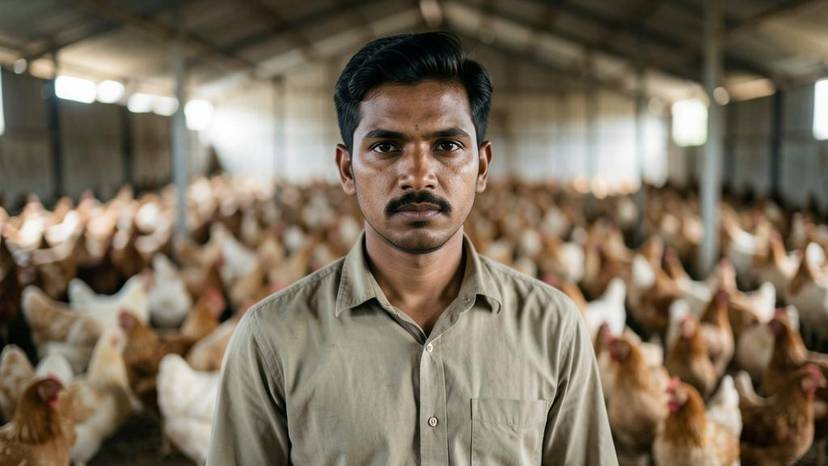
Factory farming — known locally as ઔદ્યોગિક પશુપાલન — is expanding across Gujarat, with over 1,200 registered poultry and dairy operations concentrated in districts like Anand, Mehsana, and Surat (Gujarat Animal Husbandry Department, 2024). These facilities often confine thousands of hens in battery cages, force dairy cows into repeated pregnancies, and dispose of untreated waste into water sources, harming both animals and human communities. For activists, the challenge is not just moral outrage but strategic action.
This guide provides a 30-day, budget-friendly roadmap for exposing and challenging these operations, drawing on successful campaigns by groups like People for Animals (PFA) and VegEco's own investigative series. You will learn how to gather admissible evidence, navigate Gujarat's legal and regulatory frameworks, build community coalitions, and use digital tools to hold corporations accountable — all without a large budget.
Step 1: Identify and Research Factory Farms in Your District
The first step is mapping the landscape. Use the Right to Information (RTI) Act to request a list of registered poultry, dairy, and pig farms from the Gujarat Animal Husbandry Department. Cross-reference this with Gujarat Pollution Control Board (GPCB) records of units with environmental clearance, as many factory farms operate without proper consent. Focus on facilities with reported violations — for example, GPCB issued 214 notices to dairy and poultry units for untreated effluent between 2020 and 2023 (GPCB, 2023).
Prioritise farms that are geographically accessible for repeated visits and have a visible footprint, such as large sheds or waste lagoons. Map them using Google Maps and note their proximity to schools, villages, and water bodies — this will be critical for highlighting public health risks. For example, a 2022 study by the Indian Institute of Public Health found that villages within 2 km of intensive poultry farms in Gujarat had higher rates of respiratory illness due to ammonia emissions (IIPH, 2022).
**Concrete example:** In 2023, activists in Anand district used RTI to obtain GPCB inspection reports for 15 poultry farms, discovering that 12 had no valid consent-to-operate. This data formed the basis for a formal complaint to the GPCB, which led to two farms being temporarily shut down. This approach cost only ₹200 in RTI fees and travel expenses.
Step 2: Document Animal Suffering and Environmental Violations Ethically
Evidence is the currency of effective activism. When you visit a factory farm — either openly as a visitor or through a whistleblower — document everything: the number of animals, their physical condition, living space, presence of injuries, and any signs of disease. Use a smartphone with a high-resolution camera; you don't need professional equipment. Ensure you record dates, times, and GPS coordinates for each piece of evidence, as this will make it admissible in legal proceedings.
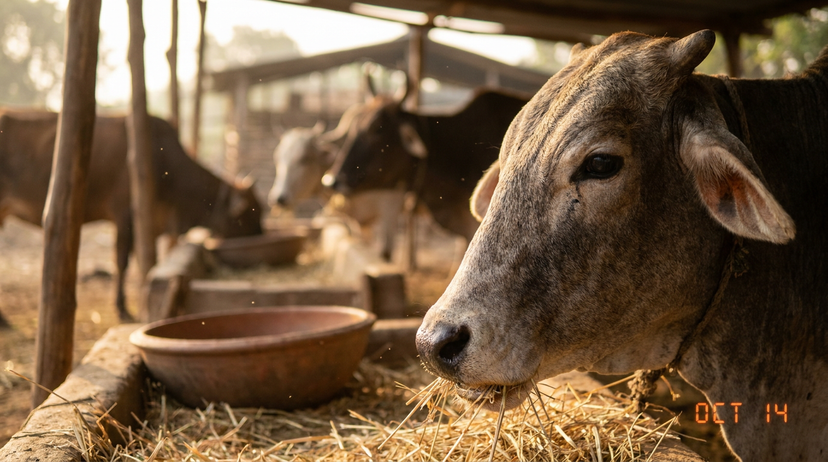
Ethical documentation means not trespassing or endangering yourself. If access is denied, observe from public roads or speak with former employees who can provide insider accounts. In Gujarat, several dairy workers have anonymously shared videos of calves being separated from mothers within hours of birth, a common practice in factory dairy farms (PFA Gujarat, 2023). Always protect the identity of whistleblowers to avoid retaliation.
**Concrete example:** In September 2024, a volunteer from Ahmedabad's VegEco chapter documented a poultry farm near Sanand where hens were kept in battery cages with de-feathered bodies and open wounds. The video was shared with the Ahmedabad Municipal Corporation's animal welfare officer, leading to a formal inspection and a notice to improve conditions. The volunteer spent ₹500 on travel and a power bank.
“Documentation is not just about capturing cruelty; it's about building a case that authorities cannot ignore. In Gujarat, we've seen that well-documented complaints are far more likely to result in action than emotional appeals.”
Step 3: File Legal Complaints and RTI Requests
Once you have evidence, file a formal complaint under Section 11 of the Prevention of Cruelty to Animals Act, 1960, with the local police or the Animal Welfare Board of India (AWBI). In Gujarat, you can also approach the Gujarat State Animal Welfare Board. Additionally, file a complaint with the Gujarat Pollution Control Board if you have evidence of environmental violations, such as untreated waste discharge. Under the Water (Prevention and Control of Pollution) Act, 1974, GPCB has the power to shut down non-compliant units.
For every complaint, obtain a written acknowledgment. If authorities fail to act within 30 days, escalate to the National Green Tribunal (NGT) — NGT has jurisdiction over environmental matters and has ruled against factory farms in other states. In 2023, NGT imposed a ₹5 lakh fine on a poultry farm in Punjab for polluting a river, setting a precedent (NGT, 2023).
**Concrete example:** In 2022, a coalition of NGOs in Mehsana filed a complaint with GPCB against a 50,000-bird poultry farm that was discharging waste into a canal. After a year of pressure, GPCB ordered the farm to install an effluent treatment plant, and the farm was fined ₹2 lakh. The campaign cost ₹1,500 in legal fees and stationery.
Step 4: Build a Coalition with Local NGOs and Vegan Groups
Activism is stronger in numbers. Reach out to established organisations like People for Animals (PFA), Federation of Indian Animal Protection Organisations (FIAPO), and local vegan collectives. In Gujarat, groups like the Ahmedabad Vegan Society and Surat's Green Warriors have experience in organising protests and lobbying local officials. A coalition amplifies your voice and shares resources, such as legal expertise and network access.
Create a shared action plan with clear roles: who handles evidence, who contacts media, who liaises with authorities. Hold weekly meetings, either in person or via free platforms like WhatsApp and Zoom. In 2024, a coalition in Rajkot successfully lobbied the municipal corporation to ban the sale of battery-cage eggs in local canteens, a victory that started with a simple alliance between animal-rights activists and environmentalists.
**Concrete example:** The Rajkot coalition used a shared Google Drive to store evidence and a WhatsApp group for updates. They organised a 200-person protest outside the municipal office, which was covered by local media, forcing the mayor to meet with them. The entire campaign cost under ₹2,000, primarily for banners and loudspeakers.
Step 5: Use Social Media and Local Media to Apply Public Pressure
Public pressure is a key lever. Create a campaign on platforms like Instagram, X (formerly Twitter), and Facebook, using hashtags like #GujaratAgainstFactoryFarming and #StopCrueltyGujarat. Share short, compelling video clips of the evidence, along with infographics that explain the animal suffering and environmental damage. Tag local influencers, journalists, and politicians — but ensure your claims are fact-checked to avoid legal defamation issues.
Local media — Gujarati-language newspapers like Divya Bhaskar and Gujarat Samachar — are often eager for investigative stories. Write press releases with clear facts and visuals, and offer exclusive interviews. In 2023, a story in Divya Bhaskar about a dairy farm's cruel practices in Anand led to a public outcry and a police investigation, illustrating the power of local journalism.
**Concrete example:** A 2023 campaign against a pig farm in Gandhinagar used a viral TikTok-style video showing unsanitary conditions and animal distress. Within a week, the video had 500,000 views, and the municipal corporation conducted an inspection, subsequently issuing a shutdown notice. The activist behind it spent only ₹300 on mobile data.
| Item | Estimated Cost (₹) | Notes |
|---|---|---|
| RTI applications | 100-200 | ₹10 per application, file at least 10 |
| Travel to farms | 1,000-2,000 | Use public transport or carpool |
| Smartphone accessories | 500-1,000 | Power bank, tripod for stable footage |
| Printing and banners | 1,500-3,000 | For protests and press kits |
| Legal consultation | 0-2,000 | Pro-bono help from animal law clinics |
| Social media ads | 0-1,000 | Boost posts for wider reach |
| Total | 3,100-9,200 | Flexible based on scale |
Step 6: Engage Corporations and Retailers Directly
Factory farms supply meat, dairy, and eggs to major companies. Identify the brands that source from your target farms — many are large dairy cooperatives like Amul or poultry processors like Venky's. Write formal letters to their customer service and sustainability departments, presenting evidence and demanding they adopt animal welfare policies, such as phasing out battery cages or gestation crates. If they ignore you, escalate with public campaigns.
Consumer pressure works. In 2024, after a campaign by FIAPO, two major Indian fast-food chains committed to sourcing 100% cage-free eggs by 2026 (FIAPO, 2024). You can replicate this by starting a petition on Change.org and using social media to target the company's reputation. For instance, a 2023 campaign against a Gujarat-based dairy brand for its use of cow-calf separation led to a meeting between activists and company executives, resulting in a promise to improve calf care.
**Concrete example:** A group in Vadodara targeted a local milk brand, posting daily evidence on X with the company's handle. Within 14 days, the company responded publicly, promising an audit of its supplier farms. The activists' only costs were time and internet access.
Step 7: Organise Local Events and Public Outreach
Grassroots organising includes community events like film screenings, awareness walks, and plant-based food fairs. These events educate the public and build a broader constituency for change. In Gujarat, where vegetarianism is common, emphasise the connection between dairy production and animal cruelty, as well as the environmental impact of factory farming on water and soil.
Partner with local colleges and universities to host talks and screenings of documentaries like 'Dominion' or 'Cowspiracy'. Use free venues like community halls or parks. In 2023, a screening in Ahmedabad attracted 150 students, many of whom joined the activist group. Budget for snacks and a projector — often under ₹2,000.
**Concrete example:** The Ahmedabad Vegan Society hosted a 'Chai & Change' event at a local cafe, where activists shared stories and strategies. Over 40 people signed up to volunteer, and the event cost only ₹800 for refreshments.
Step 8: Monitor Progress and Escalate Strategically
Track your complaints and campaigns in a spreadsheet — note dates, responses, and outcomes. If authorities or companies don't act, escalate: file a complaint with the National Human Rights Commission, approach the Ombudsman, or stage a peaceful protest outside the relevant office. Always maintain non-violence and legal compliance to retain public sympathy.
For example, if GPCB ignores your complaint for 60 days, file an application to the NGT, which has binding authority. In 2022, NGT directed the GPCB to respond to a complaint about a poultry farm in Bharuch within 30 days, leading to an inspection and a fine (NGT, 2022).
**Concrete example:** A 2021 complaint about a dairy farm in Kheda was initially ignored by the local police. Activists escalated to the Gujarat High Court through a Public Interest Litigation (PIL), which forced the police to register an FIR under the Prevention of Cruelty to Animals Act. The campaign took 18 months but resulted in a successful prosecution.
Step 9: Sustain the Movement with Self-Care and Skill Building
Activism is a marathon, not a sprint. Avoid burnout by rotating tasks, celebrating small wins, and connecting with other activists for support. Attend workshops on animal law, investigative techniques, and digital security — many are offered free online by FIAPO and other NGOs. Building your skills makes your activism more effective and sustainable.
In Gujarat, where the vegan movement is growing slowly, patience is key. According to a 2024 report by the Vegan Society of India, Gujarat has around 15,000 self-identified vegans, a small but dedicated base. Use this community for mutual encouragement and to train new activists. Remember, every campaign, no matter how small, contributes to the end of factory farming.
**Concrete example:** The 'Gujarat Animal Rights Network' meets monthly on Zoom, offering skill-sharing sessions. In 2024, they organised a virtual workshop on RTI filing, which trained 50 new activists across the state, with zero cost to participants.
Factory farm complaints filed in Gujarat by year
Frequently Asked Questions
Here are answers to common questions about fighting factory farming in Gujarat.
Is it legal to protest outside a factory farm in Gujarat?
Yes, peaceful protest is legal under Article 19(1)(a) of the Indian Constitution, provided you do not trespass on private property or obstruct traffic. You must obtain permission from the local police for a public assembly. In practice, protests with a clear message and no violence are generally tolerated. For example, a 2023 protest outside a poultry farm in Mehsana was peaceful and police merely monitored.
How much does it cost to file an RTI for factory farm data?
An RTI application in Gujarat costs ₹10 per request, plus postal charges of ₹10-20 if sent by mail. For a comprehensive data request, you may need to file multiple RTIs — a typical investigation might cost ₹100-₹300. This is the most budget-friendly tool for obtaining official documents, such as GPCB inspection reports and lists of registered farms.
What are the most effective tactics for pressuring companies?
The most effective tactics are direct engagement with corporate sustainability teams, combined with public social media campaigns that tag the company. Petitions on platforms like Change.org can gather thousands of signatures, and shareholder resolutions — if you're an investor — can force votes on animal welfare policies. In 2024, a petition against a Gujarat dairy brand's calf separation practices collected 20,000 signatures, leading to a policy review.
How do I find a lawyer for animal rights cases?
Organisations like FIAPO and PFA often provide pro-bono legal aid for animal cruelty cases. Additionally, the Gujarat State Legal Services Authority offers free legal services for eligible individuals. You can also contact law schools like the Nirma University Institute of Law in Ahmedabad, which has a legal aid clinic focusing on animal rights.
Can I file a complaint anonymously?
Yes, you can file a complaint with the GPCB or police anonymously, but it may be given less weight. To increase credibility, provide contact details and request confidentiality — authorities are obligated to protect complainants from retaliation. For whistleblowers inside factory farms, consider using a lawyer or NGO as an intermediary to maintain anonymity.
What should I do if the police ignore my complaint?
If police ignore your complaint for more than 30 days, escalate to higher authorities like the Superintendent of Police or file a complaint with the State Human Rights Commission. You can also approach the High Court via a PIL. A 2021 case in Kheda went ignored for months until activists filed a PIL; the court ordered an FIR, demonstrating that persistence pays off.
30-Day Campaign Checklist
- ✓File at least 5 RTI applications for farm data
- ✓Visit and document at least 3 factory farms
- ✓File 1 formal complaint with GPCB or police
- ✓Contact 3 local NGOs and invite them to join
- ✓Launch a social media campaign with hashtags
- ✓Publish 1 press release in a local newspaper
- ✓Host 1 public screening or awareness event
- ✓Meet with 1 corporate brand's representative
- ✓Track all actions in a spreadsheet
Essential Tools for Budget Activists
- Smartphone with high-resolution camera
- Free apps: Google Drive, WhatsApp, Canva for graphics
- RTI application forms (available online)
- GPCB complaint form (online submission)
- Local newspaper contact list
- A small budget for printing and travel (₹3,000-₹9,000)
સંબંધિત વિષયો