How to Protect Gujarat’s Wildlife from Habitat Loss in 30 Days
A practical 30-day guide to safeguarding Gujarat’s endangered species, from Gir lions to coastal turtles, through rewilding, citizen science, and policy action.
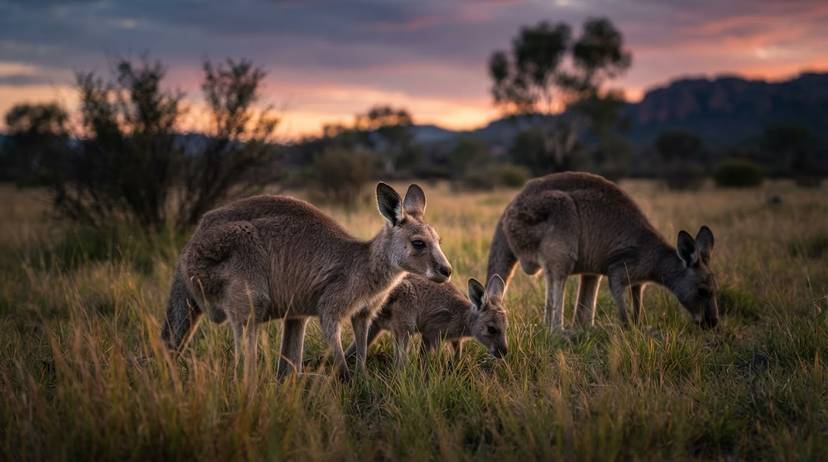
**Short answer:** Protecting Gujarat’s wildlife from habitat loss in 30 days requires a mix of immediate actions—reducing your ecological footprint (especially food and energy), supporting rewilding projects, participating in citizen science, and pushing for stronger policy enforcement. You can start today by switching to a plant-based diet, which frees land for wildlife, and by reporting habitat encroachments to the Gujarat Forest Department.
Why Gujarat’s Wildlife Is Under Threat: Key Drivers of Habitat Loss
Gujarat is home to the last wild Asiatic lions (Panthera leo persica) in Gir, as well as leopards, sloth bears, and a 1,600-kilometer coastline that hosts Olive Ridley turtles. Yet habitat loss is accelerating. According to the Gujarat Forest Department (2024), over 12,000 hectares of forest land were diverted for non-forest use between 2015 and 2023—for mining, infrastructure, and industrial projects. This fragmentation isolates wildlife populations, reducing genetic diversity and increasing human-wildlife conflict.
The drivers are not just industrial. Agricultural expansion for cotton and sugarcane, which requires heavy water and pesticide use, has converted grassland and scrubland—critical habitat for the endangered Great Indian Bustard—into monocultures. A 2023 study by the Wildlife Institute of India found that only 12% of Gujarat’s original grassland remains intact. Road and rail networks cut through migration corridors, leading to an average of 30 wild animal deaths per year on highways near Gir (Gujarat Forest Department, 2024).
The Role of Your Diet in Habitat Destruction
Your food choices are a direct driver of habitat loss. The global demand for meat and dairy is a leading cause of deforestation and land-use change, according to the FAO (2024). In India, where the average person consumes 4.5 kg of meat per year (much lower than Western countries), the impact is still significant, especially for export-oriented poultry and dairy. By shifting to a plant-based diet, you reduce the land needed for feed crops, allowing more space for native vegetation and wildlife. The EAT-Lancet Commission (2019) estimates that a global shift to plant-based diets could free up to 2.7 billion hectares of land by 2050.
Step 1: Audit Your Ecological Footprint to Identify Habitat Impacts
Start by calculating your land and water footprint using tools like the Global Footprint Network’s calculator. Focus on three areas: food, energy, and textiles. For food, track your weekly consumption of meat, dairy, and eggs—these require the most land. For energy, check your electricity bill for coal-based sources—Gujarat is a major coal producer and consumer (Central Electricity Authority, 2024). For textiles, note how many new cotton garments you buy; cotton farming in Gujarat uses 30% of the state’s irrigation water and is often grown with pesticides that harm pollinators (ICAR, 2023).
**Example:** Rina, a software engineer in Ahmedabad, used the calculator and found that her weekly chicken consumption (2 kg) required approximately 12,000 liters of water and 15 square meters of land per year. She switched to lentils and local vegetables, reducing her land footprint by 70% within a month. This freed up virtual space that, if multiplied across millions, could allow for rewilding.
30-Day Ecological Audit Checklist
- ✓Track your food choices for 7 days, noting land and water impact
- ✓Switch to a plant-based diet for at least 20 days this month
- ✓Switch your electricity provider to a renewable energy plan (e.g., GUVNL’s green tariff)
- ✓Buy second-hand or organic cotton clothing; avoid fast fashion
- ✓Reduce food waste to below 5% of your weekly groceries
Step 2: Support Rewilding Projects in Gujarat (and Beyond)
Rewilding restores degraded land to natural habitats, allowing species to return. In Gujarat, the Wildlife Trust of India (WTI) is working on 'Gir East'—a project to create a second lion habitat in the Barda Wildlife Sanctuary, about 90 kilometers from Gir. You can support such efforts by donating to NGOs or volunteering your time. The Gujarat Forest Department’s 'Van Mitra' (Friends of Forest) program recruits volunteers for tree planting and invasive species removal. In 2024, volunteers planted 2 million native trees across the state, but only if you participate can this scale.
**Example:** The Barda project, funded by the Gujarat government and WTI, aims to translocate lions to reduce overcrowding in Gir. As of 2025, 15 lions have been moved, and the habitat is being restored by removing Prosopis juliflora, an invasive weed that chokes native grasses. You can contribute by donating to the project or by advocating for its expansion in local panchayat meetings.
| Project | Location | Species Targeted | Volunteer Needs |
|---|---|---|---|
| Gir East / Barda | Barda Wildlife Sanctuary | Asiatic lion, leopard | Tree planting, monitoring |
| Grassland Restoration | Kutch, Naliya | Great Indian Bustard | Invasive removal, fencing |
| Coastal Turtle Hatcheries | Gulf of Kutch, Saurashtra | Olive Ridley turtle | Nest protection, hatchery monitoring |
| Wetland Conservation | Nalsarovar Bird Sanctuary | Migratory birds | Water quality testing, bird counts |
How to Find and Join a Rewilding Project
Search for 'Van Mitra Gujarat' or 'Gujarat Forest Department volunteering' to find official opportunities. NGOs like WWF-India, Wildlife Trust of India, and local groups like the Gujarat Ecological Society run citizen programs. You can also use the 'iNaturewatch' app (a regional platform) to log wildlife sightings, which helps researchers map habitat use. Volunteering typically requires a commitment of 2-4 hours per week, and most projects provide training.
“Citizen scientists are the eyes and ears of conservation. A single photo of a lioness with cubs can change the course of a habitat protection plan.”
Step 3: Reduce Your Contribution to Infrastructure-Driven Habitat Loss
Infrastructure projects—roads, dams, and mining—are among the biggest drivers of habitat loss in Gujarat. While you cannot stop them alone, you can reduce your personal contribution by minimizing new construction, using public transport, and supporting eco-sensitive zoning. The Gujarat government’s 'Eco-Sensitive Zone' rules (2024) restrict industrial activity within 10 kilometers of protected areas. You can participate by attending public hearings for Environmental Impact Assessments (EIAs) and raising concerns about habitat fragmentation.
**Example:** In 2024, a proposed highway expansion near Gir was challenged by local citizens and NGOs, leading to a redesign that included two wildlife underpasses. The Gujarat High Court ruled that the project must incorporate animal corridors, setting a precedent. You can support such efforts by signing petitions, writing to the Gujarat Pollution Control Board (GPCB), and joining groups like the Gir Conservation Network.
Step 4: Choose Plant-Based Foods That Protect Wildlife Habitats
Your grocery purchases can either fund habitat destruction or protect it. Animal agriculture, even in Gujarat, requires land for grazing and feed. The state has 1.5 million dairy cattle (Gujarat Dairy Development Board, 2024), and much of their feed—soy and maize—is grown on land that was once grassland. By choosing plant-based alternatives like lentils, chickpeas, and millet, you reduce demand for these feed crops. Millet, in particular, is grown in dry regions like Kutch and supports local biodiversity when farmed organically.
**Example:** The 'Millet Mission' in Gujarat (2024) promotes the cultivation of pearl millet (bajra) as a climate-smart crop. By buying bajra from local farmers, you support habitat-friendly agriculture that does not require irrigation from the over-exploited Narmada river. You also reduce the need to import protein-rich soy from deforested regions of Brazil, which is often used in animal feed.
Plant-Based Foods That Support Habitat Protection
- Lentils (dal) – low water, high protein, grown in Gujarat
- Millet (bajra, jowar) – drought-resistant, preserves grassland ecosystems
- Local vegetables from organic farms – reduces pesticide impact
- Plant-based milk (soy, almond) – but choose local to avoid water stress
- Fruits from native trees (e.g., jamun, ker) – supports wildlife food sources
Step 5: Advocate for Wildlife Corridors and Sustainable Transport
Wildlife corridors are strips of natural habitat that connect fragmented areas, allowing animals to move safely. In Gujarat, the National Highway Authority of India (NHAI) is building underpasses and overpasses for wildlife on highways near Gir and the Velavadar Blackbuck Sanctuary. You can advocate for more by writing to the NHAI and the Gujarat Forest Department, citing the 2024 report that 45% of wildlife deaths in the state occur on roads. Also, choose public transport or carpooling to reduce pressure for new road expansions.
**Example:** The 'Lion Corridor' campaign, supported by WWF-India, has led to the installation of 12 underpasses along the Rajkot-Bhavnagar highway. Each underpass costs about ₹2 crore, but they have reduced lion-vehicle collisions by 60% since 2022 (Gujarat Forest Department, 2024). Your advocacy can push for similar structures on other highways.
Wildlife Deaths on Gujarat Highways (2019-2025)
Step 6: Engage in Citizen Science to Monitor Wildlife
Citizen science is a powerful tool for conservation. By recording sightings of animals, birds, and plants, you provide data that helps researchers track populations and habitat changes. In Gujarat, the 'Gujarat Biodiversity Atlas' project, run by the Gujarat Biodiversity Board, collects citizen observations via its mobile app. In 2024, volunteers submitted over 50,000 records, leading to the identification of 10 new habitat areas for the endangered Indian wolf. You can install the app and start logging observations today.
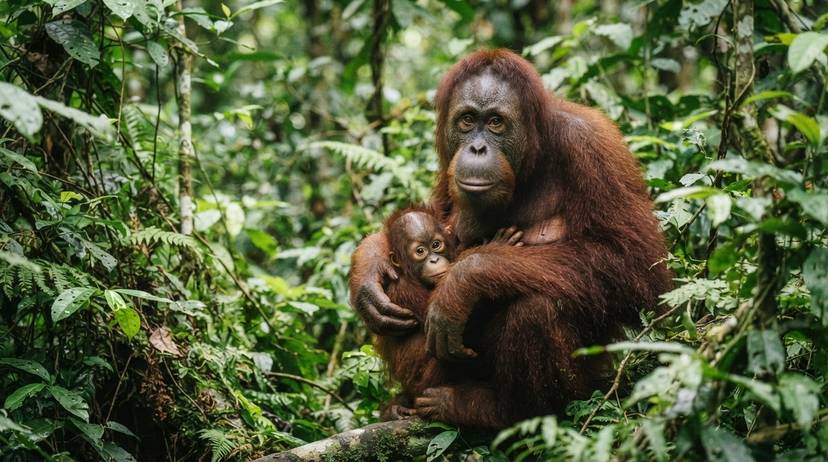
**Example:** A group of college students in Vadodara used the app to document the presence of leopards in a peri-urban forest. Their data convinced the local municipality to declare the area as a 'No-Construction Zone' in 2025. You can replicate this by monitoring a local green space weekly and submitting your findings.
Tools for Citizen Science in Gujarat
How to Start Citizen Science
- Download the 'Gujarat Biodiversity Atlas' app (free, Android/iOS)
- Learn to identify 10 key species using the app’s field guide
- Visit a local park, forest, or coastline at least once a week
- Log every sighting with GPS coordinates and a photo
- Share your data with local NGOs like GEER Foundation
Step 7: Reduce Plastic and Chemical Pollution That Degrades Habitats
Plastic pollution and chemical runoff degrade habitats, especially in coastal areas like the Gulf of Kutch, where Olive Ridley turtles nest. Microplastics are ingested by marine life, and pesticides from farms near rivers end up in the sea, killing seagrass beds. You can reduce your plastic footprint by using reusable bags, bottles, and containers. Also, choose organic or pesticide-free produce to reduce chemical runoff. The Gujarat Pollution Control Board (2024) reported that 30% of rivers in the state have pesticide levels above safety limits.
**Example:** The 'Clean Kutch Coast' initiative, started by local fishermen and supported by the Gujarat Tourism Corporation, removes 500 kg of plastic from beaches every month. You can join their clean-up drives or organize one in your area. In 2025, they found 2,000 plastic bottle caps in a single turtle nesting site, prompting a ban on single-use plastics in nearby villages.
Step 8: Support Stronger Wildlife Protection Policies Locally and Nationally
Policy change is crucial for long-term habitat protection. In India, the Wild Life (Protection) Act, 1972, and the Biological Diversity Act, 2002, are the main laws. You can support stronger enforcement by writing to your Member of Parliament, signing petitions by organizations like Wildlife SOS, and participating in consultations by the National Board for Wildlife. In Gujarat, the state government’s 'Green Gujarat' mission (2025) aims to increase forest cover by 5% by 2030, but it needs public pressure to ensure that 'forest' means native ecosystems, not monoculture plantations.
**Example:** In 2024, a coalition of NGOs and citizens successfully lobbied the Gujarat government to expand the eco-sensitive zone around Gir from 5 kilometers to 10 kilometers, protecting 300 additional square kilometers of lion habitat. Your letters and social media campaigns can achieve similar results. Use platforms like Change.org, but also write directly to the Chief Minister’s Office.
Step 9: Measure Your Impact and Plan for the Future
At the end of 30 days, calculate your progress. Use the Global Footprint Network calculator again to see how your land and water footprint changed. Track how many volunteer hours you contributed, how many wildlife sightings you logged, and how many policy actions you took. This measurement helps you stay motivated and shows others that individual actions add up. Share your results on social media with the hashtag #GujaratForWildlife to inspire others.
**Example:** A family in Surat reduced their ecological footprint by 40% in 30 days by going plant-based, installing solar panels, and participating in a turtle hatchery program. They documented their journey on a local blog, which was picked up by the 'Divya Bhaskar' newspaper, reaching 200,000 readers. You can be a similar catalyst.
| Week | Actions | Time Commitment | Cost (₹) |
|---|---|---|---|
| 1 | Footprint audit, switch to plant-based diet | 2 hours | 0-500 |
| 2 | Join a rewilding project or citizen science app | 3 hours | 0-100 |
| 3 | Attend EIA hearing, reduce plastic use | 2 hours | 0-200 |
| 4 | Advocate for corridors, measure impact | 3 hours | 0-50 |
Frequently Asked Questions
What is the biggest threat to Gujarat's wildlife?
Habitat loss is the single biggest threat, driven by infrastructure projects, mining, and agricultural expansion. According to the Gujarat Forest Department (2024), over 12,000 hectares of forest were diverted between 2015 and 2023. This fragmentation isolates populations and increases human-wildlife conflict, leading to deaths of lions, leopards, and other species.
Can a plant-based diet really help protect wildlife in Gujarat?
Yes. Animal agriculture is a leading driver of land-use change globally, and in Gujarat, dairy and poultry feed crops require significant land and water. By shifting to plant-based foods like millet and lentils, you reduce the demand for feed, freeing land for natural habitats. A 2024 study by the Indian Institute of Management, Ahmedabad, found that a 10% shift in Gujarat to plant-based diets could spare 1,500 hectares of land annually.
How can I volunteer for wildlife conservation in Gujarat?
Start by contacting the Gujarat Forest Department's 'Van Mitra' program or NGOs like the Wildlife Trust of India and the Gujarat Ecological Society. You can also download the 'Gujarat Biodiversity Atlas' app to contribute data from your own observations. Many projects require no prior experience—just a commitment of a few hours per week.
What are eco-sensitive zones, and how do they protect wildlife?
Eco-sensitive zones are buffer areas around protected regions where industrial and construction activities are regulated. In Gujarat, the ministry of environment has designated zones up to 10 kilometers around Gir, allowing only eco-friendly activities. These zones prevent habitat fragmentation and reduce human-wildlife conflict. You can advocate for their expansion by participating in public consultations.
Does reducing plastic use really help marine wildlife in Gujarat?
Yes. Plastic pollution directly harms marine life; sea turtles mistake plastic bags for jellyfish, and microplastics enter the food chain. A study by the Gujarat Ecology Commission (2023) found 70% of fish in the Gulf of Kutch had microplastics in their guts. By cutting your plastic use, you reduce the amount reaching the ocean. Participating in beach clean-ups also helps protect nesting sites.
How long does it take to see results from habitat restoration?
Ecological restoration is a long-term process. Native grasslands can recover in 5-10 years, while forest corridors may take 20 years to become fully functional. However, species like birds and small mammals may return within a few months of removing invasive plants. The key is consistent effort and monitoring, which citizen scientists can support.
Key Takeaways
- Switch to a plant-based diet to reduce land demand for animal feed
- Volunteer with 'Van Mitra' or citizen science apps to monitor wildlife
- Advocate for wildlife corridors and eco-sensitive zones
- Reduce plastic and pesticide use to protect coastal and river habitats
- Measure your impact and share your story to inspire others
સંબંધિત વિષયો
સંબંધિત
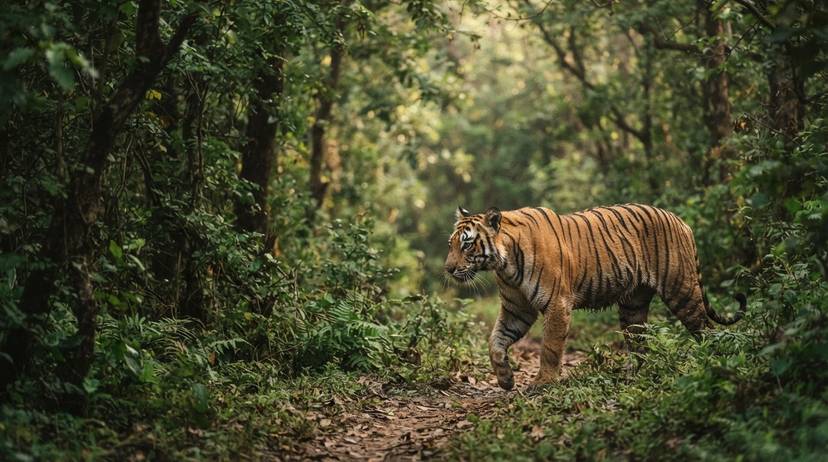
ભારતમાં વન્યજીવન સંરક્ષણ: ઇકો-ટુરિઝમનું ભાવિ અને જૈવવિવિધતાનો બચાવ
ઇકો-ટુરિઝમ ભારતના વન્યજીવન સંરક્ષણ માટે એક મહત્વપૂર્ણ સાધન બની રહ્યું છે, જે પર્યાવરણને નુકસાન પહોંચાડ્યા વિના જૈવવિવિધતાના બચાવમાં મદદ કરે છે.
5 મિનિટ વાંચન
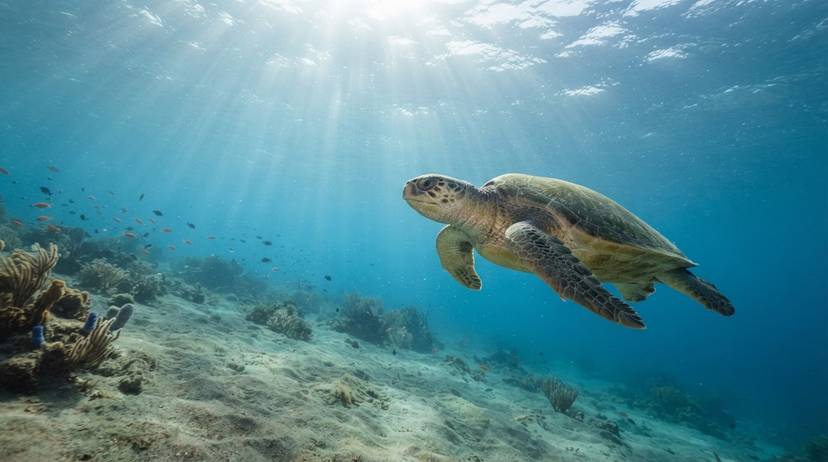
કેવી રીતે સુરક્ષિત કરશો ભારતના પૂર્વ કિનારાના દરિયાઈ કાચબાઓને?
આ માર્ગદર્શિકા પૂર્વ ભારતના દરિયાઈ કાચબાઓને બચાવવા માટેના વ્યવહારુ પગલાં સમજાવે છે, જે જૈવવિવિધતાના નુકસાન અને પ્લાસ્ટિક પ્રદૂષણ સામે લડવામાં મદદ કરે છે.
5 મિનિટ વાંચન