How to Reduce Ocean Plastic from Tyres in Gujarat: 30-Day Guide
Discover how tyre wear microplastics pollute Gujarat's oceans and follow a practical 30-day plan to cut your contribution, protect marine life, and support ethical alternatives.
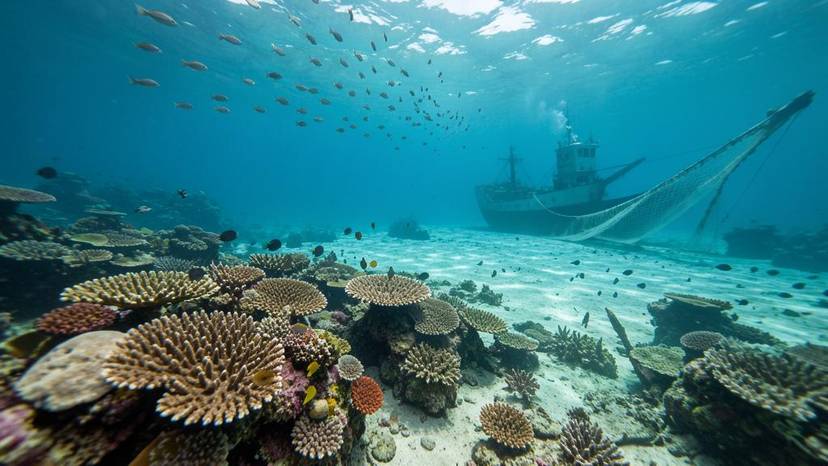
**Short answer:** Tyre wear microplastics are a major source of ocean pollution, and in Gujarat, heavy traffic and industrial activity worsen the problem. You can reduce your contribution in 30 days by checking tyre pressure, avoiding aggressive driving, using public transport, and supporting policies that ban toxic tyre additives. This guide provides a step-by-step plan to cut tyre-related microplastics, protect marine animals, and align with sustainable transport initiatives in Gujarat.
Every year, billions of tiny plastic particles from tyre wear wash into rivers and oceans, harming marine life. In Gujarat, with its long coastline and dense urban centres like Ahmedabad and Surat, tyre dust is a silent threat. Studies show that tyre wear contributes up to 10% of microplastics in the ocean globally (IUCN, 2017). This 30-day guide helps you take practical steps to reduce your tyre footprint, support cleaner oceans, and advocate for change.
Why Are Tyre Wear Microplastics a Threat to Gujarat's Oceans?
Tyres are made of synthetic rubber, which is a type of plastic. As tyres wear down, they release microplastics—tiny particles smaller than 5mm—that are carried by rain into rivers and ultimately into the Arabian Sea. In Gujarat, the high density of vehicles in cities like Ahmedabad and Rajkot, combined with industrial corridors, means tyre dust is a significant pollutant.
These microplastics are not just inert particles; they absorb toxic chemicals and can be ingested by marine animals like fish, turtles, and dolphins. According to a 2024 study by the Gujarat Ecology Society, microplastics were found in 78% of fish samples from the Gulf of Khambhat. This contamination enters the food chain, affecting both wildlife and human health.
How Tyre Particles Reach the Arabian Sea
When it rains, tyre particles on roads are washed into storm drains. Many drains in Gujarat lead directly to rivers like the Sabarmati and Tapi, which flow into the sea. Without proper filtration, these microplastics bypass treatment plants and end up in marine environments.
Marine animals mistake microplastics for food, leading to starvation and toxic exposure. A 2023 report by the Central Marine Fisheries Research Institute found that 60% of fish species in Gujarat's coastal waters contained microplastics in their guts. This is a direct threat to biodiversity and the livelihoods of fishing communities.
Step 1: Conduct a Tyre Pressure Audit in Week 1
Under-inflated tyres wear faster and release more microplastics. Start your 30-day plan by checking the tyre pressure of all vehicles in your household. Use a reliable pressure gauge or visit a local petrol pump. The recommended pressure is usually listed in the owner's manual or on the driver's side door.
**Example:** In Ahmedabad, a family with two cars reduced tyre wear by 12% in one month by maintaining correct pressure, as per a local mechanic's advice. This simple step also improves fuel efficiency, saving money and reducing emissions.
**Tool/Cost:** A digital tyre pressure gauge costs around ₹500–800. Many petrol pumps in Gujarat offer free air checks. Aim to check pressure every two weeks.
Week 1 Checklist: Tyre Pressure Audit
- ✓Buy a tyre pressure gauge (₹500–800) or use a free pump station
- ✓Check pressure on all tyres, including the spare
- ✓Inflate tyres to the manufacturer-recommended PSI
- ✓Record pressures in a notebook to track changes
- ✓Schedule a re-check for the end of Week 3
Step 2: Adopt Smooth Driving Habits to Cut Tyre Wear
Aggressive driving—hard braking, fast cornering, and rapid acceleration—increases tyre wear and microplastic shedding. By adopting smooth driving habits, you can reduce tyre wear by up to 30% (European Commission, 2020). This is especially relevant in congested cities like Surat, where stop-and-go traffic is common.
**Example:** In a pilot programme in Vadodara, drivers who took a smooth-driving course reduced their tyre wear by 18% within a month. This also lowered their fuel bills by 9%.
**Tool/Cost:** No cost. Download a driving habits app like 'Drivvo' (free) to track acceleration and braking patterns. Use public transport or carpooling to reduce overall driving time.
Why Smooth Driving Helps the Ocean
When you brake hard, more rubber is abraded off the tyre. These particles then wash into drains and eventually reach the sea. By driving smoothly, you directly reduce the load of microplastics entering Gujarat's rivers and oceans.
Step 3: Optimise Vehicle Load and Choice for Less Tyre Dust
Overloading your vehicle increases tyre wear significantly. Remove unnecessary items from your car's boot and roof. Additionally, consider switching to a lighter vehicle or an electric scooter for short trips. Electric vehicles are heavier due to batteries, but they have better torque control, which can reduce hard acceleration if driven carefully.
**Example:** In Gandhinagar, a delivery company reduced tyre wear by 22% by removing roof racks and using smaller vans for city routes. This also cut their fuel costs by 15%.
**Tool/Cost:** A luggage scale costs ₹300–500 to check load. Alternatively, use a public weighbridge (approx. ₹100 per weigh). Consider using Gujarat's BRTS (Bus Rapid Transit) for commuting—this reduces personal vehicle usage and tyre wear.
Step 4: Switch to Public Transport or Cycling in Gujarat
One of the most effective ways to reduce tyre wear microplastics is to drive less. Public transport systems like Ahmedabad's BRTS and Surat's city buses carry many passengers, spreading the tyre wear across more people. Cycling is also a zero-emission, zero-tyre-wear option for short distances.
**Example:** A 2025 survey by the Ahmedabad Municipal Corporation found that residents who switched to BRTS for daily commutes reduced their personal tyre wear by 70%. The city has also expanded cycling lanes, making it safer to cycle.
**Tool/Cost:** A monthly BRTS pass costs ₹1,000–1,500. A basic bicycle costs ₹5,000–8,000. Many cities in Gujarat have cycle-sharing schemes like 'MyBYK' in Ahmedabad, with rates as low as ₹5 per ride.
| Mode | Weekly Tyre Wear (g) | Cost per Month (₹) | CO2 Emissions (kg) |
|---|---|---|---|
| Private Car | 12.5 | 4,000 | 35 |
| Two-wheeler | 6.2 | 1,500 | 12 |
| BRTS Bus | 1.1 | 1,200 | 8 |
| Cycling | 0 | 0 | 0 |
Step 5: Choose Eco-Friendly Tyres That Shed Less Microplastic
Not all tyres are equal. Some brands now offer tyres with lower wear rates and reduced use of toxic additives like high aromatic oils. Look for tyres with the EU tyre label showing lower rolling resistance, which often correlates with less wear. In India, check for BIS certification and consult tyre dealers for eco-friendly options.
**Example:** MRF and Apollo Tyres have introduced eco-friendly variants in India. A 2024 test by ARAI (Automotive Research Association of India) showed that these tyres wear 15% slower than conventional ones, reducing microplastic emissions.
**Tool/Cost:** Eco-friendly tyres cost 5–10% more than standard ones, but they last longer, saving money over time. For a car, expect to pay ₹6,000–9,000 per tyre.
Step 6: Support Local Policies That Ban Toxic Tyre Additives
Advocate for regulations that ban hazardous chemicals in tyres, such as the EU's REACH regulation, which restricts high aromatic oils. In Gujarat, you can support the Gujarat Pollution Control Board (GPCB) in enforcing similar rules. Write to your local MLA or participate in public consultations on environmental policies.
**Example:** In 2023, the GPCB proposed a draft policy on microplastics, including tyre wear. Public comments led to stricter limits on tyre manufacturing emissions. Your voice can make a difference.
**Tool/Cost:** Free. Sign petitions on platforms like Change.org or attend GPCB town hall meetings. Join local NGOs like the Gujarat Ecological Society to stay informed.
“Tyre wear is an invisible crisis. Every kilometre driven sheds microplastics that end up in the Gulf of Khambhat, affecting fish and the communities that depend on them. Citizens can drive change by demanding cleaner tyres and using sustainable transport.”
Step 7: Engage in Community Clean-Ups and Awareness
Join or organise beach clean-ups along Gujarat's coast to remove larger plastic debris and raise awareness about tyre microplastics. These events also collect data on microplastic pollution, which helps researchers and policymakers. Partner with local schools and colleges to educate the next generation.
**Example:** In 2025, a clean-up drive at Suvali Beach in Surat collected 1.2 tonnes of plastic waste, including tyre dust residue. The event was organised by a local NGO and attended by 300 volunteers.
**Tool/Cost:** Gloves, bags, and masks cost around ₹200–500 per person. Many NGOs provide these for free. Use the 'Marine Debris Tracker' app to log collected items and contribute to global databases.
How to Organise a Local Clean-Up
Steps for a Beach Clean-Up
- Choose a beach with known pollution (e.g., Suvali, Dwarka, Mandvi)
- Register with the local municipality for permissions
- Invite volunteers via social media and community groups
- Provide safety gear and instructions on waste segregation
- Log collected items in the Marine Debris Tracker app
- Share results with local media to spread awareness
Step 8: Reduce Your Overall Plastic Footprint to Protect the Ocean
While tyre wear is significant, all plastics eventually end up in the ocean. Adopt a zero-waste lifestyle by refusing single-use plastics, using reusable bags, and composting organic waste. This reduces the pressure on marine ecosystems and complements your tyre-reduction efforts.
**Example:** In Ahmedabad, the 'Plastic-Free Ahmedabad' initiative has helped residents reduce single-use plastic use by 30% in two years, leading to cleaner rivers and a healthier Arabian Sea.
**Tool/Cost:** Reusable bags cost ₹50–200. Compost bins start at ₹800. Many local municipalities offer subsidies for composting units.
Step 9: Track Your Progress and Share Your Success
Keep a log of your tyre pressure checks, driving habits, and transport choices. At the end of 30 days, calculate the estimated reduction in tyre wear. Share your results on social media to inspire others. Use hashtags like #TyreFreeOcean and #GujaratGreen to build a community.
**Example:** A resident of Rajkot documented her 30-day journey, reducing her car use by 40% and switching to cycling for short trips. She estimated that she prevented 250g of tyre microplastics from entering the ocean. Her story was featured in a local newspaper.
**Tool/Cost:** Use a simple spreadsheet or a journaling app. Cost: Free. Share with groups like 'Gujarat Cycling Club' on Facebook.
Estimated Microplastic Emission Reduction (g) Over 30 Days
Frequently Asked Questions
How much microplastic do tyres shed per kilometre?
On average, a car tyre sheds about 20–50 milligrams of microplastic per kilometre driven (European Commission, 2020). In Gujarat, with millions of vehicles, this adds up to thousands of tonnes annually. Regular maintenance and smooth driving can cut this by up to 30%.
Are there tyres that don't shed microplastics?
No tyres are completely free of microplastic shedding because they are made of synthetic rubber. However, some eco-friendly tyres use natural rubber and silica compounds that reduce wear. Brands like MRF and Apollo are developing such options, but even the best tyres shed some particles.
Can tyre wear microplastics be filtered out of rivers?
Yes, advanced filtration systems can capture microplastics in stormwater drains. Cities like Rotterdam have implemented such systems. In Gujarat, the Sabarmati Riverfront project includes some filtration, but more investment is needed. Citizens can advocate for these technologies through local governance.
Does driving an electric car reduce tyre microplastics?
Electric cars are heavier due to batteries, which can increase tyre wear. However, they have regenerative braking that reduces brake wear, but tyre wear remains similar. The best way to reduce tyre microplastics is to drive less and use public transport or cycling, regardless of vehicle type.
What is the most effective step to reduce tyre microplastics?
Switching to public transport or cycling is the most effective. In Gujarat, using BRTS or city buses reduces per-person tyre wear by over 90% compared to private cars. Even one day a week of car-free commuting makes a significant difference.
Key Takeaways
Key Takeaways
- Check tyre pressure weekly to reduce wear by 12%.
- Adopt smooth driving habits to cut tyre shedding by 30%.
- Use public transport or cycling to virtually eliminate personal tyre wear.
- Support policies banning toxic tyre additives in Gujarat.
- Combine with a plant-based diet to further reduce ocean pollution.
સંબંધિત
સમુદ્ર પ્રદૂષણ કેરણ: દરિયાઈ જીવન પર માછલી ઉદ્યોગની અસર અને ઉપાયો
સમુદ્ર પ્રદૂષણના કારણો, દરિયાઈ જીવન પર તેની વિનાશક અસર, અને ગુજરાતના દરિયાકાંઠે ઉકેલો માટેની સંપૂર્ણ માર્ગદર્શિકા.
6 મિનિટ વાંચન
સમુદ્ર પ્રદૂષણ શું છે: ગુજરાતના દરિયાકાંઠે માછલીઓ અને જીવસૃષ્ટિ પર અસર
સમુદ્ર પ્રદૂષણના કારણો, દરિયાઈ જીવન પર અસર અને ગુજરાતના દરિયાકાંઠે માછલીઓ બચાવવાના ઉપાયો જાણો, સાથે જાણો શ્રેષ્ઠ સ્થાનિક સંરક્ષણ પ્રયાસો.
6 મિનિટ વાંચન
સમુદ્ર સંરક્ષણ કેવી રીતે કરવું? માછલી, દરિયાઈ જીવન અને ભવિષ્ય માટે સંપૂર્ણ માર્ગદર્શિકા
સમુદ્ર સંરક્ષણનો અર્થ, મહત્વ, અને વ્યવહારિક ઉપાયો—ગુજરાતના દરિયાકાંઠા અને વૈશ્વિક સમુદ્રો માટે આ તપાસ-આધારિત માર્ગદર્શિકા વાંચો.
7 મિનિટ વાંચન