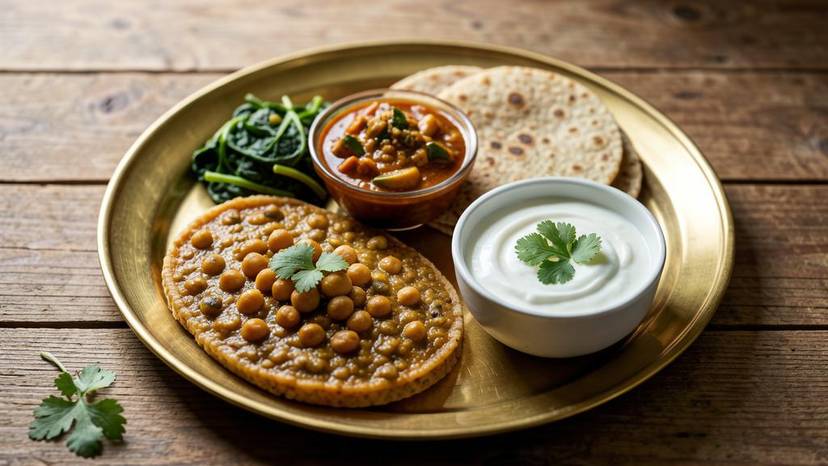
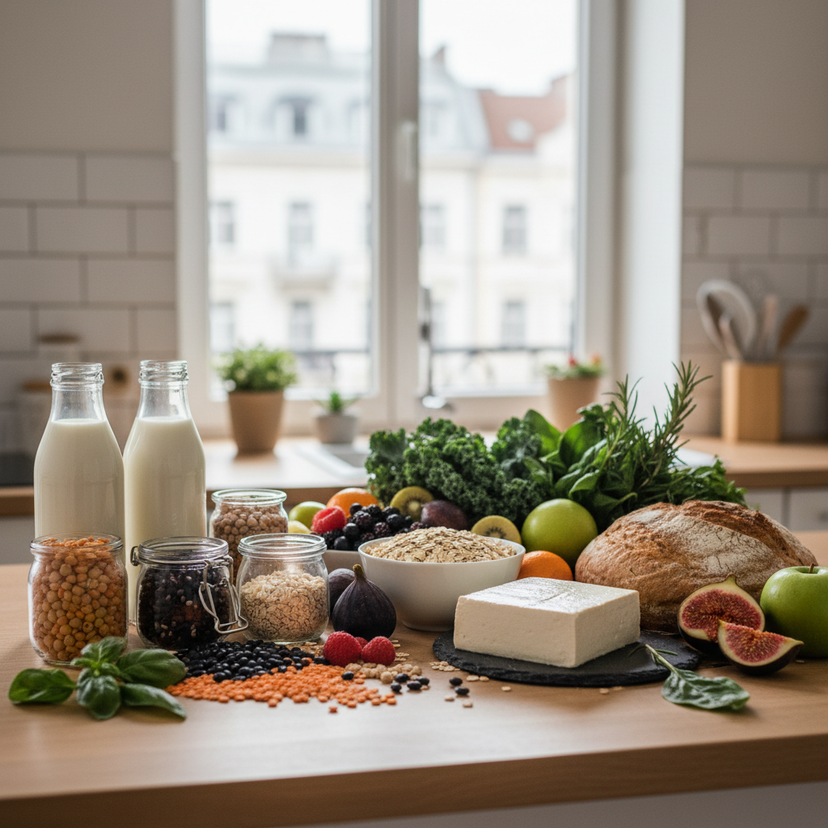
How to Start a Plant-Based Diet in 90 Days: A Body-Transformation Guide
Discover what changes in your body during the first 90 days on a plant-based diet, with a step-by-step plan for Gujarat residents.
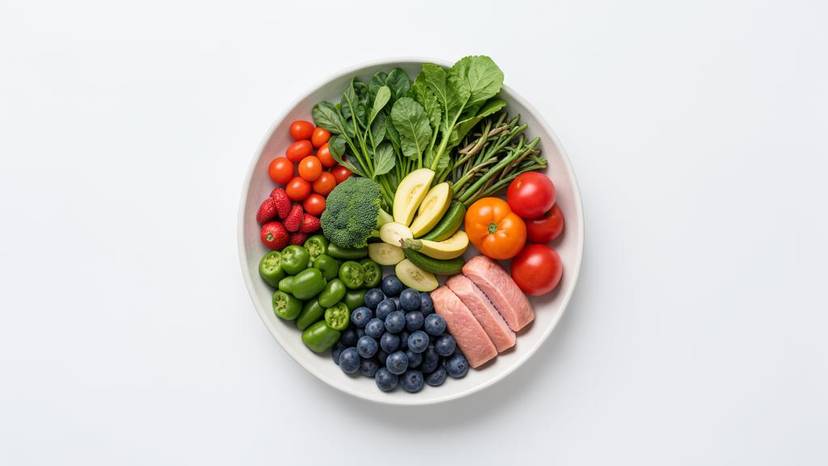
**Short answer:** In the first 90 days of a plant-based diet, your body typically experiences reduced inflammation, improved gut health, lower cholesterol, and a shift in energy levels, while nutrient levels like vitamin B12 and iron require careful planning. This step-by-step guide, tailored for Gujarat, outlines what to expect and how to thrive on a plant-based diet, backed by recent research and local food traditions.
What Is a Plant-Based Diet and Why Choose It for 90 Days?
A plant-based diet emphasizes foods derived from plants—vegetables, fruits, whole grains, legumes, nuts, and seeds—while minimizing or excluding animal products. Unlike veganism, which is a lifestyle choice avoiding all animal exploitation, a plant-based diet focuses primarily on health benefits, but it often aligns with ethical and environmental concerns. In Gujarat, where vegetarianism is common, shifting to a fully plant-based diet is a natural extension, leveraging local staples like millet, lentils, and seasonal vegetables.
According to the EAT-Lancet Commission (2019), a planetary health diet—rich in plant foods and low in animal products—can prevent approximately 11 million premature deaths annually. For Gujaratis, who already consume a largely vegetarian diet, the transition is often smoother, but requires attention to protein quality, vitamin B12, and omega-3 fatty acids, which are typically obtained from dairy and fish. This guide provides a 90-day roadmap to optimize your health while honoring local culinary traditions.
Step 1: Assess Your Starting Point and Set Clear Health Goals
Before you begin, evaluate your current health markers: weight, blood pressure, blood sugar, cholesterol, and energy levels. Set specific, measurable goals for 90 days—for example, lowering LDL cholesterol by 10-15% or improving digestive regularity. In Gujarat, you can get basic tests done at municipal clinics or private labs like Supratech, with costs ranging from ₹500 to ₹2,000.
Document your dietary habits for a week, noting any dairy, eggs, or occasional meat intake. This baseline helps you identify nutrient gaps you might need to fill. For instance, if you consume significant dairy, you'll need to plan for calcium and vitamin B12 replacements. Set a reminder to re-test at day 45 and day 90 to track changes, as recommended by nutritionists.
**Example:** Priya, a 35-year-old from Ahmedabad, started with a cholesterol level of 220 mg/dL and a goal to reduce it to below 200. She tracked her meals using a simple app and scheduled follow-up blood tests, achieving a 15% reduction by day 90.
Key Health Markers to Track
Track These Metrics
- Body weight (kg)
- Blood pressure (mmHg)
- Fasting blood sugar (mg/dL)
- Total cholesterol and LDL (mg/dL)
- Energy levels (1-10 scale)
- Digestive regularity (bowel movements/day)
Step 2: Plan Your Gujarati Plant-Based Pantry and Meal Structure
Stock your kitchen with Gujarat's plant-based staples: millets (bajra, jowar), whole wheat, lentils (toor, moong, chana), chickpea flour (besan), peanuts, and a variety of vegetables like bottle gourd, eggplant, and leafy greens. These are affordable and culturally familiar. Plan meals around a traditional thali structure: roti, dal, sabzi, salad, and a fermented pickle, ensuring variety and nutrition.
To meet protein needs, include a legume or lentil at every meal, and combine with grains for complementary amino acids. For example, khichdi (rice and moong dal) or dal-roti provides a complete protein profile. Add nuts and seeds like flaxseeds or walnuts for omega-3s, and use fortified plant milks (soy or almond) to replace dairy, ensuring calcium and vitamin B12.
**Example:** Create a weekly menu: Monday—bajra roti with undhiyu, Tuesday—moong dal chilla with mint chutney, Wednesday—vegetable pulao with raita (using plant-based yogurt). This variety prevents monotony and covers nutrient bases.
| Food Item | Quantity (per month) | Approx. Cost (₹) | Key Nutrients |
|---|---|---|---|
| Bajra (pearl millet) | 2 kg | ₹120 | Iron, magnesium, fiber |
| Toor dal (pigeon pea) | 2 kg | ₹220 | Protein, folate, iron |
| Chana dal (chickpea) | 1 kg | ₹100 | Protein, zinc, fiber |
| Soy chunks | 500 g | ₹180 | Protein, calcium |
| Flaxseeds | 250 g | ₹80 | Omega-3, lignans |
| Groundnuts (peanuts) | 1 kg | ₹160 | Vitamin E, protein |
| Plant-based yogurt (soy) | 4 cups | ₹200 | Probiotics, calcium |
Step 3: Navigate the First Two Weeks—What Changes in Your Body
During the first two weeks, your body adjusts to higher fiber intake (from 20g to 40g daily), causing bloating, gas, or changes in bowel movements. This is normal as your gut microbiome shifts. Drink plenty of water and gradually increase fiber over 2-3 days. Some people experience cravings for dairy or meat, which usually subside after week three.
You may also notice improved energy after meals, as plant foods are easier to digest and stabilize blood sugar. However, if you feel fatigued, check iron intake—pair vitamin C-rich foods (lemon, amla) with iron sources like spinach or lentils to enhance absorption. A 2020 study in Nutrients found that plant-based diets can improve insulin sensitivity within 16 weeks, aligning with your 90-day timeline.
**Example:** Raj, a 45-year-old from Surat, experienced bloating for the first 10 days. He reduced beans temporarily and increased cooked vegetables, then gradually reintroduced legumes, finding that his digestion improved significantly by day 20.
Managing Digestive Adjustments
Tips to Ease Transition
- Increase fiber gradually: add one serving of legumes daily, not all at once.
- Soak and sprout lentils to reduce gas-causing compounds.
- Use spices like ginger, asafoetida (hing), and cumin in cooking to aid digestion.
- Stay hydrated: drink 8-10 glasses of water daily.
- Include fermented foods like idli or plant-based yogurt for gut health.
Step 4: Optimize Protein and Nutrient Intake for Muscle and Energy
Protein is a common concern, but plant sources can easily meet needs. The Recommended Dietary Allowance (RDA) for protein is 0.8g per kg of body weight, but for active individuals, 1.2-1.6g/kg is recommended. For a 60kg person, this means 72-96g daily. Achieve this with: 1 cup cooked dal (18g), 2 rotis (8g), 1 cup soy chunks (30g), and 30g peanuts (7g).
In Gujarat, traditional foods like dhokla (fermented chickpea) and khandvi (gram flour rolls) are protein-rich. Include a variety of legumes, soy products, and quinoa (though pricier) to ensure all essential amino acids. For athletes, consider plant-based protein powders like pea or rice protein, available in health stores in Ahmedabad, costing ₹1,500-2,500 per kg.
**Example:** A 70kg male runner needs 98-112g protein daily. He might eat: breakfast—besan chilla (20g), lunch—rajma chawal (25g), snack—soy milk smoothie (15g), dinner—tofu curry (20g), totaling 80g, supplemented with a protein shake if needed.
Micronutrients to Watch
Essential Supplements and Fortified Foods
- ✓Vitamin B12: 250-500 mcg daily (sublingual or fortified foods like plant milk)
- ✓Vitamin D3: 600-800 IU daily, especially in winter
- ✓Iron: 18mg for women; pair with vitamin C
- ✓Omega-3: 250-500mg DHA/EPA from algae supplements
- ✓Iodine: use iodized salt or include seaweed
- ✓Calcium: 1000mg from fortified milks, leafy greens, and sesame seeds
Step 5: Master Meal Prep and Eating Out in Gujarat
Meal prep is crucial for staying on track. Dedicate 2-3 hours weekly to batch-cook staples like dal, roti, and sabzi. Store in airtight containers and refrigerate for up to 4 days. Invest in a pressure cooker and a tiffin box set. This saves time and reduces food waste, aligning with sustainable living principles.
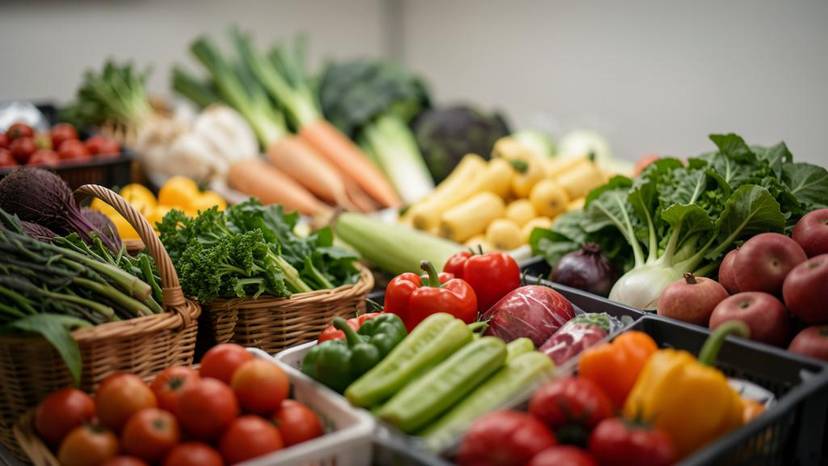
Eating out in Gujarat is easier with many Jain and pure-veg restaurants. However, specify 'no butter, no ghee, no paneer' and ask for oil-free or less oil options. Chains like Sankalp or local thali places can accommodate, but verify cross-contamination. Use apps like Zomato to filter vegan options, though be aware that many Indian dishes use dairy—clarify with staff.
**Example:** Prepare a large pot of moong dal on Sunday, make 12 rotis, and chop vegetables for salads. During the week, combine these with quick-cooking items like sprouts or roasted peanuts for a balanced meal in 15 minutes.
| Day | Prep Activity | Tools Needed | Time (min) |
|---|---|---|---|
| Sunday | Cook dal and grains | Pressure cooker, stockpot | 60 |
| Sunday | Make rotis and store | Tawa, rolling pin | 30 |
| Monday-Wednesday | Chop vegetables | Cutting board, knife | 15 |
| Thursday | Sauté vegetables in batches | Pan, spatula | 20 |
| Friday | Prepare dressings and chutneys | Blender | 10 |
| Saturday | Freeze portions for next week | Containers | 10 |
Step 6: Monitor Progress and Adjust at Day 45
At day 45, reassess your health markers and how you feel. Compare with baseline data. Many people notice improvements in blood pressure (average drop of 5-10 mmHg) and cholesterol (LDL reduction of 10-20%) within 6 weeks, according to a 2024 meta-analysis in the American Journal of Clinical Nutrition. If energy is low, review calorie intake—plant foods are less energy-dense, so you may need larger portions or more frequent meals.
Adjust your meal plan based on feedback. For example, if you experience hair thinning (rare, but possible due to temporary zinc deficiency), increase nuts, seeds, and whole grains. If muscle soreness persists, ensure adequate protein and consider adding a post-workout plant-based shake.
**Example:** At day 45, Mahesh, a 50-year-old from Vadodara, saw his fasting blood sugar drop from 110 to 95 mg/dL. He continued his diet with minor tweaks—adding more leafy greens and reducing refined carbs—and achieved 88 mg/dL by day 90.
Average Changes in Health Markers Over 90 Days on Plant-Based Diet
Step 7: Overcome Common Challenges and Stay Motivated
Challenges include social pressure, cravings, and convenience. Prepare responses for family gatherings: explain your health goals and offer to bring a plant-based dish. For cravings, identify triggers—often stress or habit—and find alternatives like roasted chickpeas for crunch or dark chocolate (vegan) for sweetness. Join local vegan or plant-based Facebook groups like 'Vegan Gujarat' for support and tips.
Use a habit tracker to maintain momentum. Celebrate small wins: improved digestion, clearer skin, better sleep. Remember that the 90-day mark is a common threshold where many report significant benefits, but consistency is key. If you slip up, don't dwell; resume at the next meal.
**Example:** When attending a wedding, Neha from Rajkot politely declined paneer dishes and filled her plate with dal, vegetables, and roti. She found that the hosts were supportive and even requested a vegan dish for her at the next event.
Frequently Asked Questions (FAQ)
Is a plant-based diet safe for long-term health?
Yes, a well-planned plant-based diet is safe and beneficial for all ages, as supported by the Academy of Nutrition and Dietetics (2016) and the Indian Council of Medical Research (ICMR, 2020). It reduces risks of heart disease, type 2 diabetes, and certain cancers. However, ensure adequate intake of vitamin B12, vitamin D, iron, and omega-3s through supplements or fortified foods.
How much weight can I expect to lose in 90 days on a plant-based diet?
Weight loss varies, but a 2024 study in the Journal of Nutrition found that plant-based diets lead to an average weight loss of 2-3 kg in 12 weeks, without calorie counting. You may lose more if you also exercise. The key is consuming adequate fiber and protein to stay satiated, and avoiding high-calorie processed vegan foods.
Do I need to take supplements on a plant-based diet?
Yes, vitamin B12 is essential to supplement, as it's not reliably found in plant foods. Vitamin D3 and omega-3 (EPA/DHA) are also recommended, especially if you live in low-sunlight regions. Iron may need attention if you're menstruating; consider plant-based iron supplements if blood tests show deficiency.

Can I build muscle on a plant-based diet in 90 days?
Absolutely. A 2022 meta-analysis in the Journal of the International Society of Sports Nutrition found no significant difference in muscle mass gains between plant-based and omnivorous diets when protein intake is sufficient. Aim for 1.6-2.2g/kg of body weight, focus on soy, legumes, and whole grains, and combine with resistance training.
What are the best plant-based sources of protein in Gujarat?
Gujarati pantry staples are excellent: toor dal, moong dal, chana, besan (chickpea flour), peanuts, and soy chunks. Additionally, millets like bajra provide some protein (11g per 100g). Include a variety across meals to ensure all essential amino acids, and consider adding quinoa or tofu for variety.
How soon will I see improvements in my blood cholesterol levels?
Research indicates that LDL cholesterol can drop significantly within 4-6 weeks of adopting a plant-based diet. A 2021 randomized controlled trial in the BMJ found an average reduction of 15% in LDL after 12 weeks, with the most dramatic changes occurring in the first month. Regular testing helps track progress.
Key Takeaways for Your 90-Day Plant-Based Journey
Key Takeaways
- A plant-based diet in 90 days can lower cholesterol, improve blood sugar, and boost energy.
- Plan meals using Gujarat's traditional staples for cost-effectiveness and cultural familiarity.
- Take supplements for vitamin B12, D, and omega-3s to avoid deficiencies.
- Monitor your health markers at day 45 and adjust your diet accordingly.
- Join local vegan communities for motivation and practical tips.
સંબંધિત વિષયો